Comprehensive Guide to Household Solar System Pricing: Costs, Benefits, and ROI Analysis

Get a Free Quote

Our representative will contact you soon.
Email
Name
Company Name
Message
0/1000

price of solar system for household

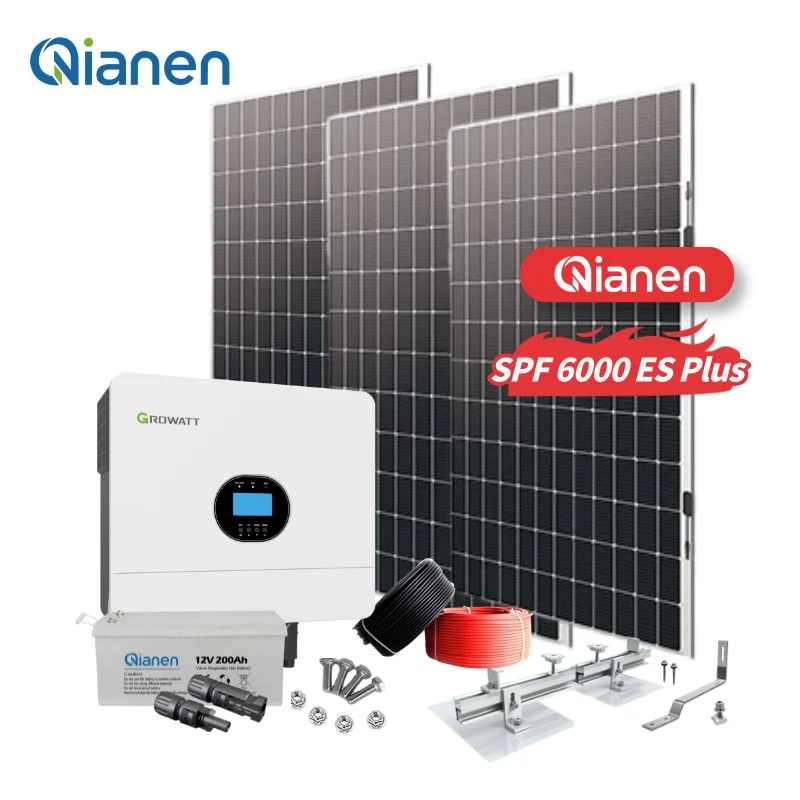
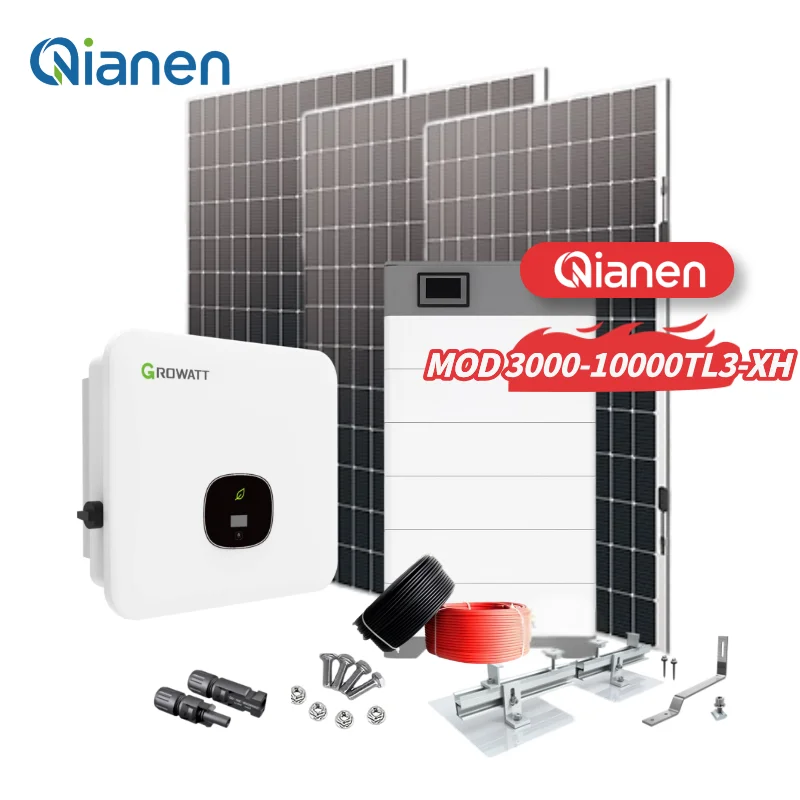
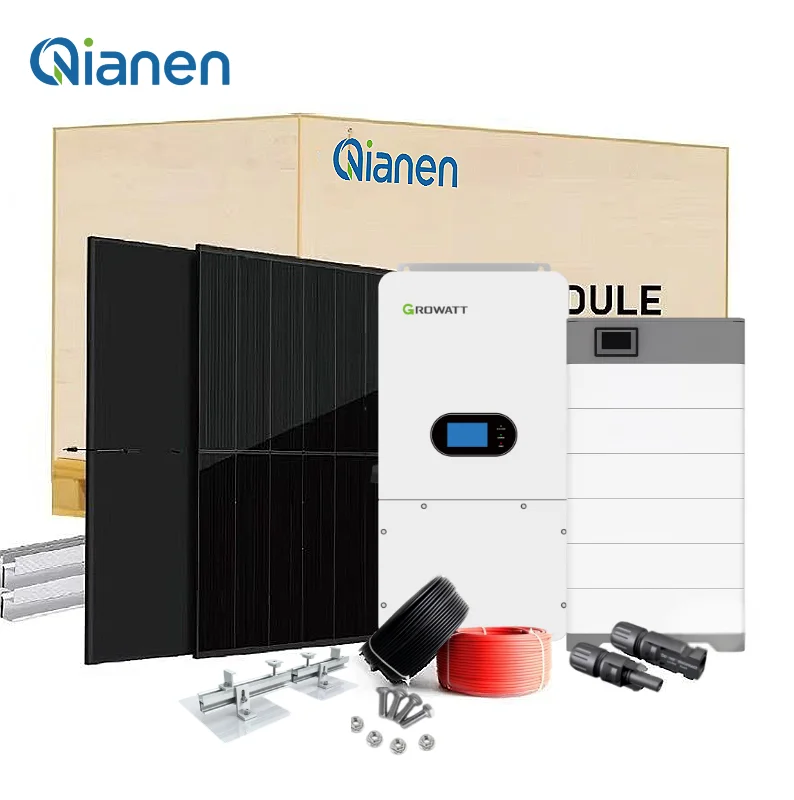
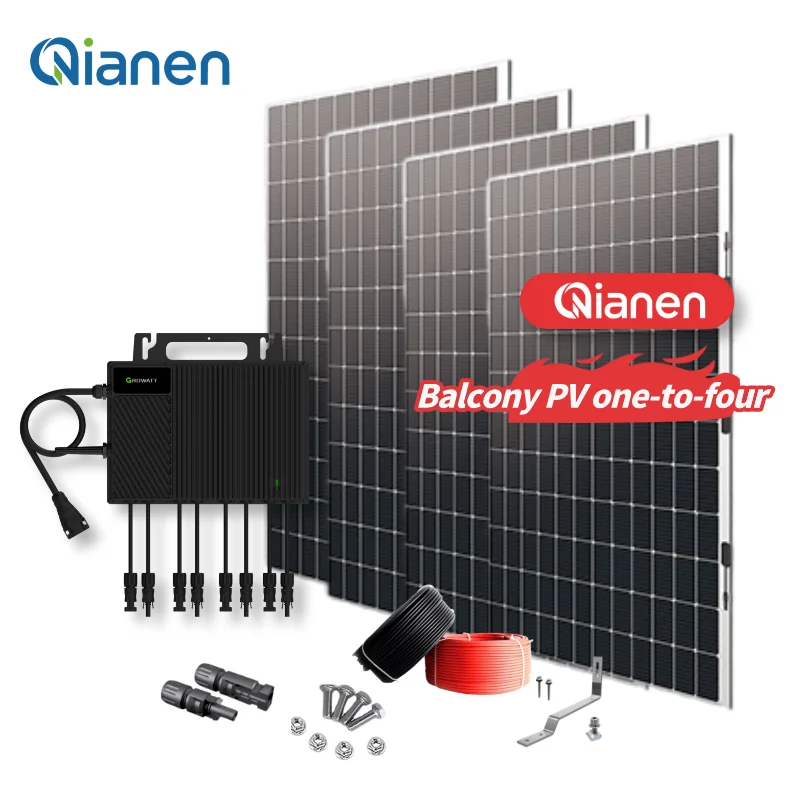
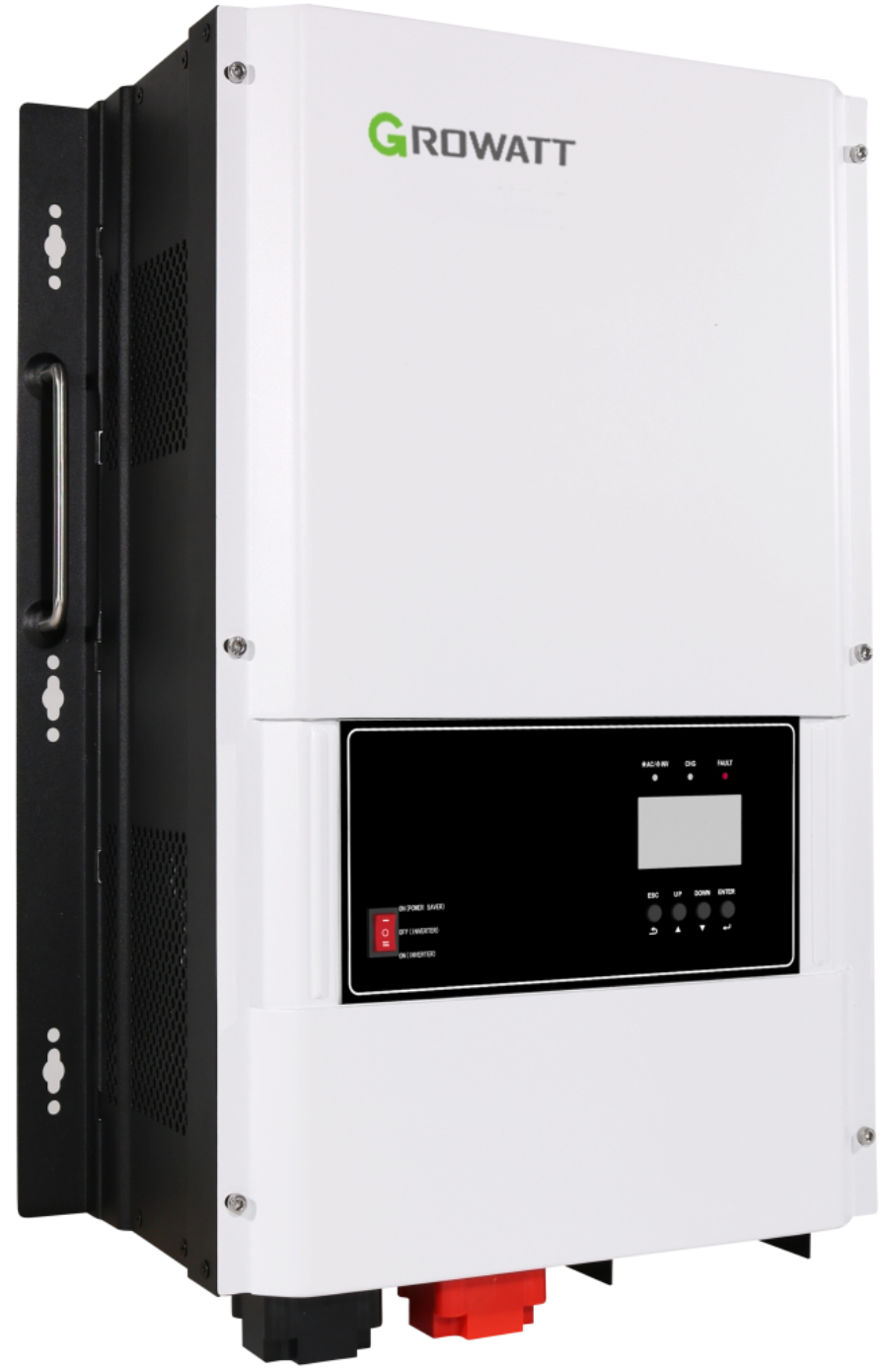
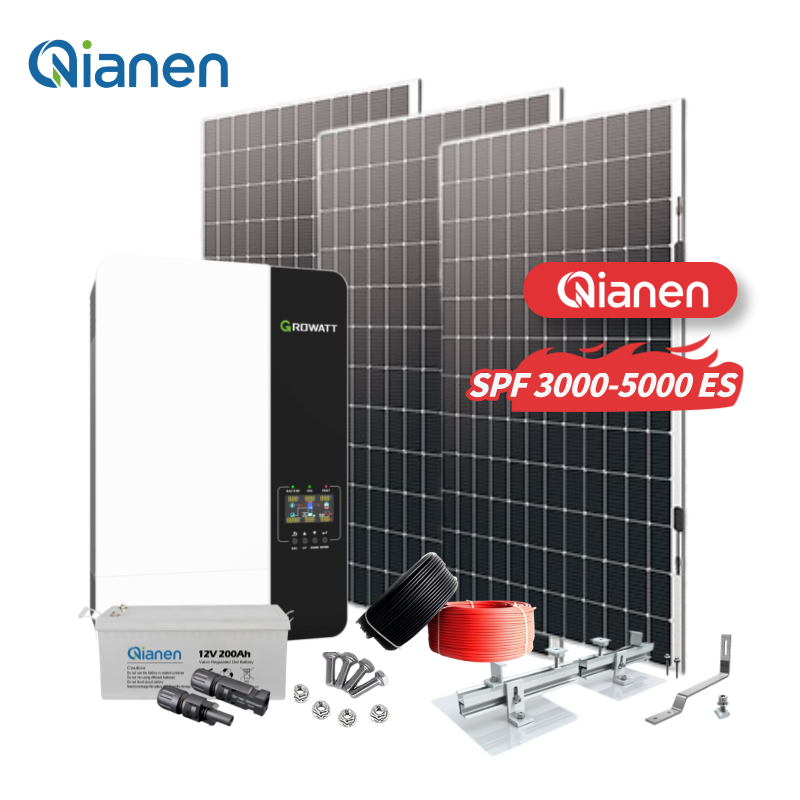
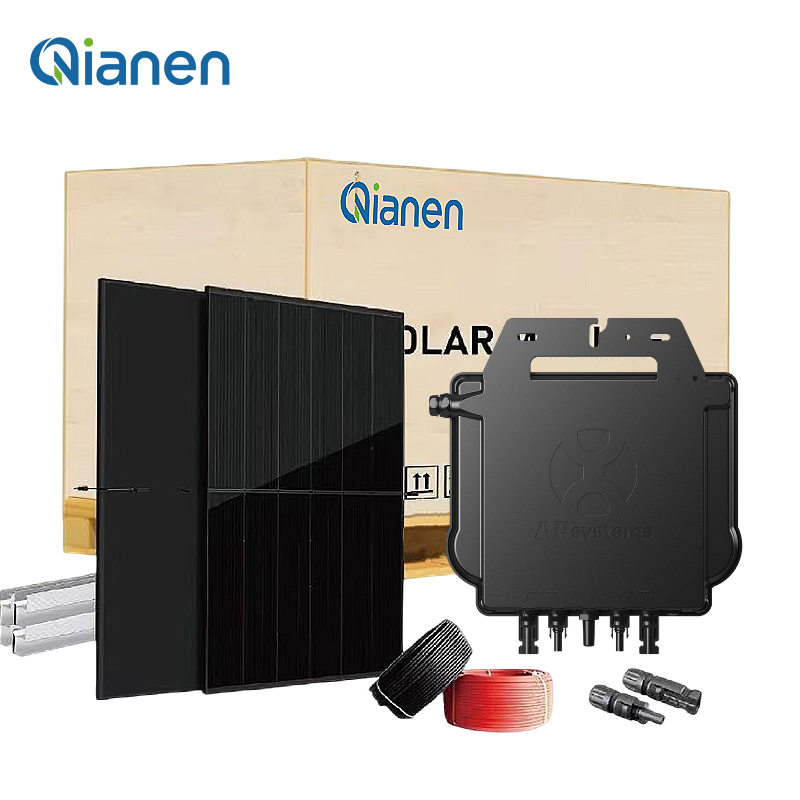
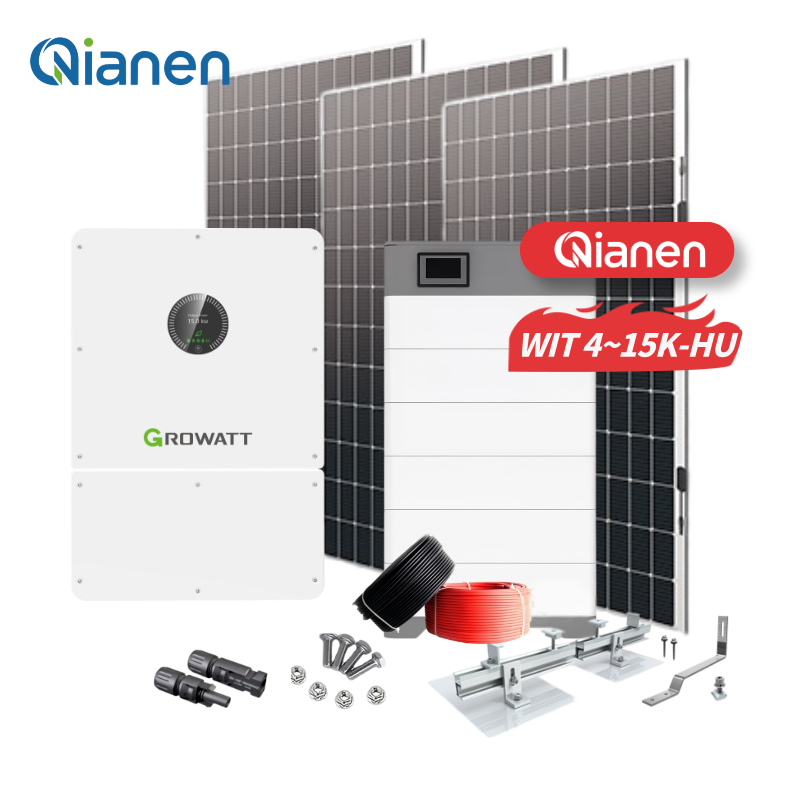
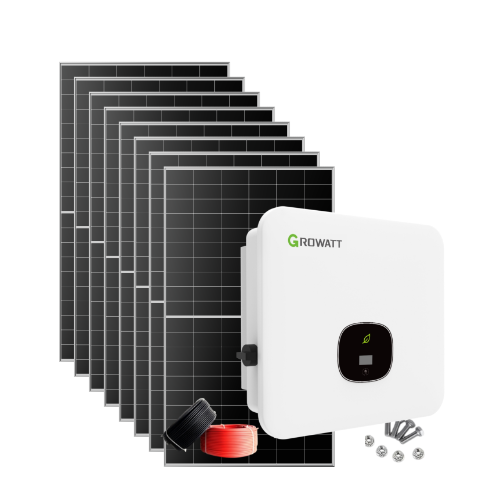
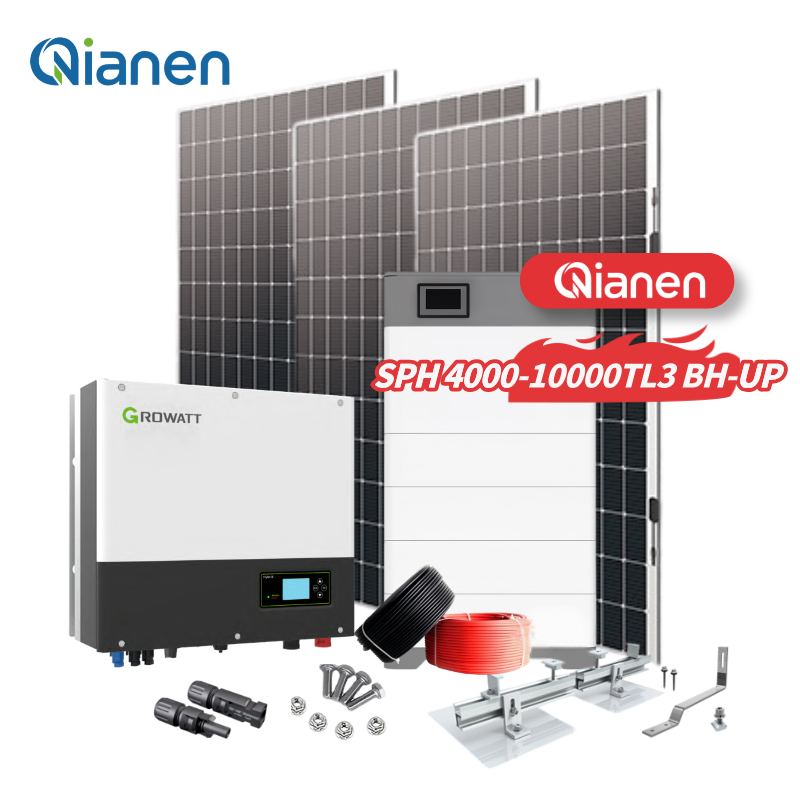
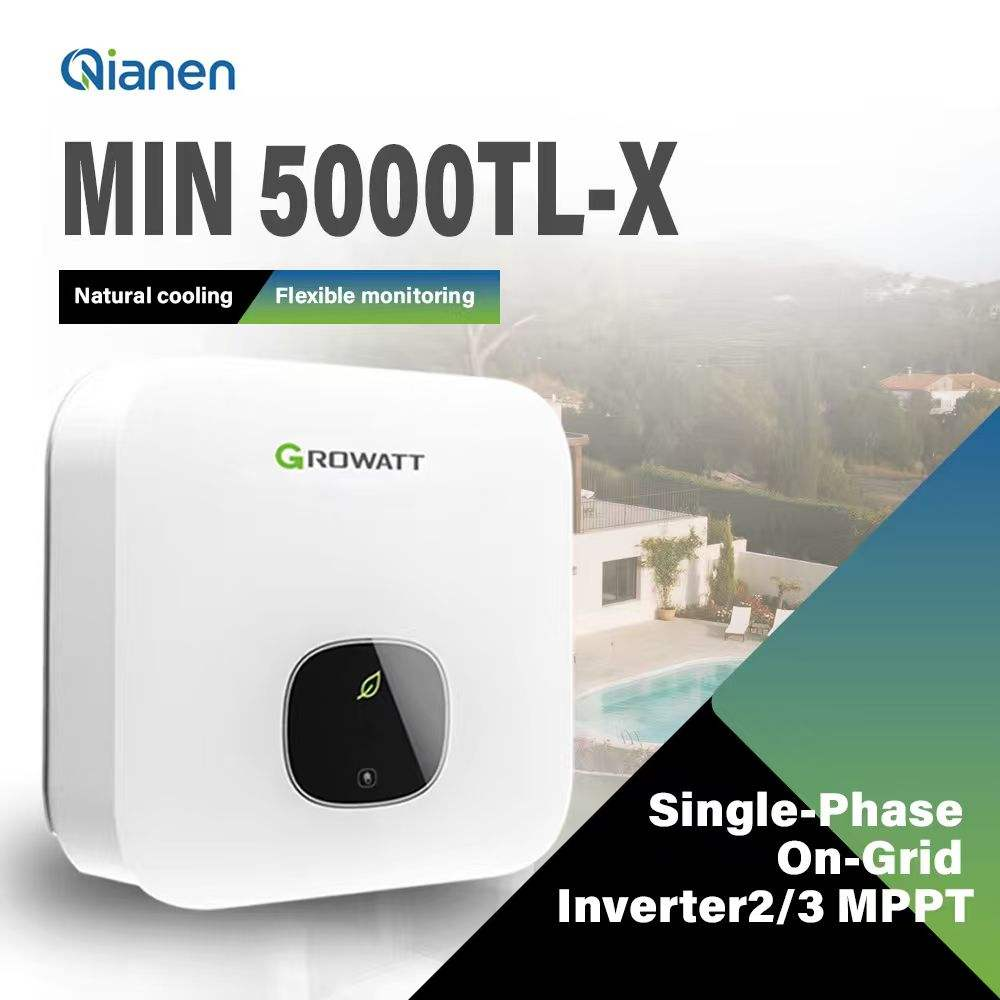
The price of solar systems for households varies significantly based on several factors, typically ranging from $15,000 to $25,000 for a complete installation. These systems consist of solar panels, inverters, mounting hardware, and monitoring systems designed to convert sunlight into usable electricity. Modern residential solar installations commonly feature high-efficiency photovoltaic panels with conversion rates exceeding 20%, smart inverter technology for optimal power management, and sophisticated monitoring capabilities accessible through smartphone apps. The system size typically ranges from 5kW to 10kW, suitable for average household energy consumption. Installation costs include equipment, labor, permits, and grid connection fees. Many systems come with warranties spanning 25 years, ensuring long-term reliability and performance. The technology implements Maximum Power Point Tracking (MPPT) to optimize energy harvesting throughout the day, while advanced micro-inverter systems enable panel-level monitoring and enhanced system efficiency. The price structure often includes options for battery storage integration, allowing households to store excess energy for nighttime use or emergency backup.

New Product Releases

The investment in a household solar system offers numerous compelling advantages that justify its initial cost. First, homeowners typically see a significant reduction in monthly electricity bills, with savings often ranging from 50% to 90% depending on system size and energy consumption patterns. The average payback period falls between 5-8 years, after which the system essentially provides free electricity for its remaining lifespan. Government incentives, including federal tax credits, state rebates, and local incentives, can reduce the initial investment by 26-50%. Additionally, solar installations increase property values by an average of 4%, making it a sound long-term investment. Modern systems require minimal maintenance, typically only needing annual inspections and occasional cleaning, resulting in low ongoing costs. The technology's reliability has improved significantly, with most components rated for 25-30 years of operation. Solar systems also provide energy independence, protecting households from rising utility rates and power outages when combined with battery storage. Environmental benefits include significant reduction in carbon footprint, with a typical system offsetting 100,000 pounds of carbon dioxide over its lifetime. The systems also support local energy resilience and can participate in net metering programs, allowing homeowners to sell excess power back to the grid.

Practical Tips

How Does a Solar System for Household Save Energy and Money?

19

Sep

How Does a Solar System for Household Save Energy and Money?

The Transformative Power of Residential Solar Energy Homeowners across the globe are increasingly turning to residential solar power as a sustainable and cost-effective energy solution. A solar system for household use represents more than just an en...
View More
Can a Solar System for Household Power All Home Appliances?

19

Sep

Can a Solar System for Household Power All Home Appliances?

Understanding Modern Home Solar Power Solutions The evolution of residential solar technology has transformed how we think about powering our homes. A solar system for household use has become increasingly sophisticated, offering homeowners the poten...
View More
What Are the Long-Term Benefits of a Solar System for Household?

19

Sep

What Are the Long-Term Benefits of a Solar System for Household?

Unlocking the Lasting Value of Residential Solar Power As homeowners increasingly seek sustainable energy solutions, residential solar systems have emerged as a transformative investment that delivers benefits far beyond the initial installation. The...
View More
How to Select the Best Solar System for Household Efficiency?

19

Sep

How to Select the Best Solar System for Household Efficiency?

Understanding Modern Home Solar Solutions The transition to renewable energy has made solar system installation a pivotal decision for homeowners seeking energy independence and reduced utility costs. As technology advances and environmental awarenes...
View More

Get a Free Quote

Our representative will contact you soon.
Email
Name
Company Name
Message
0/1000

price of solar system for household

Cost-Effective Financial Investment

Cost-Effective Financial Investment

The financial aspect of household solar systems represents a strategic long-term investment opportunity. Initial system costs are offset by multiple financial benefits, including immediate electricity bill reduction, tax incentives, and potential income from renewable energy certificates. The average household can save between $10,000 and $30,000 over the system's lifetime, depending on local electricity rates and consumption patterns. With current technology, systems are designed to maintain 85% or higher efficiency even after 25 years, ensuring consistent returns on investment. Financing options, including solar loans, leases, and power purchase agreements (PPAs), make systems accessible with little to no upfront cost. The stability of solar technology provides a hedge against future energy price increases, while maintenance costs typically amount to less than $200 annually.
Advanced Technology Integration

Advanced Technology Integration

Modern household solar systems incorporate cutting-edge technology that maximizes energy production and system efficiency. Smart monitoring systems provide real-time performance data, enabling homeowners to optimize their energy consumption patterns. Advanced inverter technology includes features like reactive power control and grid support functions, ensuring smooth integration with the existing power infrastructure. The systems employ sophisticated algorithms for shade management and panel-level optimization, minimizing the impact of partial shading on overall system performance. Remote troubleshooting capabilities allow for quick problem resolution, while automatic system updates ensure optimal performance throughout the system's lifetime. Integration with home automation systems enables intelligent energy management, automatically adjusting household consumption based on solar production patterns.
Environmental and Social Impact

Environmental and Social Impact

Installing a household solar system creates significant environmental and social benefits beyond individual cost savings. Each installation typically reduces household carbon emissions by 3-4 metric tons annually, equivalent to planting about 100 trees. The systems contribute to local grid stability and reduce strain on utility infrastructure during peak demand periods. Community adoption of solar technology creates local jobs in installation, maintenance, and related services, contributing to economic development. The visible presence of solar panels encourages neighborhood adoption, creating a multiplier effect for environmental benefits. Solar installations also help utilities meet renewable energy mandates while reducing the need for new power plant construction. The systems contribute to energy independence at both household and national levels, reducing reliance on fossil fuels and imported energy sources.

Get a Free Quote

Our representative will contact you soon.
Email
Name
Company Name
Message
0/1000