how solar panels work
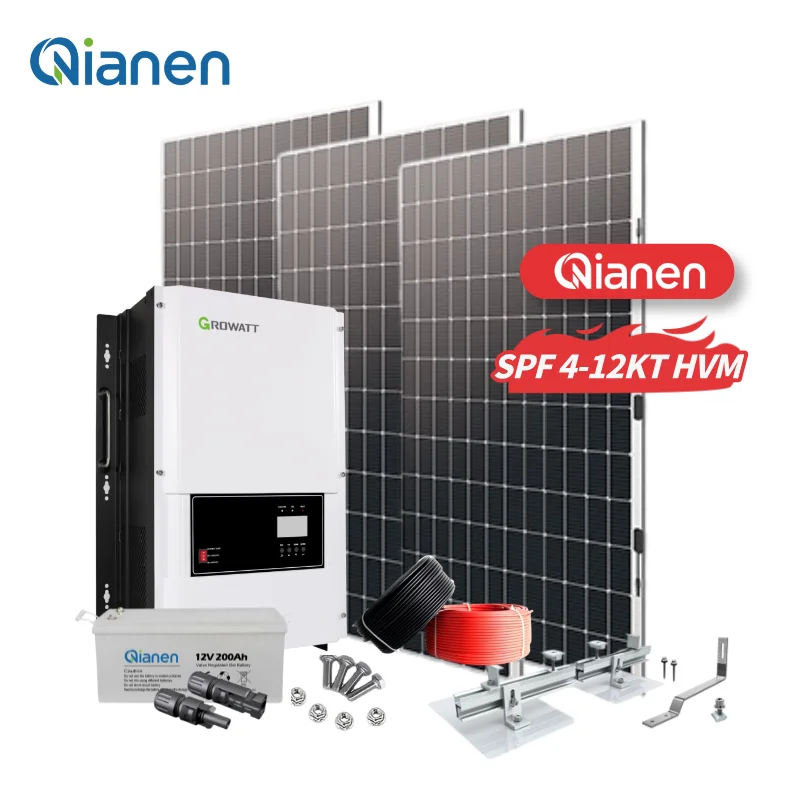
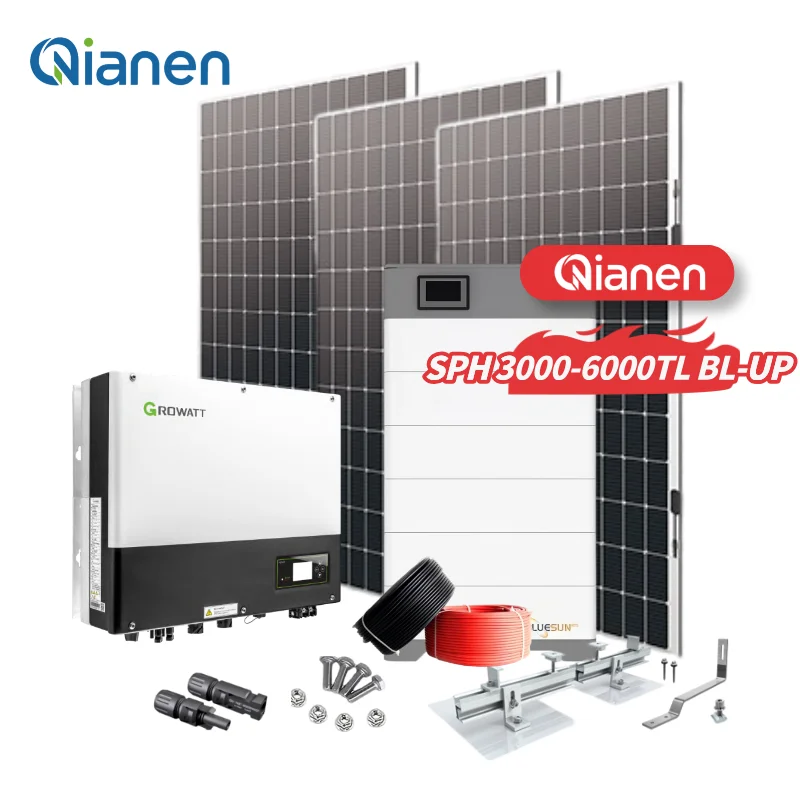
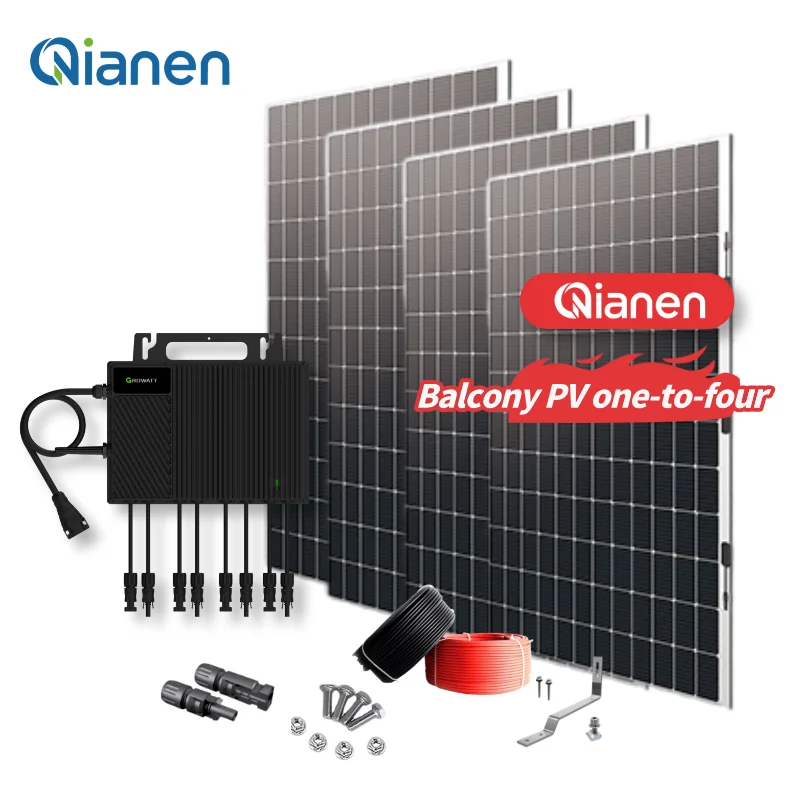
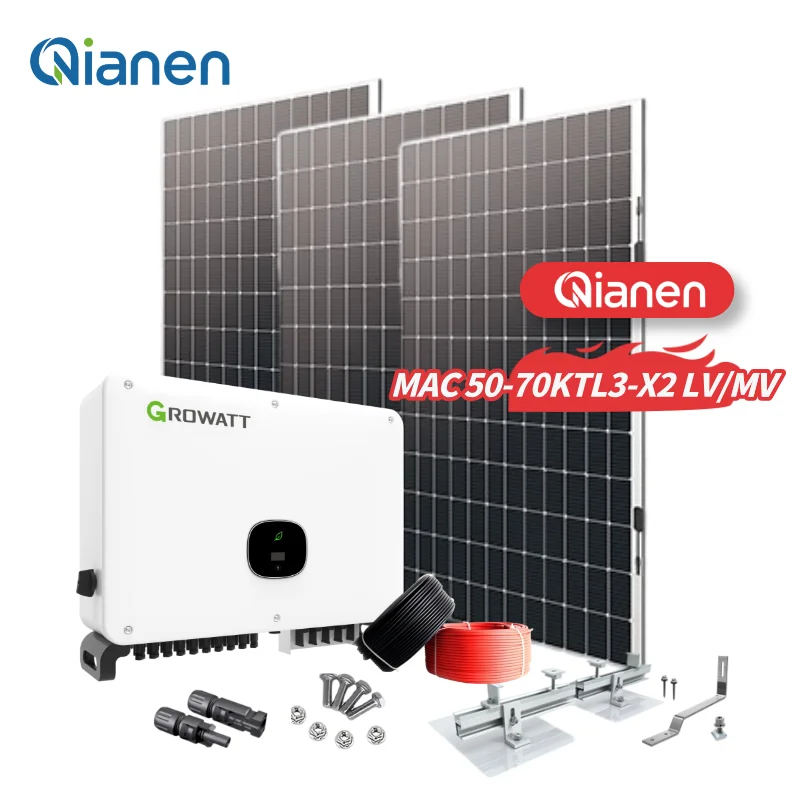
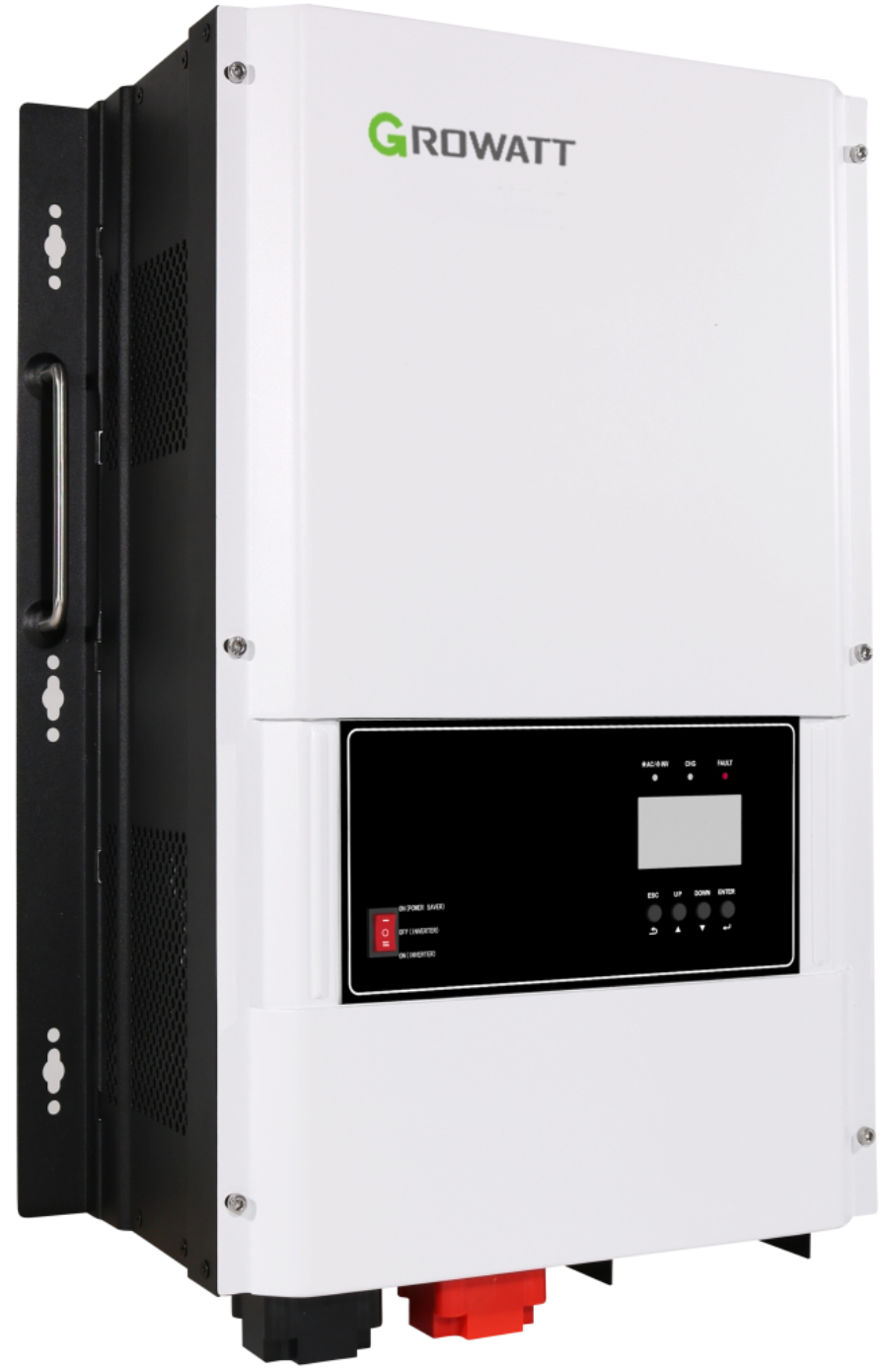
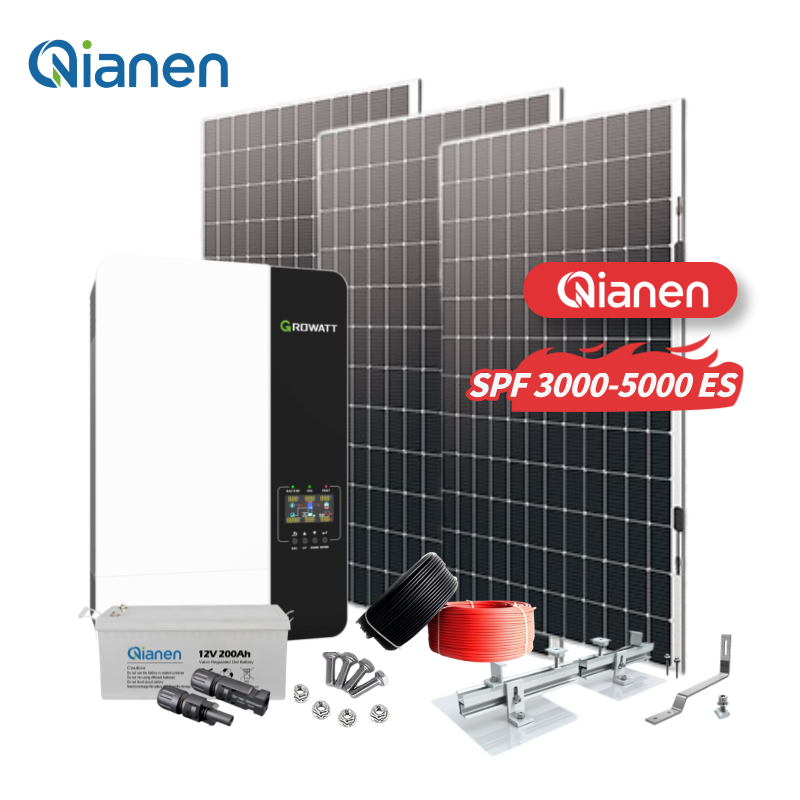
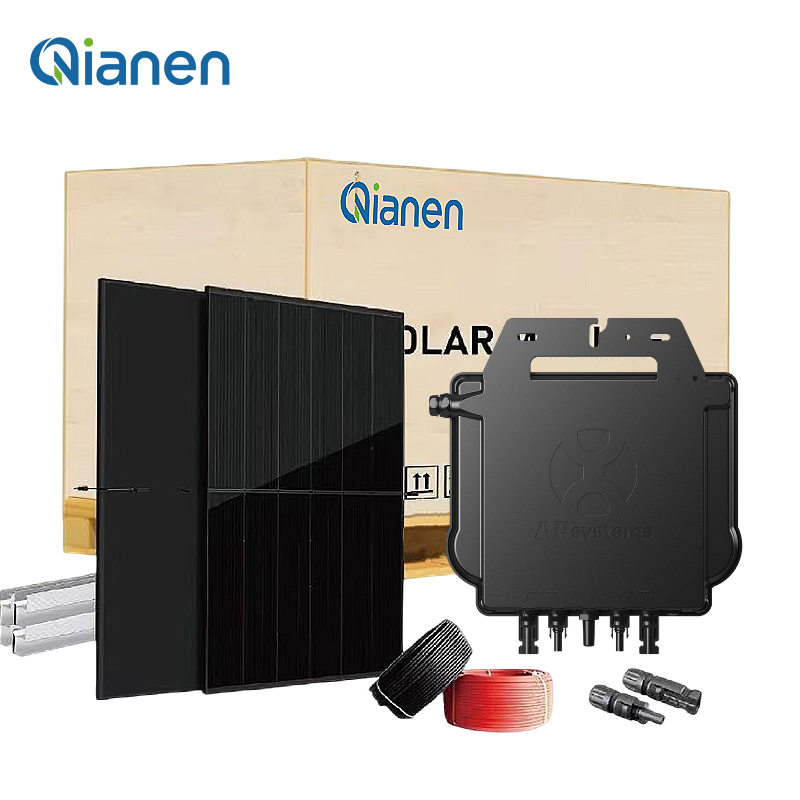
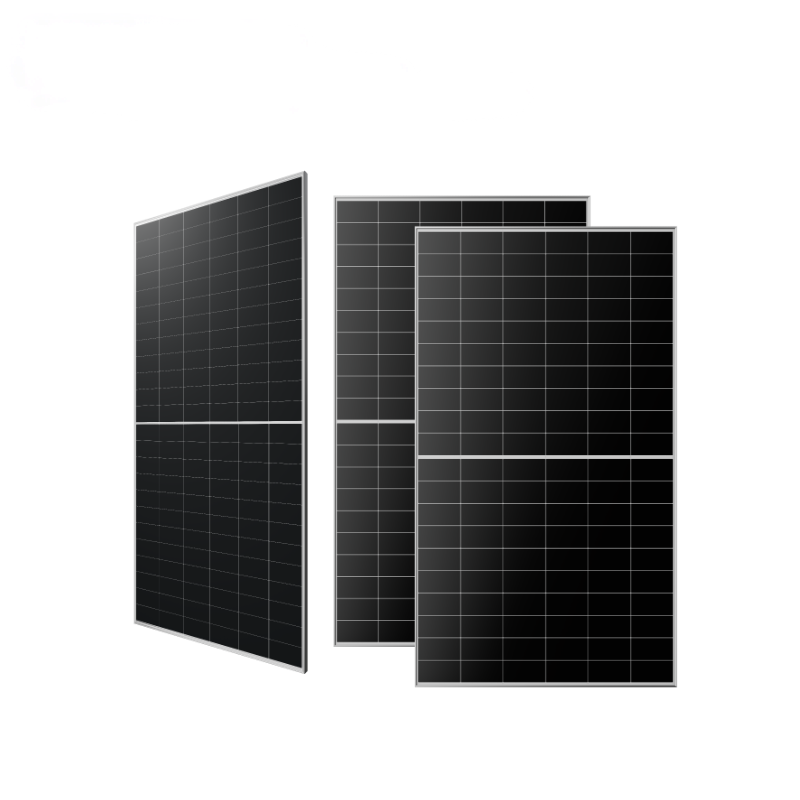
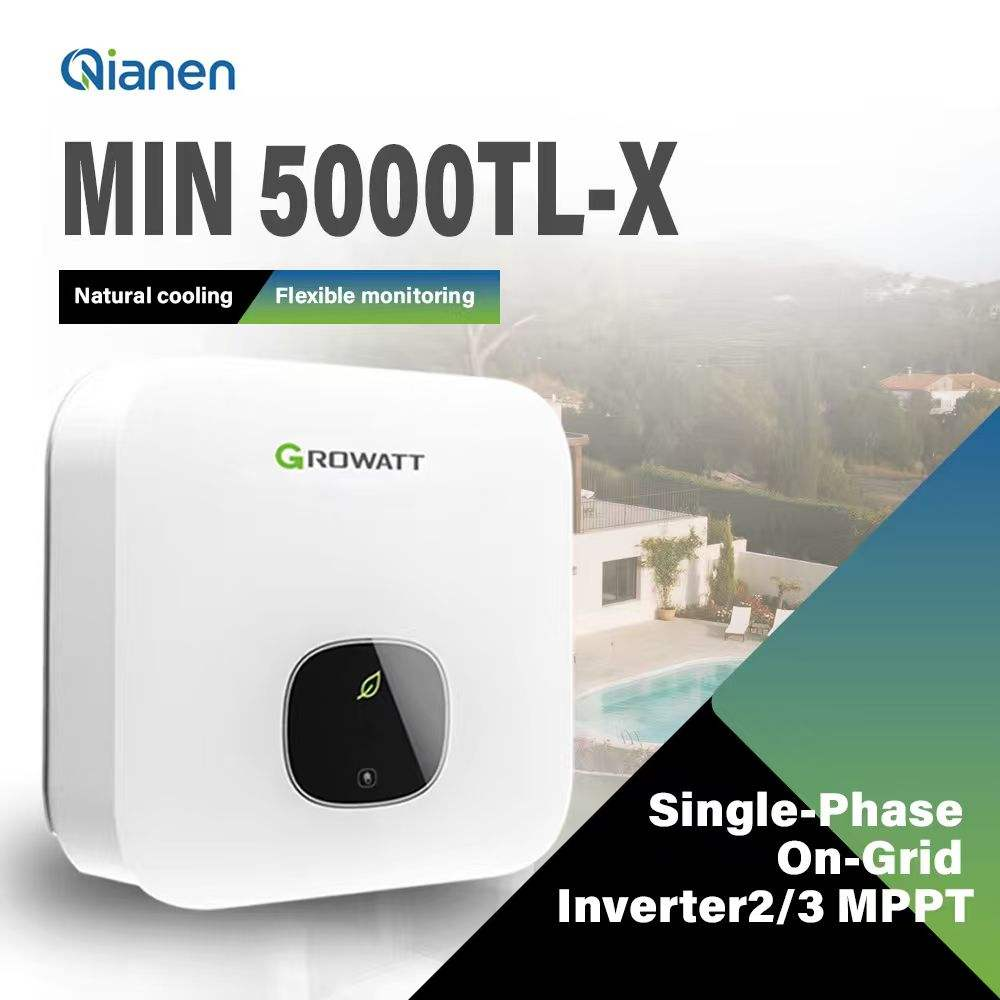
Solar panels represent a revolutionary technology that converts sunlight directly into electricity through the photovoltaic effect. These panels consist of multiple individual cells made primarily from silicon, which work together to generate clean, renewable energy. When sunlight hits the solar panels, photons are absorbed by the semiconductor material, causing electrons to be knocked loose from their atoms. This creates an electric field within the cells, allowing electrons to flow and generate electricity. The process begins with sunlight striking the panel's surface, where a special anti-reflective coating ensures maximum light absorption. The absorbed light creates an electric charge in the silicon cells, which is then captured by the panel's metal conductive plates. This direct current (DC) electricity is then channeled through wiring to an inverter, which converts it into alternating current (AC) electricity suitable for home use. Modern solar panels typically operate at 15-20% efficiency, though advanced technologies are pushing these boundaries higher. The generated electricity can be used immediately, stored in batteries for later use, or fed back into the power grid. Solar panels require minimal maintenance, have no moving parts, and can function reliably for 25-30 years, making them an increasingly popular choice for both residential and commercial applications.
 EN
EN