Complete Guide to Solar Panel Types: Efficiency, Cost, and Applications

Get a Free Quote

Our representative will contact you soon.
Email
Name
Company Name
Message
0/1000

types of solar panels

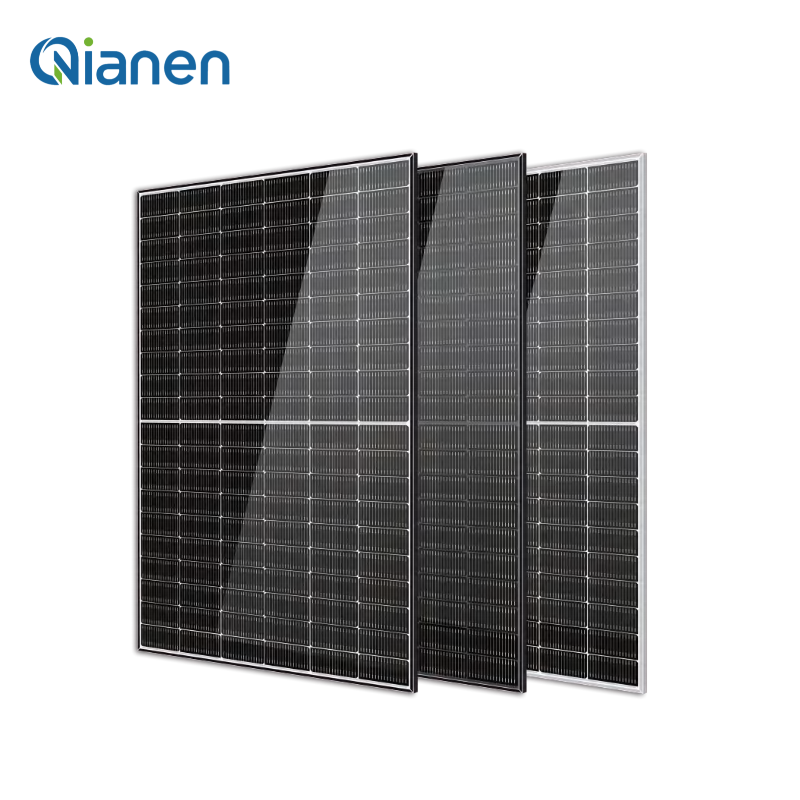
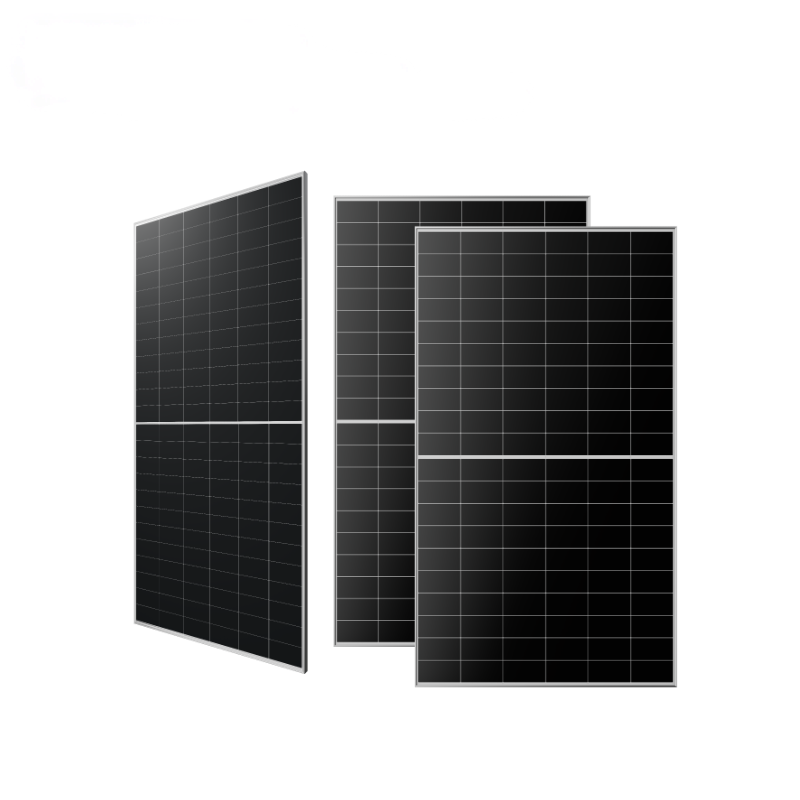
Solar panels come in three primary types: monocrystalline, polycrystalline, and thin-film panels. Monocrystalline panels, made from single silicon crystals, offer the highest efficiency rates of 15-22% and superior performance in low-light conditions. Their sleek black appearance and compact design make them ideal for residential installations with limited space. Polycrystalline panels, constructed from multiple silicon fragments, provide efficiency rates of 13-17% and are more cost-effective. These panels feature a distinctive blue hue and perform well in warm weather conditions. Thin-film panels, the most versatile option, are manufactured by depositing photovoltaic materials onto various substrates. While they offer lower efficiency rates of 10-12%, they're extremely lightweight, flexible, and perfect for unconventional installations. These panels demonstrate excellent performance in high temperatures and can be integrated into building materials. Each type serves specific needs, from high-performance residential systems to large-scale commercial installations, providing various solutions for different energy requirements and installation scenarios.

New Product Recommendations

The diverse range of solar panel types offers distinct advantages for different applications. Monocrystalline panels excel in space-efficient installations, delivering maximum power output per square foot, making them perfect for residential rooftops with limited area. Their superior low-light performance ensures consistent energy production throughout the day, even in cloudy conditions. The panels' elegant black appearance enhances property aesthetics while generating power. Polycrystalline panels provide an excellent balance of performance and affordability, making solar energy accessible to more consumers. Their robust construction ensures reliability in various weather conditions, while their lower production costs result in faster return on investment. Thin-film panels offer unmatched installation flexibility, adapting to curved surfaces and irregular spaces where traditional panels cannot be mounted. Their lightweight nature reduces structural requirements, making them ideal for commercial rooftops with weight restrictions. These panels also maintain better performance in high-temperature environments, where traditional panels might experience efficiency losses. Additionally, their simple manufacturing process results in lower environmental impact during production, appealing to environmentally conscious consumers. The ability to choose between these options ensures that every installation can be optimized for specific requirements, whether prioritizing maximum efficiency, cost-effectiveness, or installation flexibility.

Practical Tips

Why Choose a Solar System for Household in Modern Living?

19

Sep

Why Choose a Solar System for Household in Modern Living?

The Evolution of Home Energy Solutions in Contemporary Living The landscape of residential energy consumption has undergone a remarkable transformation in recent years. As homeowners increasingly seek sustainable alternatives to traditional power sou...
View More
Can a Solar System for Household Power All Home Appliances?

19

Sep

Can a Solar System for Household Power All Home Appliances?

Understanding Modern Home Solar Power Solutions The evolution of residential solar technology has transformed how we think about powering our homes. A solar system for household use has become increasingly sophisticated, offering homeowners the poten...
View More
What Are the Long-Term Benefits of a Solar System for Household?

19

Sep

What Are the Long-Term Benefits of a Solar System for Household?

Unlocking the Lasting Value of Residential Solar Power As homeowners increasingly seek sustainable energy solutions, residential solar systems have emerged as a transformative investment that delivers benefits far beyond the initial installation. The...
View More
How to Select the Best Solar System for Household Efficiency?

19

Sep

How to Select the Best Solar System for Household Efficiency?

Understanding Modern Home Solar Solutions The transition to renewable energy has made solar system installation a pivotal decision for homeowners seeking energy independence and reduced utility costs. As technology advances and environmental awarenes...
View More

Get a Free Quote

Our representative will contact you soon.
Email
Name
Company Name
Message
0/1000

types of solar panels

Advanced Efficiency Technology

Advanced Efficiency Technology

Modern solar panel technology has revolutionized energy conversion capabilities, particularly in monocrystalline panels. These panels utilize advanced photovoltaic cells created through the Czochralski process, which produces pure silicon ingots for maximum sunlight absorption. The single-crystal structure allows electrons to flow more freely, resulting in higher efficiency rates. This technology incorporates anti-reflective coatings and sophisticated cell architectures that capture a broader spectrum of sunlight, including diffuse light on cloudy days. The panels feature enhanced temperature coefficients, maintaining performance even as temperatures rise, and utilize sophisticated bypass diode systems to minimize power losses from partial shading.
Cost-Effective Energy Solutions

Cost-Effective Energy Solutions

Polycrystalline solar panels represent a significant breakthrough in making solar energy economically viable for widespread adoption. These panels utilize an innovative manufacturing process that recycles silicon fragments, reducing production costs while maintaining reliable performance. The multi-crystal structure, while slightly less efficient than monocrystalline, offers excellent value for money, typically generating 80-90% of the power at a significantly lower cost. Advanced surface texturing techniques improve light absorption, while improved cell interconnection methods reduce resistance losses, enhancing overall system performance. The panels' durability and minimal maintenance requirements contribute to lower lifetime costs.
Versatile Installation Applications

Versatile Installation Applications

Thin-film solar technology opens up unprecedented installation possibilities through its flexible and adaptable nature. These panels can be manufactured in various sizes and shapes, incorporating amorphous silicon, cadmium telluride, or copper indium gallium selenide. Their lightweight construction, often less than half the weight of traditional panels, allows installation on structures that cannot support heavier systems. The panels can be directly integrated into building materials, creating solar roofs, windows, and facades that generate power while serving their primary architectural functions. Their superior performance in high temperatures and indirect light makes them ideal for vertical installations and regions with high ambient temperatures.

Get a Free Quote

Our representative will contact you soon.
Email
Name
Company Name
Message
0/1000