Comprehensive Guide to Solar Panel Types: Efficiency, Durability, and Cost Benefits

Get a Free Quote

Our representative will contact you soon.
Email
Name
Company Name
Message
0/1000

solar panel types

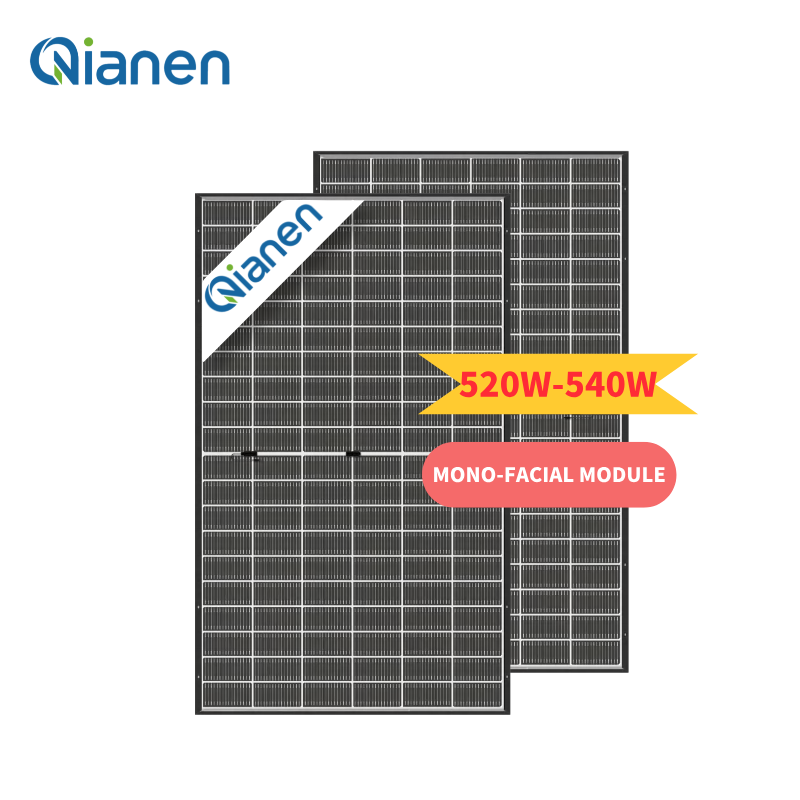
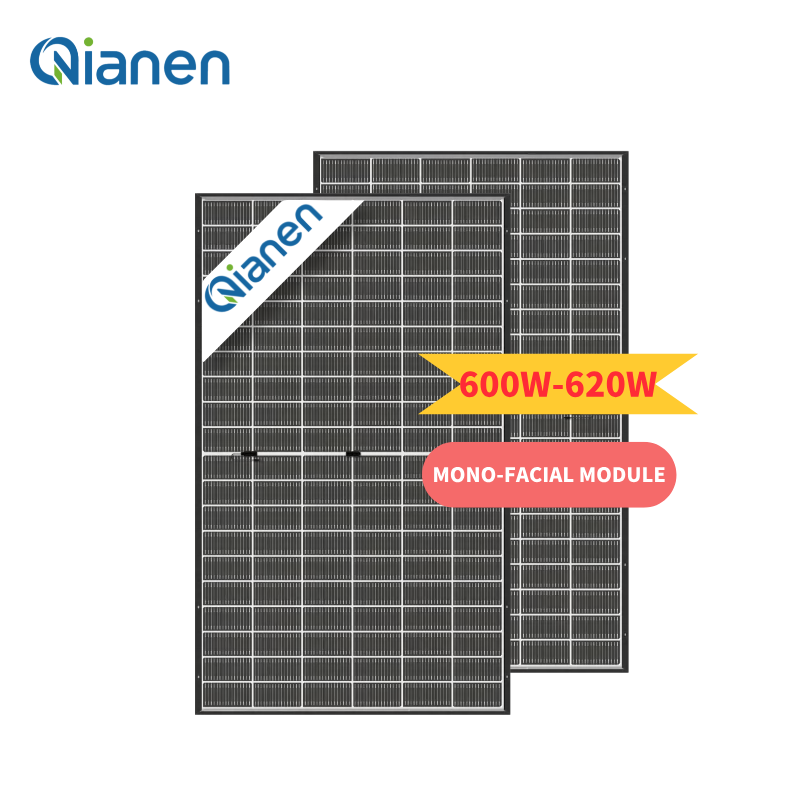
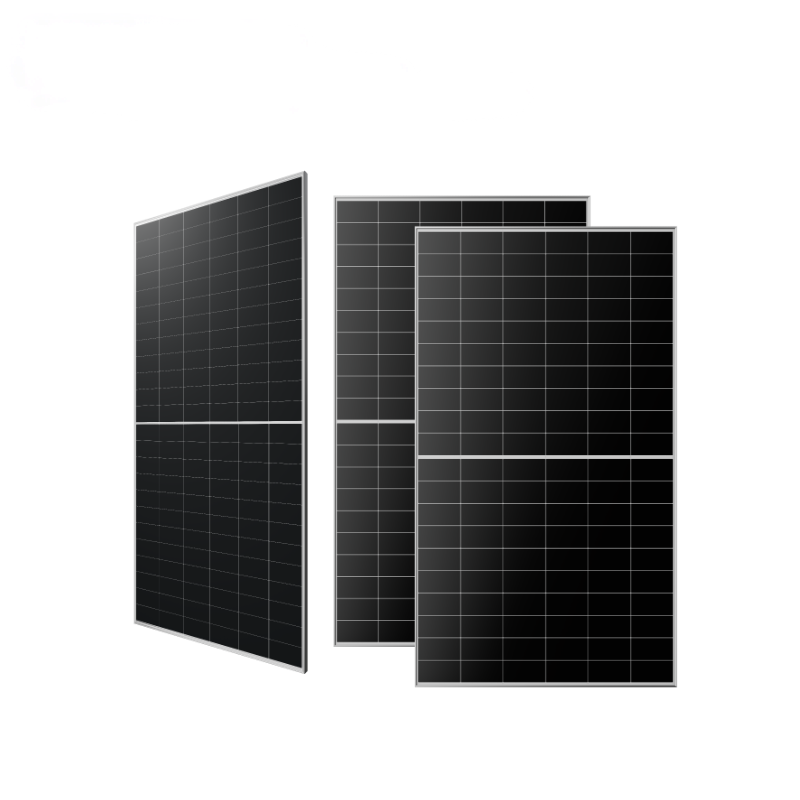
Solar panel types represent a diverse range of photovoltaic technologies that convert sunlight into usable electricity. The main categories include monocrystalline, polycrystalline, and thin-film panels. Monocrystalline panels, made from single-crystal silicon, offer the highest efficiency rates, typically ranging from 15-22%. Their sleek black appearance and compact design make them ideal for residential installations with limited space. Polycrystalline panels, constructed from multiple silicon fragments, provide a cost-effective alternative with efficiency rates of 13-17%. These panels feature a distinctive blue speckled appearance and perform well in various weather conditions. Thin-film panels, the most versatile option, are manufactured by depositing photovoltaic materials onto flexible substrates. While they have lower efficiency rates of 10-12%, they excel in high-temperature environments and can be integrated into various surfaces. Each type serves specific applications, from residential rooftop installations to large-scale solar farms, offering different combinations of efficiency, cost-effectiveness, and installation flexibility.

New Products

Solar panel types offer distinct advantages that cater to various installation needs and environmental conditions. Monocrystalline panels stand out for their superior efficiency and space optimization, making them perfect for homeowners with limited roof space who want to maximize power generation. Their durability and long lifespan, often exceeding 25 years, provide excellent return on investment despite higher initial costs. Polycrystalline panels offer a balanced approach, combining good performance with affordability. Their lower production costs make solar energy accessible to more consumers while maintaining reliable power generation capabilities. These panels perform particularly well in moderate climate conditions and offer similar durability to their monocrystalline counterparts. Thin-film panels excel in versatility and adaptability, making them ideal for unconventional installations. Their lightweight nature and flexibility allow for installation on curved surfaces and integration into building materials. They perform better than traditional panels in low-light conditions and high temperatures, making them suitable for regions with varying weather patterns. The minimal heat coefficient means they maintain better performance in hot climates, while their aesthetic appeal and simple installation process make them attractive for modern architectural applications.

Practical Tips

How Does a Solar System for Household Save Energy and Money?

19

Sep

How Does a Solar System for Household Save Energy and Money?

The Transformative Power of Residential Solar Energy Homeowners across the globe are increasingly turning to residential solar power as a sustainable and cost-effective energy solution. A solar system for household use represents more than just an en...
View More
Can a Solar System for Household Power All Home Appliances?

19

Sep

Can a Solar System for Household Power All Home Appliances?

Understanding Modern Home Solar Power Solutions The evolution of residential solar technology has transformed how we think about powering our homes. A solar system for household use has become increasingly sophisticated, offering homeowners the poten...
View More
What Are the Long-Term Benefits of a Solar System for Household?

19

Sep

What Are the Long-Term Benefits of a Solar System for Household?

Unlocking the Lasting Value of Residential Solar Power As homeowners increasingly seek sustainable energy solutions, residential solar systems have emerged as a transformative investment that delivers benefits far beyond the initial installation. The...
View More
How to Select the Best Solar System for Household Efficiency?

19

Sep

How to Select the Best Solar System for Household Efficiency?

Understanding Modern Home Solar Solutions The transition to renewable energy has made solar system installation a pivotal decision for homeowners seeking energy independence and reduced utility costs. As technology advances and environmental awarenes...
View More

Get a Free Quote

Our representative will contact you soon.
Email
Name
Company Name
Message
0/1000

solar panel types

Advanced Efficiency Technology

Advanced Efficiency Technology

Modern solar panel types incorporate cutting-edge photovoltaic technology that maximizes energy conversion efficiency. Monocrystalline panels utilize advanced single-crystal silicon cells that achieve superior electron flow, resulting in higher power output per square foot. The precision manufacturing process ensures uniform cell structure, minimizing energy losses and maintaining consistent performance over time. These panels feature anti-reflective coatings and sophisticated cell arrangements that capture more sunlight throughout the day, even in less-than-ideal conditions. The technology behind these efficiency improvements represents years of research and development, resulting in panels that can convert up to 22% of solar energy into electricity, a significant improvement over earlier generations.
Durability and Weather Resistance

Durability and Weather Resistance

Solar panel types are engineered with robust materials and protective features that ensure long-term reliability in diverse weather conditions. The panels undergo rigorous testing for wind resistance, hail impact, and temperature fluctuations, meeting strict international safety standards. High-quality tempered glass covers protect the photovoltaic cells while allowing maximum light transmission. The aluminum frames are anodized to prevent corrosion and provide structural stability, while specialized sealants and backsheets protect against moisture intrusion. This comprehensive protection system enables panels to maintain their performance through extreme weather events and temperature variations, often backed by 25-year warranties that guarantee minimal power degradation over time.
Cost-Effective Energy Solutions

Cost-Effective Energy Solutions

The variety of solar panel types available today offers unprecedented flexibility in system design and cost optimization. Polycrystalline panels provide an excellent balance of performance and affordability, making solar energy accessible to a broader range of consumers. The improved manufacturing processes have significantly reduced production costs while maintaining high quality standards. These panels offer quick return on investment through reduced electricity bills and various government incentives. The long-term savings are substantial, with systems often paying for themselves within 5-7 years while continuing to generate free electricity for decades. Additionally, the declining cost of solar technology, combined with increasing electricity rates, makes solar panels an increasingly attractive investment for both residential and commercial applications.

Get a Free Quote

Our representative will contact you soon.
Email
Name
Company Name
Message
0/1000