Home Solar Panel Pricing: Complete Guide to Costs, Savings, and Investment Benefits

Get a Free Quote

Our representative will contact you soon.
Email
Name
Company Name
Message
0/1000

home solar panel price

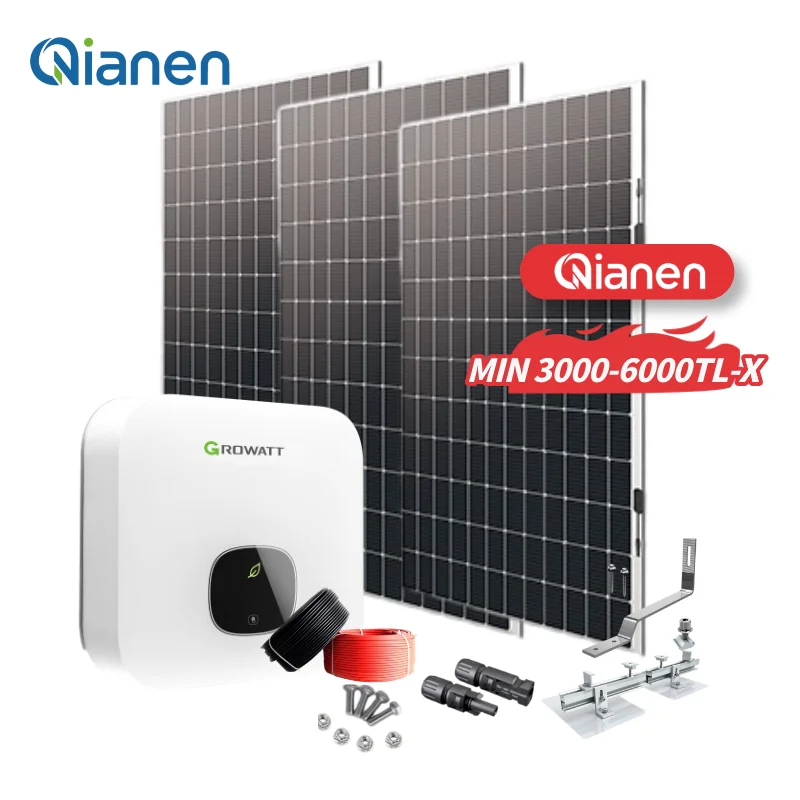
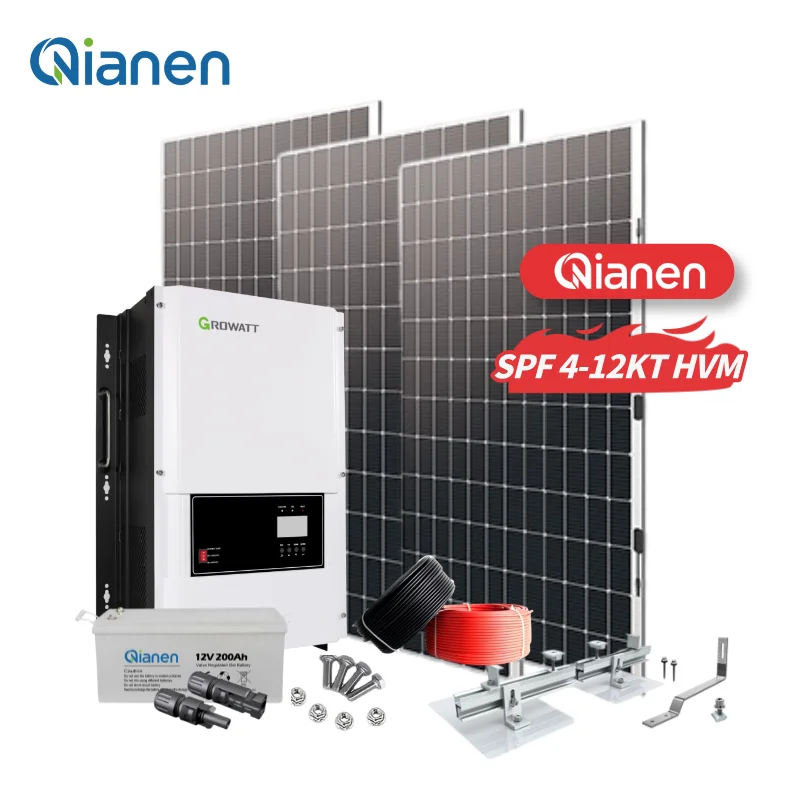
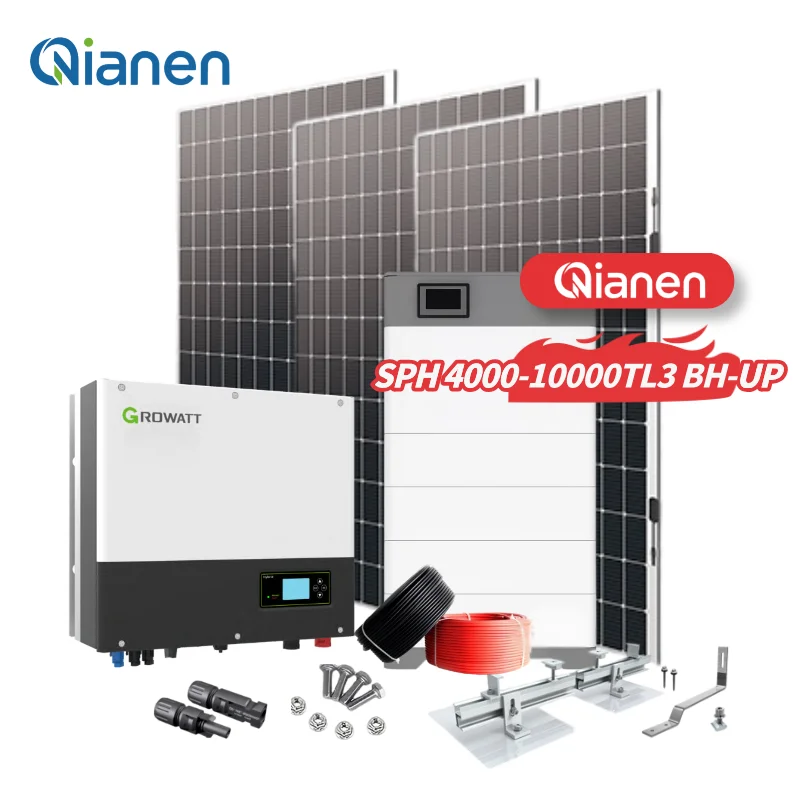
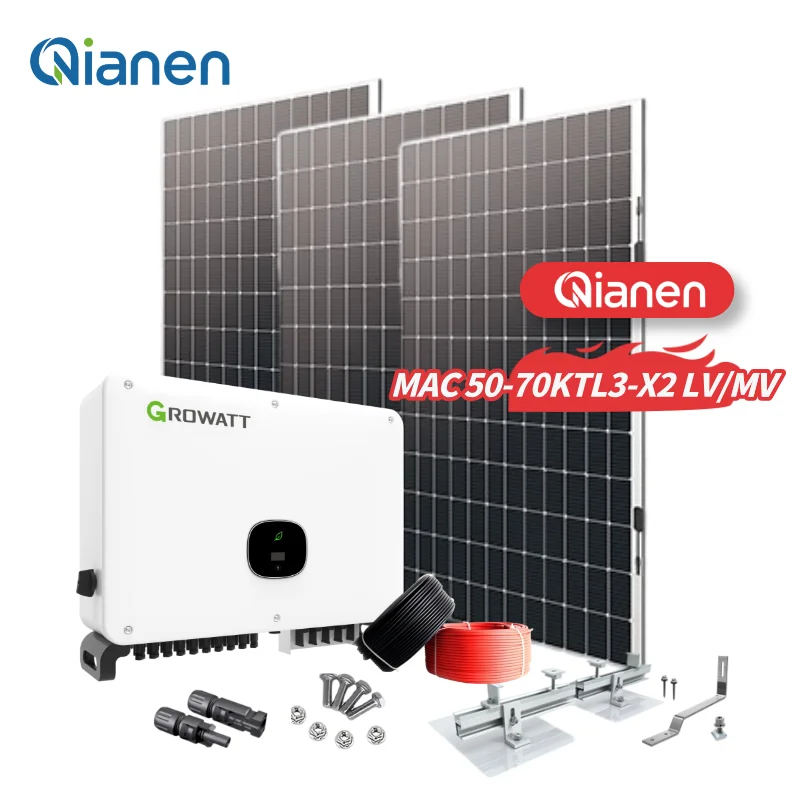
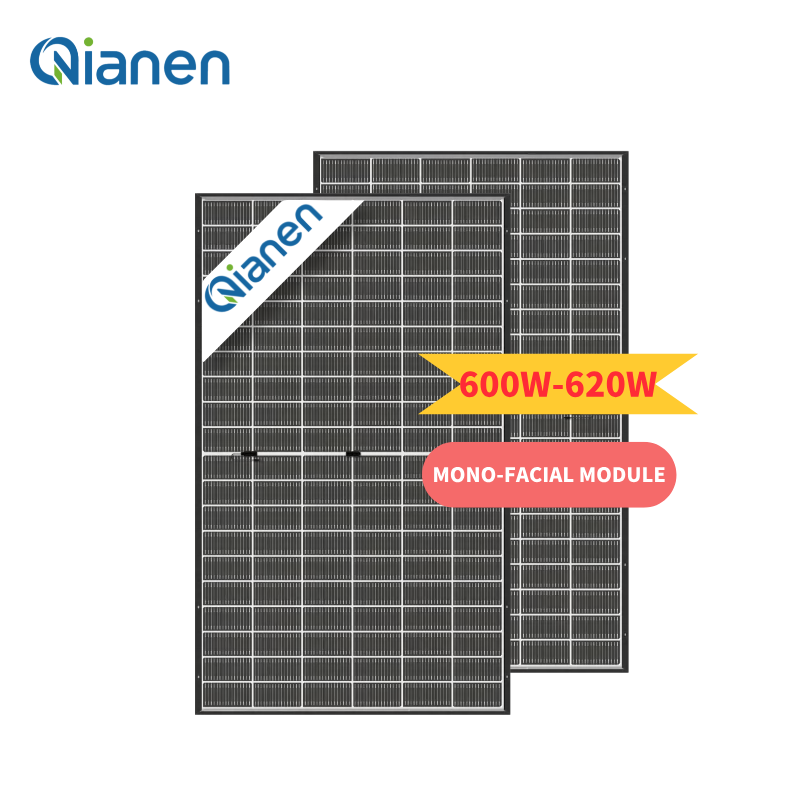
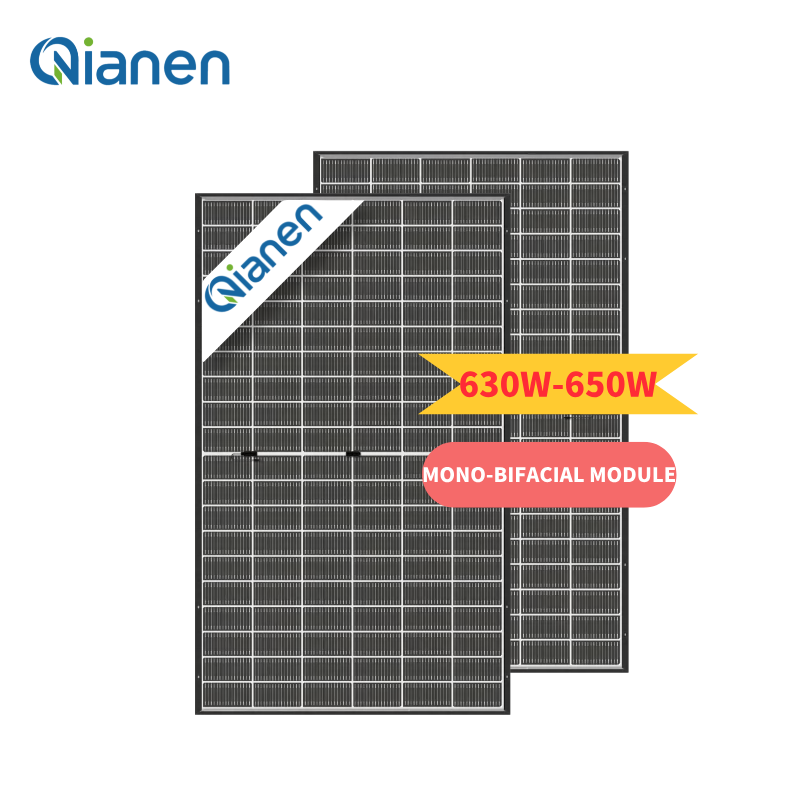
Home solar panel prices have become increasingly competitive in recent years, making sustainable energy more accessible to homeowners worldwide. The current market offers a range of options, with typical residential solar panel systems costing between $15,000 and $25,000 before incentives. These systems typically include high-efficiency photovoltaic panels, inverters, mounting hardware, and monitoring systems. Modern solar panels utilize advanced silicon technology, achieving conversion efficiencies of 15-22%, significantly higher than earlier generations. The price per watt has steadily decreased, now averaging $2.50 to $3.50, depending on location and system size. Installation costs comprise approximately 35% of the total price, while equipment accounts for the remainder. Most residential systems range from 5kW to 10kW in capacity, suitable for average household energy needs. The lifespan of these systems typically extends to 25-30 years, with manufacturers offering warranties that guarantee at least 80% efficiency after 25 years. Various financing options, including solar loans, leases, and power purchase agreements, make these systems more affordable for homeowners. Additionally, federal tax incentives, state rebates, and local utility programs can reduce the initial investment by 26-50%, significantly improving the return on investment.

Popular Products

The pricing structure of home solar panels offers numerous compelling advantages for homeowners considering the transition to renewable energy. First, the decreasing cost trend makes solar power increasingly accessible, with system prices having fallen by over 60% in the past decade. Modern financing options require minimal upfront investment, allowing homeowners to start saving on energy bills immediately. The current federal tax credit covers 30% of the system cost, while state and local incentives can provide additional savings. Monthly energy bills typically decrease by 50-90%, depending on system size and local electricity rates. The long-term financial benefits are substantial, with most systems paying for themselves within 5-8 years. Property values typically increase by 4-6% with solar installation, providing additional return on investment. Fixed energy costs protect against future utility rate increases, which historically rise 2-3% annually. Net metering programs allow homeowners to earn credits for excess energy production, further reducing costs. The modular nature of solar systems enables easy expansion as energy needs grow. Performance warranties ensure reliable operation and maintain system value. Maintenance costs are minimal, typically requiring only occasional cleaning and inspection. The transparent pricing structure allows for accurate long-term financial planning, while various monitoring systems provide real-time insight into energy production and savings.

Practical Tips

How Does a Solar System for Household Save Energy and Money?

19

Sep

How Does a Solar System for Household Save Energy and Money?

The Transformative Power of Residential Solar Energy Homeowners across the globe are increasingly turning to residential solar power as a sustainable and cost-effective energy solution. A solar system for household use represents more than just an en...
View More
Why Choose a Solar System for Household in Modern Living?

19

Sep

Why Choose a Solar System for Household in Modern Living?

The Evolution of Home Energy Solutions in Contemporary Living The landscape of residential energy consumption has undergone a remarkable transformation in recent years. As homeowners increasingly seek sustainable alternatives to traditional power sou...
View More
Can a Solar System for Household Power All Home Appliances?

19

Sep

Can a Solar System for Household Power All Home Appliances?

Understanding Modern Home Solar Power Solutions The evolution of residential solar technology has transformed how we think about powering our homes. A solar system for household use has become increasingly sophisticated, offering homeowners the poten...
View More
How to Select the Best Solar System for Household Efficiency?

19

Sep

How to Select the Best Solar System for Household Efficiency?

Understanding Modern Home Solar Solutions The transition to renewable energy has made solar system installation a pivotal decision for homeowners seeking energy independence and reduced utility costs. As technology advances and environmental awarenes...
View More

Get a Free Quote

Our representative will contact you soon.
Email
Name
Company Name
Message
0/1000

home solar panel price

Cost-Effective Investment Structure

Cost-Effective Investment Structure

The pricing structure of home solar panels represents a strategic long-term investment opportunity. Initial costs are offset by substantial government incentives, including the 30% federal tax credit and various state-specific programs. The average system cost of $15,000-$25,000 translates to monthly savings that accumulate significantly over time. Most homeowners see complete return on investment within 5-8 years, followed by decades of essentially free electricity production. The current market offers flexible financing options, including zero-down loans and lease agreements, making solar accessible to a broader range of households. Many installers provide performance guarantees and production warranties, ensuring consistent energy generation and financial returns.
Advanced Technology Pricing Benefits

Advanced Technology Pricing Benefits

Modern solar panel pricing reflects significant technological advancements in photovoltaic technology. Today's panels offer higher efficiency rates at lower costs, with prices per watt continuing to decrease. The improved manufacturing processes and economies of scale have led to better quality products at more competitive prices. These technological improvements result in greater energy production per square foot, requiring fewer panels to meet household needs. The integration of smart monitoring systems, included in current pricing structures, allows homeowners to optimize their energy usage and maximize returns. Advanced inverter technology, now standard in most installations, ensures optimal power conversion and system performance.
Long-Term Value Proposition

Long-Term Value Proposition

The pricing model of home solar panels delivers exceptional long-term value. Systems typically last 25-30 years, with manufacturers guaranteeing at least 80% efficiency after 25 years. This longevity, combined with minimal maintenance requirements, ensures sustained energy production and savings. The addition of solar panels typically increases property values by 4-6%, providing immediate equity benefits. Protection against rising utility rates offers significant long-term savings, as electricity costs historically increase annually. The environmental benefits, while not directly financial, contribute to reduced carbon footprints and increased property attractiveness to future buyers. The combination of these factors makes the current pricing structure highly advantageous for long-term homeownership.

Get a Free Quote

Our representative will contact you soon.
Email
Name
Company Name
Message
0/1000