largescale energy storage systems
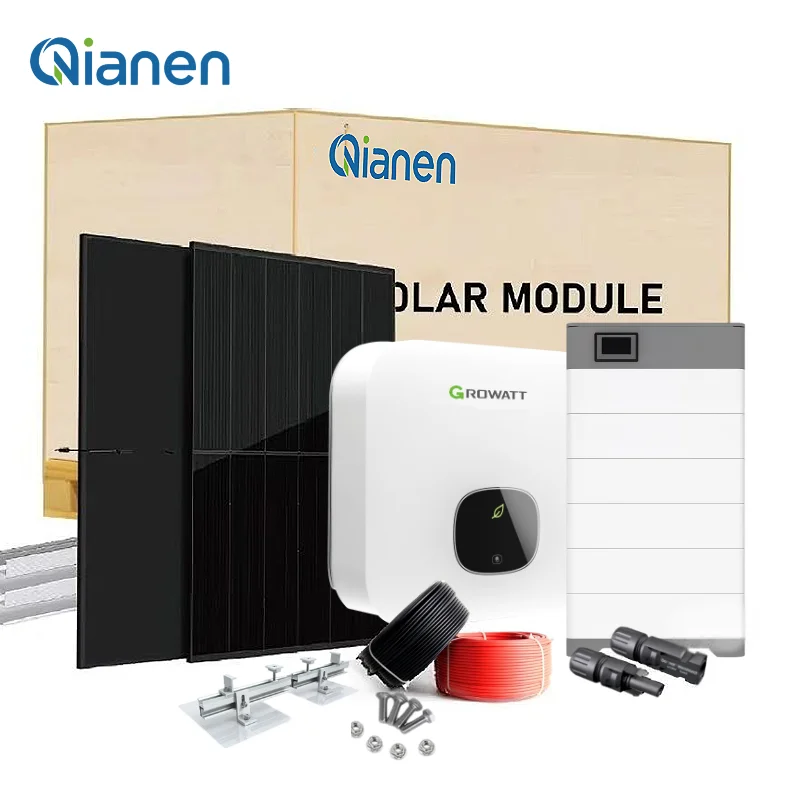
Large-scale energy storage systems represent a crucial technological advancement in modern power management, serving as the backbone of sustainable energy infrastructure. These sophisticated systems are designed to capture and store substantial amounts of energy for later use, effectively addressing the intermittent nature of renewable energy sources. The primary function of these systems is to maintain grid stability by balancing power supply and demand, particularly during peak usage periods or when renewable sources experience output fluctuations. The technology encompasses various storage methods, including advanced battery systems, pumped hydroelectric storage, compressed air energy storage, and thermal storage solutions. These systems can store energy in multiple forms, from electrical to mechanical and thermal energy, offering flexibility in implementation and usage. In practical applications, large-scale energy storage systems serve multiple purposes, including grid stabilization, renewable energy integration, emergency backup power, and peak load management. They enable utilities to optimize their power distribution networks, reduce operational costs, and enhance grid reliability. The systems are particularly valuable in remote locations or areas with unstable power supply, providing consistent and reliable energy access. Modern large-scale storage solutions incorporate sophisticated monitoring and control systems, ensuring optimal performance and efficient energy management while maintaining safety and reliability standards.
 EN
EN