EN
EN

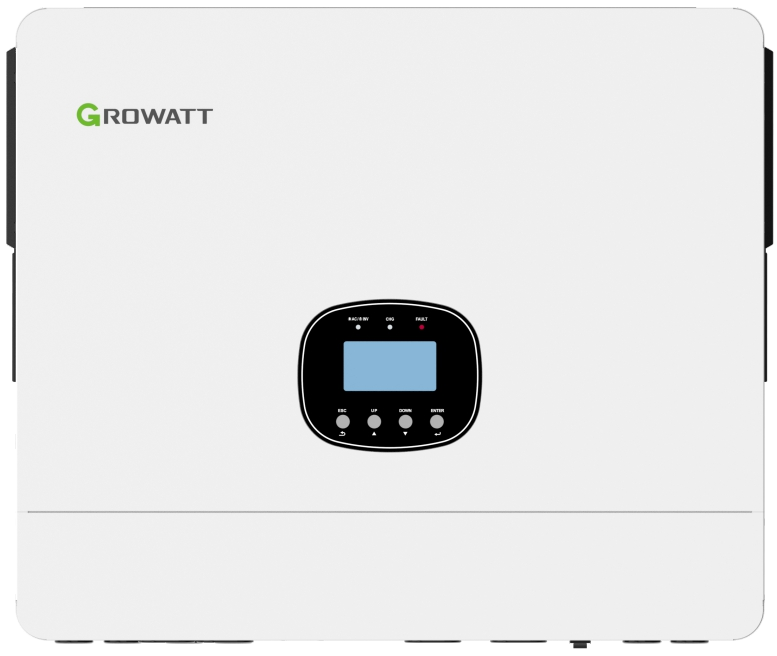
An off grid inverter represents a fundamental component in standalone power systems that operate independently from utility electrical networks. These specialized devices convert direct current electricity generated by renewable sources like solar panels or stored in batteries into alternating current power suitable for household appliances and electronic devices. Understanding what defines an off grid inverter and its operational mechanics becomes essential for anyone considering energy independence or planning remote power installations where traditional grid connections remain unavailable or impractical.
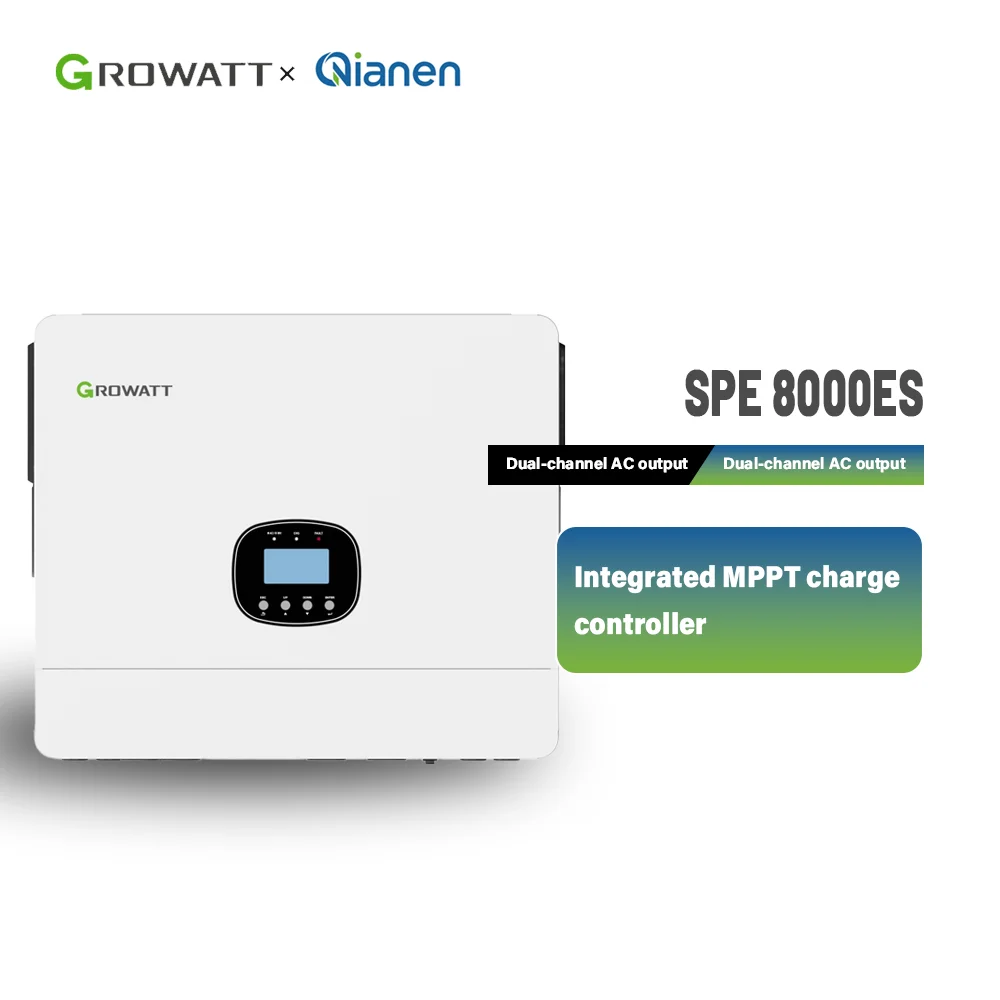
The efficiency characteristics of an off grid inverter directly impact the overall performance and cost-effectiveness of autonomous power systems. Modern off grid inverter technology incorporates advanced power conversion algorithms, intelligent charging protocols, and sophisticated monitoring capabilities that maximize energy utilization while minimizing losses throughout the conversion process. These efficiency gains translate into longer battery life, reduced fuel consumption for backup generators, and improved reliability for critical loads in residential, commercial, and industrial off-grid applications.
Understanding Off Grid Inverter Technology and Core Components
Power Conversion Architecture in Off Grid Inverters
The heart of any off grid inverter lies in its power conversion circuitry, which transforms low-voltage DC electricity into standard AC power through a series of sophisticated electronic processes. Modern off grid inverter designs utilize high-frequency switching technology combined with advanced pulse width modulation techniques to achieve precise voltage and frequency control. This conversion process begins with DC voltage regulation, where input power from batteries or solar panels gets conditioned to optimal levels for the subsequent inversion stages.
Advanced off grid inverter models incorporate transformer-based or transformerless topologies depending on application requirements and efficiency targets. Transformer-based designs provide excellent electrical isolation and robust surge protection capabilities, making them ideal for demanding industrial environments. Transformerless off grid inverter configurations offer higher efficiency ratings and reduced weight, particularly beneficial in residential installations where space and mounting considerations play important roles in system design decisions.
The switching components within an off grid inverter operate at frequencies ranging from 20 kHz to 100 kHz, enabling precise control over output waveform quality while minimizing electromagnetic interference. These high-frequency switching circuits work in conjunction with sophisticated filter networks to produce clean sinusoidal AC output that meets or exceeds utility-grade power quality standards, ensuring compatibility with sensitive electronic equipment and motor-driven appliances.
Battery Management Integration and Charging Systems
A distinguishing feature of off grid inverter technology involves integrated battery management systems that optimize energy storage performance while protecting expensive battery banks from damage due to overcharging, deep discharge, or thermal stress. These management systems continuously monitor battery voltage, current flow, temperature, and state of charge to implement appropriate charging algorithms tailored to specific battery chemistries including lead-acid, lithium-ion, and advanced gel or AGM configurations.
The charging functionality within an off grid inverter typically supports multiple input sources including solar photovoltaic arrays, wind turbines, hydroelectric generators, and conventional fuel-powered generators. Smart charging algorithms automatically prioritize renewable energy sources while seamlessly transitioning to backup power when primary generation becomes insufficient to meet load demands or maintain adequate battery charge levels.
Advanced off grid inverter models feature programmable charging parameters that allow users to customize charging profiles based on seasonal variations, load patterns, and battery aging characteristics. These customizable settings help extend battery life while ensuring reliable power availability during extended periods of limited renewable energy generation, particularly important in applications where maintenance access remains challenging or expensive.
Operational Principles and Efficiency Mechanisms
Maximum Power Point Tracking and Solar Integration
Modern off grid inverter systems incorporate sophisticated maximum power point tracking algorithms that continuously optimize power extraction from connected solar photovoltaic arrays under varying environmental conditions. These MPPT controllers analyze the voltage-current characteristics of solar panels in real-time, automatically adjusting operating points to capture maximum available power regardless of changes in solar irradiance, temperature, or partial shading conditions that commonly affect solar installations.
The MPPT functionality within an off grid inverter typically achieves tracking efficiencies exceeding 98%, representing significant improvements over traditional charge controllers that operate at fixed voltage setpoints. This enhanced efficiency translates directly into increased daily energy harvest, reduced battery cycling stress, and improved overall system performance particularly during marginal solar conditions when every available watt becomes crucial for maintaining energy balance.
Advanced off grid inverter designs support multiple independent MPPT channels, enabling optimization of solar arrays with different orientations, tilt angles, or panel specifications within a single system. This flexibility proves particularly valuable in complex installations where roof geometry, shading patterns, or expansion requirements necessitate non-uniform solar array configurations that would otherwise suffer significant performance penalties with conventional single-channel tracking systems.
Load Management and Power Quality Control
Efficient off grid inverter operation depends heavily on sophisticated load management capabilities that balance power generation, energy storage, and consumption patterns to maintain stable system operation while maximizing energy utilization. These management systems continuously monitor load characteristics, prioritizing critical loads during periods of limited power availability while implementing controlled load shedding protocols to prevent battery over-discharge or system instability.
The power quality control features within modern off grid inverter designs ensure output voltage and frequency stability within tight tolerances regardless of load variations or input power fluctuations. Advanced regulation algorithms compensate for reactive loads, motor starting currents, and other challenging electrical characteristics that can disrupt power quality in conventional generator-based systems, providing utility-grade power suitable for sensitive electronic equipment and precision machinery.
Smart off grid inverter models incorporate adaptive power management features that learn from historical usage patterns to predict future load requirements and optimize charging schedules accordingly. This predictive capability helps minimize generator runtime, reduce fuel consumption, and extend battery life by avoiding unnecessary cycling while ensuring adequate reserve capacity remains available for unexpected load increases or extended periods of poor renewable energy generation.
System Configuration and Installation Considerations
Sizing and Capacity Planning for Off Grid Applications
Proper sizing of an off grid inverter requires careful analysis of peak load requirements, continuous power demands, and surge handling capabilities to ensure reliable operation across all anticipated operating conditions. Peak load calculations must account for simultaneous operation of multiple appliances, motor starting currents, and transformer inrush currents that can temporarily exceed steady-state power requirements by factors of three to ten times normal operating levels.
The continuous power rating of an off grid inverter should typically exceed average load requirements by 20-30% to provide adequate margin for system losses, aging effects, and unexpected load additions while maintaining efficiency within optimal operating ranges. Oversized off grid inverter installations often operate at reduced efficiency due to light loading conditions, while undersized units may experience premature failure due to chronic overloading or inability to handle normal surge requirements.
Surge capacity specifications for off grid inverter systems vary significantly between manufacturers and model families, with some units providing 200% rated power for several seconds while others offer 300-400% surge capability for shorter durations. Understanding these surge characteristics becomes critical when selecting an off grid inverter for applications involving motor-driven equipment, welding machinery, or other high-inrush loads that require substantial short-term power delivery capability.
Environmental Factors and Thermal Management
Environmental conditions significantly impact off grid inverter efficiency and reliability, with temperature, humidity, altitude, and air quality all playing important roles in system performance and longevity. High ambient temperatures force off grid inverter units to operate at reduced power levels to prevent overheating, while extremely cold conditions can affect battery performance and electronic component reliability, particularly in outdoor installations without temperature control.
Effective thermal management in off grid inverter designs incorporates forced air cooling, heat sinks, and thermal shutdown protection to maintain optimal operating temperatures under varying load and environmental conditions. Advanced units feature temperature-compensated charging algorithms that adjust battery charging parameters based on ambient and battery temperatures to optimize charging efficiency while preventing thermal damage to expensive battery investments.
Installation location selection for off grid inverter systems should prioritize adequate ventilation, protection from moisture and corrosive atmospheres, and accessibility for maintenance while maintaining reasonable cable run lengths to minimize voltage drop and installation costs. Indoor installations typically provide better environmental control but require adequate ventilation to dissipate heat, while outdoor enclosures must provide appropriate protection levels while maintaining thermal management effectiveness.
Performance Optimization and Efficiency Enhancement
Energy Conversion Efficiency and Loss Minimization
The conversion efficiency of modern off grid inverter systems typically ranges from 92% to 98% depending on load conditions, operating voltage levels, and specific design implementations. Peak efficiency occurs at moderate load levels, usually between 30% and 70% of rated capacity, while efficiency decreases at very light loads due to fixed losses in control circuits and auxiliary systems, and at heavy loads due to increased switching and conduction losses in power semiconductors.
High-efficiency off grid inverter designs incorporate advanced switching techniques such as zero-voltage switching and synchronous rectification to minimize power losses during the conversion process. These technologies, combined with optimized magnetic component designs and high-quality power semiconductors, enable leading off grid inverter models to maintain efficiency levels above 95% across wide load ranges, translating into significant energy savings and extended battery runtime in practical applications.
Standby power consumption represents another critical efficiency factor in off grid inverter systems, as these units must remain operational 24 hours per day to provide immediate response to load demands. Advanced off grid inverter designs feature sophisticated power management modes that reduce standby consumption to as little as 10-20 watts while maintaining rapid response capabilities, minimizing parasitic losses that can significantly impact overall system efficiency in low-load applications.
Monitoring and Diagnostic Capabilities
Contemporary off grid inverter systems incorporate comprehensive monitoring and diagnostic capabilities that enable users to track system performance, identify potential issues, and optimize operational parameters for maximum efficiency. These monitoring systems typically provide real-time data on power flow, battery status, solar generation, load consumption, and system alarms through integrated displays, smartphone applications, or web-based interfaces accessible from remote locations.
Advanced diagnostic features within modern off grid inverter designs include automatic fault detection, predictive maintenance alerts, and performance trend analysis that help identify degrading components before they cause system failures. These capabilities prove particularly valuable in remote installations where service access may be limited or expensive, enabling proactive maintenance scheduling and reducing unexpected downtime costs.
Data logging functionality in sophisticated off grid inverter systems captures detailed operational information that enables performance optimization, warranty claim support, and system expansion planning. Historical data analysis helps identify usage patterns, seasonal variations, and system inefficiencies that may not be apparent through casual observation, enabling informed decisions about system modifications or operational adjustments to improve overall performance.
FAQ
What is the main difference between an off grid inverter and a regular grid-tie inverter?
An off grid inverter operates independently from the utility grid and includes battery charging capabilities, backup power management, and standalone operation features, while grid-tie inverters require grid connection and shut down during power outages. Off grid inverter systems must handle all load requirements internally, including voltage and frequency regulation, whereas grid-tie units synchronize with existing utility power and cannot operate without grid reference signals.
How long do off grid inverter systems typically last with proper maintenance?
Quality off grid inverter units typically provide 10-15 years of reliable service with proper maintenance, though actual lifespan depends on operating conditions, load patterns, and environmental factors. Regular maintenance including cooling system cleaning, connection tightening, and software updates can extend operational life, while extreme temperatures, frequent overloading, or inadequate ventilation may reduce service life significantly.
Can an off grid inverter power sensitive electronics like computers and medical equipment?
Modern off grid inverter systems with pure sine wave output can safely power sensitive electronics, medical devices, and precision equipment that require clean power quality. However, users should verify that the specific off grid inverter model produces total harmonic distortion levels below 3% and maintains voltage regulation within ±5% to ensure compatibility with sensitive loads and prevent equipment damage or malfunction.
What size off grid inverter do I need for a typical household installation?
Household off grid inverter sizing depends on peak load requirements and appliance types, with typical residential systems ranging from 3000 watts for basic needs to 10000 watts or more for full-service homes with electric heating, air conditioning, and workshop equipment. Proper sizing requires analyzing all connected loads, considering simultaneous usage patterns, and accounting for motor starting currents and other surge requirements that may exceed normal operating power by significant margins.
Table of Contents
- Understanding Off Grid Inverter Technology and Core Components
- Operational Principles and Efficiency Mechanisms
- System Configuration and Installation Considerations
- Performance Optimization and Efficiency Enhancement
-
FAQ
- What is the main difference between an off grid inverter and a regular grid-tie inverter?
- How long do off grid inverter systems typically last with proper maintenance?
- Can an off grid inverter power sensitive electronics like computers and medical equipment?
- What size off grid inverter do I need for a typical household installation?