EN
EN

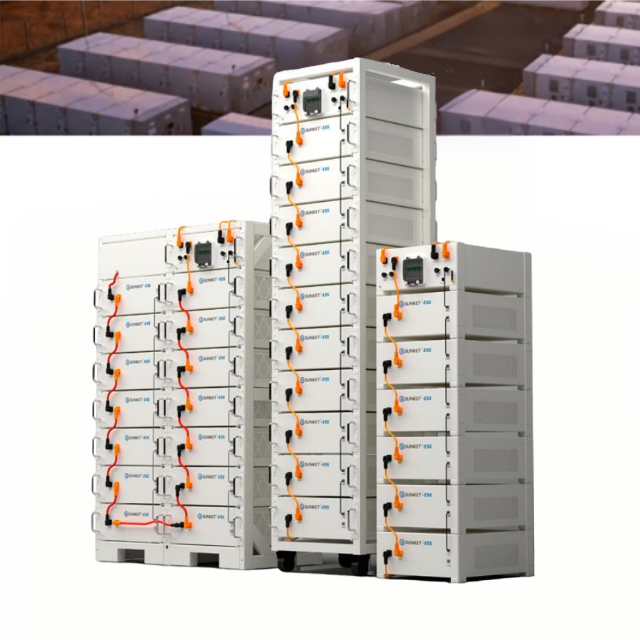
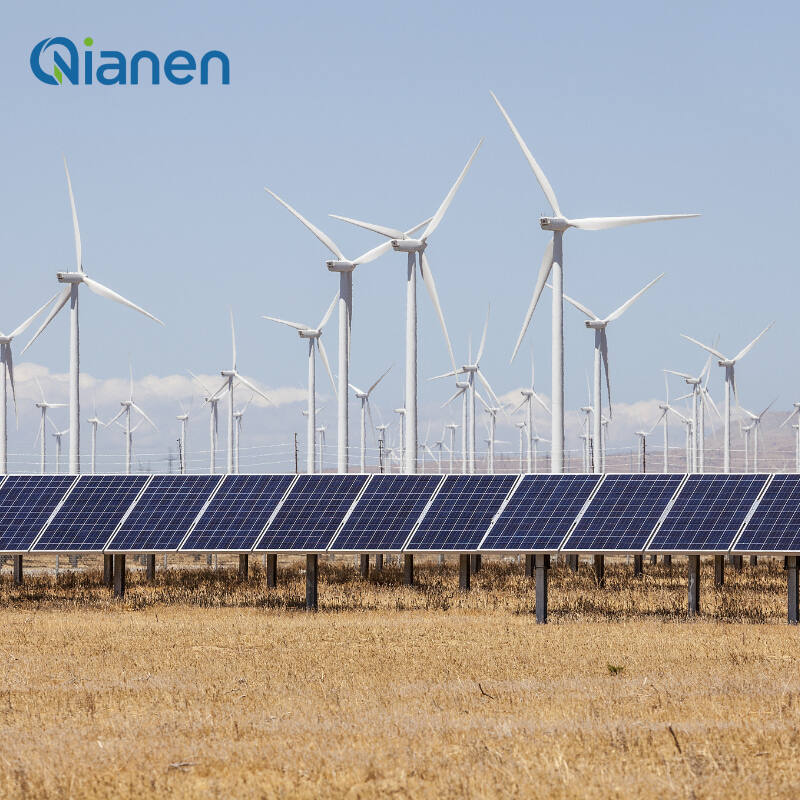
Modern solar energy products have evolved significantly from their early predecessors, incorporating advanced technologies and sophisticated features that enhance efficiency, reliability, and user experience. Understanding the key characteristics that define today's solar energy products is essential for anyone considering renewable energy solutions for residential, commercial, or industrial applications. These products encompass a comprehensive ecosystem of components working together to harness, convert, and distribute solar power effectively.
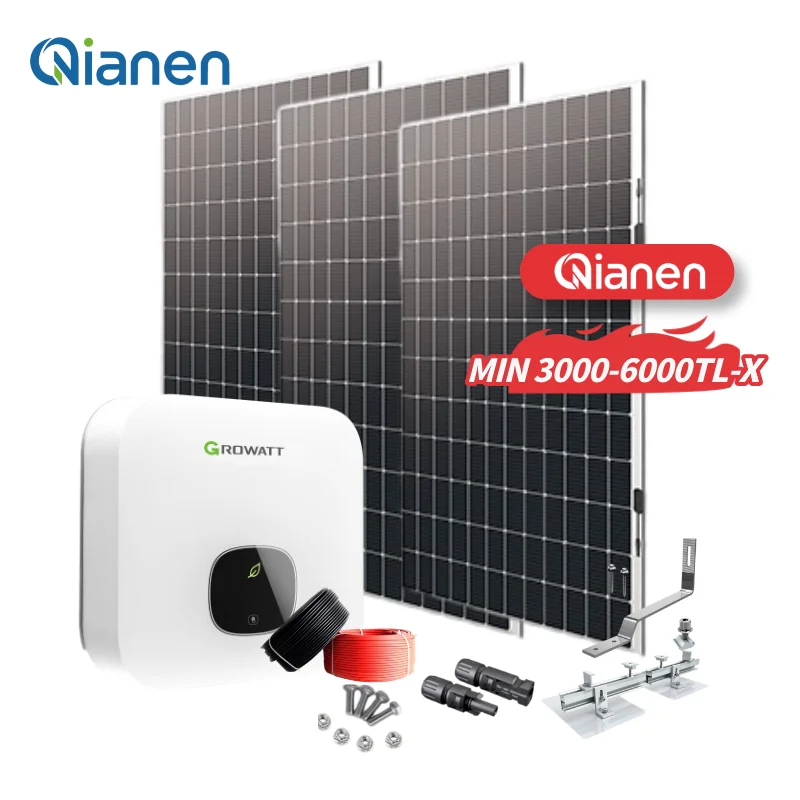
The landscape of solar energy products today represents a convergence of materials science, power electronics, and intelligent control systems. From high-efficiency photovoltaic panels to sophisticated power management systems, modern solar energy products are designed to maximize energy harvest while minimizing maintenance requirements and operational complexity. These advancements have made solar technology more accessible and economically viable across diverse market segments and geographic regions.
Advanced Photovoltaic Technology Integration
Monocrystalline Silicon Cell Architecture
Contemporary solar energy products predominantly feature monocrystalline silicon cells, which represent the pinnacle of photovoltaic efficiency in commercial applications. These cells are manufactured from single-crystal silicon wafers, creating a uniform crystal lattice structure that minimizes electron recombination losses and maximizes power conversion efficiency. The monocrystalline technology typically achieves efficiency ratings between 20% and 22% in standard test conditions, significantly outperforming older polycrystalline alternatives.
The manufacturing process for monocrystalline cells involves precise temperature control and ultra-pure silicon feedstock, resulting in cells with distinctive dark blue or black appearance. This aesthetic quality makes modern solar energy products more visually appealing for residential installations where appearance considerations influence adoption decisions.
Anti-Reflective Coating Systems
Modern solar energy products incorporate advanced anti-reflective coatings that reduce surface reflection losses and improve light absorption across a broader spectrum of wavelengths. These nano-structured coatings typically reduce reflection from approximately 8% to less than 2%, directly translating to increased energy yield. The coating systems also provide additional benefits including improved dirt resistance and easier cleaning maintenance.
The multi-layer coating technology used in contemporary solar energy products often includes silicon nitride or titanium oxide layers applied through plasma-enhanced chemical vapor deposition processes. These coatings are engineered to maintain their optical properties throughout the product's 25-year warranty period while withstanding environmental stresses including ultraviolet exposure, thermal cycling, and moisture infiltration.
Intelligent Power Management and MPPT Technology
Maximum Power Point Tracking Optimization
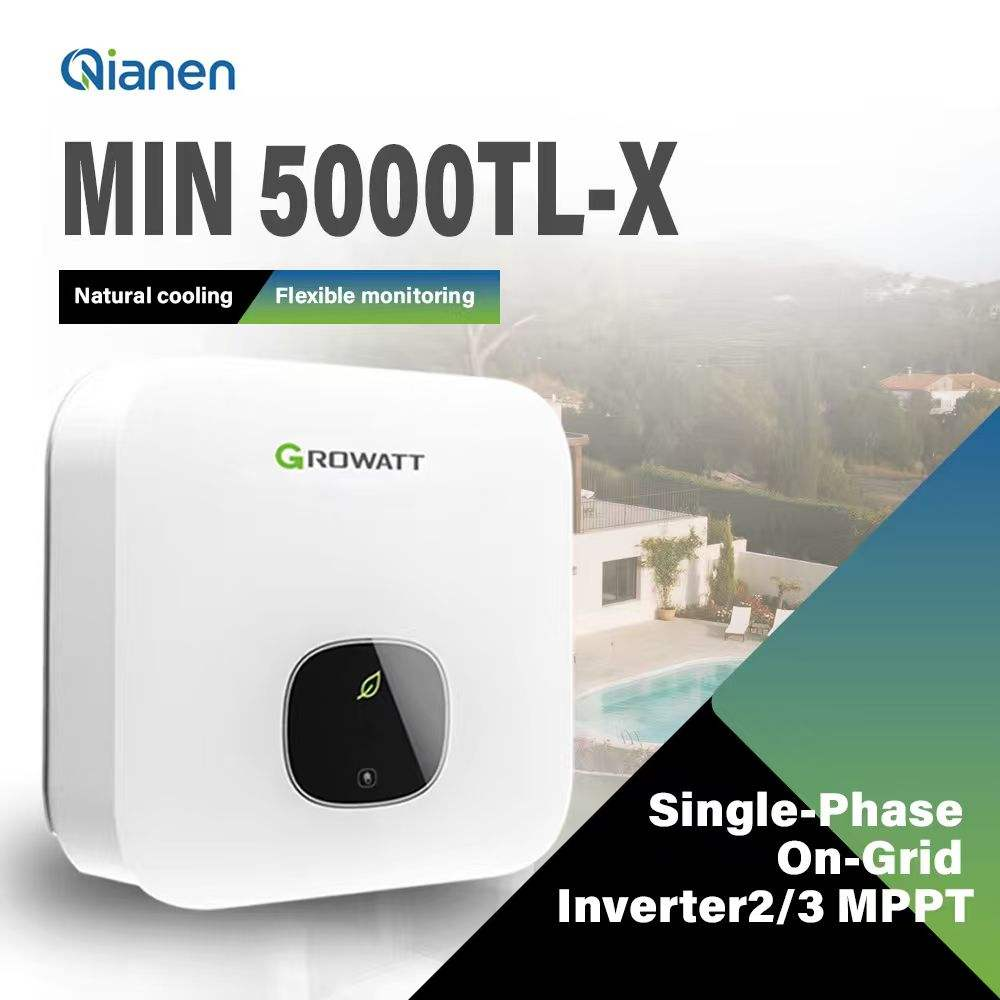
A defining characteristic of modern solar energy products is the integration of sophisticated Maximum Power Point Tracking (MPPT) technology within inverter systems. MPPT algorithms continuously monitor and adjust the electrical loading on solar panels to extract maximum available power under varying environmental conditions. This technology typically improves energy harvest by 15% to 25% compared to systems without MPPT capability.
Contemporary MPPT implementations in solar energy products utilize high-frequency switching converters combined with advanced microprocessor control systems. These systems can track the optimal operating point with update rates exceeding 100 Hz, ensuring rapid response to changing irradiance and temperature conditions. The MPPT efficiency in quality solar energy products typically exceeds 98%, minimizing conversion losses during power optimization.
Multi-String Input Capability
Modern solar energy products often feature multiple independent MPPT inputs, allowing optimization of solar arrays with different orientations, tilt angles, or shading patterns. This architecture enables system designers to maximize energy production from complex roof configurations or ground-mounted installations with varying environmental conditions throughout the day.
The multi-string capability in advanced solar energy products includes independent monitoring and fault detection for each input circuit. This granular monitoring enables precise performance analysis and rapid identification of potential issues affecting individual strings or panels within larger arrays. The isolation between strings also prevents cascading failures that could impact overall system performance.
Enhanced Safety and Protection Systems
Arc Fault Detection and Interruption
Contemporary solar energy products incorporate sophisticated arc fault circuit interrupter (AFCI) technology designed to detect and interrupt dangerous electrical arcs that could potentially cause fires. These systems monitor high-frequency electrical signatures characteristic of series or parallel arc faults and can distinguish between normal switching events and hazardous arc conditions.
The AFCI functionality in modern solar energy products meets stringent safety standards including UL 1699B certification requirements. These protection systems can detect arc faults within milliseconds and automatically shut down the affected circuit while maintaining operation of unaffected portions of the solar installation. This selective protection approach minimizes system downtime while ensuring personnel and property safety.
Ground Fault Protection Integration
Advanced solar energy products include integrated ground fault detection and interruption systems that monitor for current leakage between the photovoltaic circuit and ground potential. These systems provide both equipment protection and personnel safety by detecting insulation failures that could create shock hazards or equipment damage.
The ground fault protection in quality solar energy products operates independently of the main power conversion circuits, ensuring continued monitoring even during system maintenance or partial shutdown conditions. Modern implementations can detect ground faults as low as 5 milliamps while avoiding nuisance tripping from normal leakage currents associated with capacitive coupling in large photovoltaic arrays.
Smart Monitoring and Communication Capabilities
Real-Time Performance Analytics
Modern solar energy products feature comprehensive monitoring systems that provide real-time visibility into system performance, energy production, and operational status. These monitoring capabilities typically include web-based dashboards accessible through internet connectivity, enabling remote system oversight and performance optimization without on-site visits.
The data acquisition systems in contemporary solar energy products monitor multiple parameters including instantaneous power output, cumulative energy production, system efficiency, and environmental conditions. This information enables predictive maintenance scheduling and performance optimization strategies that maximize return on investment throughout the system's operational lifetime.
Wireless Communication Integration
Current generation solar energy products often incorporate wireless communication capabilities including WiFi, cellular, or proprietary radio frequency protocols for data transmission and remote control functionality. These communication systems enable integration with home automation systems, utility demand response programs, and cloud-based analytics platforms.
The wireless connectivity in advanced solar energy products supports over-the-air firmware updates, ensuring systems can receive performance improvements and new features throughout their operational lifetime. This connectivity also enables rapid technical support and troubleshooting through remote diagnostic capabilities, reducing service costs and system downtime.
Environmental Resilience and Durability Features
Weather Resistance Certification
Contemporary solar energy products undergo rigorous environmental testing to ensure reliable operation under extreme weather conditions including high winds, hail impact, and temperature cycling. These products typically carry certifications for wind loads exceeding 2400 Pascal and hail impact resistance for 25mm diameter hailstones at 23 meters per second impact velocity.
The encapsulation materials used in modern solar energy products include advanced ethylene vinyl acetate (EVA) or polyolefin elastomer (POE) films that maintain optical clarity and adhesion properties throughout extended ultraviolet exposure and thermal cycling. These materials are specifically formulated to prevent delamination, yellowing, or moisture ingress that could degrade performance over time.
Corrosion Resistant Frame Systems
Quality solar energy products utilize anodized aluminum framing systems with enhanced corrosion resistance suitable for marine environments and industrial atmospheres with elevated salt or chemical exposure. The frame systems incorporate precision-engineered drainage channels and gasket systems that prevent moisture accumulation while maintaining structural integrity.
The mechanical mounting systems in professional-grade solar energy products are designed for thermal expansion compatibility, ensuring maintained structural integrity despite daily temperature variations that can exceed 60 degrees Celsius between night and peak sun conditions. These systems typically include anti-seize compounds and galvanic isolation features to prevent electrolytic corrosion between dissimilar metals.
FAQ
What efficiency levels can be expected from modern solar energy products?
Modern solar energy products incorporating monocrystalline silicon technology typically achieve module efficiencies between 20% and 22% under standard test conditions. When combined with high-efficiency MPPT inverters exceeding 98% conversion efficiency, complete system efficiency often reaches 18% to 20% under real-world operating conditions. Premium products may achieve slightly higher efficiencies through advanced cell technologies and optimized system integration.
How do MPPT systems in solar energy products improve energy harvest?
MPPT technology in modern solar energy products continuously optimizes the electrical loading on photovoltaic panels to extract maximum available power regardless of varying environmental conditions. This optimization typically improves energy harvest by 15% to 25% compared to systems without MPPT capability by ensuring panels operate at their optimal voltage and current combination throughout changing sunlight and temperature conditions.
What safety certifications should quality solar energy products carry?
Professional-grade solar energy products should carry multiple safety certifications including UL 1703 for photovoltaic modules, UL 1741 for inverters, and UL 1699B for arc fault protection systems. International certifications such as IEC 61215 for module reliability and IEC 61730 for safety qualification are also essential indicators of product quality and compliance with global safety standards.
How long do modern solar energy products typically last?
Contemporary solar energy products are designed for operational lifetimes exceeding 25 years, with most manufacturers providing performance warranties guaranteeing at least 80% of rated output after 25 years of operation. Power electronics components such as inverters typically have shorter lifespans of 10 to 15 years but are designed for replacement without affecting the photovoltaic modules. Proper installation and maintenance can extend system life significantly beyond warranty periods.