EN
EN

The increasing demand for sustainable energy solutions has positioned solar energy products as a transformative technology that addresses both financial concerns and environmental responsibilities. Modern businesses and homeowners face rising electricity costs while simultaneously seeking ways to reduce their carbon footprint, making solar energy products an increasingly attractive investment option. Understanding the compelling reasons behind choosing solar technology requires examining the substantial cost savings, long-term energy benefits, and practical advantages that these systems deliver across various applications.
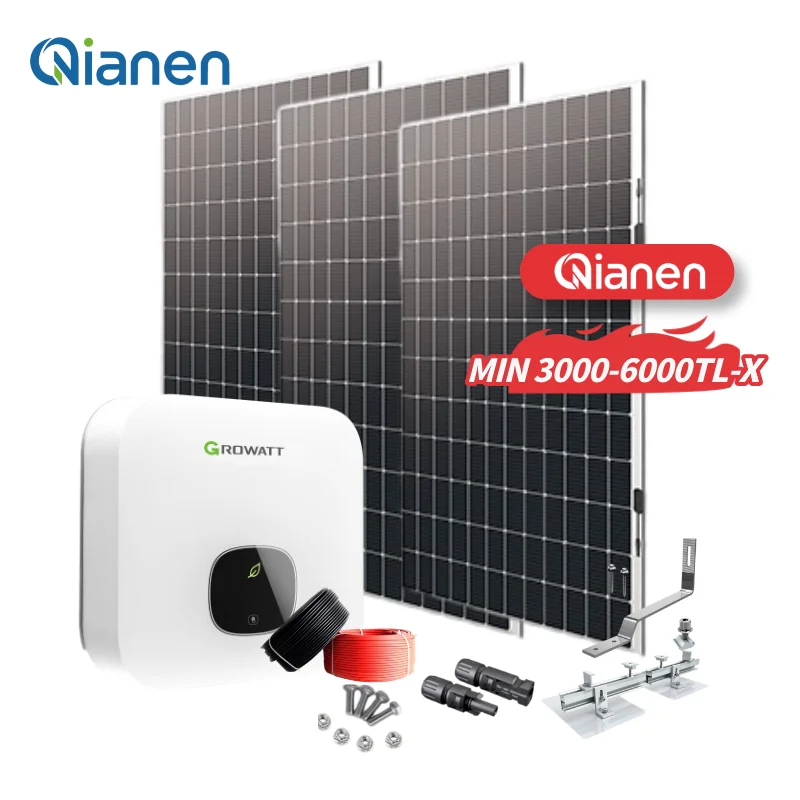
The financial and operational advantages of solar energy products extend far beyond simple electricity generation, encompassing reduced utility dependencies, enhanced property values, and significant return on investment potential. These systems represent a strategic approach to energy management that combines immediate cost reduction with long-term financial benefits. The comprehensive value proposition of solar energy products becomes evident when examining their impact on both operational expenses and overall energy security for residential and commercial applications.
Financial Benefits and Cost Reduction Advantages
Immediate Utility Bill Reductions
Solar energy products deliver immediate and measurable reductions in monthly electricity bills by generating clean power directly from sunlight. These systems offset traditional grid consumption, allowing users to reduce their reliance on utility-provided electricity during peak daylight hours when solar generation is highest. The magnitude of savings depends on system size, local solar irradiance, and energy consumption patterns, but most installations achieve 50-90% reduction in electricity costs within the first year of operation.
The predictable nature of solar energy production enables accurate forecasting of energy savings, providing users with reliable budget planning capabilities. Unlike volatile utility rates that fluctuate with market conditions and regulatory changes, solar energy products generate consistent power output based on weather patterns and seasonal variations. This stability allows businesses and homeowners to calculate precise return on investment timelines and plan long-term financial strategies around reduced energy expenses.
Modern solar energy products incorporate advanced monitoring systems that track energy production and consumption in real-time, enabling users to optimize their usage patterns for maximum savings. These intelligent systems provide detailed analytics on energy generation, grid interaction, and cost avoidance, helping users understand exactly how their investment translates into tangible financial benefits throughout different seasons and operating conditions.
Long-Term Investment Returns
The investment characteristics of solar energy products make them attractive financial assets that appreciate over time through continued energy production and rising utility rates. Most high-quality solar installations pay for themselves within 6-8 years through accumulated energy savings, after which they continue generating free electricity for an additional 15-20 years. This extended payback period creates substantial wealth accumulation potential that far exceeds traditional investment vehicles in terms of guaranteed returns.
Property value enhancement represents another significant financial benefit of solar energy products, with studies showing average home value increases of 3-5% following solar installation. This appreciation occurs because potential buyers recognize the ongoing energy savings and reduced utility dependency that solar systems provide. Commercial properties experience similar value increases, along with enhanced marketability to environmentally conscious tenants and buyers who prioritize sustainable operations.
Tax incentives and rebate programs further accelerate the financial returns from solar energy products by reducing initial investment costs and shortening payback periods. Federal tax credits, state incentives, and utility rebates can offset 30-50% of system costs, making solar installations immediately profitable in many markets. These financial incentives reflect government recognition of solar energy's economic and environmental benefits, creating additional motivation for early adoption.
Energy Independence and Security Benefits
Reduced Grid Dependency
Solar energy products provide substantial energy independence by generating power directly at the point of consumption, eliminating transmission losses and reducing reliance on centralized utility infrastructure. This localized generation capability becomes increasingly valuable as grid stability concerns grow and utility rates continue rising. Users can maintain essential operations during peak demand periods when grid electricity is most expensive, shifting their consumption to self-generated solar power instead.
The distributed nature of solar energy production creates resilience against regional power outages and grid disruptions that affect traditional electricity supply. When combined with battery storage systems, solar energy products can provide continuous power during emergencies, natural disasters, or planned utility maintenance. This energy security becomes particularly valuable for critical operations, medical equipment, and businesses that cannot afford power interruptions.
Peak demand management represents another crucial advantage of solar energy products, as these systems typically generate maximum power during afternoon hours when grid electricity costs are highest. By offsetting peak consumption with solar generation, users avoid time-of-use premium rates and reduce strain on the electrical grid. This demand management capability becomes increasingly important as utilities implement more sophisticated pricing structures that penalize peak consumption.
Predictable Energy Costs
Solar energy products provide remarkable cost predictability by fixing a significant portion of electricity expenses for 25+ years through guaranteed energy production. Unlike utility rates that fluctuate with fuel costs, regulatory changes, and market volatility, solar systems deliver consistent power output based on well-understood weather patterns and equipment performance characteristics. This predictability enables accurate long-term budgeting and financial planning for both residential and commercial users.
The hedge against future utility rate increases makes solar energy products particularly valuable in markets experiencing rapid electricity cost escalation. Historical data shows utility rates increasing 2-3% annually, while solar energy costs remain fixed after installation. This growing cost differential means solar investments become more valuable over time, providing increasing returns as traditional electricity becomes more expensive.
Performance warranties and production guarantees ensure that solar energy products deliver expected energy output throughout their operating lifetime. Most manufacturers provide 20-25 year performance warranties guaranteeing 80-90% of rated capacity, giving users confidence in long-term energy production and cost savings. These warranties transfer to new property owners, maintaining system value and investment protection even through ownership changes.
Environmental Impact and Sustainability Advantages
Carbon Footprint Reduction
The environmental benefits of solar energy products extend far beyond cost savings, delivering substantial carbon footprint reductions that support corporate sustainability goals and environmental responsibility commitments. A typical residential solar system eliminates 3-4 tons of carbon dioxide emissions annually, equivalent to planting 100+ trees or removing a car from the road for thousands of miles. Commercial installations achieve proportionally larger emission reductions, making solar energy products essential tools for meeting environmental targets.
The clean energy generation from solar energy products helps reduce dependence on fossil fuel power plants that produce harmful emissions and contribute to air quality problems. By generating electricity without combustion, water consumption, or toxic byproducts, solar systems provide truly clean power that supports public health and environmental protection. This environmental advantage becomes increasingly important as regulations tighten around carbon emissions and environmental impact reporting.
Life-cycle environmental assessments demonstrate that solar energy products offset their manufacturing environmental impact within 1-2 years of operation, after which they provide decades of net positive environmental benefit. Modern manufacturing processes have significantly reduced the energy and resources required to produce solar panels, while recycling programs ensure end-of-life components are properly processed and reused.
Corporate Social Responsibility
Businesses choosing solar energy products demonstrate tangible commitment to environmental stewardship and sustainable operations that resonates with customers, employees, and stakeholders. This visible environmental leadership enhances corporate reputation and brand value while supporting employee recruitment and retention efforts. Companies with solar installations often report improved public perception and stronger relationships with environmentally conscious customers and partners.
The measurable environmental benefits from solar energy products provide concrete data for sustainability reporting and corporate social responsibility communications. Organizations can quantify their carbon reduction achievements, renewable energy percentages, and environmental impact improvements with precise metrics that support marketing and stakeholder engagement efforts. This transparency builds trust and credibility around environmental commitments.
Solar energy products align with ESG (Environmental, Social, Governance) investment criteria that increasingly influence business valuations and access to capital. Companies demonstrating environmental leadership through renewable energy adoption often enjoy preferential treatment from lenders, investors, and insurance providers who recognize the long-term value of sustainable operations.
Technology Advantages and System Performance
Advanced Efficiency and Reliability
Modern solar energy products incorporate cutting-edge photovoltaic technology that achieves conversion efficiencies exceeding 20%, maximizing power generation from available roof space or land area. These high-efficiency systems reduce installation costs per watt while increasing total energy production, improving overall project economics and return on investment. Advanced cell designs and manufacturing techniques continue pushing efficiency boundaries while reducing production costs.
The proven reliability of contemporary solar energy products ensures consistent performance over decades of operation with minimal maintenance requirements. Quality systems experience degradation rates below 0.5% annually, maintaining over 85% of original capacity after 20 years of service. This exceptional durability stems from improved materials, manufacturing processes, and quality control standards that eliminate common failure modes and extend system lifetimes.
Intelligent monitoring and optimization features in modern solar energy products maximize energy production through real-time performance tracking and automatic system adjustments. Maximum Power Point Tracking (MPPT) technology ensures optimal energy harvest under varying weather conditions, while monitoring systems identify and alert users to performance issues before they impact energy production. These smart features reduce maintenance costs while maximizing investment returns.
Scalability and Integration Options
The modular design of solar energy products enables flexible sizing and future expansion to match changing energy needs and available space constraints. Users can start with smaller systems and add capacity over time as budgets allow or energy requirements increase. This scalability makes solar accessible to a wide range of applications while providing growth flexibility that adapts to changing circumstances.
Integration capabilities with energy storage, electric vehicle charging, and smart home systems create comprehensive energy management solutions that extend beyond basic electricity generation. Modern solar energy products can coordinate with battery storage to provide backup power, optimize time-of-use consumption, and enable complete grid independence when desired. These integration options multiply the value and utility of solar investments.
Compatibility with existing electrical systems and building infrastructure simplifies installation while maintaining safety and code compliance standards. Professional installation teams can integrate solar energy products with virtually any electrical configuration while ensuring proper grounding, disconnects, and monitoring capabilities. This compatibility eliminates barriers to adoption and ensures seamless operation with existing equipment.
FAQ
How quickly do solar energy products pay for themselves through energy savings?
Most solar energy products achieve payback periods of 6-8 years through accumulated electricity savings, depending on local utility rates, system size, and available incentives. After this payback period, the systems continue generating free electricity for an additional 15-20 years, creating substantial long-term financial returns that often exceed 10-15% annually on the initial investment.
Can solar energy products provide reliable power during utility outages?
Solar energy products equipped with battery storage systems can provide reliable backup power during utility outages, maintaining critical loads for hours or days depending on battery capacity and energy consumption. Grid-tied systems without storage automatically shut down during outages for safety reasons, but hybrid systems with storage maintain power independence during emergencies while still benefiting from grid connectivity during normal operations.
What maintenance requirements do solar energy products have over their lifetime?
Solar energy products require minimal maintenance over their 25+ year lifespan, typically limited to annual visual inspections, occasional cleaning, and inverter replacement after 10-15 years. The solid-state design of solar panels has no moving parts, eliminating mechanical wear and reducing maintenance needs. Most systems include monitoring capabilities that alert users to performance issues, enabling proactive maintenance that prevents minor problems from affecting energy production.
How do solar energy products perform in different weather conditions and climates?
Solar energy products operate effectively in diverse weather conditions and climates, with performance varying predictably based on solar irradiance levels and temperature. While maximum production occurs during sunny conditions, modern systems continue generating power during cloudy weather and can actually operate more efficiently in cool temperatures. Snow, rain, and seasonal variations are factored into system design and financial projections, ensuring reliable performance year-round across different geographic regions.
Table of Contents
- Financial Benefits and Cost Reduction Advantages
- Energy Independence and Security Benefits
- Environmental Impact and Sustainability Advantages
- Technology Advantages and System Performance
-
FAQ
- How quickly do solar energy products pay for themselves through energy savings?
- Can solar energy products provide reliable power during utility outages?
- What maintenance requirements do solar energy products have over their lifetime?
- How do solar energy products perform in different weather conditions and climates?