EN
EN

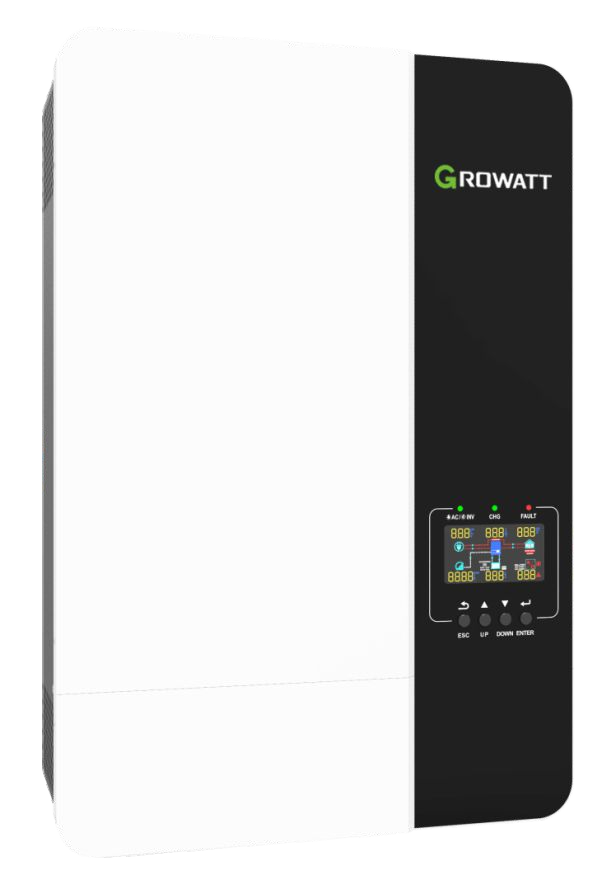
Remote locations present unique challenges when it comes to reliable power supply, making the choice of electrical infrastructure critical for operational success. An off grid inverter serves as the cornerstone of independent power systems, converting stored battery power into usable alternating current for essential equipment and daily operations. This technology enables complete energy independence from traditional utility grids, particularly valuable for locations where grid connection is either impossible or prohibitively expensive.
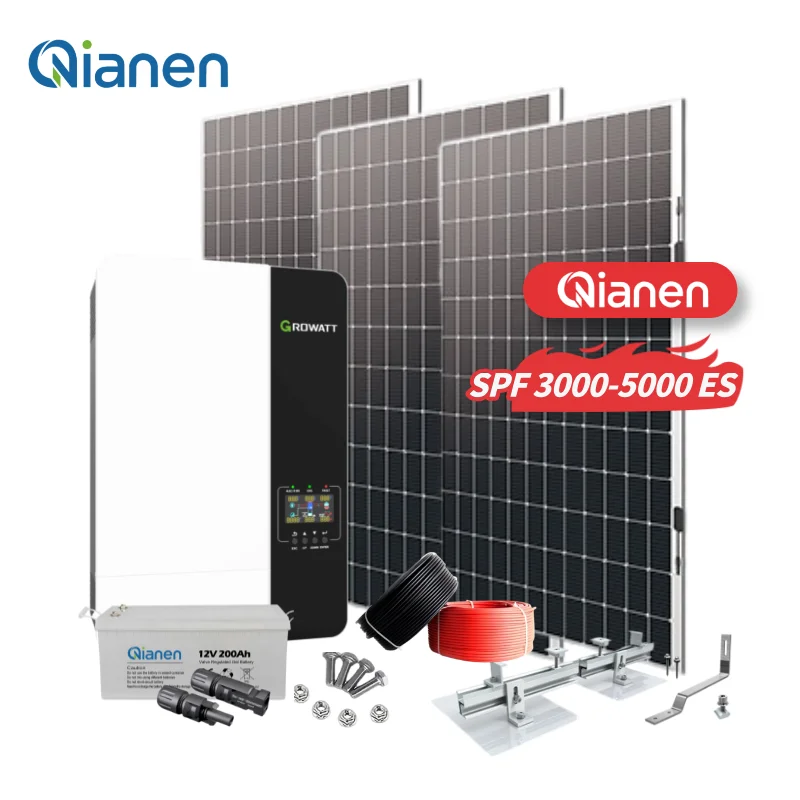
The decision to implement an off grid inverter system stems from practical necessities rather than mere preference, addressing fundamental power reliability concerns in remote environments. These sophisticated devices have evolved significantly in recent years, offering enhanced efficiency ratings and expanded functionality that makes them increasingly attractive for diverse remote applications. Understanding the specific advantages and operational benefits of off grid inverter technology helps clarify why this solution consistently outperforms alternatives for remote power generation needs.
Energy Independence and Reliability Benefits
Complete Autonomy from Grid Dependencies
An off grid inverter eliminates reliance on external power infrastructure, providing complete energy autonomy for remote installations. This independence proves invaluable in locations where utility grid access remains unavailable or subject to frequent disruptions. Remote facilities can maintain continuous operations regardless of regional power outages, weather-related grid failures, or utility maintenance schedules that might otherwise compromise critical functions.
The autonomy provided by off grid inverter systems extends beyond mere power availability to encompass control over energy quality and delivery timing. Users can manage power output according to specific operational requirements without external constraints or utility company limitations. This level of control becomes particularly important for sensitive equipment that requires stable, consistent power delivery to function properly.
Remote operations benefit from the predictable performance characteristics of quality off grid inverter systems, which deliver consistent voltage and frequency output regardless of external conditions. This reliability factor often justifies the initial investment when compared to the cumulative costs and operational disruptions associated with unreliable grid connections in remote areas.
Enhanced Power Quality and Consistency
Modern off grid inverter technology delivers superior power quality compared to many rural grid connections, producing clean sine wave output that protects sensitive electronic equipment from voltage fluctuations and power quality issues. Remote locations often experience poor grid power quality due to long transmission distances and aging infrastructure, making independent power generation through off grid inverter systems an attractive alternative.
The consistent power output from a properly sized off grid inverter system eliminates concerns about voltage drops, frequency variations, and power surges that commonly affect remote grid connections. This stability proves essential for modern equipment that relies on precise power delivery for optimal performance and longevity.
Quality off grid inverter units incorporate advanced power conditioning features that actively filter and regulate output, ensuring connected devices receive optimal power regardless of battery voltage fluctuations or load variations. This sophisticated power management capability often exceeds the quality standards of remote grid connections.
Economic Advantages and Cost Considerations
Long-term Financial Benefits
The economic case for choosing an off grid inverter becomes compelling when considering the total cost of ownership over extended periods. Remote grid connections often involve substantial infrastructure costs, including transformer installations, power line extensions, and ongoing utility fees that accumulate significantly over time. Off grid inverter systems require higher upfront investment but eliminate recurring utility costs entirely.
The financial advantages extend beyond monthly utility savings to include reduced maintenance costs and improved operational efficiency. Off grid inverter systems with integrated solar charging capabilities can provide decades of service with minimal ongoing expenses, particularly in remote locations with abundant solar resources.
Remote facilities often experience premium utility rates due to infrastructure challenges and limited competition, making the economic benefits of off grid inverter systems more pronounced. The ability to generate and store power locally provides protection against utility rate increases and supply constraints that frequently affect remote locations.
Reduced Infrastructure Investment Requirements
Installing an off grid inverter system typically requires significantly less infrastructure development than establishing grid connections in remote areas. Traditional grid extension projects involve substantial earthwork, pole installation, transformer placement, and regulatory compliance procedures that can take months or years to complete.
Off grid inverter installations can be completed rapidly with minimal site preparation, allowing remote operations to begin immediately without waiting for utility infrastructure development. This timing advantage often provides substantial business benefits by enabling earlier project completion and revenue generation.
The modular nature of off grid inverter systems allows for phased expansion as power requirements grow, eliminating the need to oversize initial installations or pay for unused grid capacity. This scalability feature provides significant cost advantages for growing remote operations.
Technical Performance and Operational Flexibility
Advanced Power Management Capabilities
Modern off grid inverter technology incorporates sophisticated power management features that optimize energy utilization and extend battery life through intelligent charging and load management algorithms. These systems can automatically prioritize critical loads during low battery conditions while maintaining power delivery to essential equipment.
The integration capabilities of contemporary off grid inverter systems allow seamless coordination between multiple power sources, including solar panels, wind generators, and backup generators. This multi-source capability provides exceptional reliability and ensures continuous power availability even during extended periods of poor weather conditions.
Advanced off grid inverter units offer remote monitoring and control capabilities that enable system management from distant locations, reducing the need for frequent site visits and allowing proactive maintenance scheduling. This remote management capability proves particularly valuable for unmanned remote installations.
Scalability and System Expansion Options
Off grid inverter systems provide exceptional scalability options that allow power capacity increases without major system redesign or replacement. Additional battery banks and inverter modules can be integrated into existing installations as power requirements grow, protecting initial investment while accommodating expansion needs.
The modular architecture of quality off grid inverter systems enables parallel operation of multiple units, providing both increased capacity and redundancy for critical applications. This configuration flexibility allows system designers to create highly reliable power solutions tailored to specific operational requirements.
Remote installations benefit from the ability to configure off grid inverter systems for specific load profiles and usage patterns, optimizing performance for particular applications rather than accepting generic grid power delivery characteristics. This customization capability often results in improved equipment performance and reduced operating costs.
Environmental Impact and Sustainability Factors
Reduced Carbon Footprint Potential
Off grid inverter systems paired with renewable energy sources offer substantial environmental benefits compared to grid power derived from fossil fuel generation or diesel generator backup systems. Remote locations can achieve carbon neutrality through properly designed solar-powered off grid inverter installations that eliminate reliance on carbon-intensive power sources.
The environmental impact reduction becomes particularly significant in sensitive ecological areas where traditional power infrastructure development might cause habitat disruption or environmental degradation. Off grid inverter systems require minimal site disturbance and can be installed with minimal environmental impact.
Long-term environmental benefits include elimination of diesel fuel consumption for backup power generation, reduced transportation impacts from fuel delivery to remote sites, and decreased maintenance activities that might disturb natural environments around critical installations.
Integration with Renewable Energy Sources
Modern off grid inverter technology provides seamless integration with various renewable energy sources, enabling remote installations to harness local natural resources for sustainable power generation. Solar panel compatibility represents the most common integration, but wind and hydro sources can also be incorporated depending on site conditions.
The charge control capabilities built into advanced off grid inverter systems optimize renewable energy harvesting while protecting battery systems from overcharge and deep discharge conditions. This intelligent energy management extends system lifespan while maximizing renewable energy utilization efficiency.
Remote sites with abundant renewable resources can achieve energy surplus conditions during favorable weather periods, enabling power export to nearby facilities or energy storage for extended autonomous operation during poor weather conditions.
FAQ
How does an off grid inverter differ from a grid-tie inverter for remote applications?
An off grid inverter operates independently without any grid connection, incorporating battery charging capabilities and energy storage management features that grid-tie inverters lack. Grid-tie inverters require active grid connection to function and cannot provide power during grid outages, making them unsuitable for truly remote locations without reliable utility infrastructure.
What factors determine the appropriate off grid inverter size for remote power needs?
Off grid inverter sizing depends on peak power requirements, continuous load demands, surge capacity needs, and desired autonomy duration during poor charging conditions. Professional assessment should consider all connected equipment power ratings, simultaneity factors, and safety margins to ensure adequate capacity without oversizing the system unnecessarily.
Can off grid inverter systems provide reliable power for critical remote operations?
Quality off grid inverter systems with proper battery backup and renewable charging sources can provide highly reliable power that often exceeds remote grid connection reliability. Redundant configurations and generator backup integration can achieve reliability levels suitable for critical operations, telecommunications infrastructure, and essential remote facilities.
What maintenance requirements should be expected with off grid inverter installations?
Off grid inverter systems require periodic battery maintenance, connection cleaning, ventilation system checks, and performance monitoring to ensure optimal operation. Modern systems with lithium battery technology typically require less maintenance than traditional lead-acid configurations, with many components designed for minimal service requirements in remote locations.
Table of Contents
- Energy Independence and Reliability Benefits
- Economic Advantages and Cost Considerations
- Technical Performance and Operational Flexibility
- Environmental Impact and Sustainability Factors
-
FAQ
- How does an off grid inverter differ from a grid-tie inverter for remote applications?
- What factors determine the appropriate off grid inverter size for remote power needs?
- Can off grid inverter systems provide reliable power for critical remote operations?
- What maintenance requirements should be expected with off grid inverter installations?