EN
EN

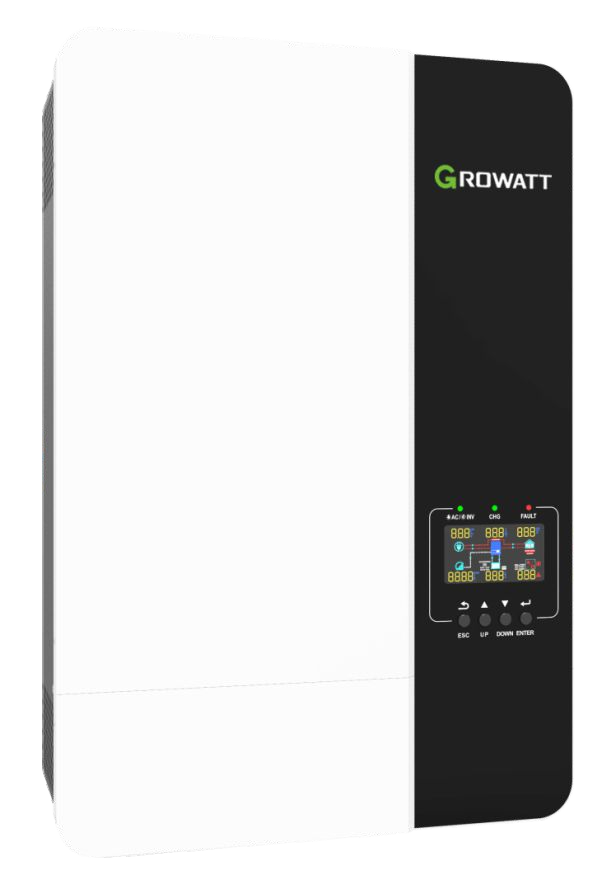
An off grid inverter can indeed ensure independent energy supply when properly designed and integrated into a comprehensive energy system. This critical power conversion device enables complete energy autonomy by converting DC power from renewable sources like solar panels or batteries into usable AC electricity for household and industrial applications. The ability to achieve true energy independence depends on several factors including system sizing, battery capacity, load management, and the quality of the off grid inverter itself.
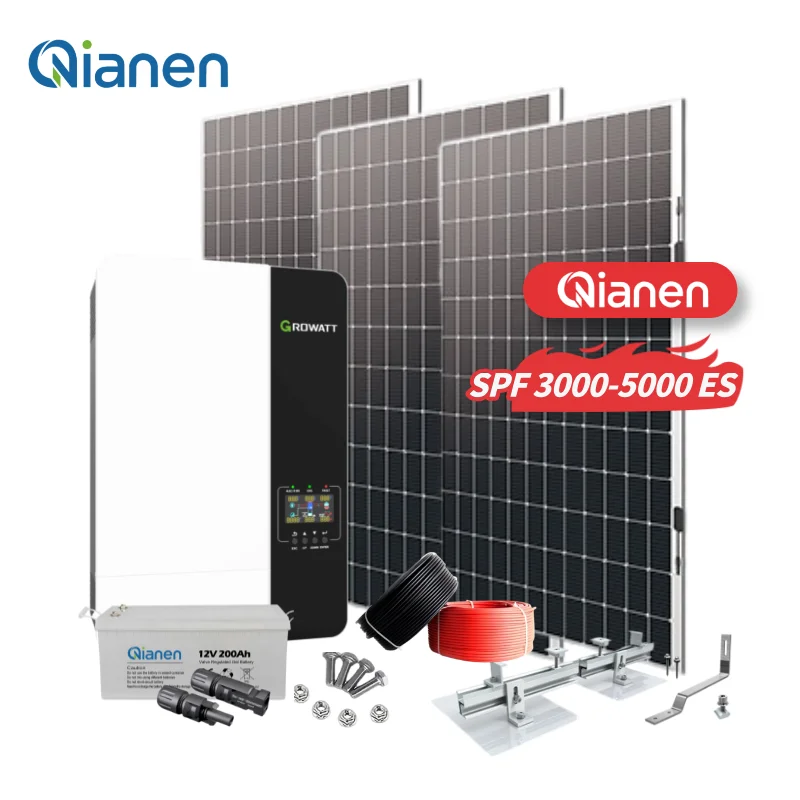
Understanding the capabilities and limitations of an off grid inverter system is essential for anyone considering energy independence. While these systems can provide reliable power for extended periods, their effectiveness in ensuring continuous energy supply depends on proper planning, adequate backup capacity, and realistic load expectations. Modern off grid inverter technology has advanced significantly, offering improved efficiency, better surge handling, and enhanced reliability that makes independent energy supply more achievable than ever before.
How Off Grid Inverters Enable Energy Independence
Power Conversion Fundamentals
The primary function of an off grid inverter is to convert DC power stored in batteries or generated directly from solar panels into standard AC power that can run conventional appliances and equipment. This conversion process is fundamental to energy independence because most household devices and industrial equipment require AC power to operate properly. A high-quality off grid inverter ensures clean, stable power output that matches or exceeds utility grid standards.
Pure sine wave output from advanced off grid inverter units provides the cleanest power possible, ensuring sensitive electronics operate safely and efficiently. This power quality is crucial for maintaining true energy independence, as poor power quality can damage equipment and reduce system reliability. The inverter's ability to maintain consistent voltage and frequency under varying load conditions directly impacts the success of an independent energy system.
Modern off grid inverter designs incorporate sophisticated power management features that optimize energy usage and extend battery life. These systems can automatically adjust power output based on demand, implement load prioritization during low battery conditions, and provide seamless switching between different power sources. Such intelligent power management is essential for maintaining reliable energy supply in off-grid applications.
System Integration and Control
An effective off grid inverter serves as the central control hub for the entire independent energy system, coordinating between solar panels, battery banks, backup generators, and load management systems. This integration capability is what transforms individual components into a cohesive energy independence solution. The inverter's control algorithms determine when to charge batteries, when to draw from stored energy, and when to activate backup power sources.
Advanced off grid inverter systems include built-in charge controllers that optimize battery charging from renewable sources while preventing overcharging and extending battery life. This integrated approach eliminates the need for separate charge controllers and ensures optimal system performance. The inverter's ability to manage multiple power sources simultaneously is crucial for maintaining continuous energy supply during varying weather conditions.
Remote monitoring and control capabilities in modern off grid inverter systems allow users to track system performance, adjust settings, and receive alerts about potential issues. This connectivity enables proactive maintenance and system optimization that are essential for reliable independent energy supply. Users can monitor energy production, consumption, and storage levels to make informed decisions about energy usage and system expansion.
Critical Factors for Reliable Independent Energy Supply
Proper System Sizing and Design
The success of an off grid inverter in ensuring independent energy supply heavily depends on proper system sizing that accounts for peak power demands, surge requirements, and continuous load expectations. Undersizing the inverter relative to system requirements can result in power shortages during high-demand periods, while oversizing leads to reduced efficiency and higher costs. Professional load analysis and energy auditing are essential for determining the appropriate off grid inverter capacity.
Battery capacity must be carefully matched to both the off grid inverter specifications and the intended energy storage requirements. The inverter's charging capabilities, maximum charge rate, and battery compatibility directly impact the system's ability to store sufficient energy for extended periods without renewable energy input. Proper battery sizing ensures the system can maintain power supply during cloudy days, equipment maintenance periods, or other disruptions to primary energy generation.
Climate conditions, seasonal variations in renewable energy availability, and local weather patterns must be considered when designing an off grid inverter system for independent energy supply. Systems in regions with limited solar resources during winter months require larger battery banks and potentially backup generation capabilities. The off grid inverter must be capable of managing these varying conditions while maintaining reliable power output throughout the year.
Backup and Redundancy Planning
True energy independence requires backup systems and redundancy planning that account for potential off grid inverter failures, maintenance requirements, and extreme weather events. A single point of failure in the inverter system can compromise the entire independent energy supply, making backup inverter capacity or parallel systems essential for critical applications. Modular off grid inverter designs allow for redundancy without complete system duplication.
Generator integration capability in off grid inverter systems provides an additional layer of security for independent energy supply during extended periods of low renewable energy production or high energy demand. The inverter's ability to automatically start and manage backup generators ensures seamless power supply continuity. This integration also allows for battery charging during generator operation, extending the overall system runtime.
Maintenance scheduling and component replacement planning are crucial for long-term energy independence with off grid inverter systems. Regular maintenance of the inverter, batteries, and associated equipment prevents unexpected failures that could compromise energy supply. Having spare components and established maintenance procedures ensures minimal downtime and continued independent operation.
Performance Limitations and Realistic Expectations
Load Management Considerations
While an off grid inverter can ensure independent energy supply, users must understand and manage their energy consumption patterns to maintain system reliability. High-power appliances like electric heating, air conditioning, and large motors can quickly drain battery reserves and stress the inverter beyond its optimal operating range. Effective load management strategies, including load scheduling and appliance selection, are essential for successful energy independence.
Peak power demands during startup of motors, compressors, and other inductive loads can exceed the surge capacity of an off grid inverter, potentially causing system shutdown or component damage. Understanding these limitations and selecting appropriately rated equipment ensures the system can handle all required loads while maintaining stable operation. Soft-start devices and load sequencing can help manage peak demands within inverter capabilities.
Energy storage limitations mean that off grid inverter systems require careful energy budgeting and consumption monitoring to maintain continuous power supply. Unlike grid-connected systems with unlimited power availability, independent systems must balance energy production, storage, and consumption over time. The off grid inverter's efficiency characteristics and standby power consumption directly impact the overall energy budget and system runtime.
Environmental and Operational Constraints
Temperature extremes can significantly impact off grid inverter performance and the overall reliability of independent energy systems. High temperatures reduce inverter efficiency and can trigger thermal protection shutdowns, while extreme cold affects battery performance and charging capabilities. Proper thermal management and environmental protection are essential for maintaining consistent energy supply in challenging conditions.
Humidity, dust, and other environmental factors can affect off grid inverter reliability and longevity, potentially compromising long-term energy independence. Regular cleaning, proper ventilation, and environmental protection measures help maintain optimal system performance. The inverter's IP rating and environmental specifications must match the installation conditions to ensure reliable operation.
Electromagnetic interference from nearby equipment or communication systems can affect sensitive off grid inverter control circuits and monitoring systems. Proper grounding, shielding, and installation practices minimize these impacts and ensure reliable system operation. Understanding potential interference sources and implementing appropriate mitigation measures is crucial for maintaining independent energy supply reliability.
Long-Term Reliability and Maintenance Requirements
Component Lifecycle Management
The lifespan of an off grid inverter typically ranges from 10 to 15 years under normal operating conditions, but this can vary significantly based on usage patterns, environmental conditions, and maintenance quality. Planning for inverter replacement and having upgrade paths available ensures continued energy independence over the long term. Modern inverters often include diagnostic capabilities that help predict maintenance needs and potential failures before they occur.
Battery replacement represents the most significant ongoing cost and maintenance requirement for off grid inverter systems ensuring independent energy supply. Battery banks typically require replacement every 5 to 10 years depending on technology and usage patterns. The inverter's battery management capabilities directly impact battery lifespan and replacement frequency, making this a critical consideration for long-term energy independence planning.
Regular performance monitoring and preventive maintenance extend off grid inverter lifespan and ensure reliable independent energy supply over many years. This includes cleaning cooling components, checking electrical connections, updating firmware, and testing protection systems. Establishing maintenance schedules and keeping detailed service records helps optimize system performance and identify potential issues before they impact energy supply.
Technology Evolution and Upgrade Considerations
Advances in off grid inverter technology continue to improve efficiency, reliability, and functionality, potentially making system upgrades attractive for enhancing independent energy supply capabilities. Newer inverters often include improved power management, better grid-tie capabilities for hybrid systems, and enhanced monitoring features. Planning for technology upgrades helps maintain optimal system performance and take advantage of improvements in energy independence solutions.
Compatibility with emerging energy storage technologies and smart home systems represents an important consideration for future-proofing off grid inverter installations. Systems designed with expansion and upgrade capabilities can adapt to changing energy needs and take advantage of technological improvements without complete system replacement. This flexibility is essential for maintaining optimal energy independence over the system's lifetime.
Integration with smart grid technologies and energy management systems may become increasingly important even for off grid inverter applications, particularly in hybrid systems that can operate both independently and with grid connection. Understanding these evolving capabilities helps ensure that independent energy systems remain viable and optimal for changing energy landscapes and regulatory requirements.
FAQ
How long can an off grid inverter maintain independent energy supply during extended cloudy weather?
The duration an off grid inverter can maintain independent energy supply during cloudy weather depends primarily on battery capacity and energy consumption patterns. A properly sized system with adequate battery storage can typically provide 3 to 7 days of power during periods without solar generation, assuming normal energy usage. Systems designed for extended autonomy may include larger battery banks or backup generators to extend this period significantly.
What happens if an off grid inverter fails and how quickly can energy supply be restored?
Off grid inverter failure immediately interrupts energy supply unless backup systems are in place. Restoration time depends on the availability of replacement equipment and the complexity of the installation. Simple inverter swaps can be completed in a few hours, while more complex system reconfigurations may take several days. Having spare inverters or parallel systems minimizes downtime and ensures continuity of independent energy supply.
Can an off grid inverter system be expanded to increase energy supply capacity?
Most modern off grid inverter systems can be expanded through parallel operation of multiple units or addition of battery capacity and renewable energy sources. The inverter's design must support parallel operation or modular expansion to enable capacity increases. Planning for expansion during initial system design ensures compatibility and simplifies future upgrades to meet growing energy independence requirements.
Are there any safety considerations specific to off grid inverter systems for independent energy supply?
Off grid inverter systems require specific safety considerations including proper grounding, overcurrent protection, and disconnect switches for maintenance safety. Battery systems present additional safety concerns related to chemical exposure, fire risk, and electrical hazards. Professional installation following local electrical codes and manufacturer specifications ensures safe operation of independent energy systems and protects both equipment and personnel.
Table of Contents
- How Off Grid Inverters Enable Energy Independence
- Critical Factors for Reliable Independent Energy Supply
- Performance Limitations and Realistic Expectations
- Long-Term Reliability and Maintenance Requirements
-
FAQ
- How long can an off grid inverter maintain independent energy supply during extended cloudy weather?
- What happens if an off grid inverter fails and how quickly can energy supply be restored?
- Can an off grid inverter system be expanded to increase energy supply capacity?
- Are there any safety considerations specific to off grid inverter systems for independent energy supply?