EN
EN

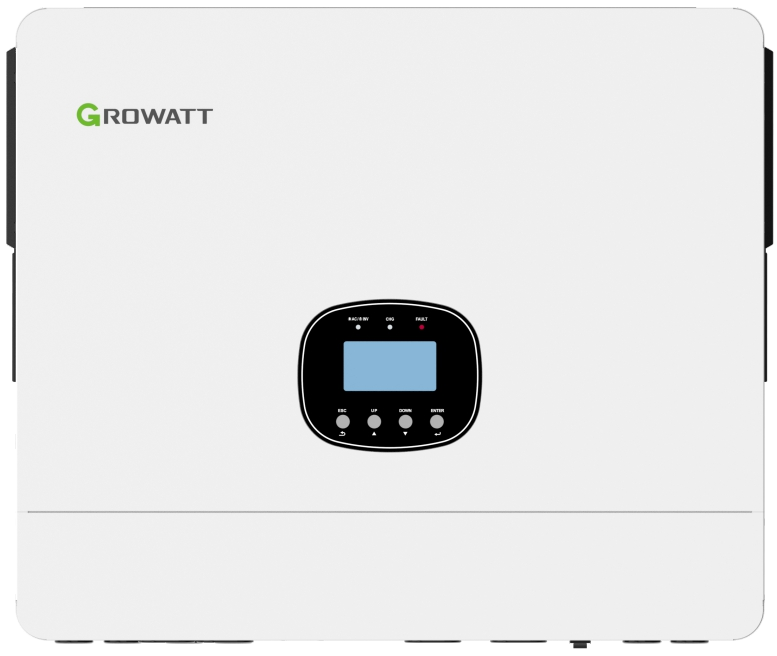
Selecting the right off grid inverter for long-term use requires careful consideration of multiple technical factors, efficiency ratings, and durability characteristics that directly impact system performance over years of operation. The decision becomes even more critical when you consider that an off grid inverter serves as the heart of your independent power system, converting stored DC battery power into usable AC electricity for your home or business applications.
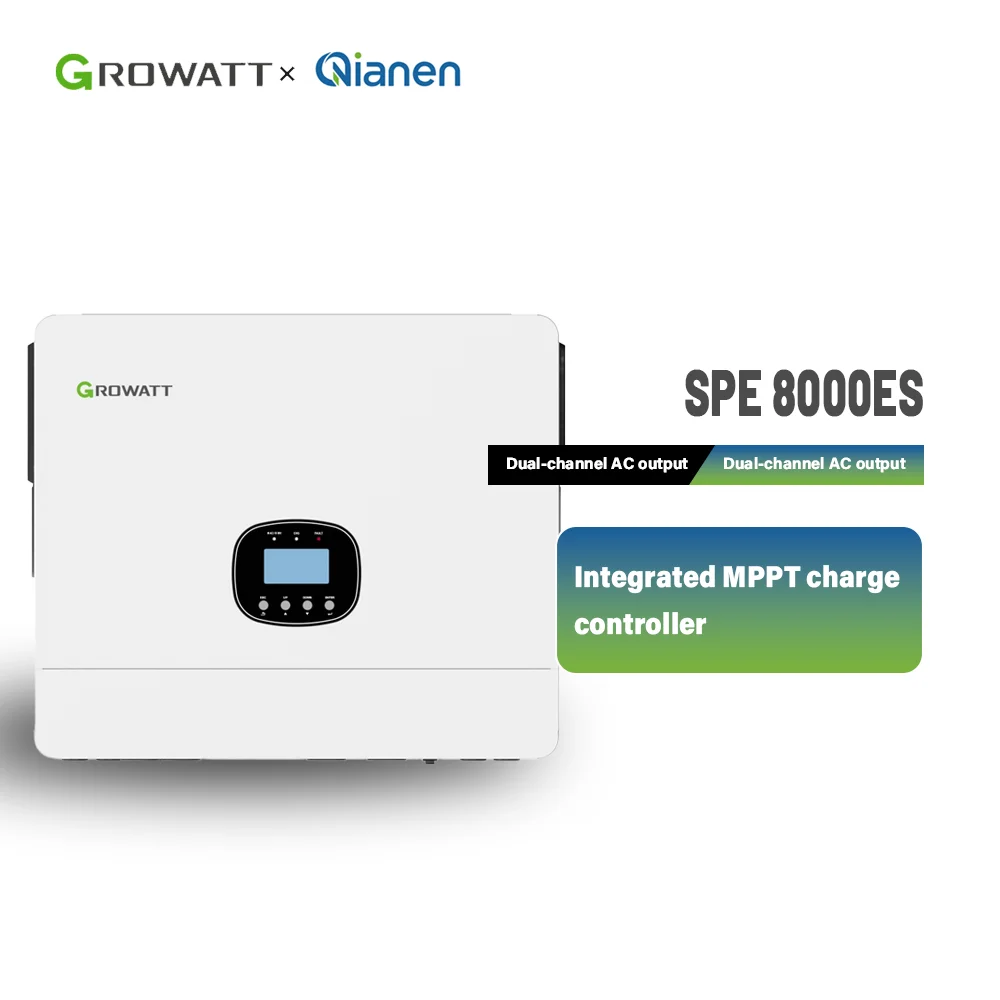
The selection process involves analyzing power requirements, understanding inverter technologies, evaluating build quality standards, and matching system specifications to your specific long-term energy needs. A well-chosen off grid inverter can provide decades of reliable service, while a poorly selected unit may result in frequent replacements, reduced efficiency, and increased maintenance costs that significantly impact your energy independence goals.
Understanding Off Grid Inverter Power Requirements
Calculating Your Long-Term Power Needs
Determining the correct power capacity for your off grid inverter starts with a comprehensive analysis of both current and projected electrical loads over the expected system lifespan. Consider that your energy needs may evolve significantly over a 10-20 year period, potentially requiring additional appliances, equipment upgrades, or expanded facility requirements that increase overall power consumption.
Start by documenting all current electrical loads, including continuous loads like refrigeration and intermittent loads like power tools or heating systems. Factor in seasonal variations, peak demand periods, and potential future expansions to ensure your off grid inverter selection provides adequate headroom for long-term growth without requiring premature replacement.
Professional load analysis tools can help identify power patterns and surge requirements that standard calculations might miss. Many off grid inverter applications experience significant startup surges from motors, compressors, and other inductive loads that require inverters rated substantially higher than continuous power requirements alone would suggest.
Surge Capacity and Peak Power Handling
The surge handling capability of an off grid inverter directly impacts its ability to start motors, pumps, and other high-inrush equipment reliably over extended periods. Quality inverters typically provide surge capacity ratings of 2-3 times their continuous power rating for several seconds, which proves essential for long-term system reliability and equipment protection.
Evaluate the specific surge requirements of your critical equipment, particularly well pumps, air conditioning compressors, and workshop tools that may demand significant starting power. An undersized off grid inverter may technically operate but suffer reduced lifespan due to frequent overload stress, making proper surge capacity selection crucial for long-term investment protection.
Consider that surge capacity requirements may increase over time as equipment ages and becomes less efficient. Building in additional surge headroom during initial selection helps ensure your off grid inverter continues meeting system demands throughout its operational life without premature failure or performance degradation.
Evaluating Inverter Technology and Efficiency
Pure Sine Wave vs Modified Wave Technology
Pure sine wave technology represents the gold standard for off grid inverter applications, providing clean power output that matches utility-grade electricity and ensures compatibility with sensitive electronic equipment. This technology becomes particularly important for long-term installations where equipment protection and operational reliability take priority over initial cost savings.
Modified sine wave inverters may offer lower upfront costs but can cause operational issues with certain equipment types, produce audible noise in audio systems, and potentially reduce the lifespan of connected devices. For long-term off grid applications, the additional investment in pure sine wave technology typically pays dividends through reduced equipment maintenance and improved system reliability.
Modern pure sine wave off grid inverter designs achieve efficiency ratings exceeding 95% at optimal load conditions, significantly reducing energy losses and heat generation compared to older technologies. This improved efficiency translates directly into reduced battery cycling, longer backup times, and lower overall system operating costs over extended periods.
Efficiency Ratings Across Load Conditions
The efficiency curve of an off grid inverter across different load percentages significantly impacts long-term energy consumption and battery life. Look for inverters that maintain high efficiency ratings not only at peak load but also during the lighter load conditions that represent typical daily operation patterns in most off grid applications.
Quality inverters maintain efficiency ratings above 90% from approximately 20% to 100% of rated capacity, with peak efficiency typically occurring around 70-80% load. This characteristic ensures optimal energy utilization whether operating a few essential circuits or running at full system capacity during peak demand periods.
Temperature-compensated efficiency ratings provide more realistic performance expectations for long-term operation, as inverter efficiency typically decreases with elevated operating temperatures. Consider the installation environment and ventilation requirements when evaluating efficiency specifications to ensure realistic performance projections over the system's operational life.
Assessing Build Quality and Durability Features
Component Quality and Construction Standards
The internal component quality of an off grid inverter directly determines its operational lifespan and reliability under continuous use conditions. Look for inverters utilizing high-grade capacitors, robust transformer designs, and advanced semiconductor switching devices that can withstand the thermal cycling and electrical stresses of daily operation over many years.
Industrial-grade construction standards, including conformal coating on circuit boards and robust mechanical assembly, help protect against environmental factors like humidity, dust, and temperature variations that can compromise long-term reliability. These protection features become particularly important in installations where the off grid inverter may be exposed to challenging environmental conditions over extended periods.
Thermal management systems, including adequate heat sinking and intelligent fan control, help maintain optimal operating temperatures and prevent premature component aging. Inverters with temperature-monitored thermal protection can automatically adjust operation to prevent damage while maintaining system availability during extreme conditions.
Warranty Coverage and Service Support
Comprehensive warranty coverage serves as both protection for your investment and an indicator of manufacturer confidence in product durability. Look for off grid inverter warranties that cover both parts and labor for a minimum of 5 years, with some premium units offering coverage extending to 10 years or more for long-term installation confidence.
Evaluate the warranty terms carefully, paying attention to coverage limitations, required maintenance procedures, and service network availability. Some manufacturers offer extended warranty options or service contracts that can provide additional protection and peace of mind for critical off grid applications where downtime carries significant consequences.
Service support infrastructure, including technical assistance availability and replacement part availability, becomes crucial for long-term system maintenance. Choose manufacturers with established service networks and commitment to product support throughout the expected system lifespan to avoid obsolescence issues that could compromise future serviceability.
Matching System Requirements and Installation Environment
Battery Compatibility and System Integration
The compatibility between your off grid inverter and battery system significantly impacts both immediate performance and long-term reliability. Modern inverters often include sophisticated battery management features, including multi-stage charging algorithms and temperature compensation, that can extend battery life and optimize system performance over years of operation.
Consider the battery chemistry and voltage configuration of your planned system when selecting an inverter, ensuring compatibility not only with current battery technology but also potential future upgrades to newer battery types. Some advanced off grid inverter models support multiple battery chemistries through programmable charging profiles, providing flexibility for future system evolution.
System integration features like communication protocols, monitoring capabilities, and expandability options can significantly enhance long-term system management and troubleshooting capabilities. Look for inverters that support standard communication protocols and provide detailed system monitoring data to facilitate proactive maintenance and performance optimization.
Environmental Conditions and Installation Requirements
The installation environment directly impacts the long-term reliability and performance of your off grid inverter selection. Consider factors like ambient temperature ranges, humidity levels, dust exposure, and ventilation requirements when evaluating different inverter models for your specific installation location and climate conditions.
Indoor versus outdoor installation requirements can significantly influence inverter selection, with outdoor-rated units typically featuring enhanced environmental protection but potentially higher costs. Evaluate the available installation space, ventilation requirements, and accessibility for maintenance when determining the most appropriate inverter configuration for your application.
Mounting and installation flexibility can impact both initial installation costs and long-term maintenance accessibility. Choose off grid inverter models that accommodate your space constraints while providing adequate ventilation and service access for the expected operational lifetime of the system.
FAQ
What size off grid inverter do I need for a typical home application?
For a typical home application, you'll need an off grid inverter sized 20-25% larger than your calculated continuous load to account for efficiency losses and provide surge capacity. Most homes require between 3kW to 8kW continuous capacity, but you should perform a detailed load analysis including startup surges from motors and compressors. Factor in future electrical load growth and seasonal variations to ensure your inverter selection meets long-term requirements without frequent upgrades.
How long do quality off grid inverters typically last in continuous service?
Quality off grid inverters designed for continuous operation typically provide 15-20 years of reliable service when properly sized, installed, and maintained. The lifespan depends heavily on operating conditions, load factors, and component quality, with industrial-grade units often exceeding 20 years in optimal conditions. Regular maintenance, proper ventilation, and avoiding frequent overload conditions can significantly extend operational life and maintain peak performance throughout the service period.
Can I parallel multiple off grid inverters for increased capacity and redundancy?
Many modern off grid inverters support parallel operation for increased capacity and system redundancy, but this requires inverters specifically designed for parallel connection with proper synchronization capabilities. Parallel systems can provide both increased power capacity and backup protection if one unit fails. However, you must ensure compatible models, proper installation procedures, and shared load balancing to achieve reliable parallel operation for long-term applications.
What maintenance is required to maximize off grid inverter lifespan?
Regular maintenance for maximum off grid inverter lifespan includes cleaning air filters and ventilation areas quarterly, checking electrical connections annually, and monitoring performance parameters for early problem detection. Keep the installation area clean and well-ventilated, ensure battery connections remain tight and corrosion-free, and follow manufacturer-recommended service intervals. Professional inspection every 2-3 years can identify potential issues before they impact system reliability or require costly repairs.