EN
EN

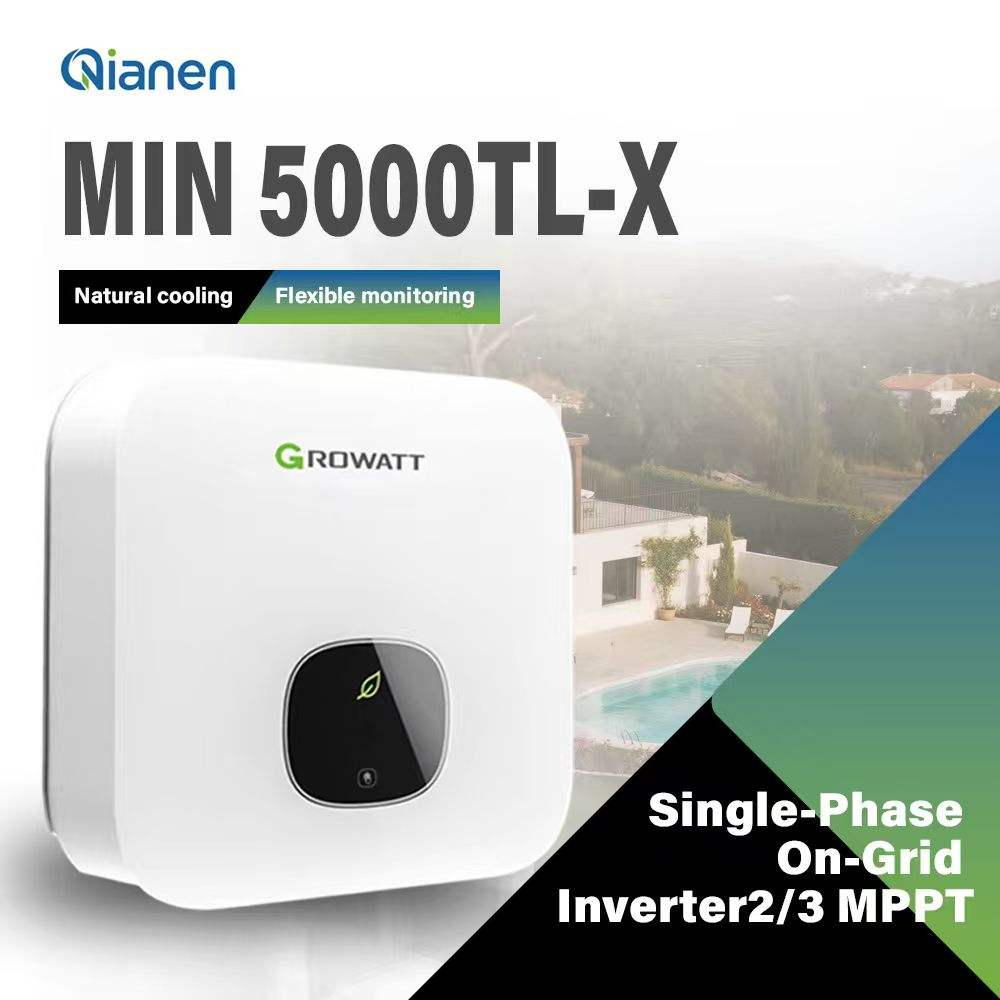
Residential solar system owners face a critical decision when selecting the right inverter technology to maximize their energy investment. An on grid inverter stands as the most practical choice for homeowners seeking efficient energy conversion, grid synchronization, and cost-effective solar power management. This grid-tied solution transforms direct current from solar panels into alternating current while maintaining seamless connectivity with the electrical grid, enabling homeowners to reduce energy costs and achieve sustainable power independence.
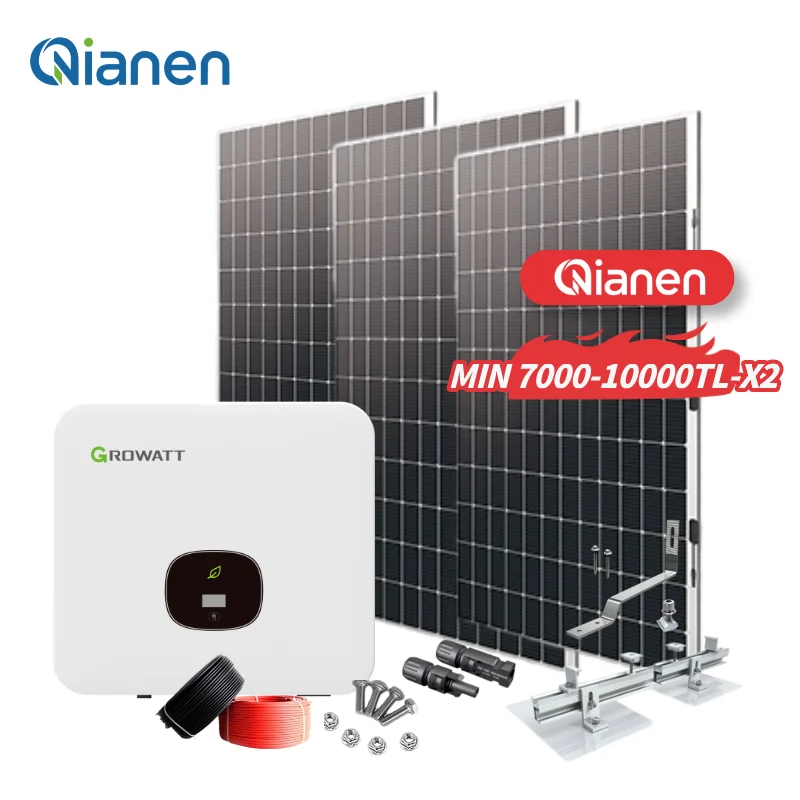
Understanding why an on grid inverter delivers superior value requires examining its fundamental operational advantages, economic benefits, and technical reliability compared to alternative inverter technologies. This comprehensive analysis explores the compelling reasons that make on grid inverters the preferred choice for residential solar installations, from immediate cost savings to long-term grid stability benefits that protect your solar investment.
Economic Advantages of On Grid Inverter Technology
Immediate Cost Reduction Benefits
An on grid inverter delivers substantial cost advantages by eliminating the need for expensive battery storage systems while maximizing solar energy utilization. Homeowners typically save 30-40% on initial system costs compared to off-grid configurations because grid-tied systems require fewer components and simplified installation procedures. The On Grid Inverter technology enables direct grid connection without complex energy storage management, reducing both equipment expenses and maintenance requirements significantly.
The economic efficiency extends beyond initial purchase costs through reduced installation complexity and shorter payback periods. On grid inverter systems typically achieve return on investment within 6-8 years compared to 10-12 years for battery-backed systems, making them financially attractive for budget-conscious homeowners. This accelerated payback timeline results from lower system complexity, reduced component count, and simplified maintenance schedules that minimize ongoing operational expenses.
Net Metering Revenue Generation
On grid inverter systems unlock net metering opportunities that transform excess solar production into financial credits on monthly utility bills. During peak sunlight hours, when solar panels generate more electricity than household consumption requires, the on grid inverter automatically feeds surplus energy back into the electrical grid. Utility companies credit homeowners for this contribution, often at retail electricity rates, creating passive income streams from solar investments.
This bidirectional energy flow capability makes on grid inverter technology particularly valuable in regions with favorable net metering policies. Homeowners can effectively use the electrical grid as virtual battery storage, drawing power when needed and contributing excess generation when available. The financial benefits compound over time as electricity rates increase, making early solar adoption with on grid inverter technology increasingly profitable year after year.
Technical Performance and Reliability Factors
Grid Synchronization Capabilities
Modern on grid inverter designs incorporate sophisticated grid synchronization technology that ensures seamless integration with existing electrical infrastructure. These systems continuously monitor grid frequency, voltage, and phase alignment to maintain perfect synchronization with utility power supply. Advanced on grid inverter units feature automatic grid detection algorithms that prevent power quality issues and protect both household appliances and grid infrastructure from electrical disturbances.
The synchronization capabilities extend to rapid response times during grid fluctuations, with quality on grid inverter systems adjusting output parameters within milliseconds to maintain stable power delivery. This technical precision prevents common grid integration problems such as harmonic distortion, voltage irregularities, and frequency drift that can damage sensitive electronic equipment. The result is reliable, clean power that meets or exceeds utility grid standards for residential electricity supply.
System Efficiency and Power Optimization
On grid inverter technology achieves superior energy conversion efficiency rates, typically ranging from 95-98%, significantly outperforming older inverter technologies. This high efficiency translates directly into increased solar energy harvest and reduced energy waste, maximizing the financial return from solar panel investments. Advanced maximum power point tracking algorithms within on grid inverter systems continuously optimize power extraction from solar arrays regardless of changing weather conditions or partial shading scenarios.
The optimization capabilities include real-time monitoring and adjustment features that adapt to varying solar irradiance levels throughout the day. Quality on grid inverter units incorporate temperature compensation algorithms and anti-islanding protection systems that maintain optimal performance while ensuring safe grid operation. These technical features combine to deliver consistent, reliable power conversion that maximizes solar energy utilization under all operating conditions.
Installation and Maintenance Simplicity
Streamlined Installation Process
On grid inverter systems offer significantly simplified installation procedures compared to off-grid or hybrid alternatives, reducing both installation time and labor costs. The absence of battery banks, charge controllers, and complex energy management systems means fewer electrical connections, reduced wiring complexity, and shorter installation timelines. Professional installers can typically complete on grid inverter installations 30-50% faster than comparable off-grid systems, translating into lower installation costs for homeowners.
The installation simplicity extends to permit approval processes, as on grid inverter systems typically require fewer regulatory approvals and inspections compared to battery-based alternatives. Many jurisdictions have streamlined approval procedures for grid-tied solar installations, recognizing their lower complexity and reduced safety risks. This regulatory efficiency means faster project completion and quicker realization of solar energy benefits for residential customers.
Reduced Maintenance Requirements
Long-term maintenance costs favor on grid inverter systems due to their simplified component architecture and absence of battery storage elements. Without batteries requiring regular monitoring, replacement, and maintenance, on grid inverter systems typically require only annual visual inspections and basic cleaning procedures. The reduced component count minimizes potential failure points and extends overall system reliability compared to more complex off-grid configurations.
Modern on grid inverter designs incorporate self-diagnostic capabilities and remote monitoring features that enable proactive maintenance scheduling and rapid issue identification. These systems can communicate performance data and fault codes through internet connectivity, allowing technicians to diagnose problems remotely and minimize service call requirements. The combination of inherent reliability and smart monitoring capabilities makes on grid inverter systems ideal for homeowners seeking low-maintenance solar solutions.
Environmental and Grid Stability Benefits
Reduced Environmental Impact
Choosing an on grid inverter contributes to environmental sustainability by eliminating the need for battery storage systems that require resource-intensive manufacturing processes and complex recycling procedures. Battery production involves mining of rare earth elements and toxic materials that create significant environmental footprints throughout their lifecycle. On grid inverter systems avoid these environmental costs while still delivering comprehensive solar energy benefits to residential customers.
The environmental advantages extend to improved grid-level renewable energy integration, as distributed on grid inverter systems help stabilize electrical grids while increasing clean energy penetration. When thousands of homes contribute solar energy through on grid inverter systems, the collective impact reduces dependence on fossil fuel power generation and decreases overall carbon emissions. This distributed generation model creates more resilient and sustainable electrical infrastructure for entire communities.
Grid Support and Stability Contributions
Advanced on grid inverter systems provide valuable grid support services that enhance electrical system stability and reliability for all grid users. These systems can contribute to voltage regulation, frequency control, and reactive power support during peak demand periods or grid stress conditions. Modern on grid inverter technology includes smart grid capabilities that enable coordinated response to utility control signals, helping balance supply and demand across the electrical network.
The grid support capabilities become increasingly valuable as renewable energy adoption grows and utilities require more sophisticated demand management tools. On grid inverter systems equipped with smart inverter functionality can participate in demand response programs, providing additional revenue opportunities for homeowners while supporting overall grid reliability. This symbiotic relationship between residential solar systems and utility infrastructure creates mutual benefits that strengthen the entire electrical system.
FAQ
How does an on grid inverter differ from off-grid inverters for home use?
An on grid inverter connects directly to the utility electrical grid and requires grid power to operate, while off-grid inverters work independently with battery storage systems. On grid inverters cost less initially, offer net metering benefits, and provide simpler installation, but cannot operate during power outages without additional equipment. Off-grid inverters provide energy independence but require expensive battery systems and more complex maintenance requirements.
Can I add battery backup to an existing on grid inverter system later?
Yes, many on grid inverter systems can be upgraded with battery backup through hybrid inverter replacement or AC-coupled battery systems. However, this retrofit typically requires additional equipment such as battery inverters, energy management systems, and electrical panel modifications. The most cost-effective approach is planning for future battery integration during initial system design, though retrofit solutions are available for most existing installations.
What happens to my on grid inverter during utility power outages?
Standard on grid inverter systems automatically shut down during utility outages for safety reasons, preventing dangerous backfeed to electrical lines that could harm utility workers. This safety feature, called anti-islanding protection, means your solar panels will not provide power during outages unless you have battery backup or a special grid-interactive system with backup capabilities designed for emergency power supply.
How long do on grid inverter systems typically last in residential applications?
Quality on grid inverter systems typically last 15-25 years with proper installation and maintenance, often matching or exceeding solar panel warranties. Most manufacturers provide 10-15 year warranties with options for extended coverage. The actual lifespan depends on environmental conditions, installation quality, and maintenance practices, but modern on grid inverter technology is designed for decades of reliable operation in residential settings.