EN
EN

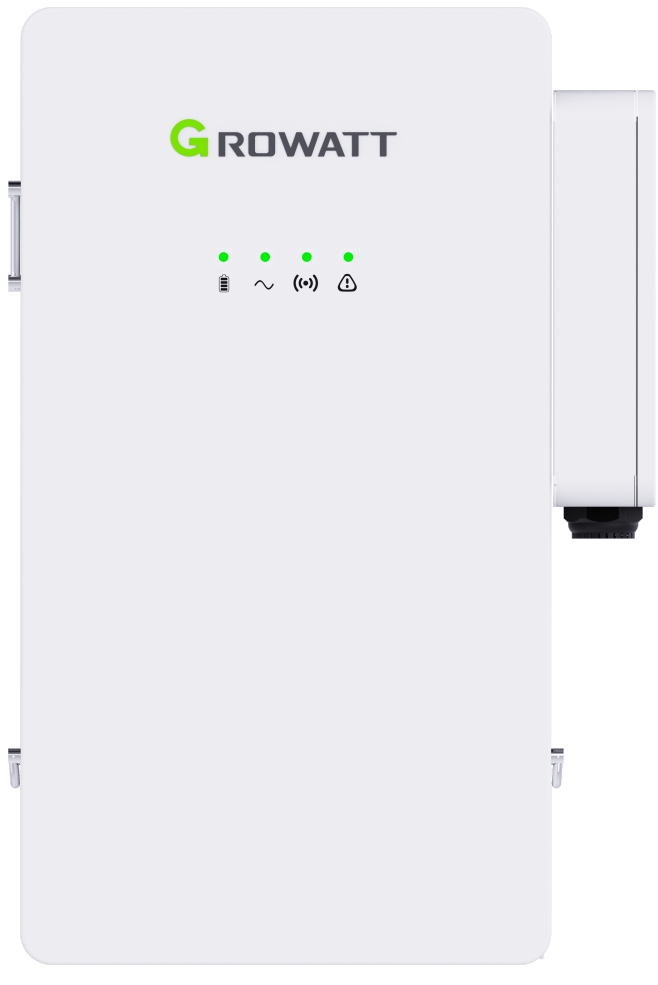
Selecting the right on grid inverter is a critical decision that directly impacts your solar energy system's performance, efficiency, and long-term return on investment. With numerous technical specifications, compatibility requirements, and performance factors to consider, making an informed choice requires understanding how different inverter characteristics align with your specific energy needs and installation conditions.
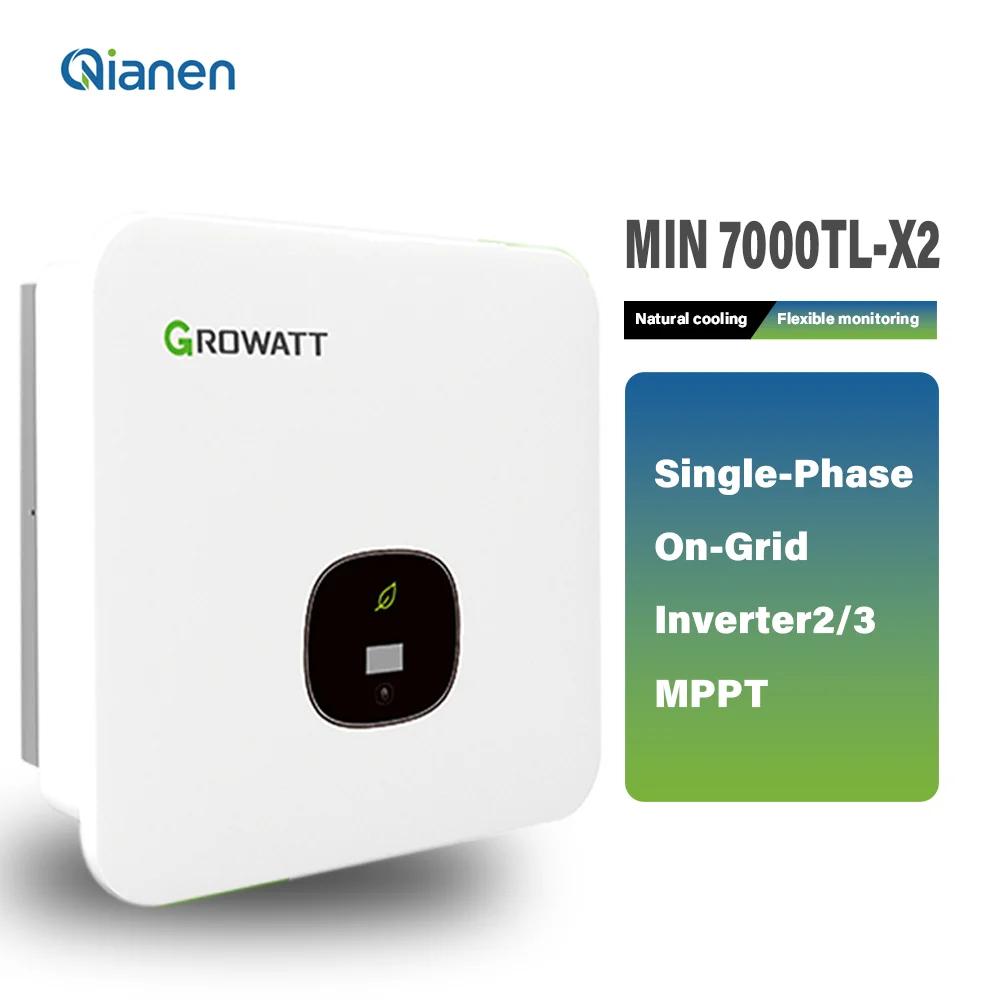
The process of choosing an optimal on grid inverter involves evaluating multiple interconnected factors including power capacity matching, efficiency ratings, monitoring capabilities, safety features, and grid compatibility standards. Understanding these selection criteria ensures your solar investment delivers maximum energy production, reliable operation, and optimal financial benefits over the system's operational lifetime.
Understanding On Grid Inverter Fundamentals for Proper Selection
Core Function and Grid Integration Requirements
An on grid inverter serves as the essential bridge between your solar panel array and the electrical grid, converting direct current from panels into alternating current that matches grid specifications. This conversion process must maintain precise voltage, frequency, and phase synchronization with utility power to ensure safe and efficient energy transfer.
Modern on grid inverter technology incorporates advanced power electronics that continuously monitor grid conditions and automatically adjust output parameters to maintain optimal compatibility. These systems include built-in safety mechanisms that immediately disconnect from the grid during power outages or abnormal conditions, protecting both your equipment and utility workers.
The inverter's grid-tie functionality enables bidirectional energy flow, allowing excess solar production to feed back into the utility grid while drawing power when solar generation is insufficient. This seamless integration maximizes your solar investment by ensuring every kilowatt-hour of production contributes to energy savings or revenue generation through net metering programs.
Power Rating and Capacity Considerations
Determining the appropriate power rating for your on grid inverter requires careful analysis of your solar array's maximum output potential and your facility's energy consumption patterns. The inverter capacity should typically match 85-95% of your total solar panel wattage to account for real-world conditions where panels rarely operate at full nameplate capacity.
Oversizing considerations become important when dealing with varying solar irradiance conditions, panel degradation over time, and potential future system expansion. An appropriately sized On Grid Inverter ensures optimal energy harvesting while maintaining cost-effectiveness and avoiding unnecessary equipment expenses.
Single-phase and three-phase power requirements also influence inverter selection, with residential applications typically using single-phase systems while commercial and industrial installations often require three-phase configurations for balanced load distribution and higher power handling capacity.
Technical Specifications That Maximize Performance Benefits
Efficiency Ratings and Energy Conversion Performance
Maximum efficiency ratings directly translate to increased energy production and higher financial returns from your solar investment. Premium on grid inverter models achieve peak efficiencies exceeding 98%, meaning less than 2% of your solar energy is lost during the conversion process from DC to AC power.
Weighted efficiency metrics provide more realistic performance expectations by accounting for varying operating conditions throughout the day. European efficiency standards offer comprehensive evaluation protocols that better represent real-world performance compared to peak efficiency specifications alone.
Temperature derating characteristics significantly impact inverter performance in hot climates, where ambient temperatures can reduce conversion efficiency and total power output. Selecting an on grid inverter with superior thermal management and minimal temperature derating ensures consistent performance across diverse environmental conditions.
Input Voltage Range and MPPT Optimization
Maximum Power Point Tracking technology within your on grid inverter continuously optimizes energy extraction from solar panels by adjusting operating voltage and current to maintain peak power output. Advanced MPPT algorithms can increase energy harvest by 15-25% compared to simpler PWM-based systems.
Wide input voltage ranges provide greater flexibility in system design and accommodate varying panel configurations, series string lengths, and shading conditions. This flexibility becomes particularly valuable when dealing with partially shaded installations or mixed panel orientations that create voltage variations throughout the day.
Multiple MPPT channels allow independent optimization of different panel groups, maximizing energy production when panels experience different irradiance levels due to shading, orientation differences, or soiling conditions. This feature becomes increasingly important for complex roof layouts or installations with multiple panel orientations.
Safety Features and Grid Compliance Standards
Anti-Islanding Protection and Grid Monitoring
Anti-islanding protection represents a critical safety feature that prevents your on grid inverter from continuing to energize utility lines during power outages. This protection mechanism detects grid disconnection within milliseconds and automatically shuts down inverter output to protect utility workers and prevent equipment damage.
Advanced grid monitoring capabilities continuously assess voltage levels, frequency stability, and power quality parameters to ensure safe operation under all grid conditions. These systems automatically disconnect when utility power falls outside acceptable ranges and reconnect only when stable grid conditions are restored.
Ground fault protection and arc fault detection features provide additional safety layers by identifying potentially dangerous electrical conditions and immediately shutting down the system to prevent fire hazards or electrical shock risks.
Certification Standards and Code Compliance
UL certification and IEEE standards compliance ensure your on grid inverter meets rigorous safety and performance requirements established by recognized testing organizations. These certifications are typically required for utility interconnection approval and may be necessary for warranty claims and insurance coverage.
Local electrical codes and utility interconnection standards vary by region and may require specific features or performance characteristics from your inverter selection. Understanding these requirements before purchasing prevents costly compatibility issues and installation delays.
Rapid shutdown compliance has become increasingly important with updated electrical codes requiring systems to quickly de-energize DC circuits during emergency situations. Modern on grid inverter designs incorporate these features to meet current safety requirements and future code developments.
Advanced Features for Enhanced System Value
Monitoring and Data Analytics Capabilities
Comprehensive monitoring systems provide real-time visibility into your on grid inverter performance, energy production trends, and potential maintenance needs. Advanced platforms offer smartphone apps, web portals, and automated alerts that keep you informed about system status and performance optimization opportunities.
Historical data analysis capabilities help identify performance patterns, seasonal variations, and potential issues before they impact energy production. This information proves valuable for maintenance scheduling, warranty claims, and system performance verification.
Remote diagnostics and troubleshooting features enable service technicians to identify and resolve many issues without site visits, reducing maintenance costs and minimizing system downtime. These capabilities become particularly valuable for commercial installations where production interruptions directly impact revenue.
Future-Proofing and Upgrade Compatibility
Firmware update capabilities ensure your on grid inverter can adapt to changing grid requirements, new safety standards, and performance optimization improvements throughout its operational lifetime. Regular updates can improve efficiency, add features, and maintain compliance with evolving regulations.
Battery-ready inverters provide the flexibility to add energy storage systems in the future without requiring complete inverter replacement. This capability becomes increasingly valuable as battery costs decline and storage applications become more economically attractive.
Communication protocol compatibility ensures integration with smart home systems, energy management platforms, and utility demand response programs that can provide additional value streams from your solar investment.
Installation and Operational Considerations
Environmental Rating and Durability Factors
IP65 or higher environmental ratings ensure your on grid inverter can withstand outdoor installation conditions including rain, dust, and temperature extremes without compromising performance or reliability. Proper environmental protection extends equipment lifetime and reduces maintenance requirements.
Operating temperature ranges and thermal management capabilities directly impact inverter reliability and performance consistency. Units designed for extreme temperature operation maintain full output capacity and efficiency across wider environmental conditions.
Corrosion resistance and UV stability become particularly important for coastal installations or areas with harsh environmental conditions. Premium enclosure materials and protective coatings ensure long-term durability and maintain appearance throughout the system lifetime.
Installation Flexibility and Maintenance Access
Compact designs and flexible mounting options simplify installation in space-constrained locations while maintaining proper ventilation and service access. Wall-mount, ground-mount, and rack-mount configurations provide installation flexibility for diverse project requirements.
Service-friendly designs with accessible connection points, clear labeling, and diagnostic indicators reduce maintenance time and costs. Easy-access designs enable faster troubleshooting and component replacement when necessary.
Modular architectures allow partial system operation during maintenance activities, minimizing production losses and revenue impact for commercial installations. This capability becomes particularly valuable for large systems where complete shutdowns represent significant financial impact.
FAQ
What size on grid inverter do I need for my solar panel system?
The ideal on grid inverter size typically ranges from 85-95% of your total solar panel wattage under standard conditions. For example, a 10kW solar array would require an 8.5-9.5kW inverter. This sizing accounts for real-world factors like panel degradation, varying irradiance, and temperature effects that prevent panels from consistently operating at nameplate capacity.
How do I know if an on grid inverter is compatible with my local utility grid?
Check that your chosen on grid inverter meets local utility interconnection standards and electrical codes, which typically require UL certification, IEEE compliance, and specific safety features like anti-islanding protection. Contact your utility company to obtain their technical requirements document and verify that your selected inverter model appears on their approved equipment list before making a purchase.
What efficiency rating should I look for in an on grid inverter?
Look for on grid inverter models with peak efficiency ratings of 96% or higher and weighted efficiency ratings above 95%. Higher efficiency directly translates to increased energy production and better return on investment. Consider that a 2% efficiency difference on a 10kW system can result in 200-400 kWh of additional annual energy production.
How important are monitoring features when selecting an on grid inverter?
Monitoring capabilities are extremely valuable for maximizing your investment returns and ensuring optimal system performance. Choose an on grid inverter with comprehensive monitoring that includes real-time production data, historical analysis, fault detection, and remote access capabilities. These features help identify issues quickly, verify system performance, and provide documentation for warranty claims or utility interconnection requirements.