EN
EN

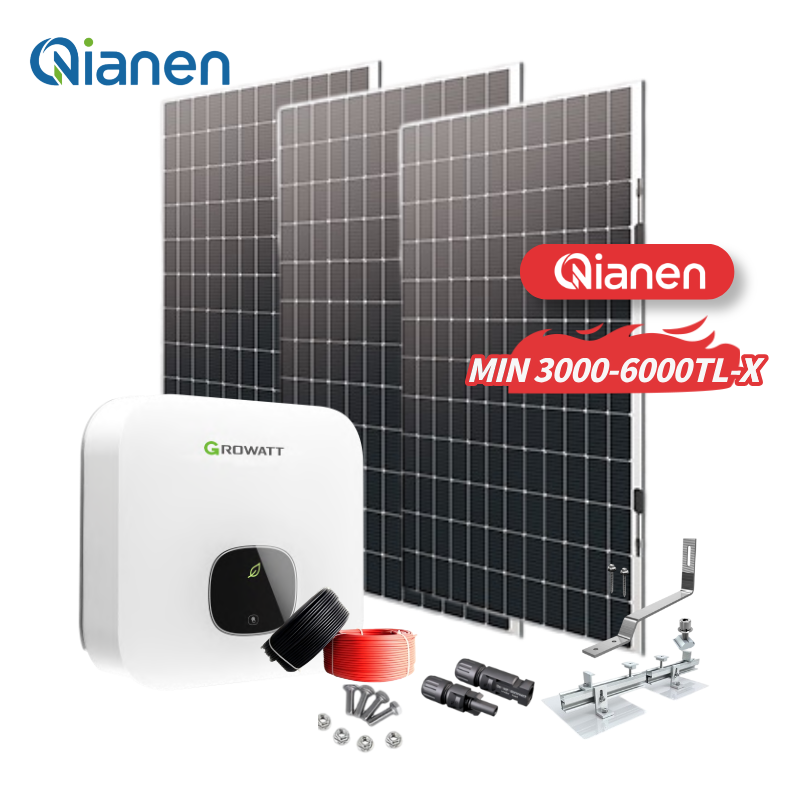
Installing an on grid inverter represents one of the most strategic decisions homeowners and businesses can make when transitioning to solar energy systems. Unlike off-grid alternatives, an on grid inverter connects your solar installation directly to the utility power grid, creating a seamless integration that maximizes both energy efficiency and financial returns. This grid-tied approach offers compelling advantages that extend far beyond simple electricity generation, transforming how property owners approach energy consumption, cost management, and environmental responsibility.
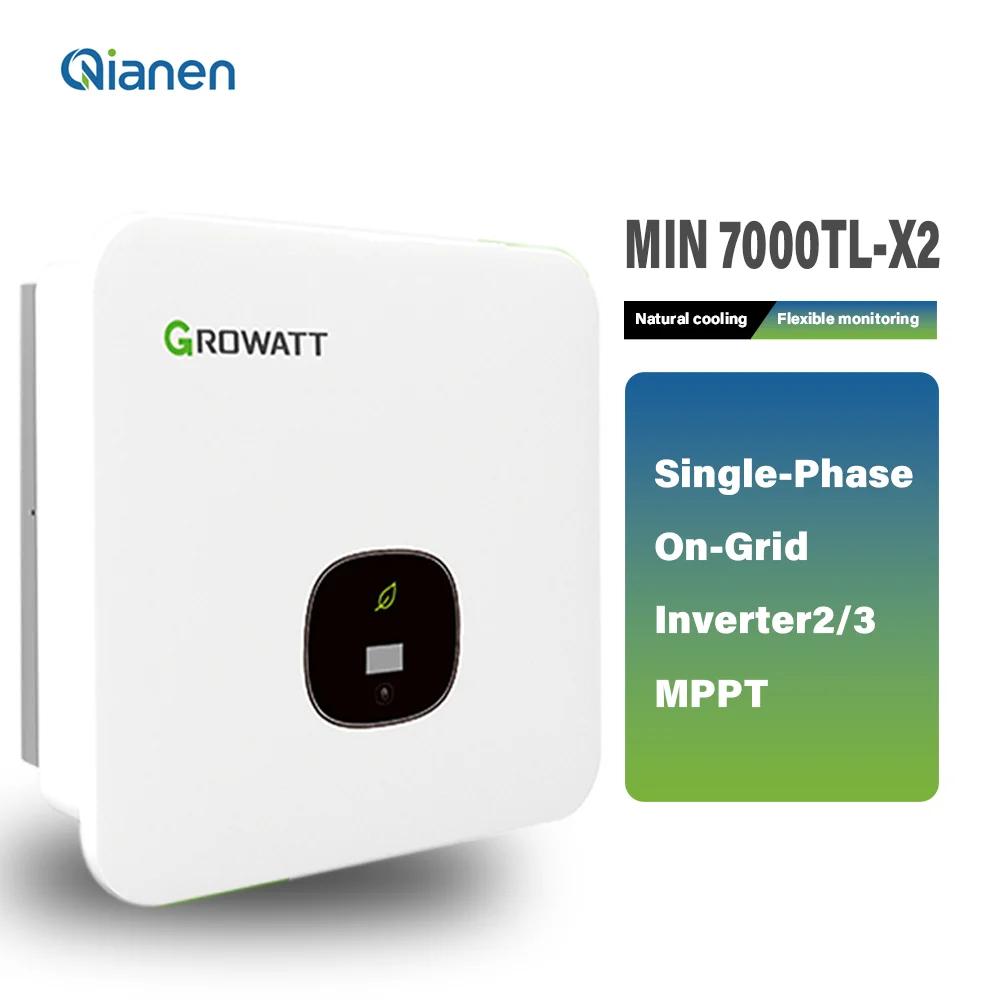
The advantages of installing an on grid inverter encompass immediate financial benefits, long-term energy security, simplified maintenance requirements, and enhanced system reliability. These grid-connected systems eliminate the need for expensive battery storage while providing access to net metering programs, utility backup power, and streamlined installation processes. Understanding these comprehensive benefits enables informed decision-making for anyone considering solar energy adoption, whether for residential properties, commercial facilities, or industrial applications.
Financial and Economic Advantages
Net Metering Revenue Generation
Net metering represents the most significant financial advantage of installing an on grid inverter system. When your solar panels generate more electricity than your property consumes, the excess power flows back into the utility grid through your on grid inverter. Most utility companies credit your account for this surplus energy at retail electricity rates, effectively turning your electric meter backward during peak solar production hours.
These net metering credits accumulate throughout the billing cycle, offsetting electricity consumption during evening hours or cloudy periods when solar generation decreases. Property owners with properly sized on grid inverter systems often achieve net-zero electricity bills, with some generating enough surplus to build credit balances that carry forward to subsequent billing periods.
The financial impact becomes particularly pronounced during summer months when solar generation peaks and air conditioning demands increase electricity consumption. An optimally configured on grid inverter system can generate sufficient daytime credits to cover evening cooling costs, dramatically reducing monthly utility expenses while maintaining comfortable indoor environments.
Elimination of Battery Storage Costs
Installing an on grid inverter eliminates the substantial upfront investment required for battery storage systems. Traditional off-grid solar installations demand expensive battery banks, charge controllers, and specialized maintenance protocols that can add $10,000 to $30,000 to initial system costs depending on capacity requirements and battery technology selection.
Battery replacement costs present additional long-term financial considerations, as most solar batteries require replacement every 5-10 years depending on usage patterns and environmental conditions. On Grid Inverter systems bypass these recurring expenses entirely by utilizing the utility grid as virtual energy storage, drawing power when needed and contributing excess generation when available.
The cost savings extend beyond initial purchase prices to include reduced system complexity, fewer component failure points, and simplified monitoring requirements. These factors combine to deliver superior return on investment compared to battery-dependent alternatives, particularly for properties with reliable grid connections and favorable net metering policies.
Lower Installation and Maintenance Expenses
On grid inverter installations typically cost significantly less than comparable off-grid systems due to reduced component requirements and simplified wiring configurations. Professional installers can complete grid-tied systems faster with fewer specialized components, reducing labor costs and project timelines while maintaining high safety and performance standards.
Maintenance requirements remain minimal throughout the system lifespan, with most on grid inverter units requiring only periodic visual inspections and basic cleaning procedures. Advanced monitoring capabilities built into modern grid-tied inverters provide real-time performance data and automatic fault detection, enabling proactive maintenance scheduling and rapid issue resolution when problems arise.
Technical and Performance Benefits
Enhanced System Efficiency and Reliability
Modern on grid inverter technology delivers exceptional power conversion efficiency, typically achieving 95-98% efficiency ratings under optimal operating conditions. This high efficiency translates directly into maximum energy harvest from solar panel installations, ensuring property owners capture the full financial and environmental benefits of their renewable energy investment.
Grid-tied systems benefit from utility grid stability, which provides consistent voltage and frequency references that enable optimal inverter performance. The on grid inverter synchronizes seamlessly with utility power, maintaining precise electrical characteristics that maximize power transfer efficiency while protecting connected equipment from voltage fluctuations or frequency variations.
System reliability improves significantly when connected to stable utility infrastructure, as temporary solar generation interruptions due to weather conditions or equipment maintenance do not affect property power availability. The on grid inverter automatically transitions between solar generation and utility power consumption without interrupting electrical service to connected loads.
Simplified Electrical Integration
Installing an on grid inverter simplifies electrical integration with existing property infrastructure through standardized connection protocols and established safety procedures. Licensed electricians can connect grid-tied systems using conventional electrical panels and disconnects, eliminating the need for specialized DC distribution equipment or custom wiring configurations required by off-grid alternatives.
The integration process follows well-established electrical codes and utility interconnection standards, ensuring consistent installation quality and regulatory compliance across different regions and utility service territories. This standardization reduces installation complexity while maintaining high safety standards and optimal system performance.
Grid-tied systems automatically synchronize with utility power characteristics, eliminating manual adjustments or complex configuration procedures. The on grid inverter continuously monitors grid conditions and adjusts output parameters to maintain optimal power quality and electrical compatibility with utility infrastructure.
Advanced Monitoring and Control Capabilities
Contemporary on grid inverter systems include sophisticated monitoring capabilities that provide detailed performance data, energy production analytics, and system health diagnostics through web-based interfaces and mobile applications. These monitoring systems track daily, monthly, and annual energy generation while identifying potential performance issues before they impact system output.
Remote monitoring capabilities enable property owners to track energy production and consumption patterns from any internet-connected device, facilitating informed energy management decisions and optimization opportunities. Many on grid inverter models include utility-grade metering functions that provide revenue-quality energy measurements for net metering settlements and financial analysis.
Advanced control features built into modern grid-tied inverters support utility grid stability through reactive power management, voltage regulation assistance, and frequency response capabilities. These smart grid functions enhance overall electrical system reliability while positioning solar installations as valuable grid assets rather than passive energy consumers.
Environmental and Sustainability Advantages
Maximized Renewable Energy Utilization
On grid inverter systems maximize renewable energy utilization by ensuring every kilowatt-hour of solar generation contributes to clean energy goals, whether consumed locally or exported to the utility grid for use by neighboring properties. This comprehensive energy utilization approach amplifies the environmental benefits of solar installations beyond individual property boundaries.
Grid-tied systems eliminate energy waste associated with battery charging losses and storage limitations common in off-grid installations. The on grid inverter converts solar energy directly into grid-compatible AC power without intermediate storage steps, maintaining maximum conversion efficiency and environmental benefit throughout the process.
The cumulative environmental impact becomes particularly significant when multiple properties in the same area install grid-tied solar systems, creating distributed renewable energy networks that reduce regional dependence on fossil fuel generation while improving local air quality and reducing carbon emissions.
Reduced Carbon Footprint Without Battery Manufacturing Impact
Installing an on grid inverter avoids the environmental impact associated with battery manufacturing, mining operations for battery materials, and battery disposal challenges that affect off-grid solar systems. Battery production requires significant energy inputs and involves mining operations with substantial environmental consequences, particularly for lithium, cobalt, and other critical battery materials.
Grid-tied systems eliminate these environmental considerations while delivering equivalent renewable energy benefits through direct grid integration. The on grid inverter enables immediate carbon footprint reduction without the additional environmental costs associated with energy storage manufacturing and eventual disposal requirements.
Long-term environmental benefits compound over the 25-30 year lifespan of typical solar installations, as grid-tied systems continue generating clean energy without requiring battery replacements or dealing with storage-related environmental impacts throughout their operational lifetime.
Practical Implementation and Accessibility Benefits
Streamlined Permitting and Installation Process
The permitting process for on grid inverter installations follows standardized procedures established by local building departments and utility companies, resulting in predictable timelines and reduced administrative complexity compared to off-grid alternatives. Most jurisdictions have streamlined approval processes for grid-tied solar systems due to their proven safety record and established installation practices.
Utility interconnection procedures for grid-tied systems follow well-defined protocols that facilitate rapid approval and connection to the electrical grid. The on grid inverter includes built-in safety features and grid protection functions that satisfy utility requirements without additional equipment or complex configuration procedures.
Installation timelines typically remain shorter for grid-tied systems due to reduced component complexity and standardized connection procedures. Professional installers can complete most residential on grid inverter installations within 1-2 days, minimizing disruption to property occupants while ensuring optimal system performance and safety compliance.
Scalability and Future Expansion Opportunities
On grid inverter systems offer exceptional scalability, allowing property owners to start with smaller installations and expand capacity over time as energy needs grow or budget permits. The grid connection provides unlimited virtual storage capacity, enabling system expansion without concerns about battery capacity limitations or storage infrastructure modifications.
Future expansion projects can incorporate additional solar panels and parallel on grid inverter units without modifying existing system components or interrupting ongoing energy generation. This modular approach enables property owners to optimize their renewable energy investment timing while maintaining system efficiency and performance throughout the expansion process.
Grid-tied systems easily accommodate emerging technologies like electric vehicle charging, heat pump installations, or other electrification projects by simply expanding solar capacity to match increased energy demands. The on grid inverter automatically adjusts to changing load patterns while maintaining optimal power quality and grid synchronization.
Universal Compatibility and Accessibility
Installing an on grid inverter provides universal compatibility with standard electrical equipment and appliances, eliminating the need for specialized DC appliances or custom electrical configurations required by some off-grid systems. Property owners can continue using existing electrical devices without modifications or replacements while enjoying the benefits of solar energy generation.
The grid connection ensures consistent power availability during periods of limited solar generation, maintaining comfortable living conditions and operational continuity for businesses regardless of weather conditions or seasonal variations in solar resource availability.
Grid-tied systems remain accessible to property owners with varying energy consumption patterns and usage schedules, as the utility grid provides flexible energy supply and demand balancing without requiring complex load management or energy storage optimization strategies.
FAQ
How much money can I save by installing an on grid inverter system?
Savings from an on grid inverter installation depend on local electricity rates, solar resource availability, system size, and net metering policies. Most property owners achieve 50-90% reduction in electricity bills, with many reaching net-zero energy costs. Typical residential systems save $1,000-$2,500 annually, providing 15-25% return on investment over the system lifespan. The elimination of battery storage costs can reduce initial investment by $15,000-$25,000 compared to off-grid alternatives.
What happens to my on grid inverter system during power outages?
Standard on grid inverter systems automatically shut down during utility power outages for safety reasons, preventing electricity from flowing back into the grid where utility workers might be making repairs. However, some advanced on grid inverter models offer backup power capabilities through battery integration or special islanding features that can power critical loads during outages while maintaining safety protocols and utility requirements.
How long do on grid inverter systems typically last?
Quality on grid inverter units typically operate reliably for 15-25 years with minimal maintenance requirements. Most manufacturers provide 10-20 year warranties covering defects and performance guarantees. The solar panels themselves usually last 25-30 years, often outlasting the original inverter. When replacement becomes necessary, upgrading to newer inverter technology often improves system efficiency and monitoring capabilities while maintaining compatibility with existing solar panels.
Can I add battery storage to my on grid inverter system later?
Many on grid inverter systems can accommodate battery storage additions through hybrid inverter upgrades or AC-coupled battery systems. This flexibility allows property owners to start with a simpler grid-tied installation and add energy storage capabilities later when prices decrease or specific backup power needs arise. The existing solar panels and electrical connections typically remain compatible with battery integration projects, minimizing upgrade costs and system modifications.