EN
EN

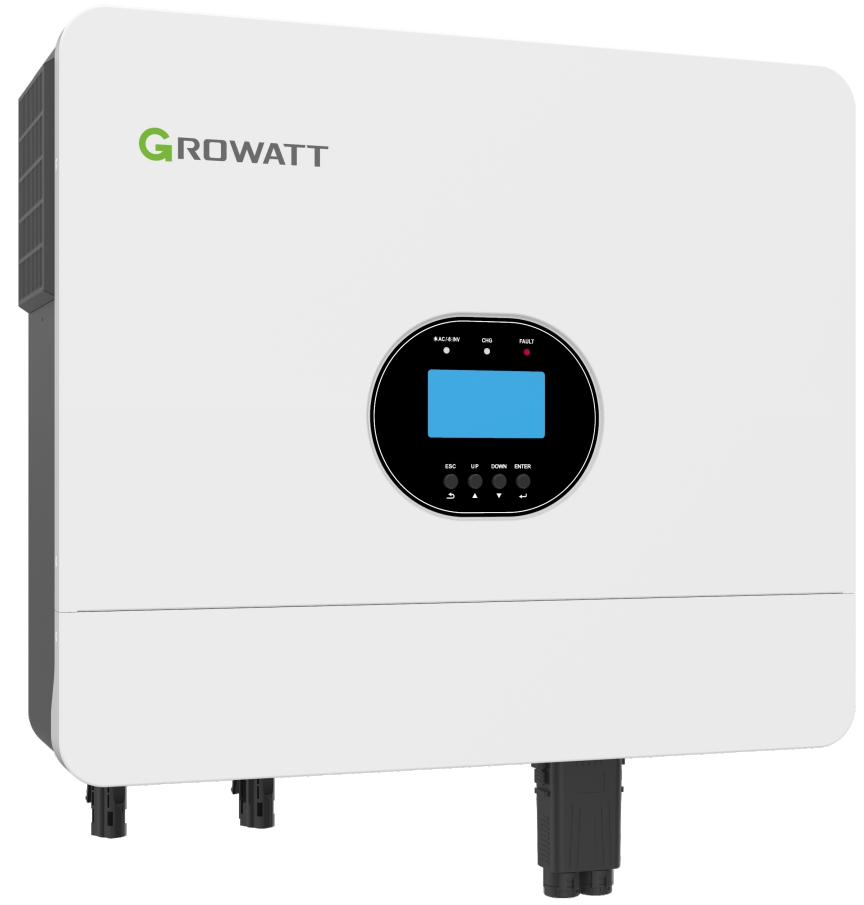
The rising popularity of on grid inverters in modern solar solutions stems from their unique ability to seamlessly integrate renewable energy systems with existing electrical infrastructure. As businesses and homeowners increasingly seek cost-effective and reliable solar energy solutions, the on grid inverter has emerged as a cornerstone technology that enables efficient power conversion while maintaining grid connectivity. This widespread adoption reflects both technological advancement and economic practicality in the renewable energy sector.
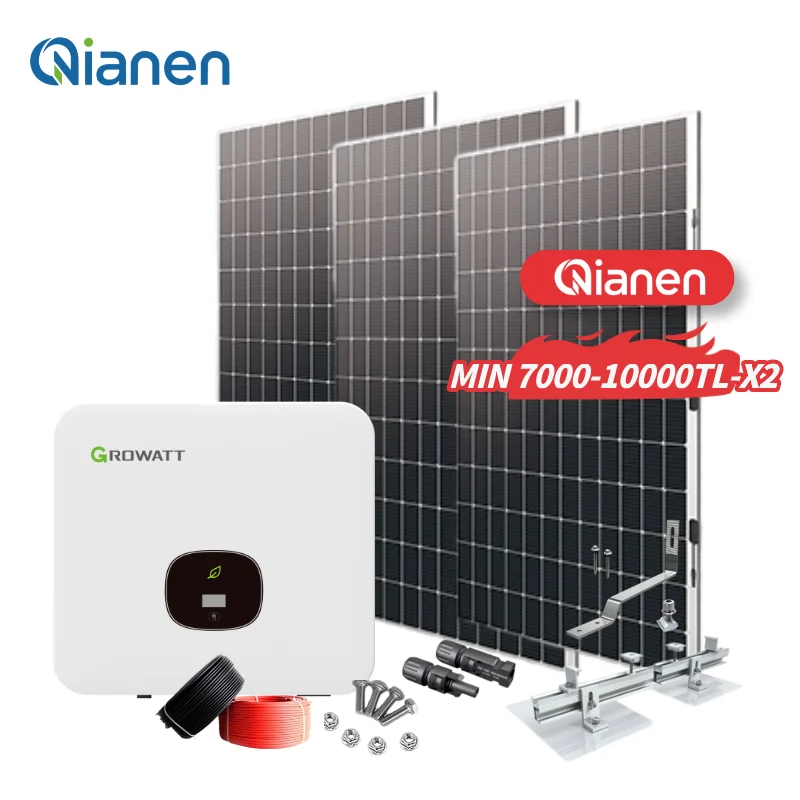
Understanding why on grid inverters have gained such prominence requires examining their fundamental role in modern energy systems and the specific advantages they offer over alternative solar technologies. These devices serve as critical interfaces between solar panels and the electrical grid, converting direct current from photovoltaic systems into alternating current that can be used immediately or fed back into the utility network. The popularity of on grid inverters reflects their ability to deliver both immediate energy savings and long-term financial returns through net metering programs.
Economic Advantages Driving On Grid Inverter Adoption
Reduced Initial Investment Requirements
One primary reason for the popularity of on grid inverters lies in their significantly lower initial investment compared to off-grid systems. Unlike standalone solar installations that require expensive battery storage systems, an on grid inverter system leverages the existing electrical grid as a virtual battery. This approach eliminates the need for costly energy storage infrastructure while still providing access to clean solar energy during daylight hours.
The cost-effectiveness of on grid inverter installations makes solar technology accessible to a broader range of consumers and businesses. Property owners can implement solar solutions without the substantial upfront costs associated with battery systems, while still achieving meaningful reductions in their electricity bills. This economic accessibility has been instrumental in driving widespread adoption across residential, commercial, and industrial sectors.
Furthermore, the simplified installation process associated with on grid inverter systems reduces labor costs and project complexity. Electrical contractors familiar with grid-tied systems can complete installations more efficiently, contributing to overall project affordability and faster deployment timelines.
Net Metering Financial Benefits
The popularity of on grid inverters is significantly enhanced by net metering programs that allow system owners to sell excess electricity back to the utility grid. When solar panels produce more energy than immediate consumption requires, the On Grid Inverter enables seamless power export to the electrical network. This capability transforms solar installations into potential revenue generators rather than mere consumption reducers.
Net metering arrangements create compelling financial incentives that improve the return on investment for solar projects. During peak production periods, excess energy credits can offset consumption during non-productive hours, effectively allowing the grid to function as free energy storage. This economic model has proven particularly attractive to commercial enterprises with daytime energy production that exceeds immediate operational needs.
The financial predictability offered by net metering programs also facilitates easier financing for solar projects. Lenders and investors can more accurately calculate projected returns when grid connectivity ensures consistent energy credit opportunities, making capital more readily available for on grid inverter installations.
Technical Reliability and Performance Factors
Grid Stability and Power Quality
Modern on grid inverters incorporate advanced power electronics that ensure stable grid integration while maintaining high power quality standards. These systems feature sophisticated synchronization capabilities that match grid frequency and voltage parameters precisely, preventing power quality issues that could affect both the solar installation and connected electrical equipment. The reliability of grid-tied operation has made on grid inverter technology particularly appealing to commercial and industrial users who require consistent power quality.
The built-in safety features of contemporary on grid inverters include automatic disconnection capabilities during grid outages, protecting utility workers and preventing dangerous backfeed conditions. These safety mechanisms, combined with advanced monitoring systems, provide operators with confidence in system reliability while meeting stringent electrical codes and safety standards.
Additionally, the power conditioning capabilities of modern on grid inverters help improve overall power factor and reduce harmonic distortion in electrical systems. These technical benefits contribute to improved electrical efficiency and reduced stress on electrical infrastructure, making on grid inverter installations attractive from both performance and maintenance perspectives.
Maintenance Simplicity and System Longevity
The popularity of on grid inverters is further supported by their relatively simple maintenance requirements compared to complex off-grid systems. Without battery storage components that require regular maintenance, replacement, and monitoring, on grid inverter systems offer lower long-term operational costs and reduced maintenance complexity. This simplicity appeals to property owners seeking reliable renewable energy without intensive system management requirements.
Modern on grid inverter designs incorporate robust components and advanced cooling systems that extend operational lifespan while minimizing maintenance interventions. Many units feature remote monitoring capabilities that allow proactive identification of performance issues before they impact system operation, reducing downtime and maintenance costs over the system lifecycle.
The proven track record of grid-tied solar installations has demonstrated the long-term reliability of quality on grid inverter systems. With proper installation and minimal maintenance, these systems can provide decades of reliable service, making them attractive long-term investments for both residential and commercial applications.
Scalability and Installation Flexibility
Modular System Design Advantages
The modular nature of on grid inverter systems enables flexible installation approaches that can accommodate varying energy requirements and site constraints. Unlike off-grid systems that must be sized for worst-case scenarios and peak demand periods, on grid inverter installations can be optimized for average production and consumption patterns. This flexibility allows for more efficient system sizing and better return on investment calculations.
Property owners can implement phased installation approaches with on grid inverter systems, starting with smaller installations and expanding capacity over time as budget and energy needs evolve. This scalability feature has made solar technology accessible to users who might not have the immediate capital for comprehensive energy independence but want to begin capturing solar benefits incrementally.
The compatibility of on grid inverter technology with various solar panel configurations and mounting systems provides additional installation flexibility. Installers can adapt system designs to accommodate complex roof geometries, shading conditions, and aesthetic requirements while maintaining optimal energy production and grid integration performance.
Integration with Smart Grid Technologies
Modern on grid inverters are increasingly designed to support smart grid initiatives and advanced energy management capabilities. These systems can respond to grid signals for demand response programs, participate in frequency regulation services, and support voltage regulation in distribution networks. This advanced functionality positions on grid inverter installations as valuable grid assets rather than simple energy consumers.
The communication capabilities built into contemporary on grid inverters enable participation in virtual power plant programs and energy trading platforms. These emerging opportunities create additional revenue streams beyond traditional net metering arrangements, enhancing the financial attractiveness of grid-tied solar investments.
Furthermore, the data collection capabilities of smart on grid inverters provide valuable insights into energy consumption patterns and system performance. This information supports optimized energy management decisions and helps identify opportunities for additional efficiency improvements throughout electrical systems.
Environmental and Regulatory Alignment
Supporting Renewable Energy Goals
The popularity of on grid inverters aligns closely with environmental sustainability objectives and renewable energy mandates implemented by governments worldwide. By enabling efficient integration of distributed solar generation into existing electrical infrastructure, on grid inverter technology supports broader decarbonization goals without requiring complete infrastructure replacement. This compatibility with existing systems accelerates renewable energy adoption while minimizing transition costs.
The environmental benefits of on grid inverter installations extend beyond direct carbon reduction through clean energy generation. By reducing transmission losses associated with centralized power generation and enabling distributed energy resources, these systems contribute to overall electrical system efficiency and reduced environmental impact from electricity production and distribution.
Additionally, the widespread adoption of on grid inverter technology helps drive manufacturing scale economies that reduce costs and improve accessibility of solar technology. This market development supports accelerated renewable energy deployment and helps achieve environmental benefits more quickly and cost-effectively.
Regulatory Support and Incentive Alignment
Government incentive programs and regulatory frameworks have generally favored grid-tied solar installations, contributing significantly to on grid inverter popularity. Tax credits, rebates, and financing programs often require grid connectivity to qualify, making on grid inverter systems the preferred choice for accessing available financial incentives. This regulatory support has created strong market drivers favoring grid-tied installations over standalone systems.
Building codes and electrical standards have evolved to accommodate and encourage on grid inverter installations while maintaining safety and reliability requirements. Streamlined permitting processes for grid-tied systems have reduced administrative burdens and accelerated deployment timelines, making these installations more attractive to developers and property owners.
The regulatory certainty provided by established interconnection standards and net metering policies has created confidence in long-term system economics. This predictable regulatory environment supports financing availability and investment decisions, contributing to sustained growth in on grid inverter adoption across various market segments.
FAQ
What makes on grid inverters more cost-effective than off-grid alternatives?
On grid inverters eliminate the need for expensive battery storage systems by using the electrical grid as virtual storage. This significantly reduces initial investment costs while still providing access to solar energy benefits through net metering programs that allow selling excess electricity back to the utility.
How do on grid inverters ensure safe operation during power outages?
Modern on grid inverters include automatic anti-islanding protection that immediately disconnects the solar system from the grid during outages. This safety feature prevents dangerous backfeed conditions that could endanger utility workers and ensures compliance with electrical safety codes and regulations.
Can on grid inverter systems be expanded after initial installation?
Yes, on grid inverter systems offer excellent scalability through modular design approaches. Property owners can start with smaller installations and add capacity over time as budget allows or energy needs increase, making solar technology accessible through phased implementation strategies.
What role do on grid inverters play in smart grid development?
Contemporary on grid inverters support smart grid initiatives through advanced communication capabilities, demand response participation, and voltage regulation services. These features enable solar installations to function as valuable grid assets that contribute to overall electrical system stability and efficiency.