EN
EN

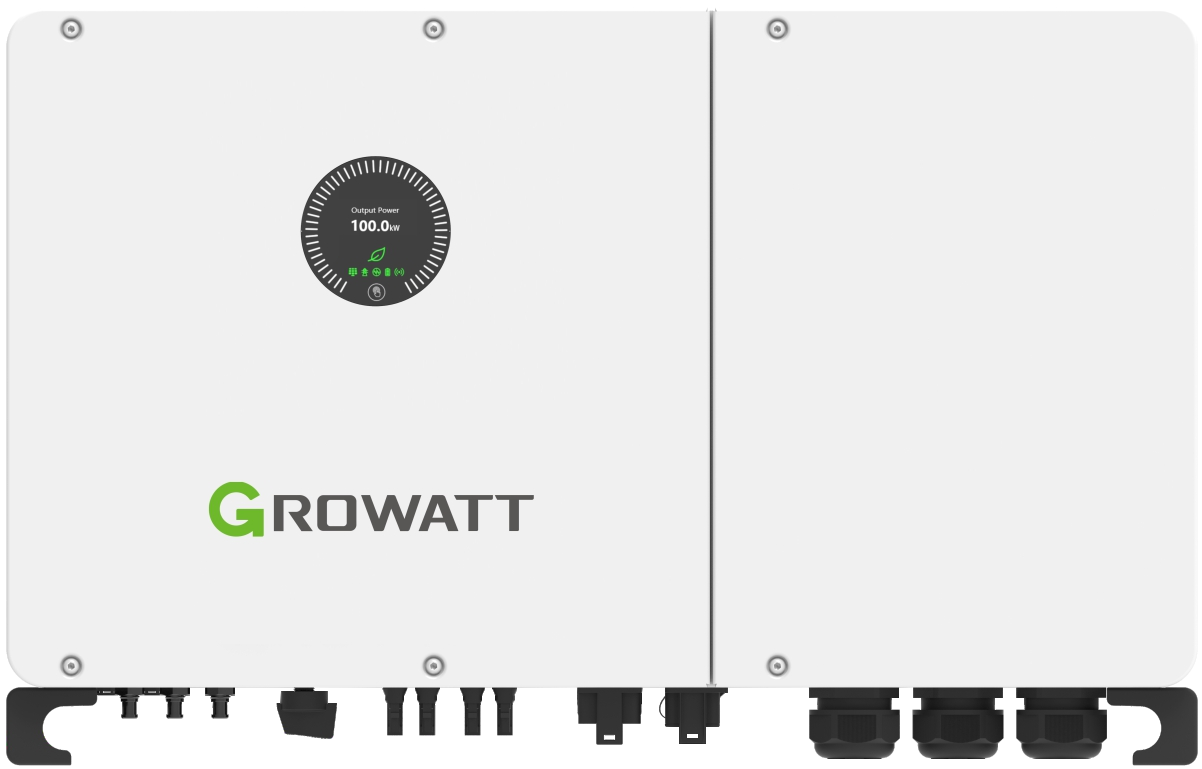
A hybrid solar inverter represents a revolutionary advancement in renewable energy technology that combines the functionality of traditional solar inverters with advanced battery management capabilities. This sophisticated device serves as the central control unit in modern solar power systems, managing energy flow between solar panels, batteries, and the electrical grid while maximizing system efficiency and energy independence. Understanding what makes a hybrid solar inverter unique and why it delivers superior efficiency compared to conventional inverters is essential for anyone considering a comprehensive solar energy solution.
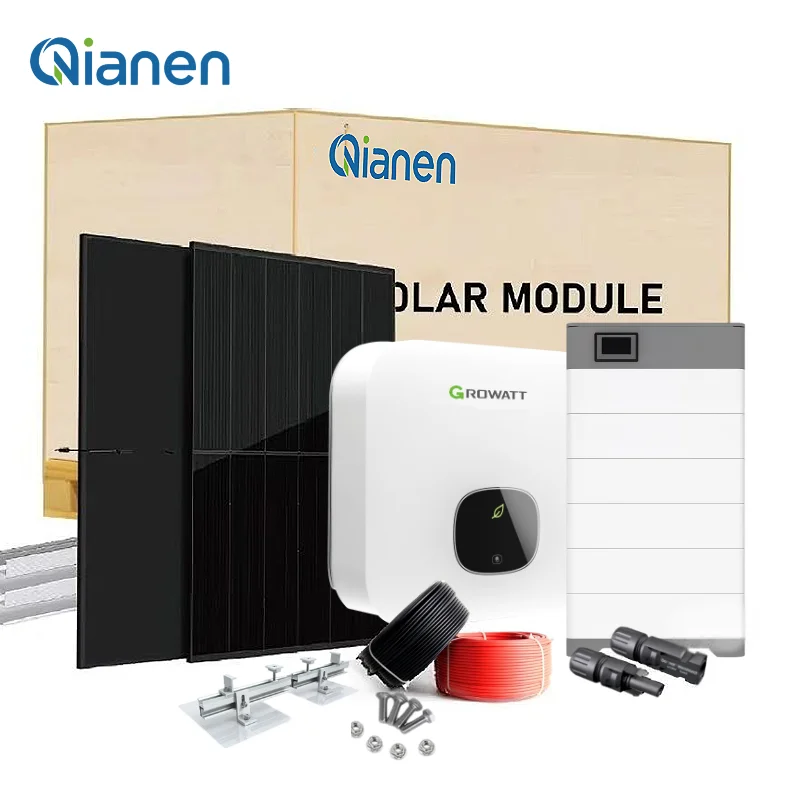
The efficiency advantages of a hybrid solar inverter stem from its intelligent energy management system that optimizes power distribution based on real-time conditions and energy demands. Unlike standard grid-tie inverters that can only convert DC power from solar panels to AC power for immediate use or grid export, a hybrid solar inverter incorporates sophisticated algorithms that determine the most efficient energy pathway at any given moment. This advanced functionality enables homeowners and businesses to achieve maximum energy utilization while reducing dependency on grid electricity and minimizing energy waste throughout the entire solar power system.
Core Architecture and Functionality of Hybrid Solar Inverters
Multi-Directional Power Conversion Technology
The fundamental design of a hybrid solar inverter enables bidirectional power conversion that distinguishes it from conventional inverter technologies. This advanced system can simultaneously convert DC power from solar panels to AC power for household consumption while also managing DC power flow to and from battery storage systems. The hybrid solar inverter employs sophisticated power electronics that include multiple MPPT controllers, battery charge controllers, and grid-tie functionality within a single integrated unit. This consolidated approach eliminates the need for separate charge controllers and battery inverters, reducing system complexity and improving overall energy conversion efficiency.
The power conversion process within a hybrid solar inverter involves multiple stages of energy transformation that are carefully orchestrated to minimize losses and maximize efficiency. During peak solar production periods, the hybrid solar inverter prioritizes direct power supply to connected loads while simultaneously charging battery storage systems when excess energy is available. The advanced switching technology employed in modern hybrid solar inverters achieves conversion efficiencies exceeding 97%, ensuring that minimal energy is lost during the transformation processes. This high-efficiency conversion is maintained across varying load conditions and environmental factors, providing consistent performance throughout different operational scenarios.
Integrated Battery Management System
A critical component that enhances the efficiency of a hybrid solar inverter is its integrated battery management system that optimizes charging and discharging cycles based on multiple operational parameters. This sophisticated system continuously monitors battery voltage, current, temperature, and state of charge to ensure optimal battery performance and longevity. The hybrid solar inverter employs advanced charging algorithms that adapt to different battery chemistries, including lithium-ion, lead-acid, and emerging battery technologies, ensuring maximum energy storage efficiency regardless of the specific battery type installed in the system.
The battery management functionality within a hybrid solar inverter extends beyond basic charging and discharging operations to include predictive energy management capabilities. These systems analyze historical energy consumption patterns, weather forecasts, and real-time grid conditions to make intelligent decisions about energy storage and utilization. By optimizing battery cycling and maintaining batteries within optimal operating parameters, the hybrid solar inverter significantly extends battery life while maximizing the overall system efficiency and return on investment for solar power installations.
Advanced Efficiency Mechanisms and Smart Energy Management
Dynamic Load Prioritization and Energy Routing
The exceptional efficiency of a hybrid solar inverter is largely attributed to its dynamic load prioritization system that intelligently routes energy to minimize waste and maximize utilization. This advanced functionality continuously analyzes real-time energy production from solar panels, current household or facility energy demands, battery charge levels, and grid conditions to determine the optimal energy distribution strategy. The hybrid solar inverter can instantly switch between different operational modes, including grid-tie, off-grid, and backup power modes, ensuring that energy is always delivered through the most efficient pathway available at any given moment.
The smart energy routing capabilities of a hybrid solar inverter include sophisticated algorithms that predict energy needs based on historical consumption patterns and external factors such as weather conditions and time-of-use electricity rates. During periods of high solar production, the system prioritizes direct power supply to immediate loads, channels excess energy to battery storage, and only exports surplus power to the grid when batteries are fully charged. This intelligent energy management approach ensures that the maximum amount of self-generated solar energy is utilized on-site, reducing grid dependency and maximizing the economic benefits of the solar power system while maintaining optimal efficiency throughout all operational conditions.
Maximum Power Point Tracking Optimization
Modern hybrid solar inverters incorporate multiple Maximum Power Point Tracking controllers that significantly enhance energy harvesting efficiency from solar panel arrays under varying environmental conditions. Unlike single MPPT systems found in basic inverters, advanced hybrid solar inverters feature multiple independent MPPT inputs that can optimize power extraction from different solar panel strings separately. This capability is particularly beneficial in installations where solar panels may experience partial shading, different orientations, or varying panel specifications, allowing the hybrid solar inverter to extract maximum available power from each panel string independently.
The MPPT optimization technology within a hybrid solar inverter employs sophisticated tracking algorithms that continuously adjust the electrical load presented to solar panels to maintain operation at the maximum power point throughout changing environmental conditions. These systems can respond to variations in solar irradiance, temperature, and atmospheric conditions within milliseconds, ensuring that energy harvesting efficiency remains optimized even during rapidly changing weather conditions. The advanced MPPT functionality combined with the hybrid solar inverter's intelligent energy management capabilities results in overall system efficiency improvements of 15-25% compared to traditional solar inverter configurations.
Grid Integration and Energy Independence Benefits
Seamless Grid Interaction and Backup Power Capabilities
The efficiency advantages of a hybrid solar inverter extend to its sophisticated grid interaction capabilities that enable seamless transitions between grid-connected and island mode operations. During normal grid-connected operation, the hybrid solar inverter synchronizes with grid frequency and voltage while providing high-quality AC power that meets or exceeds utility standards. The system continuously monitors grid conditions and can instantly disconnect from the grid during power outages or grid instability events, automatically transitioning to backup power mode using stored battery energy. This rapid switching capability, typically occurring within 10-20 milliseconds, ensures uninterrupted power supply to critical loads while maintaining system safety and compliance with electrical codes.
The backup power functionality of a hybrid solar inverter provides significant efficiency benefits by eliminating the need for separate uninterruptible power supply systems or backup generators for many applications. During grid outages, the hybrid solar inverter can continue to harvest solar energy during daylight hours while simultaneously providing power from battery storage, effectively creating an independent microgrid that can operate indefinitely as long as solar energy and battery capacity are sufficient. This capability not only provides energy security but also maintains high efficiency by utilizing renewable energy sources even during grid disruptions, reducing reliance on fossil fuel-powered backup systems.
Time-of-Use Optimization and Peak Shaving
Advanced hybrid solar inverters incorporate time-of-use optimization features that significantly enhance economic efficiency by strategically managing energy consumption and storage based on variable electricity pricing structures. These intelligent systems can be programmed to understand utility rate schedules and automatically adjust energy usage patterns to minimize electricity costs while maximizing the value of stored solar energy. During off-peak hours when electricity rates are lowest, the hybrid solar inverter can charge batteries from the grid if necessary, while during peak rate periods, the system prioritizes the use of stored solar energy to reduce expensive grid electricity consumption.
Peak shaving capabilities of a hybrid solar inverter provide additional efficiency benefits by reducing maximum demand charges that can represent a significant portion of commercial electricity bills. The system continuously monitors electrical load patterns and automatically supplements grid power with battery-stored energy during high-demand periods, effectively flattening the load curve and reducing peak demand charges. This intelligent load management not only reduces electricity costs but also contributes to grid stability by reducing stress on electrical infrastructure during peak demand periods, making the hybrid solar inverter an efficient solution for both economic and environmental objectives.
Installation Versatility and System Integration Efficiency
Simplified System Architecture and Reduced Component Count
The integrated design of a hybrid solar inverter delivers significant installation and operational efficiency benefits by consolidating multiple system components into a single sophisticated unit. Traditional solar-plus-storage systems require separate solar inverters, battery inverters, charge controllers, and monitoring systems, each with their own efficiency losses and potential failure points. A hybrid solar inverter combines all these functions into one optimized device, reducing overall system complexity, installation time, and potential efficiency losses that occur at component interfaces. This consolidation approach typically reduces installation costs by 20-30% while improving overall system reliability and efficiency through optimized component integration and reduced electrical connections.
The simplified system architecture enabled by a hybrid solar inverter also reduces ongoing maintenance requirements and improves long-term system efficiency through integrated monitoring and diagnostic capabilities. With fewer separate components to monitor and maintain, system operators can more easily track performance and identify potential issues before they impact overall efficiency. The integrated approach also enables more sophisticated system optimization algorithms that can consider all system components simultaneously, rather than optimizing individual components in isolation, resulting in superior overall system efficiency and performance compared to systems built with separate components.
Scalability and Future-Proofing Advantages
Modern hybrid solar inverters offer exceptional scalability that allows systems to grow and adapt to changing energy needs while maintaining optimal efficiency throughout the expansion process. Many hybrid solar inverter systems support modular expansion capabilities that enable additional solar panels, battery capacity, or even multiple inverter units to be added to existing installations without requiring complete system redesigns. This scalability ensures that initial investments in hybrid solar inverter technology can be leveraged and expanded over time, providing long-term efficiency benefits as energy needs evolve or as budget allows for system enhancements.
The future-proofing capabilities of advanced hybrid solar inverters include support for emerging technologies such as electric vehicle charging integration, smart home energy management systems, and advanced grid services that can provide additional revenue streams. These systems are designed with flexible communication protocols and expandable hardware architectures that can accommodate new features and capabilities through software updates and hardware additions. This forward-looking design approach ensures that hybrid solar inverter investments remain efficient and valuable even as technology continues to evolve, providing sustained efficiency benefits and return on investment over the typical 20-25 year lifespan of solar power systems.
FAQ
How does a hybrid solar inverter differ from a standard solar inverter?
A hybrid solar inverter combines the functionality of a traditional solar inverter with integrated battery storage management and backup power capabilities, while a standard solar inverter only converts DC power from solar panels to AC power for immediate use or grid export. The hybrid solar inverter includes sophisticated battery charging and discharging controls, energy management algorithms, and the ability to operate independently from the electrical grid during power outages. This integrated approach provides superior efficiency through optimized energy routing and eliminates the need for separate battery inverters and charge controllers that would be required in systems using standard solar inverters with battery storage.
What makes hybrid solar inverters more efficient than traditional solar power systems?
Hybrid solar inverters achieve superior efficiency through intelligent energy management that optimizes power flow between solar panels, batteries, and electrical loads in real-time. The integrated design eliminates conversion losses that occur between separate system components, while advanced algorithms ensure that solar energy is utilized in the most efficient manner possible based on current conditions. Multiple MPPT controllers maximize energy harvesting from solar panels, while sophisticated battery management extends battery life and maintains optimal charging efficiency. The system's ability to prioritize direct solar power use, store excess energy efficiently, and provide backup power without separate equipment results in overall system efficiencies that are typically 15-25% higher than traditional solar-plus-storage configurations.
Can a hybrid solar inverter work without batteries initially and have batteries added later?
Yes, most modern hybrid solar inverters are designed to operate effectively as grid-tie solar inverters without batteries initially installed, with the capability to seamlessly integrate battery storage when added to the system later. This flexibility allows homeowners and businesses to start with a basic solar installation and upgrade to include energy storage as budget permits or as energy independence becomes more important. The hybrid solar inverter automatically detects when batteries are connected and activates its energy storage management features, ensuring optimal efficiency throughout both the initial grid-tie configuration and the enhanced battery-enabled system. This scalable approach maximizes the long-term value and efficiency of the solar power investment while providing flexibility in system development timing.
What factors should be considered when selecting a hybrid solar inverter for maximum efficiency?
Selecting an efficient hybrid solar inverter requires careful consideration of multiple factors including conversion efficiency ratings, MPPT controller count and capability, battery compatibility and management features, and grid interaction capabilities. The inverter's power rating should match the solar panel array capacity and expected electrical loads, while the number of MPPT inputs should accommodate the solar panel configuration and potential shading conditions. Battery management features must be compatible with the intended battery technology and capacity, and the system should include advanced energy management algorithms that optimize efficiency based on local utility rate structures and usage patterns. Additionally, consider the inverter's expandability, warranty terms, monitoring capabilities, and compliance with local electrical codes and utility interconnection requirements to ensure long-term efficiency and reliability.
Table of Contents
- Core Architecture and Functionality of Hybrid Solar Inverters
- Advanced Efficiency Mechanisms and Smart Energy Management
- Grid Integration and Energy Independence Benefits
- Installation Versatility and System Integration Efficiency
-
FAQ
- How does a hybrid solar inverter differ from a standard solar inverter?
- What makes hybrid solar inverters more efficient than traditional solar power systems?
- Can a hybrid solar inverter work without batteries initially and have batteries added later?
- What factors should be considered when selecting a hybrid solar inverter for maximum efficiency?