EN
EN

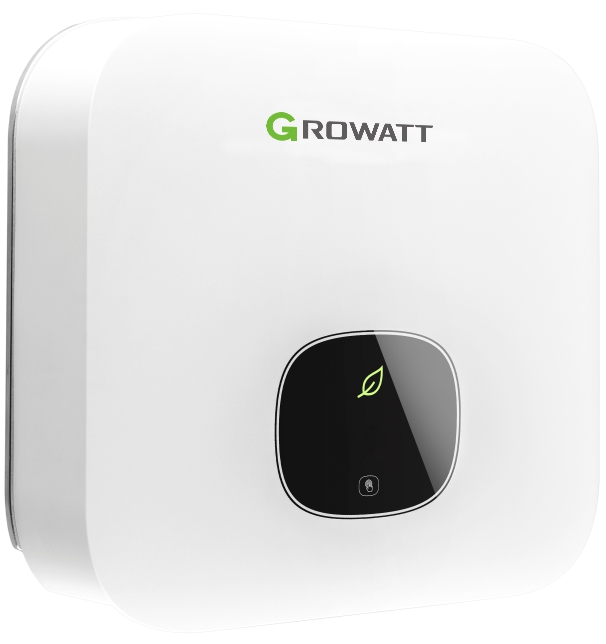
Homeowners considering solar energy installation face a critical decision when selecting the right inverter technology for their residential system. While traditional string inverters and microinverters have dominated the market for years, hybrid solar inverters are emerging as the superior choice for residential applications. These advanced devices combine the functionality of a solar inverter with battery storage capabilities, enabling homeowners to maximize energy independence while reducing electricity costs.
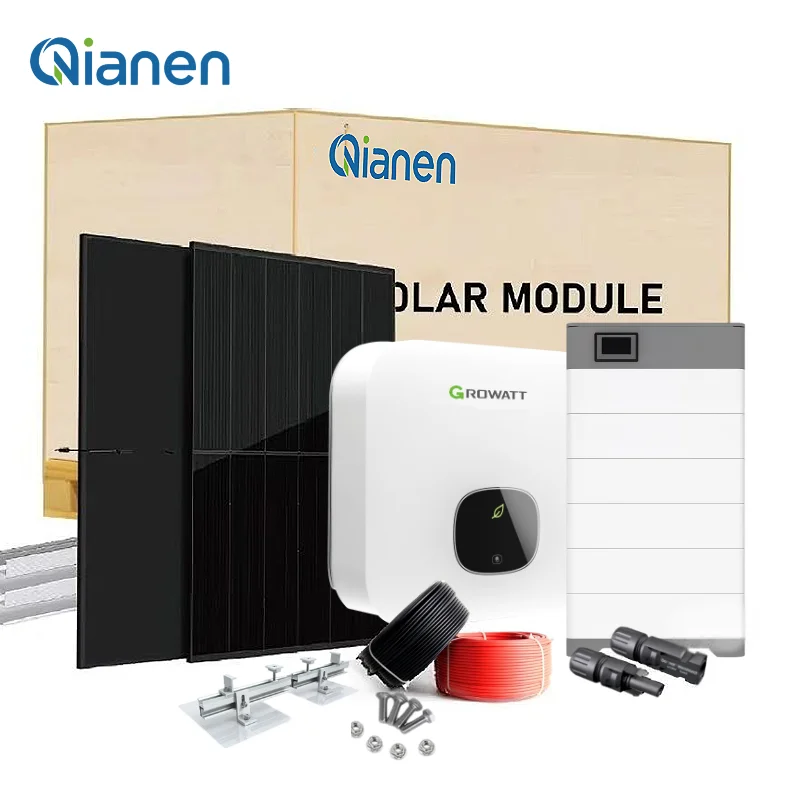
Understanding why a hybrid solar inverter represents the optimal investment requires examining the fundamental advantages these systems provide over conventional alternatives. From enhanced energy storage integration to improved grid independence, hybrid solar inverters offer compelling benefits that align perfectly with modern residential energy needs. This comprehensive analysis explores the specific reasons why homeowners should prioritize hybrid technology when designing their solar energy systems.
Enhanced Energy Independence and Grid Resilience
Battery Integration Advantages
A hybrid solar inverter provides seamless integration with battery storage systems, eliminating the need for separate battery inverters or complex wiring configurations. This integrated approach allows homeowners to store excess solar energy generated during peak sunlight hours for use during evening hours or cloudy periods. The hybrid solar inverter automatically manages the charging and discharging cycles, ensuring optimal battery performance and longevity.
The intelligent battery management capabilities of a hybrid solar inverter enable precise control over energy flow throughout the residential system. Advanced algorithms monitor battery state of charge, solar production levels, and household energy consumption patterns to optimize energy distribution. This sophisticated control ensures that stored energy is available when needed most, reducing reliance on grid electricity during peak rate periods.
Modern hybrid solar inverters also provide backup power capabilities that activate automatically during grid outages. Unlike traditional grid-tied systems that shut down during power failures, hybrid systems with battery storage continue supplying electricity to essential household circuits. This backup functionality offers peace of mind and maintains critical home systems during emergency situations.
Grid Independence Benefits
Choosing a hybrid solar inverter significantly reduces dependence on utility grid electricity through optimized energy self-consumption. The system prioritizes using solar-generated electricity directly for immediate household needs before storing excess energy in batteries. This approach maximizes the financial benefits of solar investment by minimizing electricity purchases from the utility company.
The load-shifting capabilities of a hybrid solar inverter allow homeowners to strategically use stored solar energy during peak electricity rate periods. Time-of-use electricity rates often feature higher costs during evening hours when solar production is minimal. By deploying stored battery energy during these expensive periods, homeowners can substantially reduce their monthly electricity bills.
Advanced hybrid solar inverters also support islanding capabilities that enable complete grid disconnection when desired. This feature proves particularly valuable in areas with unreliable grid infrastructure or for homeowners seeking maximum energy independence. The system can operate autonomously for extended periods, provided sufficient solar production and battery capacity are available.
Superior System Efficiency and Performance
Optimized Power Conversion
A hybrid solar inverter delivers superior power conversion efficiency compared to systems using multiple separate inverters. By integrating DC-to-AC conversion and battery charging functions within a single device, hybrid systems minimize conversion losses that occur when electricity passes through multiple inverter stages. This efficiency improvement translates directly into increased energy yield from the solar array.
The advanced power electronics within a hybrid solar inverter enable precise maximum power point tracking (MPPT) that optimizes solar panel performance under varying weather conditions. Sophisticated algorithms continuously adjust operating parameters to extract maximum available power from the solar array, even during partially shaded conditions or changing irradiance levels.
Modern hybrid solar inverters also feature high-frequency switching technology that reduces harmonic distortion and improves overall system efficiency. This clean power conversion ensures compatibility with sensitive electronic equipment while maintaining optimal performance across varying load conditions. The result is a more reliable and efficient residential solar energy system.
Intelligent Energy Management
The sophisticated energy management capabilities of a hybrid solar inverter enable automated optimization of energy usage patterns based on household consumption habits. Machine learning algorithms analyze historical energy usage data to predict future consumption patterns and adjust system operation accordingly. This intelligent management maximizes energy savings while ensuring adequate backup power availability.
Advanced forecasting capabilities allow hybrid solar inverters to incorporate weather prediction data into energy management decisions. By anticipating periods of reduced solar production, the system can adjust battery charging strategies to ensure adequate energy storage during cloudy periods. This proactive approach maintains consistent energy availability regardless of weather variability.
The remote monitoring and control features of modern hybrid solar inverters enable homeowners to track system performance and adjust operating parameters from anywhere. Smartphone applications provide real-time data on solar production, battery status, and energy consumption patterns. This visibility empowers homeowners to make informed decisions about their energy usage and system operation.
Economic Advantages and Financial Benefits
Reduced Installation Costs
Installing a hybrid solar inverter typically requires lower upfront costs compared to systems using separate solar and battery inverters. The integrated design eliminates the need for additional inverter equipment, reducing both material and labor expenses during installation. Electrical contractors can complete the installation more efficiently with fewer components and simplified wiring requirements.
The streamlined installation process of a hybrid solar inverter also reduces the complexity of system design and permitting requirements. Local building authorities often prefer simpler system configurations that are easier to review and approve. This simplified approach can accelerate project timelines and reduce soft costs associated with extended permitting processes.
Maintenance requirements for hybrid solar inverters are typically lower than systems with multiple separate inverters. Having fewer system components reduces the number of potential failure points and simplifies troubleshooting procedures. This reliability advantage translates into lower long-term maintenance costs and reduced system downtime.
Enhanced Return on Investment
A hybrid solar inverter maximizes the financial return on solar investment through optimized energy utilization and reduced electricity purchases. The ability to store and deploy solar energy strategically enables homeowners to capture maximum value from their solar production. Time-of-use rate optimization alone can provide substantial additional savings beyond basic solar generation benefits.
The backup power capabilities of a hybrid solar inverter provide additional economic value that extends beyond routine energy savings. During extended power outages, the system can prevent food spoilage, maintain home security systems, and enable continued productivity for home-based businesses. These avoided costs and maintained capabilities represent significant economic benefits.
Future-proofing capabilities of hybrid solar inverters protect the investment value as utility rate structures and grid regulations evolve. Many utilities are implementing new rate structures that penalize solar customers for grid electricity usage during peak periods. Hybrid systems with battery storage are well-positioned to adapt to these changing rate structures and maintain economic benefits.
Technological Innovation and Future-Ready Features
Smart Grid Integration
Modern hybrid solar inverters incorporate advanced smart grid communication capabilities that enable participation in utility demand response programs. These programs compensate homeowners for reducing electricity consumption or providing stored energy back to the grid during peak demand periods. The financial incentives from these programs can significantly enhance the economic benefits of a hybrid solar inverter system.
The bidirectional power flow capabilities of a hybrid solar inverter enable net metering optimization and grid support services. During periods of high solar production and full battery charge, excess energy can be exported to the grid for credit under net metering arrangements. This flexibility maximizes the value of solar production while supporting grid stability.
Vehicle-to-grid integration capabilities in advanced hybrid solar inverters prepare homeowners for the emerging electric vehicle ecosystem. As electric vehicles become more prevalent, hybrid systems can potentially interface with EV charging systems to optimize overall energy management. This integration represents a significant advancement in residential energy system capabilities.
Scalability and Expandability
The modular design of many hybrid solar inverters allows for easy system expansion as household energy needs evolve. Additional solar panels or battery capacity can often be integrated without replacing the primary inverter unit. This scalability protects the initial investment while enabling system growth to meet changing requirements.
Advanced hybrid solar inverters support multiple battery chemistry types, providing flexibility in energy storage technology selection. As battery technology continues advancing, homeowners can potentially upgrade to newer, more efficient battery systems without replacing the entire hybrid solar inverter. This adaptability ensures long-term system relevance and performance optimization.
The software-defined capabilities of modern hybrid solar inverters enable feature updates and performance improvements through firmware upgrades. Manufacturers can add new functionality, improve efficiency algorithms, and enhance grid integration capabilities without requiring hardware modifications. This ongoing improvement capability ensures that hybrid solar inverters remain current with technological advancements.
FAQ
How much can I save with a hybrid solar inverter compared to a standard solar system?
Savings with a hybrid solar inverter typically range from 20% to 40% higher than standard grid-tied solar systems, depending on local electricity rates and usage patterns. The primary savings come from storing excess solar energy for use during peak rate periods, reducing backup generator costs, and optimizing energy consumption timing. In areas with time-of-use rates or high grid electricity costs, the additional savings can pay for the hybrid system upgrade within 3-5 years.
What size hybrid solar inverter do I need for my home?
The appropriate hybrid solar inverter size depends on your home's peak electrical load, desired backup power duration, and solar array capacity. Most residential applications require hybrid solar inverters ranging from 5kW to 15kW capacity. A professional energy assessment should consider your annual electricity consumption, critical backup loads, available roof space, and local solar irradiance levels to determine the optimal system size for your specific situation.
Can a hybrid solar inverter work without batteries initially?
Yes, most hybrid solar inverters can operate in grid-tied mode without batteries, functioning similarly to traditional string inverters. This flexibility allows homeowners to install the hybrid solar inverter immediately and add battery storage later when budget permits or when utility rate structures make storage more economically attractive. The hybrid inverter will automatically integrate battery storage when it becomes available without requiring system reconfiguration.
How long do hybrid solar inverters typically last?
Quality hybrid solar inverters typically provide 10-25 years of reliable operation, with most manufacturers offering warranties ranging from 10-12 years. The actual lifespan depends on environmental conditions, installation quality, and maintenance practices. The integrated design of hybrid solar inverters often results in better longevity than systems using multiple separate inverters, as there are fewer connection points and components subject to failure over time.