EN
EN

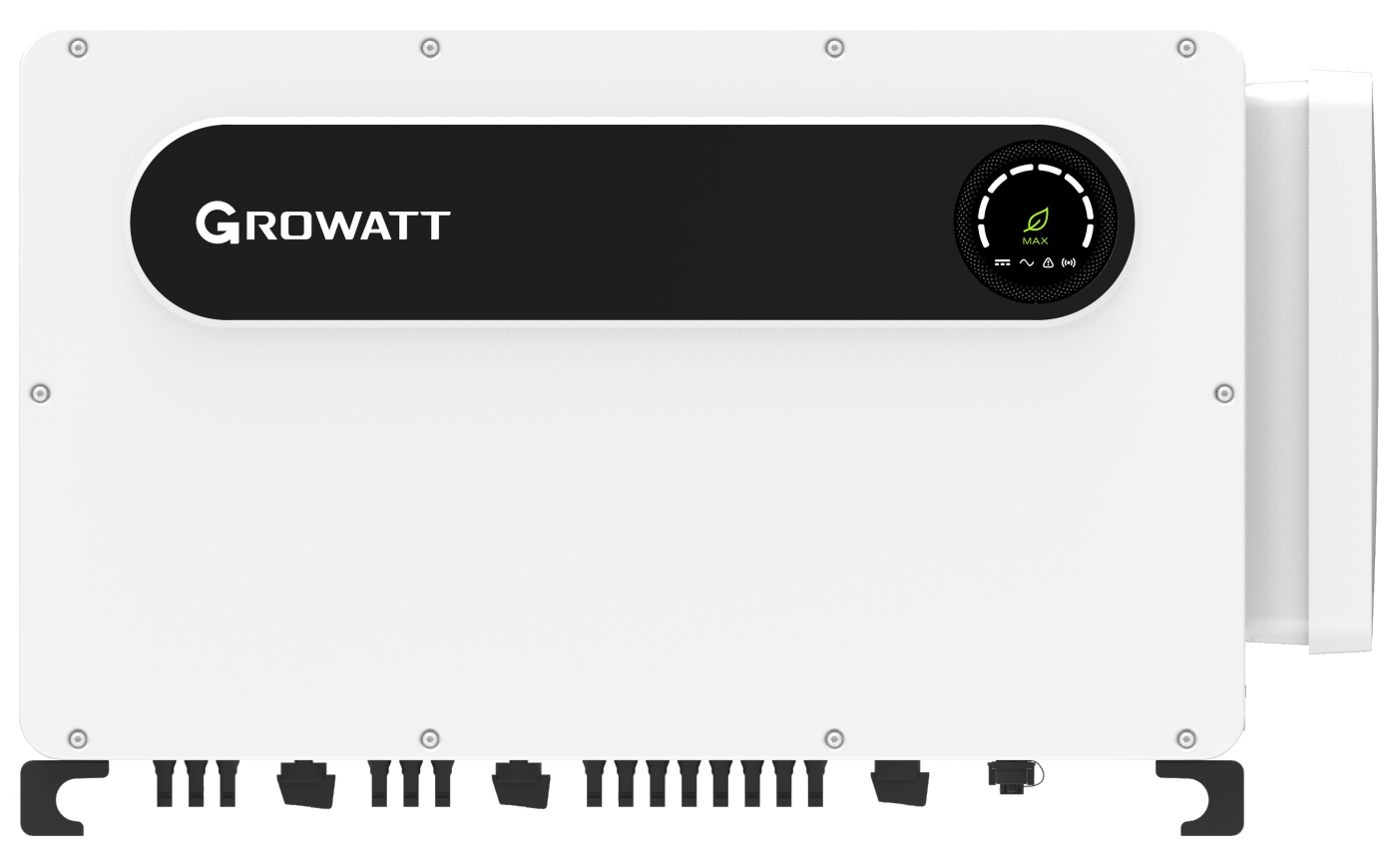
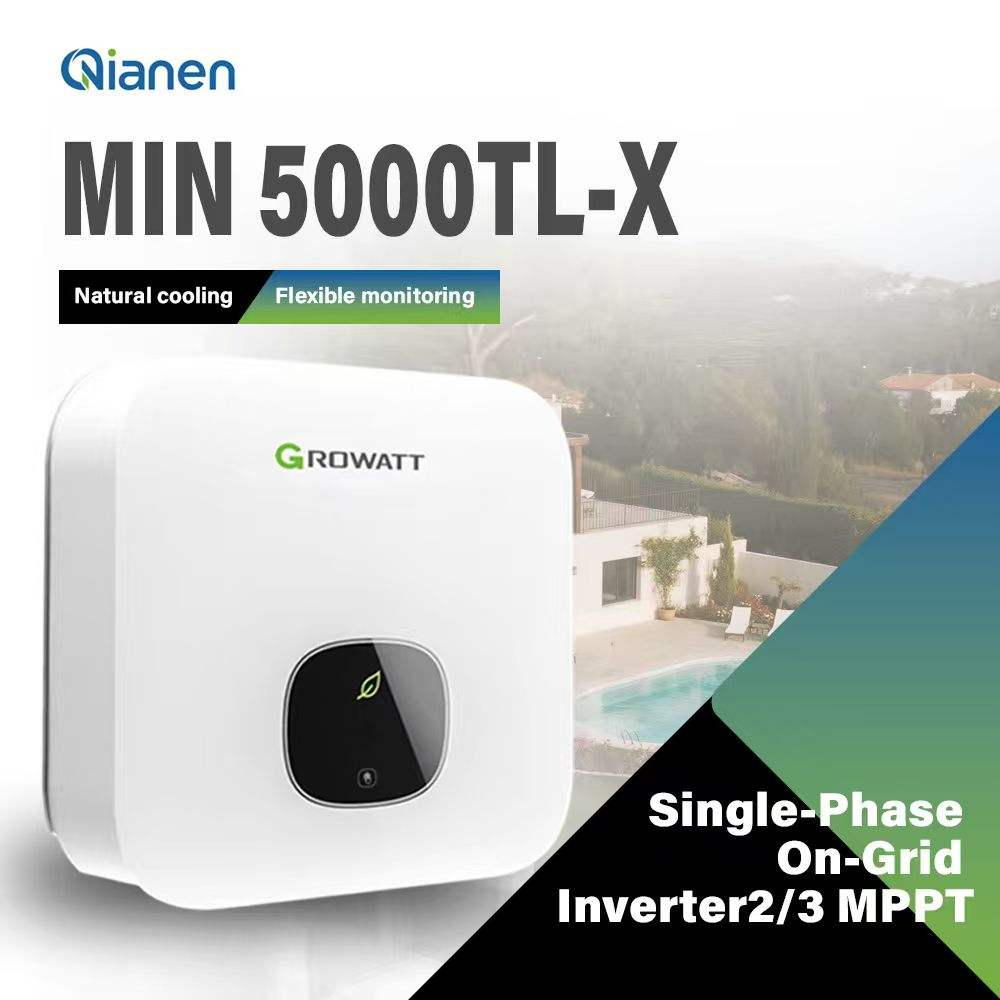
An on grid inverter is a critical component that directly impacts how much money your household can save on electricity expenses each month. By converting solar-generated direct current into alternating current that matches your utility grid, an on grid inverter enables you to use renewable energy efficiently while maintaining the reliability of grid power. The financial benefits go far beyond simply using free solar energy—an on grid inverter can dramatically reduce your monthly electricity bills through mechanisms like net metering and peak demand optimization.
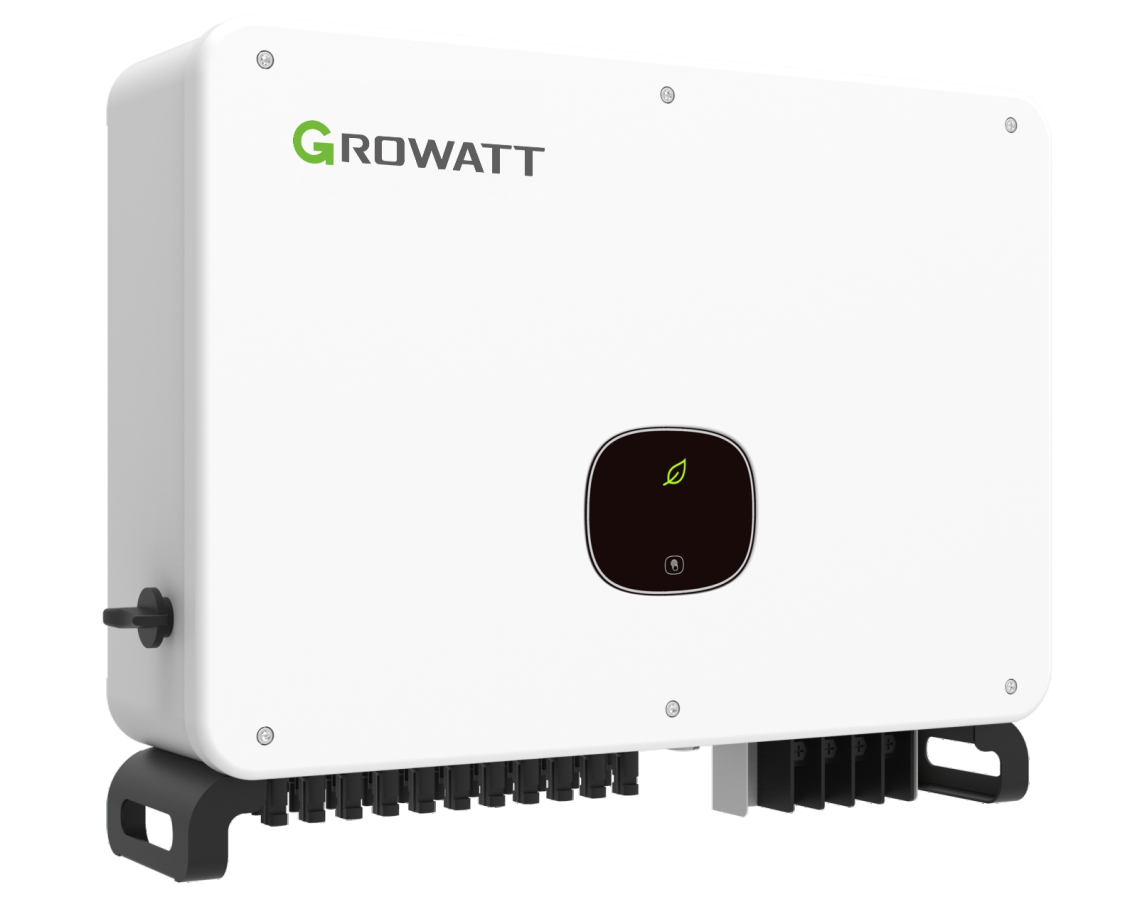
The primary reason an on grid inverter helps lower electricity bills is its ability to feed excess solar power back to the utility grid, earning you credits through net metering programs. When your solar panels generate more power than your home consumes during peak sunlight hours, an on grid inverter channels that surplus electricity to the grid. In return, your utility company credits your account, effectively reducing your net energy consumption and the amount you owe each billing cycle. This bidirectional energy flow is what makes an on grid inverter fundamentally different from off-grid alternatives and why it offers such compelling financial returns.
How an On Grid Inverter Reduces Your Monthly Electricity Costs
Net Metering and Credit Systems
Net metering is the financial engine behind on grid inverter savings. When your solar system produces excess power during daylight hours, an on grid inverter converts this energy and sends it to the grid, spinning your meter backward. Your utility company then credits you for this returned energy at the retail electricity rate, not a reduced wholesale rate. Over a full year, an on grid inverter system can offset 70 to 100 percent of your electricity consumption, depending on your solar panel size, location, and household usage patterns. This credit system means that an on grid inverter doesn't just reduce your daytime consumption—it effectively pays for your nighttime and cloudy-day electricity needs.
Demand Charge Optimization
For industrial and commercial users, an on grid inverter provides additional savings through demand charge reduction. Many business electricity plans include demand charges based on peak power draw during high-usage periods. By supplying power directly during peak hours, an on grid inverter lowers your instantaneous grid demand and reduces these expensive charges. Residential users also benefit indirectly when an on grid inverter supplies power during afternoon peak pricing periods, effectively shaving your consumption during expensive rate windows. This timing advantage compounds over months and years, making an on grid inverter even more valuable than simple kilowatt-hour calculations suggest.
Financial Performance Factors That Impact On Grid Inverter Savings
System Size and Solar Panel Capacity
The financial benefit of an on grid inverter scales directly with your system's total solar capacity. A 5-kilowatt on grid inverter paired with matching solar panels will generate roughly 20,000 kilowatt-hours annually in moderate climates, potentially saving $2,000 to $3,000 yearly depending on local electricity rates. A larger 10-kilowatt on grid inverter system can double these savings. However, an on grid inverter should match your average daily consumption to maximize returns—oversizing leads to excess credits that many utility companies don't roll over, wasting potential savings. The optimal on grid inverter size balances your household's energy consumption profile with available roof space and local net metering terms.
Location and Sunlight Availability
Geographic location fundamentally determines how effectively an on grid inverter recovers your investment. Regions receiving 5 or more peak sun hours daily enable an on grid inverter to produce significantly more energy than areas with 3 to 4 peak sun hours. Southern locations with minimal shade typically see an on grid inverter recoup installation costs in 6 to 8 years, while northern regions may require 10 to 12 years. Seasonal variation also affects on grid inverter performance—summer months generate surplus credits that offset winter deficits when daylight diminishes. Understanding your local solar resource is essential before selecting an on grid inverter size and expecting specific bill reduction targets.
Real-World Bill Reduction Scenarios with an On Grid Inverter
Residential Household Example
Consider a typical residential household using 12,000 kilowatt-hours annually at an average electricity rate of $0.14 per kilowatt-hour. Installing a 7-kilowatt on grid inverter system generates approximately 11,000 kilowatt-hours yearly in a moderate climate. During the first year, an on grid inverter reduces the annual electricity bill from $1,680 to roughly $280—a savings of $1,400. As electricity rates typically increase 2 to 3 percent annually, an on grid inverter's value accelerates over time. After 25 years, an on grid inverter system can reduce cumulative electricity expenses by $50,000 or more, transforming it from a cost into a net revenue generator.
Small Commercial Property Application
Small businesses consuming 30,000 kilowatt-hours monthly at $0.12 per kilowatt-hour face annual bills exceeding $43,000. A 25-kilowatt on grid inverter system can reduce this to approximately $8,000 annually, saving $35,000 yearly. Additionally, an on grid inverter helps businesses qualify for available federal investment tax credits and accelerated depreciation schedules, creating additional financial benefits beyond the direct electricity savings. These combined advantages make an on grid inverter a compelling financial decision for commercial properties with suitable roof or ground-mounted installation areas.
Maximum On Grid Inverter Efficiency Through Maintenance and Monitoring
System Monitoring and Performance Optimization
Modern on grid inverter units include digital monitoring systems that track real-time power production and identify performance issues immediately. This visibility ensures your on grid inverter operates at peak efficiency every single day. When an on grid inverter experiences output degradation, monitoring systems alert you to potential panel shading, equipment failures, or dust accumulation. Professional maintenance of your on grid inverter and solar panels typically costs $150 to $300 annually but prevents costly efficiency losses that would undermine your financial returns. A properly maintained on grid inverter maintains 95 to 98 percent efficiency, ensuring maximum energy conversion and bill reduction.
Battery Integration for Enhanced Savings
Pairing an on grid inverter with battery storage creates hybrid systems that capture additional savings through time-of-use arbitrage. When utility rates are high during evening peak periods, your battery supplies stored solar energy instead of drawing expensive grid power. An on grid inverter then recharges from solar during low-rate periods, maximizing financial efficiency. Though battery systems add capital cost initially, they substantially increase on grid inverter value in regions with steep time-of-use rate structures or limited net metering policies. This hybrid approach can increase annual savings by 20 to 40 percent compared to on grid inverter systems without storage.
Regulatory and Policy Factors Affecting On Grid Inverter Savings
Net metering policies vary significantly by utility region, directly impacting how much your on grid inverter actually saves. Some utilities offer 1-to-1 retail credits for excess energy, while others compensate at wholesale rates—a 50 to 70 percent reduction in value. Certain regions impose monthly credit limits or forbid credit carryover between seasons, artificially capping on grid inverter returns. Before investing, verify your utility's exact net metering terms, any capacity limits on residential on grid inverter systems, and whether interconnection fees apply. Federal tax credits currently provide 30 percent cost reduction on solar systems including your on grid inverter, though this incentive phases down over coming years. Understanding these regulatory details ensures your on grid inverter investment delivers the maximum projected savings.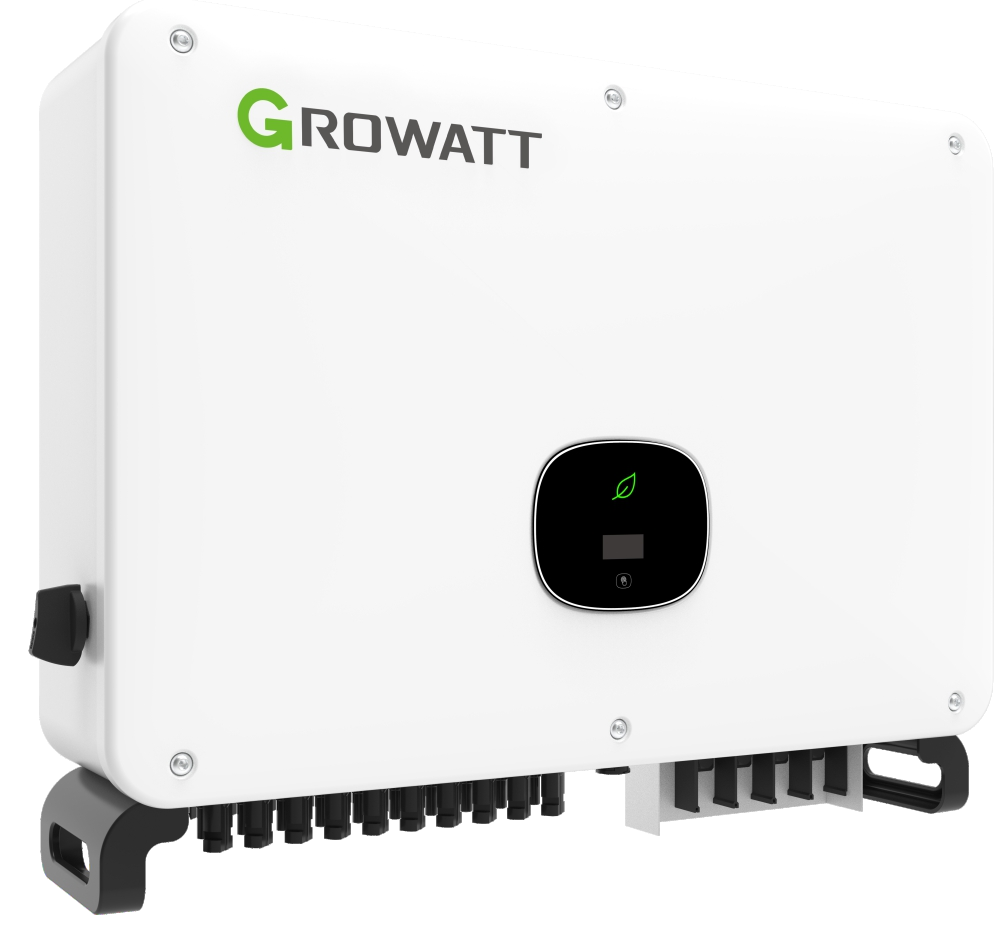
FAQ
How quickly does an on grid inverter pay for itself through electricity bill savings?
Most residential on grid inverter systems pay for themselves within 6 to 10 years depending on system size, location, electricity rates, and local net metering policies. In high-rate areas with strong solar resources, an on grid inverter can achieve payback in as little as 5 years. The financial payback calculation divides your total system cost by annual electricity bill savings generated by the on grid inverter. After payback, the on grid inverter essentially provides 15 to 20 years of free electricity generation before reaching end-of-life, multiplying your original investment savings many times over.
Can an on grid inverter work during power outages?
Standard on grid inverter units automatically shut down during power outages for safety reasons—they cannot supply energy when grid voltage disappears. This protection prevents backfeeding dangerous voltage into utility lines where repair crews might be working. If you need on grid inverter backup power during outages, you must add a battery system with a hybrid inverter that detects grid failure and switches to battery mode. These hybrid systems cost significantly more than basic on grid inverter units but deliver both grid-connected savings and blackout protection.
What maintenance does an on grid inverter require to maintain electricity bill savings?
An on grid inverter requires minimal maintenance compared to traditional generators or backup systems. Annual professional inspections ensure proper electrical connections, monitor firmware updates, and verify performance metrics. Keeping solar panels clean from dust and debris is essential—dirty panels reduce output and diminish your on grid inverter's bill-reduction potential by 10 to 25 percent. Most on grid inverter units operate reliably for 15 to 25 years with only these basic care requirements. If your on grid inverter displays error codes or shows declining output, contact a qualified technician immediately to restore full savings potential.
Table of Contents
- How an On Grid Inverter Reduces Your Monthly Electricity Costs
- Financial Performance Factors That Impact On Grid Inverter Savings
- Real-World Bill Reduction Scenarios with an On Grid Inverter
- Maximum On Grid Inverter Efficiency Through Maintenance and Monitoring
- Regulatory and Policy Factors Affecting On Grid Inverter Savings
- FAQ