EN
EN

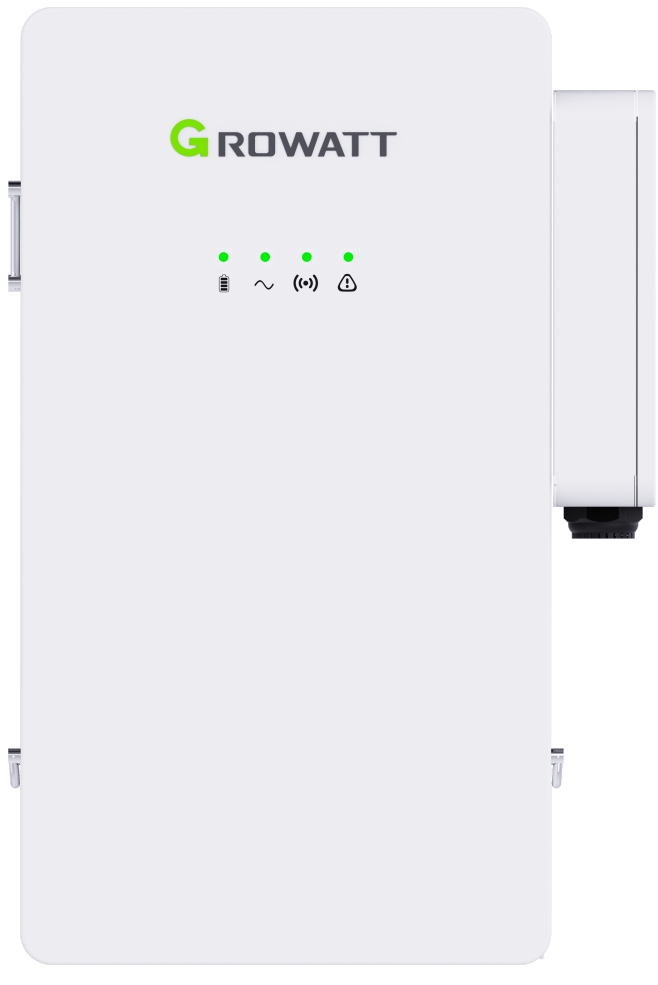
A hybrid inverter represents a significant technological advancement in solar energy systems, fundamentally transforming how residential and commercial properties manage their power generation and consumption. Unlike traditional inverters that serve a single primary function, a hybrid inverter combines multiple capabilities into one sophisticated device, offering enhanced flexibility, energy independence, and cost-effectiveness for modern energy needs. Understanding the distinctive features of these advanced systems is crucial for anyone considering solar energy installation or upgrading their existing setup.
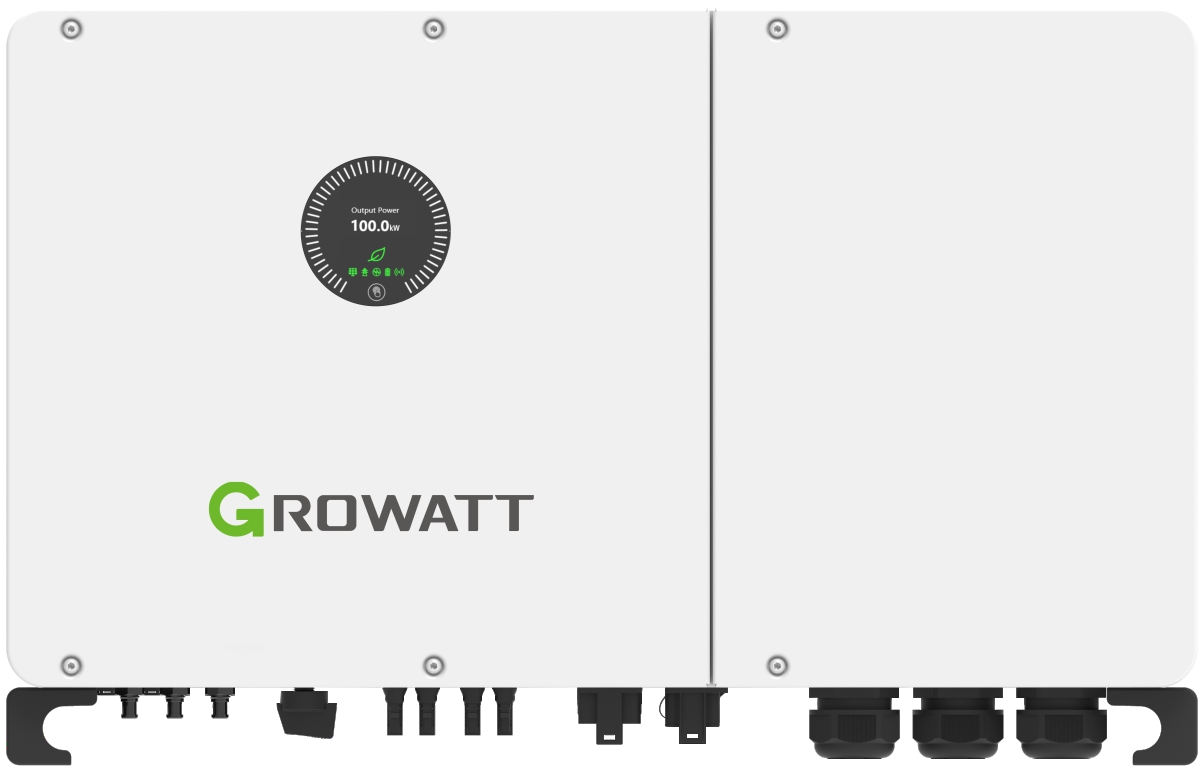
The fundamental difference between a hybrid inverter and traditional inverters lies in their operational scope and integration capabilities. While traditional inverters focus solely on converting direct current from solar panels into alternating current for immediate use, a hybrid inverter incorporates battery management systems, grid-tie functionality, and intelligent power routing capabilities. This comprehensive approach allows property owners to maximize their solar investment by storing excess energy for later use, providing backup power during outages, and optimizing energy consumption patterns based on time-of-use electricity rates.
Core Functionality Differences
Energy Storage Integration
The most significant distinction of a hybrid inverter is its built-in battery management system that seamlessly integrates energy storage capabilities. Traditional inverters cannot directly connect to battery systems without additional components, limiting their ability to store excess solar energy. A hybrid inverter includes sophisticated charge controllers, battery monitoring systems, and safety protocols that manage the charging and discharging cycles of connected batteries. This integration ensures optimal battery performance, extends battery life through intelligent charging algorithms, and provides real-time monitoring of energy storage levels.
The battery integration in a hybrid inverter also enables advanced energy management strategies that traditional systems cannot achieve. During peak solar production periods, the hybrid inverter automatically routes excess energy to charge connected batteries rather than sending it back to the grid at potentially lower feed-in tariff rates. This stored energy becomes available during evening hours or cloudy periods, reducing dependence on grid electricity when rates are typically higher. The intelligent switching between solar, battery, and grid power sources occurs seamlessly without user intervention, optimizing energy costs and consumption patterns automatically.
Grid Interaction Capabilities
Traditional grid-tie inverters operate in a simple on-off relationship with the electrical grid, shutting down completely during power outages for safety reasons. A hybrid inverter maintains sophisticated grid interaction capabilities that allow for continued operation during various grid conditions. Advanced models can operate in grid-tied mode during normal conditions, automatically switch to battery backup during outages, and even provide grid support services when utility companies require additional power stabilization. This flexible grid interaction makes hybrid inverter systems valuable assets for both property owners and utility companies.
The grid interaction capabilities of a hybrid inverter also extend to demand response programs and virtual power plant participation. Modern units can communicate with utility systems to adjust power consumption or contribution based on grid demands, potentially earning additional revenue for property owners. This bi-directional communication capability, combined with intelligent load management features, allows the hybrid inverter to optimize energy usage patterns based on real-time electricity pricing, grid conditions, and user-defined priorities.
Technical Architecture and Components
Integrated System Design
The technical architecture of a hybrid inverter incorporates multiple power conversion stages and control systems within a single housing, contrasting sharply with traditional inverters that handle only DC-to-AC conversion. A typical hybrid inverter includes multiple maximum power point tracking controllers for optimized solar panel performance, bidirectional AC-DC converters for battery charging and discharging, and sophisticated microprocessors for system coordination and monitoring. This integrated design reduces installation complexity, minimizes potential failure points, and ensures optimal coordination between all system components.
The integrated design philosophy of a hybrid inverter also extends to its cooling systems, protection circuits, and communication interfaces. Advanced thermal management ensures reliable operation under varying environmental conditions, while comprehensive protection systems guard against overvoltage, undervoltage, short circuits, and ground faults across all operational modes. Built-in communication capabilities enable remote monitoring, firmware updates, and integration with smart home systems, providing users with unprecedented control and visibility over their energy systems.
Advanced Control Systems
Modern hybrid inverter systems incorporate sophisticated control algorithms that continuously optimize energy flow based on multiple variables including solar production, energy consumption patterns, battery state of charge, electricity pricing, and weather forecasts. These intelligent control systems can learn from historical usage patterns to predict future energy needs and adjust charging and discharging schedules accordingly. Traditional inverters lack this computational capability, operating instead with simple maximum power point tracking for solar optimization without consideration of broader energy management strategies.
The advanced control systems in a hybrid inverter also enable predictive maintenance capabilities and system health monitoring that traditional inverters cannot provide. Continuous monitoring of component temperatures, electrical parameters, and performance metrics allows the system to identify potential issues before they become critical problems. This proactive approach to system maintenance reduces downtime, extends component life, and ensures optimal performance throughout the system's operational lifetime.
Operational Modes and Flexibility
Multiple Operating Configurations
A hybrid inverter operates in several distinct modes depending on energy availability, demand, and user preferences, providing flexibility that traditional inverters cannot match. During optimal solar conditions, the system operates in solar-priority mode, directly powering connected loads while simultaneously charging batteries and potentially feeding excess power to the grid. When solar production is insufficient, the hybrid inverter seamlessly switches to battery power, drawing stored energy to maintain power supply without interruption. Traditional inverters lack this multi-mode capability, operating only when sufficient solar energy is available and shutting down when conditions become unfavorable.
The operational flexibility of a hybrid inverter extends to emergency backup modes that activate automatically during grid outages. Unlike traditional grid-tie inverters that must shut down for safety during power failures, hybrid systems can island from the grid and continue providing power to essential loads using stored battery energy. This backup capability can be configured to power specific circuits or the entire property, depending on battery capacity and user priorities, ensuring critical systems remain operational during extended outages.
Load Management and Prioritization
Advanced hybrid inverter systems include intelligent load management capabilities that can prioritize power delivery to essential appliances and systems based on available energy resources. This sophisticated load management contrasts with traditional inverters that simply provide power without consideration of load priorities or energy conservation strategies. During periods of limited energy availability, whether from reduced solar production or low battery levels, the hybrid inverter can automatically shed non-essential loads while maintaining power to critical systems like refrigeration, security systems, and medical equipment.
The load prioritization features of a hybrid inverter can be customized based on user preferences, time of day, and energy cost considerations. Smart load management algorithms can delay energy-intensive activities like electric vehicle charging or water heating to periods when solar production is abundant or electricity rates are lower. This intelligent scheduling capability maximizes the value of solar energy production and minimizes grid electricity consumption during peak rate periods, resulting in significant cost savings over time.
Economic and Performance Advantages
Return on Investment Optimization
The economic advantages of a hybrid inverter stem from its ability to maximize the utilization of solar energy production through intelligent storage and consumption timing. Traditional inverters can only use solar energy when it is being produced, often resulting in excess energy being sold back to the grid at relatively low feed-in tariff rates. A hybrid inverter enables property owners to store excess solar energy during peak production periods and use it during high-rate periods, effectively increasing the economic value of each kilowatt-hour generated. This time-shifting capability can significantly improve the return on investment for solar installations, particularly in areas with time-of-use electricity pricing structures.
The long-term economic benefits of a hybrid inverter also include reduced grid dependency and protection against rising electricity costs. As utility rates continue to increase in many regions, the ability to store and use self-generated solar energy becomes increasingly valuable. Property owners with hybrid systems can achieve higher levels of energy independence, reducing their exposure to volatile electricity markets and providing predictable energy costs over the system's 20-25 year operational lifetime.
System Efficiency and Performance
Modern hybrid inverter systems achieve superior overall efficiency compared to traditional inverter configurations due to their integrated design and advanced power management capabilities. While traditional systems may require separate charge controllers, battery inverters, and monitoring equipment, the integrated approach of a hybrid inverter eliminates conversion losses between components and optimizes power flow throughout the entire system. Advanced maximum power point tracking algorithms continuously adjust to changing solar conditions, while intelligent battery management ensures optimal charging and discharging efficiency across varying load conditions.
The performance advantages of a hybrid inverter extend beyond simple efficiency metrics to include system reliability and availability. Built-in redundancy features, advanced diagnostics, and predictive maintenance capabilities ensure higher system uptime compared to traditional installations with multiple separate components. The integrated monitoring and communication capabilities provide real-time performance data that enables quick identification and resolution of any issues, minimizing system downtime and maximizing energy production over the system's lifetime.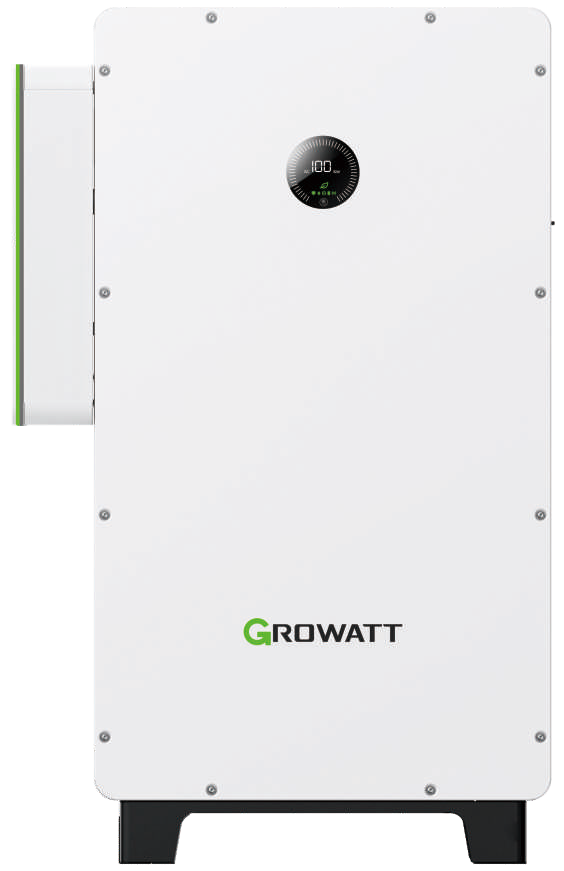
FAQ
Can a hybrid inverter work without batteries?
Yes, a hybrid inverter can operate without batteries in grid-tie mode, functioning similarly to a traditional solar inverter. However, this configuration eliminates the backup power and energy storage benefits that make hybrid systems valuable. Most hybrid inverter installations include batteries to take advantage of the system's full capabilities, including energy storage, backup power, and advanced energy management features.
How does a hybrid inverter handle power outages differently than traditional inverters?
During power outages, traditional grid-tie inverters must shut down completely for safety reasons, while a hybrid inverter can continue operating using stored battery energy. The hybrid system automatically disconnects from the grid and switches to backup mode, providing uninterrupted power to connected loads. This capability makes hybrid inverters essential for applications requiring reliable power supply during grid disruptions.
What is the typical lifespan of a hybrid inverter compared to traditional models?
Hybrid inverters typically have similar lifespans to high-quality traditional inverters, ranging from 15-20 years with proper maintenance. The integrated design may actually improve reliability by reducing interconnection points and potential failure modes. However, the connected battery systems may require replacement every 10-15 years, depending on the technology used, which should be factored into long-term maintenance planning.
Are hybrid inverters more complex to install and maintain than traditional systems?
While hybrid inverter systems require more initial configuration due to their advanced features and battery integration, the installation process is often simpler than traditional systems with separate components. The integrated design reduces wiring complexity and potential compatibility issues. Maintenance requirements are similar to traditional inverters, with the addition of battery system monitoring and occasional battery replacement as the primary long-term maintenance consideration.