EN
EN

Modern energy management demands sophisticated solutions that can adapt to evolving grid conditions, renewable energy integration, and changing consumption patterns. As traditional energy systems face unprecedented challenges from climate change, rising electricity costs, and grid instability, property owners and businesses are seeking intelligent technologies that provide greater control, efficiency, and resilience. The shift toward distributed energy resources and smart grid technologies has created new opportunities for innovative power management systems that can optimize energy usage while reducing dependence on centralized utilities.
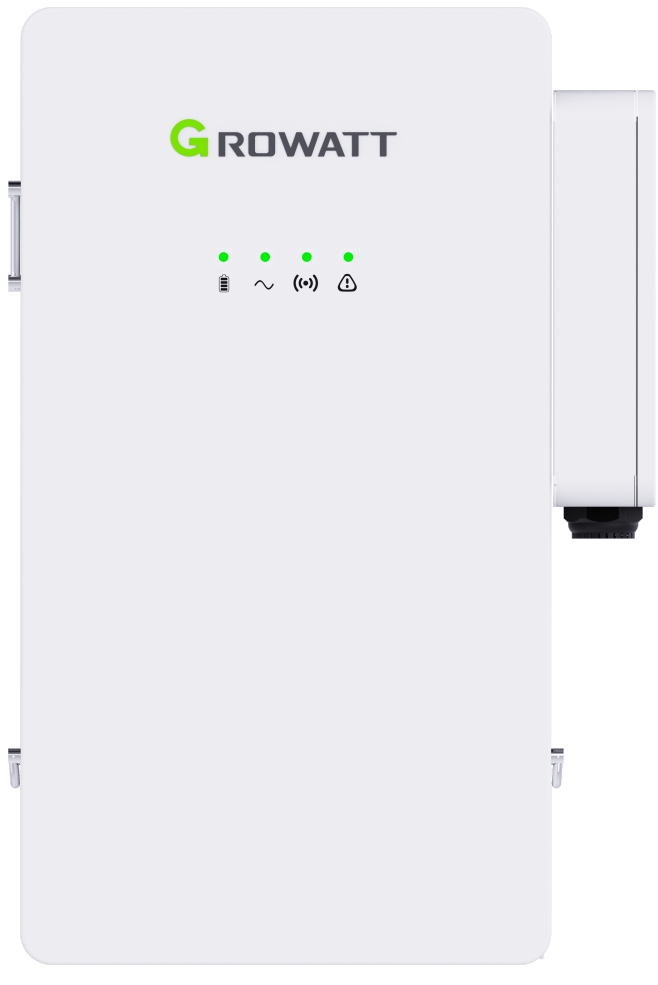
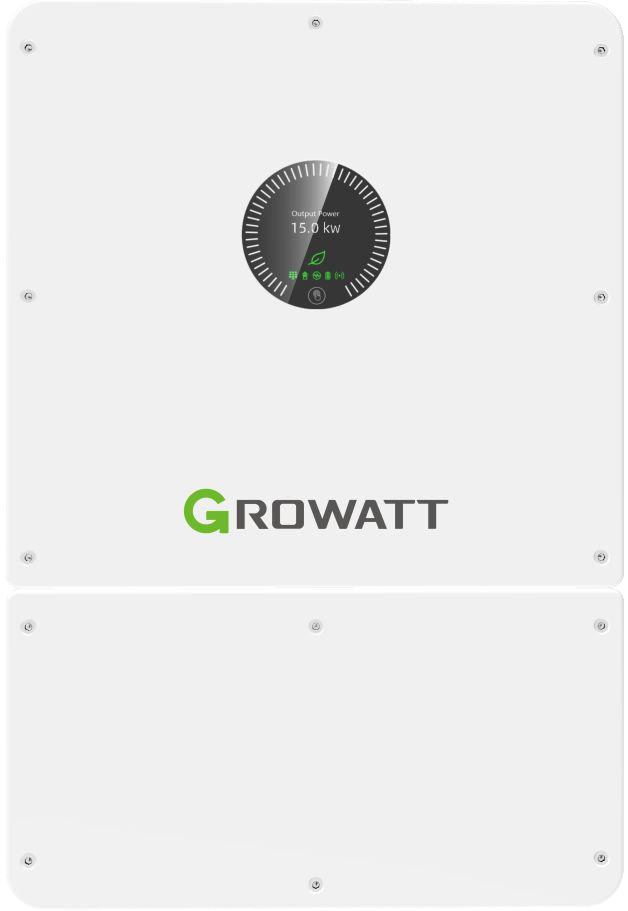
Among the emerging technologies transforming energy management, the hybrid inverter represents a pivotal advancement that addresses multiple operational requirements simultaneously. This sophisticated power conversion device combines traditional grid-tied functionality with battery storage capabilities, creating a unified platform for comprehensive energy management. Understanding why a hybrid inverter offers superior advantages over conventional alternatives is crucial for making informed decisions about modern energy infrastructure investments that will deliver long-term value and operational flexibility.
Understanding Hybrid Inverter Technology and Its Core Advantages
Fundamental Operating Principles
A hybrid inverter functions as an intelligent energy management hub that seamlessly integrates multiple power sources including solar panels, battery storage systems, and the electrical grid. Unlike traditional string inverters that only convert DC power from solar panels to AC power for immediate use, a hybrid inverter incorporates advanced power electronics and control algorithms to manage bidirectional energy flow. This sophisticated design enables the system to charge batteries from excess solar production, supply power from stored energy when needed, and maintain grid connectivity for optimal energy exchange.
The core advantage of hybrid inverter technology lies in its ability to make intelligent decisions about energy routing based on real-time conditions. Advanced microprocessors continuously monitor solar production, battery state of charge, grid electricity prices, and load demands to optimize energy utilization. This intelligent management capability ensures maximum efficiency while providing backup power during grid outages, making the hybrid inverter an essential component for modern energy independence strategies.
Integration Capabilities and System Flexibility
Modern hybrid inverter systems offer unprecedented integration flexibility that accommodates diverse energy sources and load requirements. These devices can simultaneously manage multiple solar array configurations, various battery chemistries, and different load profiles while maintaining optimal system performance. The ability to expand system capacity incrementally makes hybrid inverter installations highly scalable, allowing property owners to start with basic configurations and add components as energy needs evolve.
The integration capabilities extend beyond simple power conversion to include advanced communication protocols that enable remote monitoring and control. Most hybrid inverter systems incorporate Wi-Fi connectivity, cellular communication options, and compatibility with smart home automation platforms. This connectivity allows users to monitor system performance, adjust operating parameters, and receive maintenance alerts through mobile applications or web-based dashboards, providing unprecedented visibility into energy consumption patterns and system efficiency metrics.
Financial Benefits and Return on Investment Considerations
Immediate Cost Savings Through Load Shifting
One of the most compelling reasons to choose a hybrid inverter is its ability to deliver immediate cost savings through intelligent load shifting and peak demand reduction. By storing excess solar energy during peak production hours and utilizing stored power during expensive peak rate periods, a hybrid inverter can significantly reduce electricity bills without compromising comfort or operational requirements. This time-of-use optimization becomes particularly valuable in regions with tiered electricity pricing structures where peak hour rates can be three to five times higher than off-peak rates.
The financial impact of load shifting becomes more pronounced as utility rate structures continue evolving toward time-based pricing models. Many utilities are implementing demand charges that penalize high instantaneous power consumption, making energy storage capabilities increasingly valuable. A well-designed hybrid inverter system can eliminate or substantially reduce these demand charges by supplying stored energy during high consumption periods, creating substantial ongoing savings that improve system payback periods.
Long-Term Value Creation Through Energy Independence
Beyond immediate cost savings, hybrid inverter systems create long-term value through increased energy independence and protection against future utility rate increases. As electricity costs continue rising at rates that often exceed general inflation, the value of self-generated and stored energy increases proportionally. Property owners who invest in hybrid inverter technology today are essentially locking in energy costs at current solar production rates while gaining protection against unpredictable future utility pricing changes.
The long-term financial benefits extend to property value enhancement, as homes and businesses with sophisticated energy management systems command premium prices in real estate markets. Studies indicate that properties with solar and storage systems sell faster and at higher prices than comparable properties without these amenities. Additionally, many regions offer attractive financing incentives, tax credits, and rebate programs specifically designed to encourage hybrid inverter adoption, further improving the economic attractiveness of these investments.
Operational Reliability and Grid Independence Capabilities
Backup Power and Emergency Preparedness
The backup power capabilities of hybrid inverter systems provide crucial operational continuity during grid outages, natural disasters, and emergency situations. Unlike generator-based backup systems that require fuel, maintenance, and manual activation, a hybrid inverter automatically provides seamless power transfer within milliseconds of detecting grid failure. This instantaneous response ensures that critical loads such as refrigeration, medical equipment, communications systems, and security devices continue operating without interruption.
The emergency preparedness value of hybrid inverter technology becomes particularly important as extreme weather events and grid infrastructure challenges increase in frequency and severity. During extended outages, the combination of solar generation and battery storage can provide days or weeks of essential power, depending on system sizing and energy conservation measures. This capability proves invaluable for maintaining business operations, preserving food supplies, and ensuring family safety during extended emergency situations that may overwhelm traditional backup power solutions.
Grid Stabilization and Power Quality Benefits
Advanced hybrid inverter systems contribute to overall grid stability through sophisticated power quality management features that benefit both individual users and the broader electrical infrastructure. These devices can provide reactive power support, voltage regulation, and frequency stabilization services that help maintain grid reliability while reducing stress on transmission and distribution systems. Some utility companies now offer compensation programs for hybrid inverter owners who allow their systems to provide these grid support services during peak demand periods.
The power quality benefits extend to protection against voltage fluctuations, harmonics, and other electrical disturbances that can damage sensitive electronic equipment. Many hybrid inverter systems incorporate advanced filtering and conditioning capabilities that provide cleaner, more stable power than direct grid connection. This enhanced power quality can extend the lifespan of appliances, computers, and other electronic devices while reducing maintenance requirements and replacement costs associated with power quality issues.
Environmental Impact and Sustainability Advantages
Carbon Footprint Reduction Through Renewable Integration
Choosing a hybrid inverter for energy management delivers substantial environmental benefits by maximizing renewable energy utilization and minimizing dependence on fossil fuel-based electricity generation. The intelligent energy management capabilities ensure that available solar power is utilized optimally, reducing the amount of conventional grid electricity required for daily operations. This renewable energy optimization directly translates to reduced carbon emissions, decreased air pollution, and lower environmental impact from electricity consumption.
The environmental advantages multiply when considering the avoided emissions from peak power generation, which typically relies on less efficient and more polluting generation sources. By using stored solar energy during peak demand periods, hybrid inverter systems reduce the need for utilities to activate expensive and environmentally harmful peaker plants. This demand reduction effect creates broader environmental benefits that extend beyond individual property boundaries to support regional air quality improvement and climate change mitigation efforts.
Resource Conservation and Circular Economy Principles
Modern hybrid inverter technology supports resource conservation principles through enhanced energy efficiency and extended equipment lifespan compared to traditional energy systems. The intelligent power management reduces overall energy waste by optimizing conversion efficiency, minimizing standby losses, and eliminating unnecessary grid interactions. These efficiency improvements reduce the total environmental footprint associated with electricity generation, transmission, and distribution infrastructure requirements.
The long-term sustainability benefits include support for circular economy principles through durable design, modular construction, and end-of-life recyclability considerations. Quality hybrid inverter systems are designed for 20-25 year operational lifespans with minimal maintenance requirements, reducing the environmental impact associated with frequent equipment replacement. Additionally, many manufacturers now incorporate sustainable materials and design practices that facilitate component recycling and reduce waste generation throughout the product lifecycle.
Future-Proofing and Technology Evolution Considerations
Adaptability to Emerging Grid Technologies
The rapid evolution of electrical grid technology and energy management standards makes future-proofing a critical consideration for energy infrastructure investments. Modern hybrid inverter systems are designed with advanced communication capabilities and software-updatable functionality that enables adaptation to emerging grid codes, utility requirements, and smart grid protocols. This adaptability ensures that today's investments will remain compatible with future energy system developments and regulatory changes.
The integration capabilities of hybrid inverter technology position these systems to take advantage of developing technologies such as vehicle-to-grid charging, peer-to-peer energy trading, and advanced demand response programs. As electric vehicle adoption accelerates and new energy services emerge, hybrid inverter systems can serve as platforms for accessing these opportunities without requiring complete system replacement. This evolutionary capability protects investment value while enabling participation in emerging energy markets and services.
Scalability and System Expansion Options
The modular design philosophy underlying modern hybrid inverter systems provides exceptional scalability options that accommodate changing energy needs and technological improvements over time. Property owners can begin with basic configurations and incrementally add battery capacity, solar panels, or advanced features as requirements evolve and budgets allow. This scalability reduces initial investment barriers while ensuring that systems can grow to meet expanding energy demands or take advantage of improving technology cost-performance ratios.
The expansion capabilities extend to integration with emerging technologies such as heat pumps, electric vehicle chargers, and smart appliances that can coordinate with hybrid inverter systems to optimize overall energy utilization. As these complementary technologies become more affordable and prevalent, existing hybrid inverter installations can serve as foundations for comprehensive smart energy ecosystems that deliver enhanced efficiency, convenience, and cost savings throughout extended operational periods.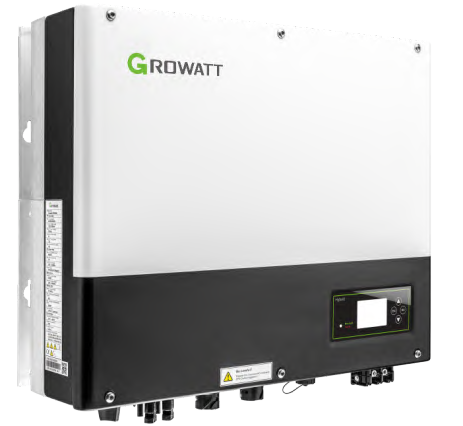
FAQ
How does a hybrid inverter differ from a standard solar inverter?
A hybrid inverter combines the functionality of a standard solar inverter with integrated battery storage management and backup power capabilities. While standard solar inverters only convert DC solar power to AC for immediate use or grid export, hybrid inverters can also charge batteries from excess solar production and provide power from stored energy when needed. This integrated approach eliminates the need for separate charge controllers and backup power systems while providing intelligent energy management capabilities that optimize consumption patterns based on real-time conditions.
What size hybrid inverter system do I need for my home or business?
The appropriate hybrid inverter size depends on your peak power requirements, daily energy consumption patterns, backup power needs, and available solar generation capacity. A proper system assessment should evaluate your historical electricity usage, critical load requirements during outages, available roof space for solar panels, and budget considerations. Most residential applications require systems ranging from 5kW to 15kW, while commercial installations may need larger capacity depending on operational requirements and facility size.
Can a hybrid inverter work without solar panels or batteries?
While hybrid inverters are designed to optimize systems with both solar panels and batteries, many models can operate with only one of these components initially. You can start with just solar panels and add batteries later, or install batteries first and add solar panels subsequently. However, the full benefits of hybrid inverter technology are realized only when both solar generation and storage components are present, as this enables complete energy independence and optimal cost savings through intelligent energy management.
How long do hybrid inverter systems typically last and what maintenance is required?
Quality hybrid inverter systems are designed for 20-25 year operational lifespans with minimal maintenance requirements. Regular maintenance typically involves periodic visual inspections, keeping ventilation areas clear, and monitoring system performance through mobile applications or web interfaces. The inverter electronics generally require no routine maintenance, while battery components may need occasional capacity testing and balancing depending on the chemistry and manufacturer specifications. Most manufacturers provide comprehensive warranties covering 10-15 years for the inverter and varying terms for battery components.