EN
EN

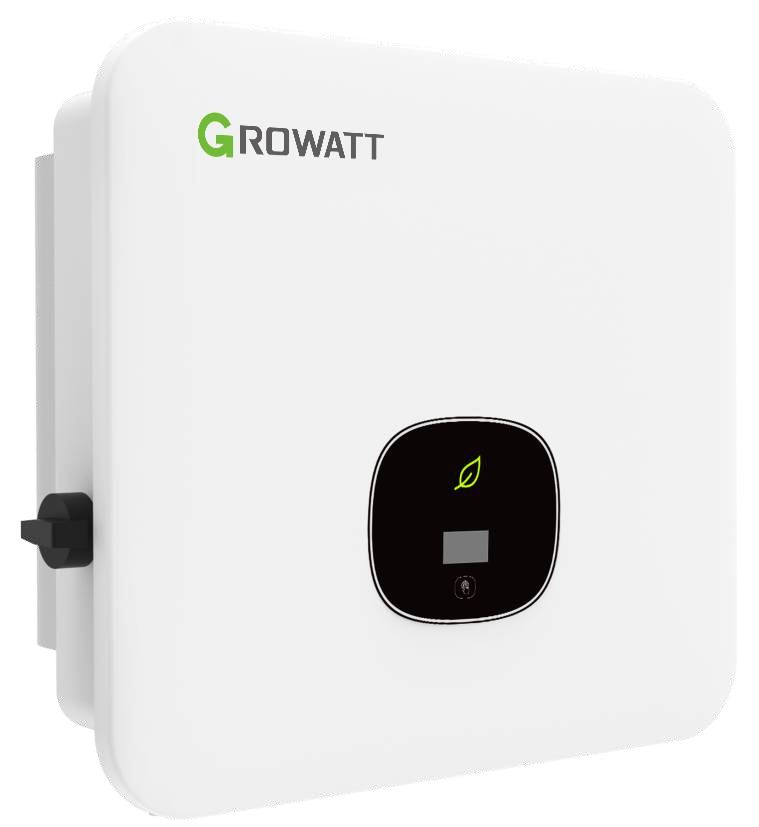
Yes, a hybrid inverter can effectively optimize both grid and solar power by intelligently managing energy flows between solar panels, battery storage, and the electrical grid. This dual optimization capability represents one of the most significant advantages of hybrid inverter technology, allowing users to maximize solar energy utilization while maintaining grid connectivity for backup power and energy arbitrage opportunities. The optimization process involves sophisticated power management algorithms that continuously monitor energy production, consumption patterns, and grid conditions to make real-time decisions about power routing and storage.
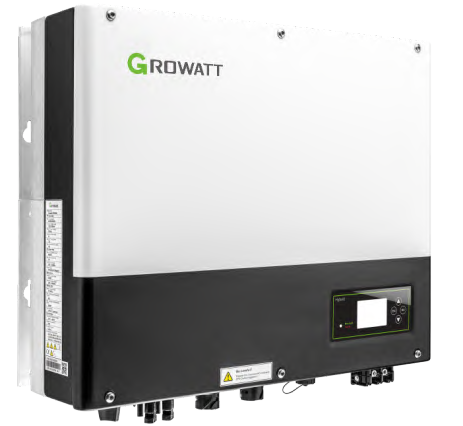
The optimization potential of a hybrid inverter extends beyond simple power conversion, encompassing dynamic load balancing, peak shaving capabilities, and intelligent grid interaction. Unlike traditional grid-tied or off-grid inverters that operate in isolation, a hybrid inverter creates a unified energy ecosystem where solar generation, battery storage, and grid power work synergistically to deliver optimal performance. This integrated approach enables users to achieve greater energy independence while maintaining the flexibility to leverage grid power when economically advantageous or operationally necessary.
Power Flow Optimization Mechanisms
Intelligent Energy Routing
A hybrid inverter optimizes power flow through sophisticated energy routing algorithms that prioritize the most efficient and cost-effective power source for any given moment. During peak solar production hours, the system typically prioritizes direct solar power consumption to meet immediate load demands. When solar generation exceeds consumption, excess power is intelligently directed to charge battery storage systems, ensuring energy capture for later use. The hybrid inverter continuously monitors battery state of charge, load requirements, and grid conditions to determine the optimal power routing strategy.
The optimization process considers multiple variables simultaneously, including real-time electricity pricing, battery charging curves, and load forecasting based on historical consumption patterns. Advanced hybrid inverter systems incorporate machine learning capabilities that adapt to user behavior and seasonal variations, improving optimization efficiency over time. This intelligent routing ensures that expensive grid power is used only when necessary, maximizing the economic value of solar energy production and storage.
Dynamic Load Balancing
Dynamic load balancing represents a critical optimization function where the hybrid inverter automatically adjusts power distribution to match varying electrical demands throughout the day. The system continuously monitors load requirements and automatically switches between power sources to maintain stable voltage and frequency while minimizing energy costs. During periods of high electrical demand, the hybrid inverter can seamlessly combine solar power, battery power, and grid power to meet load requirements without compromising system stability.
This load balancing capability extends to managing power quality issues such as voltage fluctuations and harmonic distortion that can occur when multiple power sources operate simultaneously. The hybrid inverter employs advanced power electronics and control algorithms to ensure that the combined power output maintains grid-quality standards regardless of the source combination. This optimization ensures reliable power delivery while maximizing the utilization of renewable energy sources.
Grid Integration and Solar Coordination
Bi-Directional Grid Interaction
The optimization capabilities of a hybrid inverter include sophisticated bi-directional grid interaction that enables both power import and export based on economic and operational conditions. During periods of excess solar generation, the system can export power to the grid when net metering rates are favorable, generating revenue or credits for the user. Conversely, the hybrid inverter can import grid power during off-peak hours when electricity rates are low, charging battery storage for use during expensive peak-rate periods.
This bi-directional capability creates opportunities for energy arbitrage, where users can purchase low-cost grid power for storage and sell high-value solar power back to the grid. The hybrid inverter continuously monitors grid pricing signals and automatically executes these arbitrage opportunities to maximize economic returns. Advanced systems can participate in grid services programs, providing frequency regulation and voltage support services that generate additional revenue streams.
Solar Power Maximization Strategies
Hybrid inverter systems optimize solar power utilization through advanced Maximum Power Point Tracking (MPPT) algorithms that ensure solar panels operate at their peak efficiency regardless of changing environmental conditions. These optimization algorithms continuously adjust voltage and current parameters to extract maximum power from solar arrays, even during partially shaded conditions or varying solar irradiance levels. The hybrid inverter can manage multiple MPPT channels independently, allowing for optimized performance across different panel orientations or shading patterns.
The solar optimization extends to intelligent forecasting capabilities that predict solar generation based on weather patterns and historical data. This predictive capability allows the hybrid inverter to pre-position battery storage and grid interaction strategies to maximize solar energy utilization. For example, if reduced solar generation is forecast, the system may prioritize battery charging during current high-production periods or pre-purchase grid power at favorable rates.
Energy Storage Optimization
Battery Management and Cycling
A hybrid inverter optimizes battery storage performance through sophisticated battery management systems that extend battery life while maximizing energy storage capacity. The optimization algorithms consider battery chemistry characteristics, temperature conditions, and charge/discharge rates to determine optimal charging strategies. The system avoids deep discharge cycles and prevents overcharging, both of which can significantly reduce battery lifespan and performance.
The hybrid inverter implements advanced battery cycling strategies that balance immediate energy needs with long-term battery health considerations. During periods of abundant solar generation, the system may limit charging rates to prevent battery stress, while ensuring sufficient energy storage for anticipated load requirements. These optimization strategies can extend battery life by 20-30% compared to basic charging systems, significantly improving the economic return on energy storage investments.
Capacity Planning and Utilization
Effective capacity planning represents a crucial optimization function where the hybrid inverter manages available storage capacity to meet both daily energy needs and emergency backup requirements. The system maintains reserve capacity for critical loads during grid outages while maximizing the utilization of remaining capacity for economic optimization activities. This balanced approach ensures energy security while capitalizing on energy arbitrage opportunities.
The hybrid inverter continuously analyzes consumption patterns and adjusts capacity allocation strategies to optimize both economic and reliability outcomes. During seasons with consistent solar production, more capacity may be allocated to economic optimization, while during variable weather periods, more capacity is reserved for backup power. This dynamic capacity management ensures optimal system performance across varying operational conditions.
Economic and Performance Benefits
Cost Reduction Strategies
Hybrid inverter optimization delivers significant cost reduction benefits through intelligent energy management that minimizes dependence on expensive grid power. The system automatically shifts energy consumption to periods when solar power is available or when stored energy can be utilized, reducing peak-demand charges and time-of-use electricity costs. Advanced hybrid inverter systems can achieve 60-80% reductions in electricity bills compared to grid-only power consumption.
The optimization algorithms consider complex rate structures including demand charges, time-of-use rates, and seasonal variations to minimize total electricity costs. The hybrid inverter can participate in utility programs such as demand response initiatives, earning additional compensation while contributing to grid stability. These optimization strategies create multiple revenue streams while reducing operational costs, improving the overall economic performance of renewable energy investments.
System Efficiency Improvements
The integrated optimization approach of a hybrid inverter results in significant system efficiency improvements compared to separate grid-tied and off-grid systems. By eliminating multiple conversion stages and optimizing power flow paths, hybrid inverter systems can achieve overall system efficiencies exceeding 95%. This efficiency improvement translates directly into increased energy production and reduced losses throughout the power conversion process.
The optimization extends to minimizing parasitic loads and standby power consumption during low-activity periods. Advanced hybrid inverter systems incorporate sleep modes and variable-speed cooling systems that reduce auxiliary power consumption when full system capacity is not required. These efficiency optimizations compound over time, resulting in substantial energy savings and improved return on investment for renewable energy systems.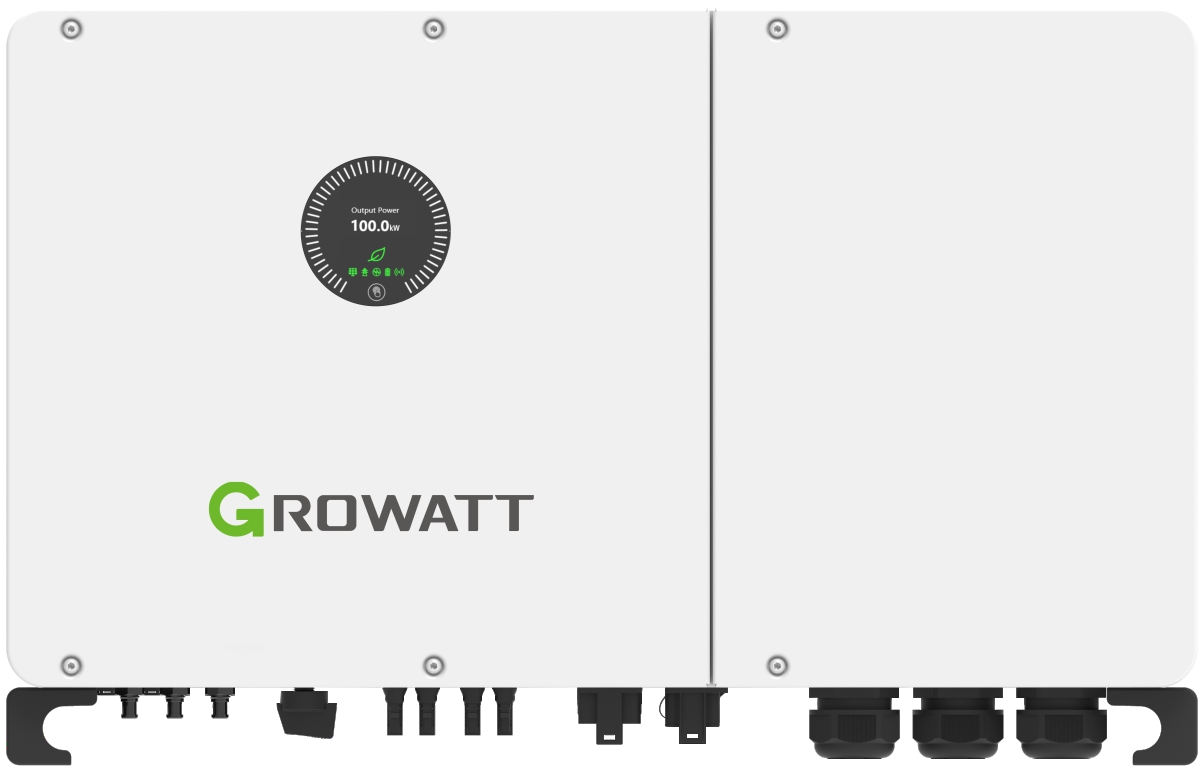
FAQ
How does a hybrid inverter optimize power flow between different sources?
A hybrid inverter optimizes power flow through sophisticated control algorithms that continuously monitor energy production, consumption, and grid conditions to determine the most efficient power routing strategy. The system prioritizes direct solar power consumption, directs excess generation to battery storage, and utilizes grid power only when economically advantageous or operationally necessary. This optimization considers factors such as electricity pricing, battery state of charge, and load forecasting to minimize energy costs while ensuring reliable power supply.
Can a hybrid inverter reduce electricity bills while maintaining grid connectivity?
Yes, a hybrid inverter can significantly reduce electricity bills while maintaining full grid connectivity through intelligent energy management and time-of-use optimization. The system automatically shifts energy consumption to periods when solar power is available or stored energy can be utilized, reducing dependence on expensive grid power during peak-rate periods. Additionally, the hybrid inverter can export excess solar power to the grid when rates are favorable and import power during off-peak hours, creating energy arbitrage opportunities that further reduce overall electricity costs.
What role does battery storage play in hybrid inverter optimization?
Battery storage serves as the crucial buffer that enables hybrid inverter optimization by providing energy storage capacity for time-shifting renewable energy production and consumption. The hybrid inverter manages battery charging and discharging cycles to maximize solar energy utilization while maintaining reserve capacity for backup power during grid outages. Advanced battery management algorithms optimize charging strategies to extend battery life while ensuring sufficient energy storage for both daily consumption needs and emergency backup requirements.
How does a hybrid inverter handle grid outages while optimizing solar power?
During grid outages, a hybrid inverter seamlessly transitions to island mode operation while continuing to optimize solar power utilization for critical loads and battery charging. The system automatically disconnects from the grid for safety reasons but maintains internal optimization algorithms that balance solar generation, battery storage, and essential load requirements. This ensures continued power supply for critical applications while maximizing renewable energy utilization even during extended grid outages, providing both energy security and ongoing optimization benefits.
Table of Contents
- Power Flow Optimization Mechanisms
- Grid Integration and Solar Coordination
- Energy Storage Optimization
- Economic and Performance Benefits
-
FAQ
- How does a hybrid inverter optimize power flow between different sources?
- Can a hybrid inverter reduce electricity bills while maintaining grid connectivity?
- What role does battery storage play in hybrid inverter optimization?
- How does a hybrid inverter handle grid outages while optimizing solar power?