EN
EN

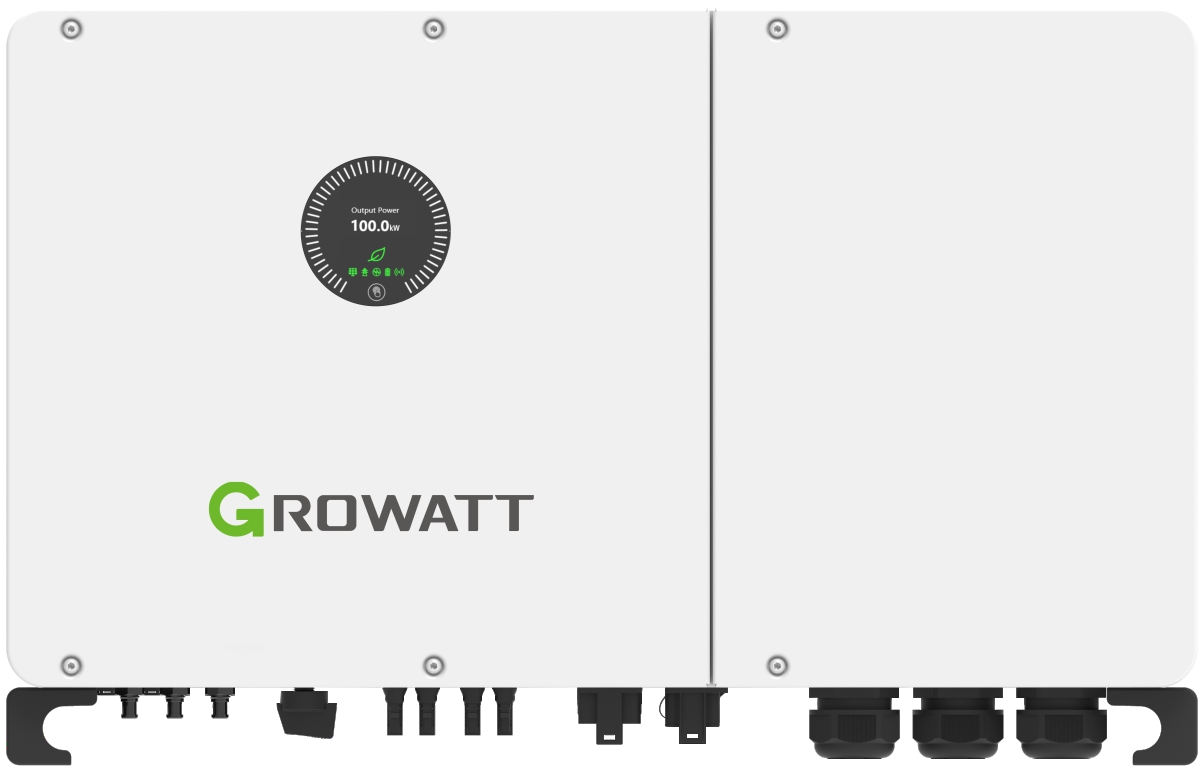
A hybrid inverter improves energy efficiency by intelligently managing power flow between solar panels, battery storage, and the electrical grid, creating a seamless integration that minimizes energy waste and maximizes renewable energy utilization. This sophisticated device acts as the central control hub of modern solar energy systems, automatically switching between energy sources and storage options based on real-time demand and availability patterns.
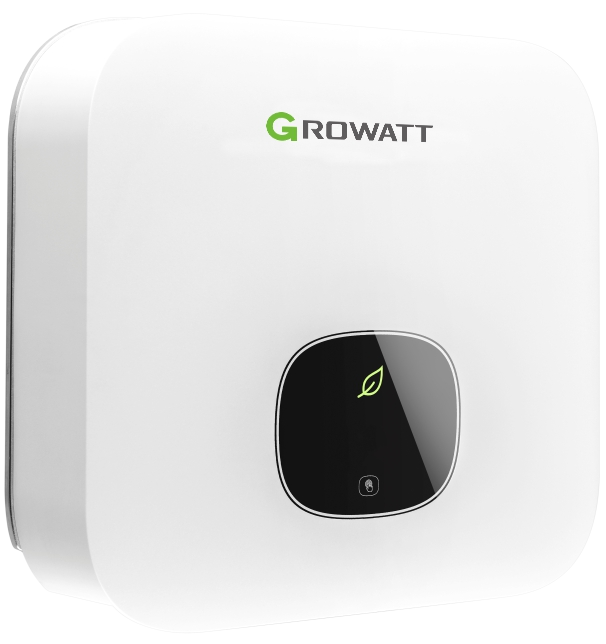
Unlike traditional inverters that only convert DC power from solar panels to AC power for household use, a hybrid inverter incorporates advanced power management capabilities that enable bidirectional energy flow, load prioritization, and grid-tie functionality. This comprehensive approach to energy management results in significant efficiency gains through reduced energy losses, optimized charging cycles, and strategic grid interaction that can lower electricity costs while maintaining reliable power supply.
Intelligent Power Flow Management
Dynamic Source Selection
The hybrid inverter achieves superior energy efficiency through its ability to automatically select the most cost-effective power source at any given moment. During peak sunlight hours, the system prioritizes direct solar power consumption, reducing reliance on grid electricity and maximizing the utilization of free renewable energy. When solar production exceeds immediate demand, the hybrid inverter efficiently channels excess power to charge battery storage systems, ensuring minimal energy waste.
This dynamic selection process occurs in real-time, with advanced algorithms continuously monitoring solar irradiance levels, battery state of charge, household energy consumption patterns, and time-of-use electricity rates. The hybrid inverter makes split-second decisions about whether to use solar power directly, draw from battery reserves, or supplement with grid electricity, always choosing the most efficient combination based on current conditions and programmed optimization parameters.
Load Prioritization Algorithms
Modern hybrid inverter systems incorporate sophisticated load prioritization features that enhance overall energy efficiency by managing how power is distributed to different household circuits and appliances. Critical loads such as refrigeration, security systems, and communication equipment receive priority during power shortages or battery backup scenarios, while non-essential loads can be temporarily reduced or shifted to periods of abundant solar generation.
These intelligent algorithms learn from historical usage patterns and can predict daily energy requirements, allowing the hybrid inverter to pre-position energy reserves and optimize charging schedules. This predictive capability reduces energy waste by ensuring batteries are charged during periods of excess solar production and discharged when grid electricity rates are highest, maximizing both environmental and economic benefits.
Battery Integration and Charging Optimization
Advanced Charging Protocols
The hybrid inverter dramatically improves energy efficiency through its sophisticated battery management system that employs multi-stage charging protocols designed to maximize battery lifespan while minimizing energy losses during the charging process. These systems typically utilize constant current, constant voltage, and float charging phases that adapt to battery chemistry, temperature conditions, and state of charge to ensure optimal efficiency throughout the charging cycle.
Temperature compensation features within the hybrid inverter automatically adjust charging voltages based on ambient conditions, preventing overcharging in hot weather and ensuring adequate charging in cold conditions. This precise control reduces energy waste that would otherwise occur through heat generation during inefficient charging cycles, while also extending battery life and maintaining consistent performance across varying environmental conditions.
Discharge Management and Grid Support
During discharge cycles, the hybrid inverter maintains high efficiency by carefully managing the power conversion process and implementing smart discharge algorithms that prevent deep discharge scenarios that could damage battery systems. The inverter continuously monitors battery voltage, current flow, and remaining capacity to ensure batteries operate within their optimal efficiency range while providing reliable backup power when needed.
Advanced hybrid inverter models can also participate in grid support functions such as frequency regulation and voltage stabilization, earning additional revenue while contributing to grid stability. These grid-interactive features allow the system to discharge stored energy back to the grid during peak demand periods when electricity prices are highest, creating an additional revenue stream that improves the overall economic efficiency of the solar energy installation.
Grid Interaction and Time-of-Use Optimization
Peak Shaving and Load Shifting
The hybrid inverter achieves remarkable energy efficiency improvements through peak shaving capabilities that reduce maximum power demand from the electrical grid during high-consumption periods. By automatically drawing from battery storage during peak rate hours and shifting energy-intensive activities to periods of lower electricity costs, the system significantly reduces overall energy expenses while decreasing strain on the electrical grid infrastructure.
Load shifting functionality allows the hybrid inverter to charge batteries during off-peak hours when electricity rates are lowest, then use this stored energy during expensive peak rate periods. This strategic energy management approach can reduce electricity costs by 30-50% in areas with time-of-use rate structures, while also reducing the overall carbon footprint by decreasing peak demand that often requires less efficient peaking power plants to meet grid requirements.
Grid-Tied Efficiency Features
When connected to the electrical grid, the hybrid inverter maintains high conversion efficiency while providing seamless transitions between grid-connected and islanded operation modes. Advanced synchronization capabilities ensure the inverter output perfectly matches grid frequency and voltage parameters, minimizing power quality issues and reducing energy losses that can occur during grid connection processes.
The hybrid inverter also incorporates anti-islanding protection features that enhance safety while maintaining efficiency during grid disturbances or outages. These systems can detect grid anomalies within milliseconds and seamlessly transition to backup power mode without interrupting critical loads, ensuring continuous operation while protecting both the solar energy system and utility workers from dangerous backfeed conditions.
Conversion Efficiency and Power Quality Enhancement
High-Frequency Switching Technology
Modern hybrid inverter designs utilize high-frequency switching technology and advanced power electronics to achieve conversion efficiencies exceeding 97% across a wide range of operating conditions. These high-efficiency transformers and switching circuits minimize energy losses that traditionally occurred in older inverter designs, ensuring that maximum solar energy reaches end-use applications rather than being lost as heat during the conversion process.
Silicon carbide and gallium nitride semiconductor technologies in premium hybrid inverter models enable even higher switching frequencies with lower losses, resulting in more compact designs with superior thermal management characteristics. These advanced materials allow the hybrid inverter to maintain peak efficiency across varying temperature conditions and power levels, ensuring consistent performance throughout the day and across seasonal variations in solar irradiance.
Power Quality Improvement Features
The hybrid inverter enhances overall energy efficiency by improving power quality through active filtering capabilities that reduce harmonic distortion and voltage fluctuations in the electrical system. Clean, stable power output reduces energy waste in connected appliances and equipment, while also extending their operational lifespan and reducing maintenance requirements.
Reactive power compensation features allow the hybrid inverter to provide voltage support to the local electrical grid, improving overall system efficiency and stability. This capability is particularly valuable in areas with weak grid infrastructure or high renewable energy penetration, where voltage regulation and power quality maintenance become critical factors in maintaining reliable electrical service.
Monitoring and Adaptive Control Systems
Real-Time Performance Optimization
Advanced hybrid inverter systems incorporate comprehensive monitoring capabilities that track energy production, consumption, storage levels, and grid conditions in real-time, enabling continuous optimization of system performance for maximum energy efficiency. These monitoring systems collect detailed data on solar irradiance, temperature, battery state of charge, load patterns, and grid electricity prices to make informed decisions about energy management strategies.
Machine learning algorithms within modern hybrid inverter control systems analyze historical performance data to identify patterns and optimize future operation, continuously improving energy efficiency through adaptive control strategies. These systems can predict weather patterns, anticipate energy demand fluctuations, and adjust charging and discharging schedules to maximize renewable energy utilization while minimizing grid dependence.
Remote Monitoring and Diagnostic Capabilities
Cloud-based monitoring platforms connected to hybrid inverter systems enable remote performance tracking and diagnostic capabilities that help identify efficiency degradation or component issues before they significantly impact system performance. Predictive maintenance features analyze system parameters to schedule maintenance activities during optimal windows, preventing unexpected downtime and ensuring sustained high efficiency operation.
These advanced monitoring systems also provide detailed energy flow visualization and efficiency reporting that helps users understand how their hybrid inverter is improving energy efficiency and reducing costs. Real-time alerts and automated optimization recommendations ensure that the system continues to operate at peak efficiency throughout its operational lifetime, maximizing return on investment while minimizing environmental impact.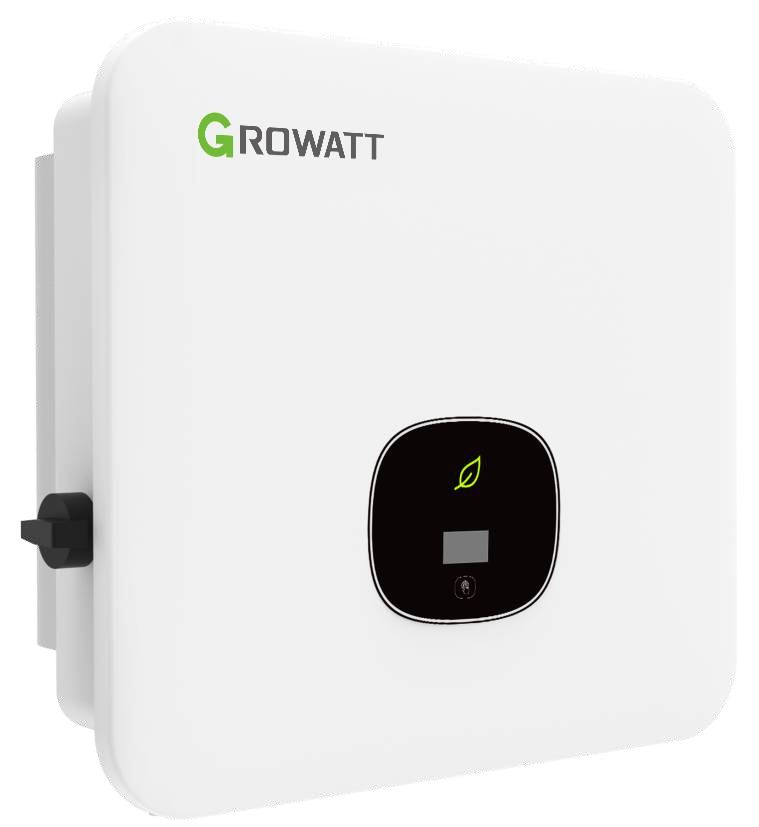
FAQ
What is the typical efficiency improvement achieved by installing a hybrid inverter compared to a standard inverter?
A hybrid inverter typically improves overall system efficiency by 15-25% compared to standard inverters through intelligent energy management, reduced conversion losses, and optimized battery charging cycles. The actual improvement depends on local electricity rates, solar irradiance patterns, and household energy consumption profiles, with greater benefits realized in areas with significant time-of-use rate differentials and high solar potential.
How does a hybrid inverter maintain high efficiency across different weather conditions?
Hybrid inverters maintain efficiency through adaptive maximum power point tracking algorithms that continuously optimize solar panel output regardless of shading or weather conditions, while temperature compensation features adjust charging parameters to maintain optimal battery performance. Advanced thermal management systems and wide input voltage ranges ensure the inverter operates efficiently across seasonal temperature variations and varying solar irradiance levels.
Can a hybrid inverter improve efficiency in homes without battery storage initially?
Yes, a hybrid inverter can improve efficiency even without battery storage through superior grid-tie functionality, advanced MPPT algorithms that maximize solar panel output, and intelligent load management features that optimize direct solar consumption. The system can be configured for battery-ready operation, allowing users to add storage capacity later while immediately benefiting from improved solar energy utilization and reduced grid dependence.
What maintenance is required to keep a hybrid inverter operating at peak efficiency?
Hybrid inverters require minimal maintenance to maintain peak efficiency, typically involving quarterly visual inspections for physical damage or debris, annual cleaning of cooling vents and filters, and periodic firmware updates to ensure optimal performance algorithms. Most systems include self-diagnostic capabilities that monitor component health and performance metrics, alerting users to any issues that could impact efficiency before they become serious problems.
Table of Contents
- Intelligent Power Flow Management
- Battery Integration and Charging Optimization
- Grid Interaction and Time-of-Use Optimization
- Conversion Efficiency and Power Quality Enhancement
- Monitoring and Adaptive Control Systems
-
FAQ
- What is the typical efficiency improvement achieved by installing a hybrid inverter compared to a standard inverter?
- How does a hybrid inverter maintain high efficiency across different weather conditions?
- Can a hybrid inverter improve efficiency in homes without battery storage initially?
- What maintenance is required to keep a hybrid inverter operating at peak efficiency?