types of solar energy systems
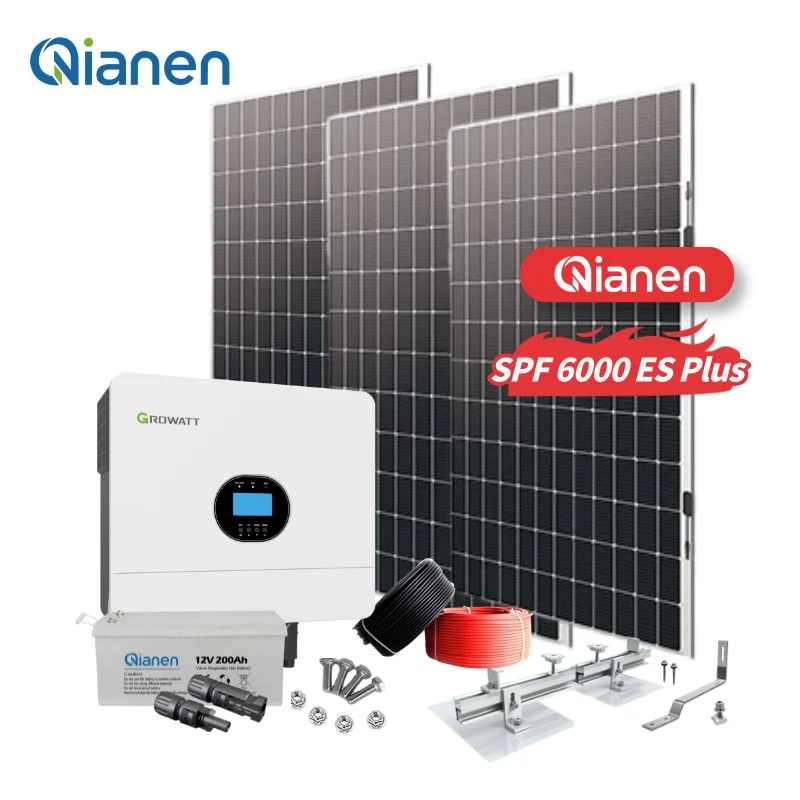
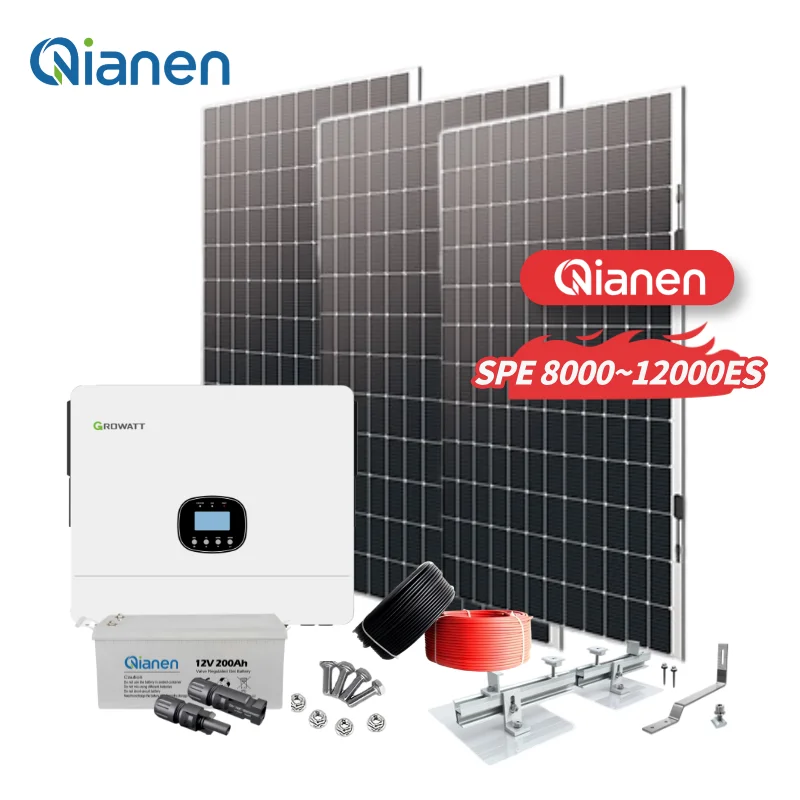
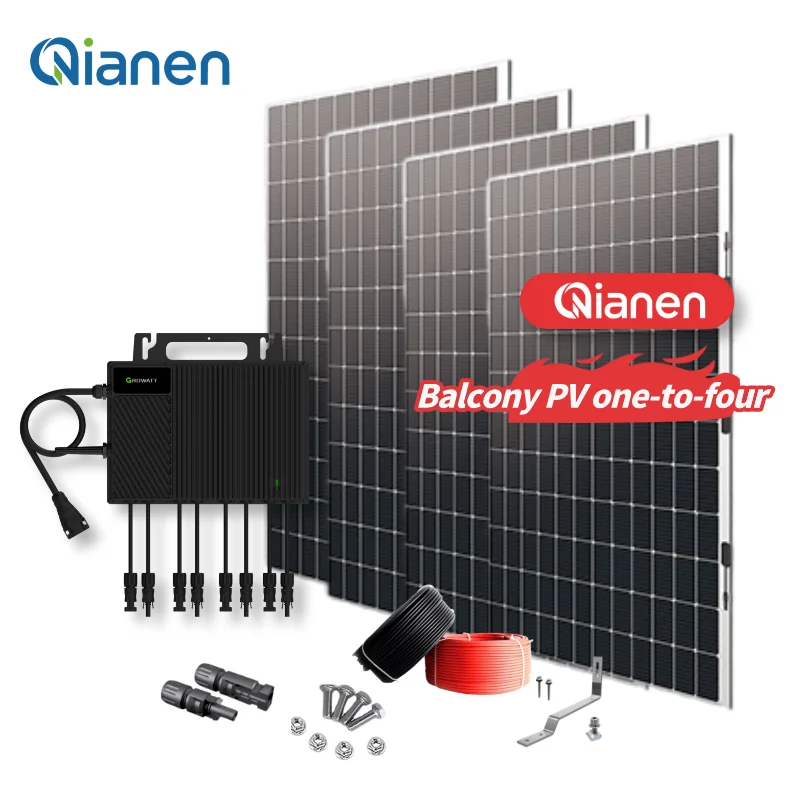
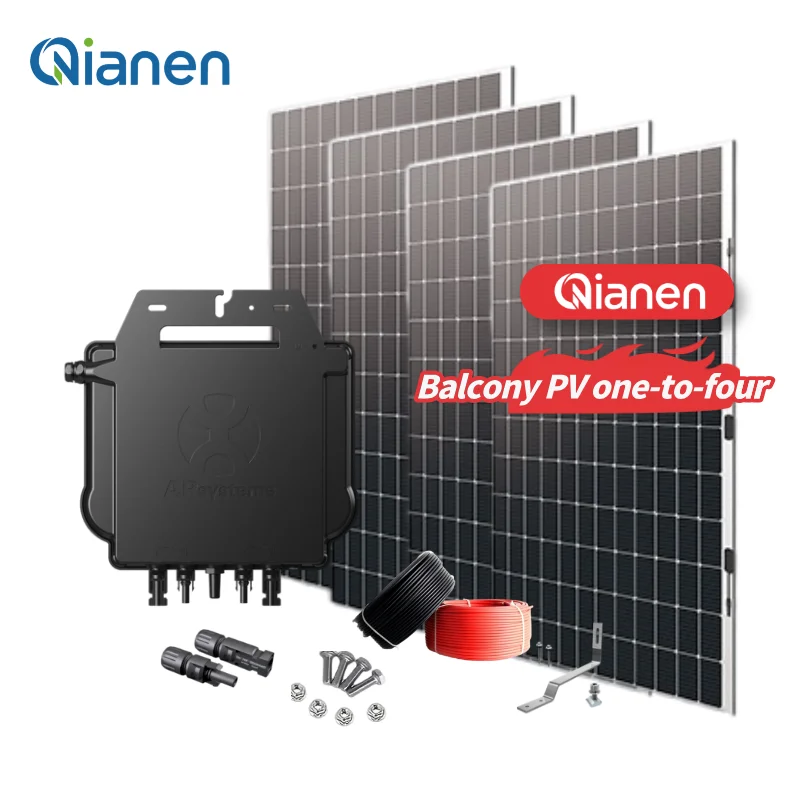
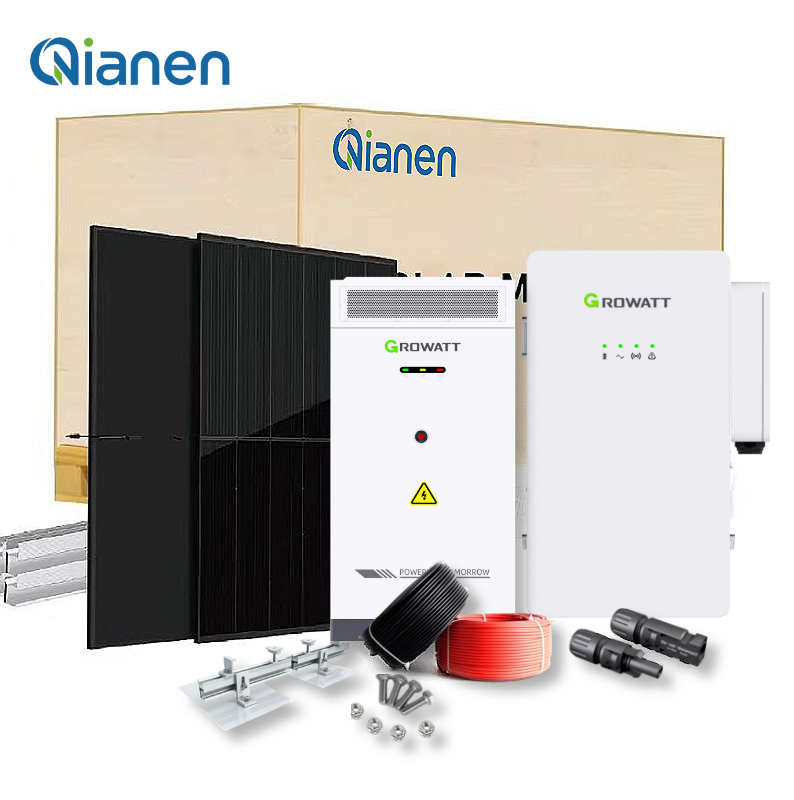
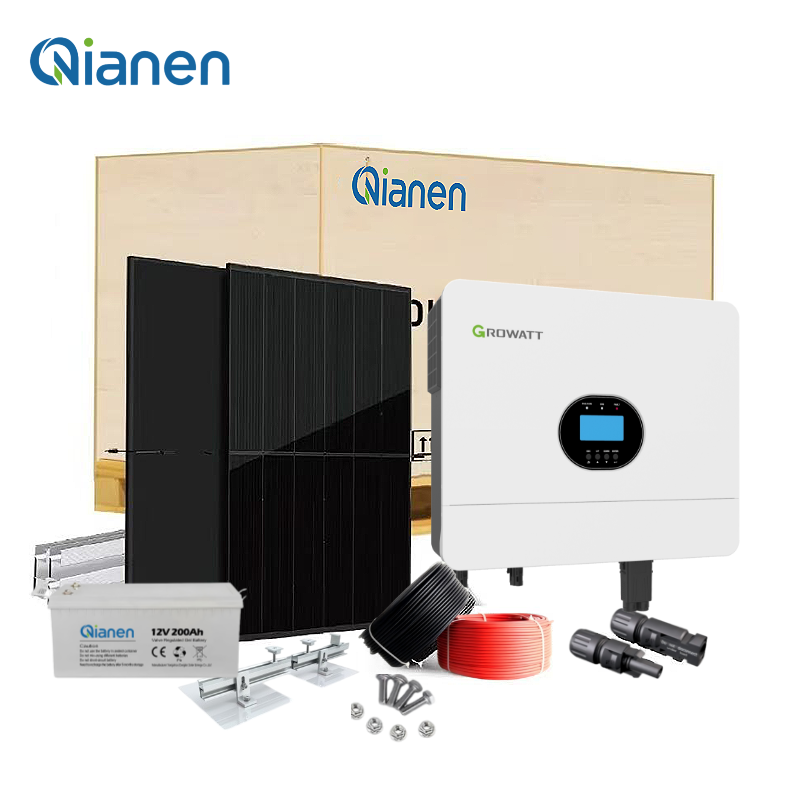
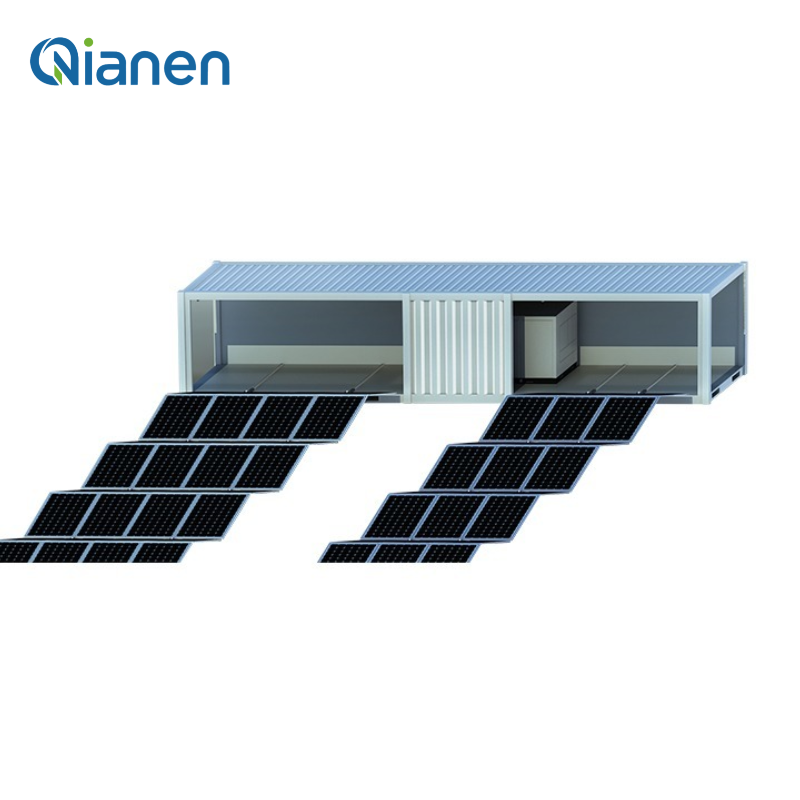
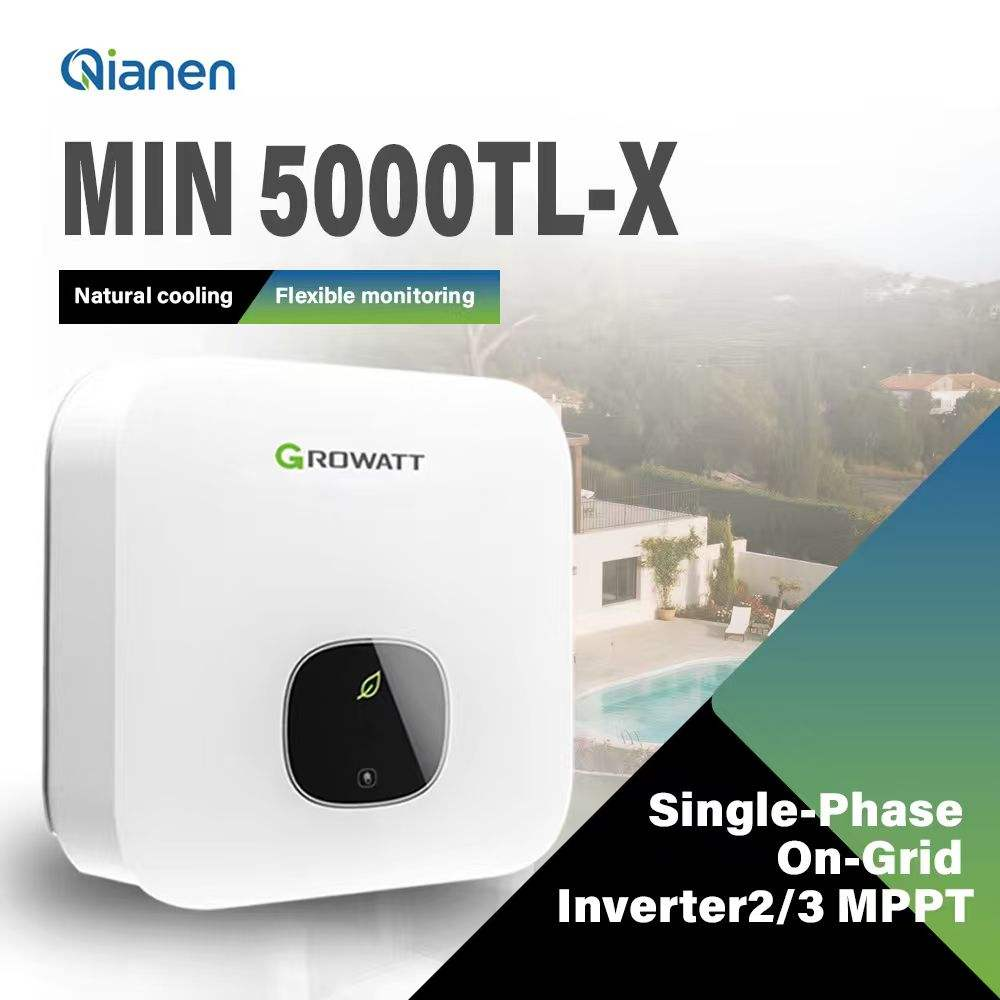
Solar energy systems come in several distinct types, each designed to harness the sun's power efficiently. Photovoltaic (PV) systems, the most common type, directly convert sunlight into electricity using semiconductor materials in solar panels. These systems can be grid-connected or stand-alone, offering flexibility for various applications. Solar thermal systems, another major category, capture solar energy to heat water or air for domestic, commercial, and industrial use. These include flat-plate collectors and evacuated tube collectors, which are particularly efficient in cold climates. Concentrated solar power (CSP) systems use mirrors or lenses to focus sunlight onto a small area, creating high temperatures that drive steam turbines for electricity generation. These systems are typically used in large-scale power plants. Passive solar systems, which require no mechanical equipment, utilize building design elements like south-facing windows and thermal mass materials to collect and distribute solar energy for heating and cooling. Hybrid solar systems combine different technologies, such as PV panels with thermal collectors, maximizing energy capture and system efficiency. Each type serves specific needs and can be scaled from residential to utility applications, making solar energy a versatile and sustainable power source.
 EN
EN