solar panel efficiency
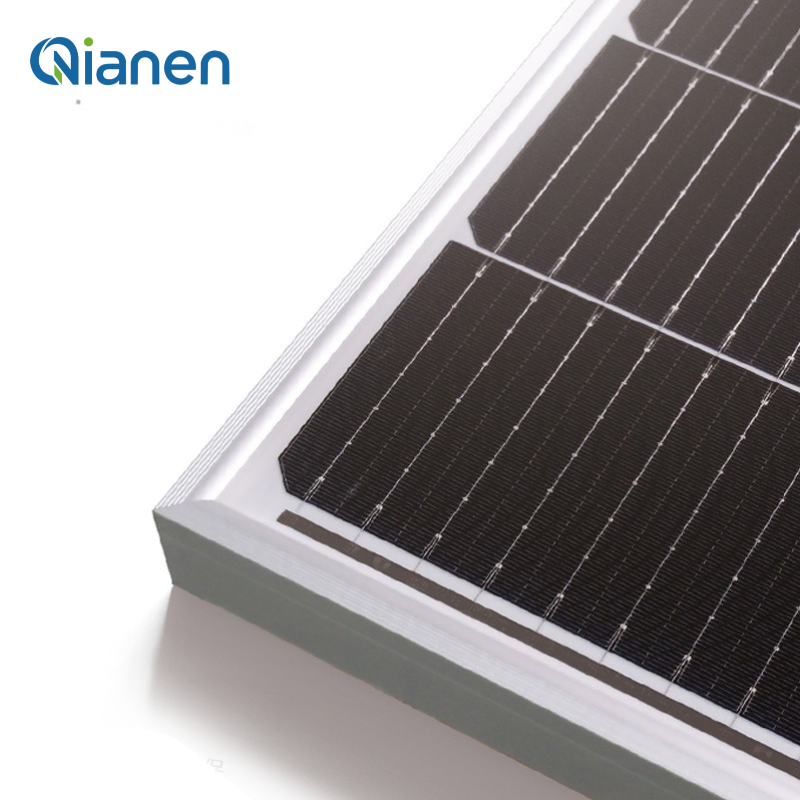
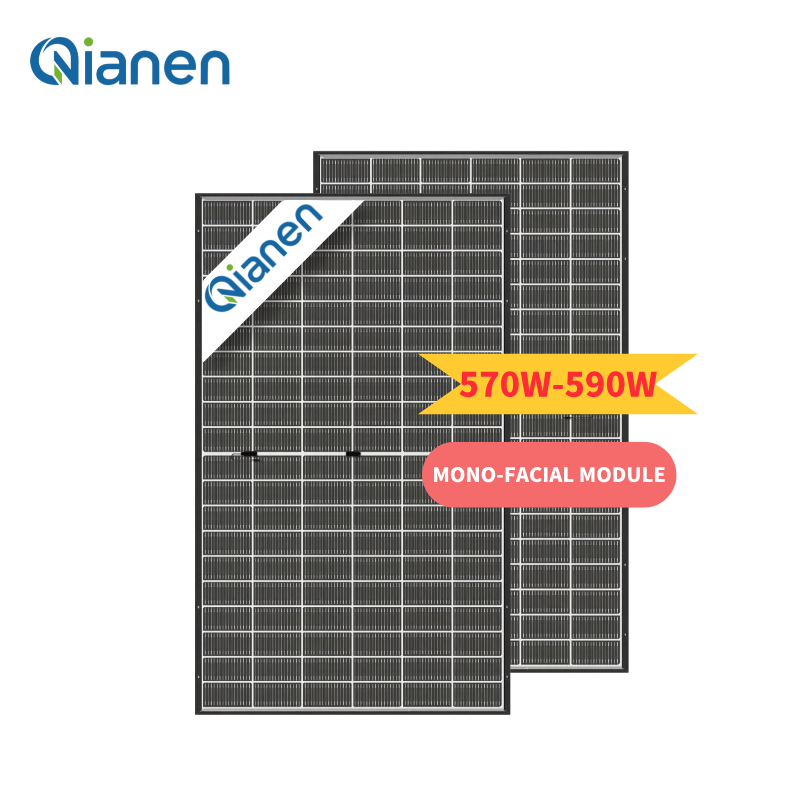
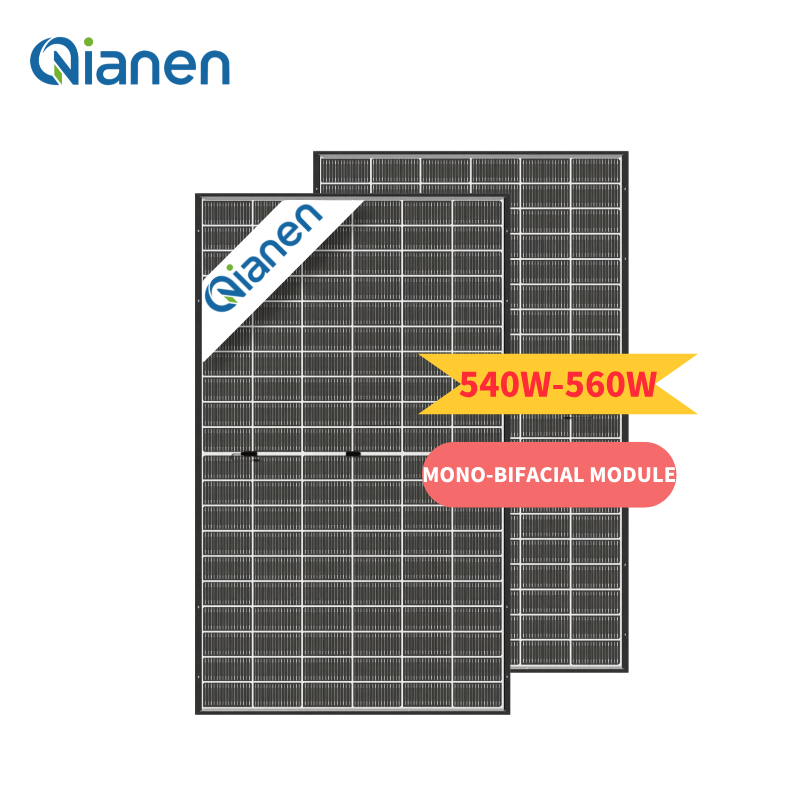
Solar panel efficiency represents the rate at which sunlight is converted into usable electrical energy, serving as a crucial metric in photovoltaic technology. Modern solar panels typically achieve efficiency rates between 15% and 23%, though advanced models can reach up to 40% efficiency. This measurement indicates how effectively a solar panel converts available sunlight into electricity, taking into account factors such as cell technology, panel design, and environmental conditions. The efficiency is calculated by dividing the panel's electrical power output by the amount of solar energy incident on the panel. High-efficiency panels utilize various technologies, including monocrystalline silicon cells, multi-junction cells, and anti-reflective coatings, to maximize energy conversion. These panels employ sophisticated semiconductor materials that capture different wavelengths of light, while innovative cell architectures minimize energy losses. The applications range from residential rooftop installations to large-scale solar farms, with efficiency playing a vital role in determining the required installation space and overall system cost-effectiveness.
 EN
EN