EN
EN

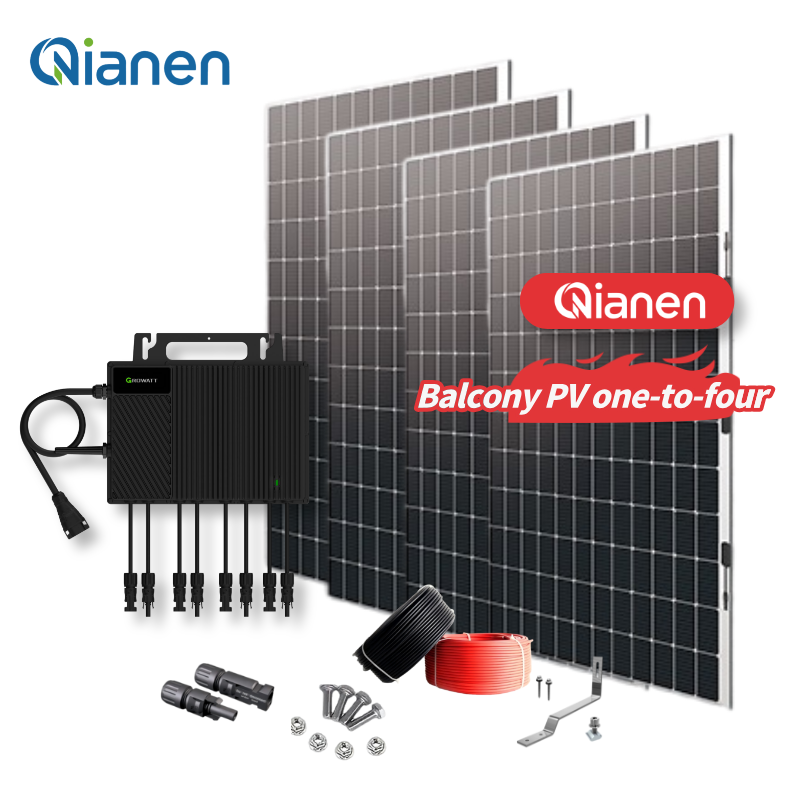
Urban living presents unique challenges for environmentally conscious residents seeking sustainable energy solutions. Space constraints, building regulations, and rental limitations often make traditional rooftop solar installations impractical for apartment dwellers. However, the emergence of balcony solar systems has revolutionized renewable energy access for urban residents, offering a viable path to energy independence without requiring extensive structural modifications or significant upfront investments.
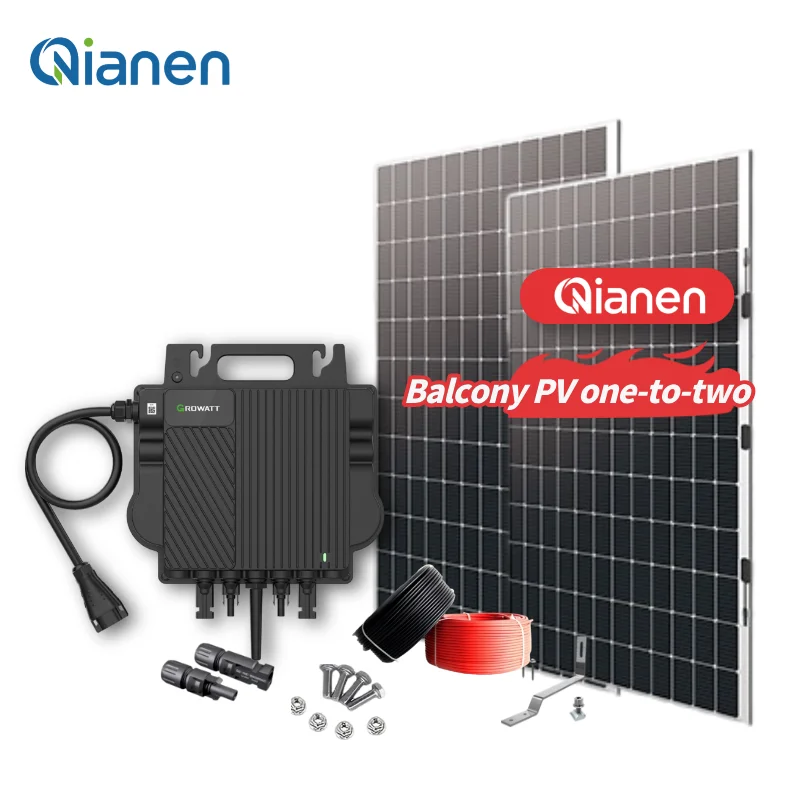
The compact design and plug-and-play functionality of a balcony solar system make it particularly well-suited for urban apartment environments. These systems address the fundamental barriers that have historically prevented city residents from accessing solar energy, providing immediate value through reduced electricity bills while requiring minimal installation complexity. Understanding why these systems excel in urban settings reveals compelling advantages that extend beyond simple energy generation to encompass financial flexibility, environmental impact, and practical convenience.
Space Optimization and Urban Design Integration
Maximizing Limited Balcony Real Estate
Urban apartments typically feature balconies ranging from 20 to 100 square feet, creating natural constraints for energy generation equipment. A balcony solar system addresses this limitation through compact panel designs that efficiently utilize available vertical and horizontal space. Modern systems feature lightweight panels measuring approximately 65 by 39 inches, allowing installation on railings, walls, or floor-mounted configurations without overwhelming the balcony's aesthetic or functional value.
The vertical installation capability of a balcony solar system proves particularly valuable in high-rise environments where direct sunlight access varies throughout the day. These systems can be angled and positioned to capture optimal solar exposure during peak generation hours, typically between 10 AM and 4 PM when urban shadows are minimized. The flexibility in mounting options ensures that even balconies with partial shade exposure can generate meaningful electricity production.
Architectural Compatibility and Building Code Compliance
Building management companies and homeowners associations increasingly recognize balcony solar systems as acceptable modifications due to their removable nature and minimal structural impact. Unlike permanent rooftop installations that require engineering assessments and structural modifications, a balcony solar system typically qualifies as portable equipment that doesn't violate building codes or lease agreements. This classification eliminates lengthy approval processes and potential legal complications for renters.
The aesthetic integration of modern balcony solar systems has evolved significantly, with manufacturers developing sleek designs that complement contemporary urban architecture. These systems often feature black or dark blue panels with streamlined frames that blend seamlessly with building facades, addressing concerns from building management about visual impact on property values or neighborhood aesthetics.
Financial Advantages for Urban Residents
Lower Barrier to Entry and Immediate Returns
The financial accessibility of a balcony solar system represents a significant advantage over traditional solar installations. While rooftop systems often require $15,000 to $25,000 investments, balcony systems typically range from $800 to $3,000, making renewable energy accessible to middle-income urban residents. This lower cost barrier enables immediate entry into solar energy without requiring substantial financing or long-term payment commitments.
Urban electricity rates often exceed $0.12 per kilowatt-hour, with peak rates reaching $0.20 during summer months in major metropolitan areas. A properly sized balcony solar system generating 300 to 800 watts can offset 20 to 40 percent of typical apartment electricity consumption, resulting in monthly savings of $25 to $60. These immediate savings provide tangible value that compounds over the system's 20 to 25-year operational lifespan.
Portability and Investment Protection
Urban residents frequently relocate due to career changes, rent increases, or lifestyle preferences, making permanent home improvements financially impractical. A balcony solar system provides investment protection through complete portability, allowing owners to relocate their energy generation capacity to new residences. This mobility ensures that the initial investment continues providing value regardless of housing changes, unlike fixed installations that remain with the property.
The modular nature of balcony solar systems enables capacity expansion or reconfiguration based on new living situations. Residents moving from a studio apartment to a larger unit can add additional panels to their existing system, while those downsizing can reduce capacity without losing their core investment. This flexibility aligns with the dynamic nature of urban living patterns and career progression.
Technical Suitability for Apartment Environments
Simplified Installation and Maintenance Requirements
The plug-and-play design of modern balcony solar systems eliminates the need for electrical permits, professional installation, or structural modifications. Most systems connect directly to standard electrical outlets using micro-inverters that convert DC power to AC electricity at the panel level. This approach bypasses complex electrical work while ensuring safety through built-in shutdown capabilities and ground fault protection.
Maintenance requirements for a balcony solar system align well with urban apartment living constraints. The accessible location enables easy panel cleaning using standard household equipment, while the elevated position naturally sheds debris and snow. Unlike rooftop installations requiring professional maintenance services, balcony systems can be serviced by residents during routine balcony cleaning activities.
Grid Integration and Energy Management
Urban electrical infrastructure provides stable grid connections that complement balcony solar system operation. The consistent power quality and reliable grid synchronization available in metropolitan areas ensure optimal system performance and seamless integration with existing apartment electrical systems. Modern balcony systems include smart monitoring capabilities that track energy production and consumption patterns through smartphone applications.
The distributed nature of balcony solar systems across urban apartment buildings creates beneficial load diversity for local electrical grids. As more residents adopt these systems, the aggregated generation capacity helps reduce peak demand stress on urban electrical infrastructure while providing localized power generation that reduces transmission losses common in centralized power distribution networks.
Environmental Impact and Urban Sustainability
Carbon Footprint Reduction in Dense Urban Areas
Urban areas typically exhibit high energy consumption density due to concentrated population and commercial activity, making distributed renewable energy generation particularly valuable for environmental improvement. A single balcony solar system generating 1,500 kilowatt-hours annually prevents approximately 1,000 pounds of carbon dioxide emissions, equivalent to removing a vehicle from urban roads for 1,200 miles of driving.
The cumulative impact of widespread balcony solar system adoption across urban apartment buildings creates measurable environmental benefits at the neighborhood level. A 100-unit apartment building with 50 percent balcony solar adoption could generate 75,000 kilowatt-hours annually, offsetting 25 tons of carbon emissions while reducing dependency on fossil fuel power generation during peak demand periods.
Air Quality Improvement and Urban Heat Island Mitigation
Localized renewable energy generation through balcony solar systems contributes to improved urban air quality by reducing reliance on fossil fuel power plants that contribute to urban smog and particulate pollution. The distributed generation model decreases transmission requirements and associated energy losses, improving overall system efficiency while reducing the environmental footprint of urban energy consumption.
The reflective properties and shading effects of balcony solar systems provide secondary environmental benefits by reducing heat absorption on building surfaces. This cooling effect contributes to urban heat island mitigation while reducing air conditioning loads within apartments, creating a positive feedback loop that amplifies the environmental benefits beyond direct electricity generation.
Regulatory and Social Considerations
Policy Support and Incentive Alignment
Municipal governments increasingly recognize balcony solar systems as valuable tools for achieving renewable energy targets and carbon reduction goals. Many cities offer rebates, tax credits, or streamlined permitting processes specifically designed to encourage distributed solar adoption in high-density residential areas. These policy frameworks acknowledge the unique value proposition of balcony systems for urban sustainability objectives.
Net metering policies in many urban areas allow balcony solar system owners to receive credit for excess electricity generation fed back into the grid. This arrangement provides additional financial value during high-generation periods while supporting grid stability through distributed power injection. The small scale of individual balcony systems aligns well with net metering program parameters designed for residential applications.
Community Benefits and Social Adoption
The visible nature of balcony solar systems creates positive social influence within apartment buildings and neighborhoods, encouraging additional adoptions through peer demonstration effects. Residents observing successful installations gain confidence in the technology while witnessing tangible benefits through reduced electricity costs and environmental contributions. This social proof accelerates adoption rates beyond traditional marketing approaches.
Building-wide coordination of balcony solar system installations can create economies of scale through group purchasing arrangements and shared maintenance resources. Property management companies increasingly facilitate these group efforts, recognizing the positive impact on tenant satisfaction and building sustainability credentials. The collective approach enhances individual benefits while building community engagement around environmental stewardship.
FAQ
How much electricity can a balcony solar system generate in an urban apartment setting?
A typical balcony solar system with 400 to 800 watts of capacity can generate 300 to 1,200 kilowatt-hours annually, depending on balcony orientation, local climate, and urban shading conditions. South-facing balconies with minimal obstruction achieve optimal performance, while east and west orientations typically produce 80 to 90 percent of peak generation. Systems in urban environments often generate enough electricity to offset 20 to 40 percent of typical apartment consumption, resulting in meaningful utility bill reductions.
What are the installation requirements for a balcony solar system in an apartment?
Most balcony solar systems require only basic mounting hardware and connection to a standard electrical outlet, eliminating the need for electrical permits or professional installation. The systems typically weigh 40 to 80 pounds and mount using clamps or brackets that attach to balcony railings without permanent modification. Renters should verify lease agreements and building policies, though most systems qualify as removable personal property rather than structural modifications.
Can balcony solar systems work effectively with limited sun exposure in urban environments?
Modern balcony solar systems incorporate advanced photovoltaic technology that generates electricity even under partially shaded conditions and indirect sunlight common in urban settings. While peak performance requires direct sunlight, these systems continue producing power during cloudy conditions and can capture reflected light from surrounding buildings. Urban installations typically achieve 70 to 85 percent of optimal generation, making them economically viable despite challenging light conditions.
Are there any safety concerns specific to balcony solar systems in apartments?
Balcony solar systems include multiple safety features designed for residential applications, including ground fault circuit protection, rapid shutdown capabilities, and weather-resistant construction. The low-voltage DC components and micro-inverter technology minimize electrical hazards, while proper mounting prevents wind damage or panel displacement. Regular visual inspections and occasional cleaning represent the primary maintenance requirements, with most systems designed for 20 to 25 years of safe operation in urban environments.
Table of Contents
- Space Optimization and Urban Design Integration
- Financial Advantages for Urban Residents
- Technical Suitability for Apartment Environments
- Environmental Impact and Urban Sustainability
- Regulatory and Social Considerations
-
FAQ
- How much electricity can a balcony solar system generate in an urban apartment setting?
- What are the installation requirements for a balcony solar system in an apartment?
- Can balcony solar systems work effectively with limited sun exposure in urban environments?
- Are there any safety concerns specific to balcony solar systems in apartments?