EN
EN

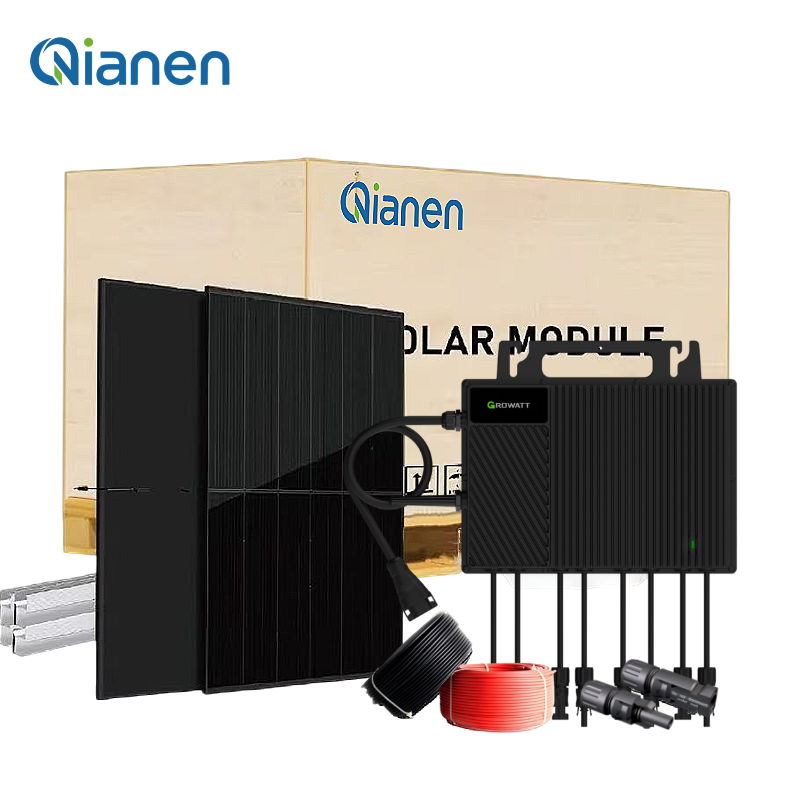
Urban living presents unique challenges for homeowners seeking renewable energy solutions, particularly those residing in apartments, condominiums, or homes with limited roof space. A balcony solar system emerges as an innovative answer to these constraints, offering a practical pathway to sustainable energy generation without requiring extensive structural modifications. These compact photovoltaic installations transform underutilized balcony spaces into productive energy centers, making solar power accessible to millions of urban dwellers who previously considered renewable energy beyond their reach.
The growing adoption of balcony solar systems reflects a broader shift toward decentralized energy production, where individual households contribute to overall grid stability while reducing their carbon footprint. Modern balcony installations incorporate advanced technologies such as microinverters, MPPT controllers, and high-efficiency monocrystalline panels that maximize energy capture even in space-constrained environments. These systems typically generate between 300 to 1200 watts of power, sufficient to offset a significant portion of household electricity consumption while maintaining aesthetic appeal and structural integrity.
Understanding Balcony Solar System Technology
Core Components and Design Principles
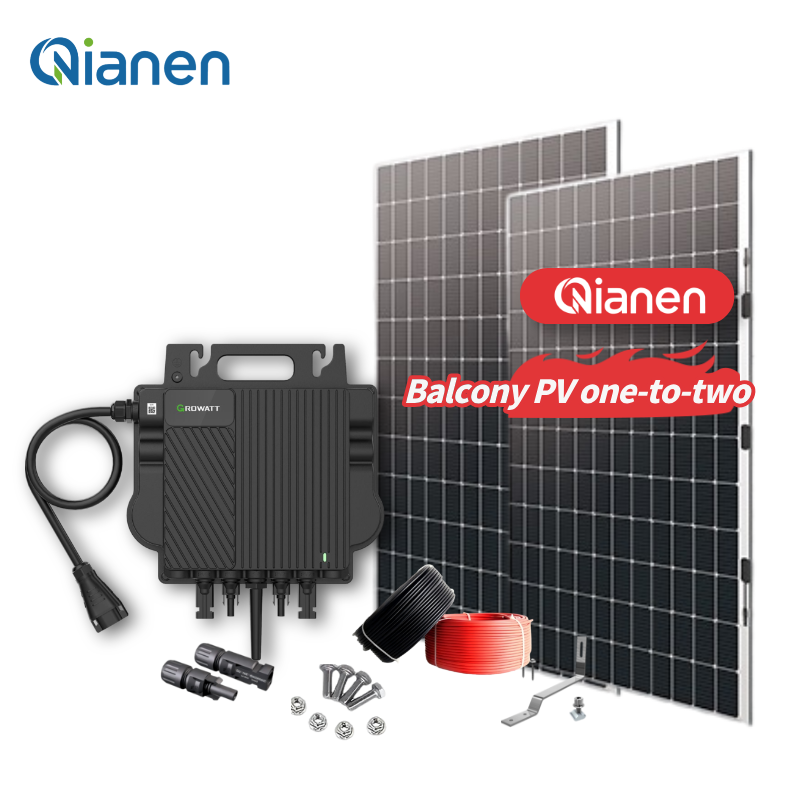
A modern balcony solar system integrates several sophisticated components working in harmony to convert sunlight into usable electricity. The foundation consists of high-efficiency photovoltaic panels, typically measuring between 1.5 to 2 square meters per panel, designed specifically for vertical or angled mounting on balcony railings or walls. These panels incorporate either monocrystalline or polycrystalline silicon technology, with monocrystalline variants offering superior efficiency ratings of 20-22% compared to polycrystalline alternatives at 15-18% efficiency.
The electrical conversion process begins when photons strike the silicon cells, creating an electron flow that generates direct current electricity. This DC power flows through specialized wiring harnesses to Maximum Power Point Tracking controllers, which optimize energy extraction by continuously adjusting voltage and current parameters based on varying sunlight conditions. MPPT controllers represent a significant advancement over traditional PWM controllers, offering 15-30% improved energy harvest particularly during partial shading or suboptimal weather conditions common in urban environments.
Microinverters or power optimizers complete the conversion chain by transforming DC electricity into alternating current compatible with household appliances and grid connection standards. Unlike traditional string inverter systems, microinverter-based balcony solar system configurations provide panel-level optimization, ensuring that shading on one module does not compromise the performance of adjacent panels. This architecture proves particularly valuable for balcony installations where shadows from neighboring buildings, architectural features, or vegetation may create partial shading conditions throughout the day.
Installation Flexibility and Mounting Solutions
Balcony solar system installations offer remarkable flexibility in mounting configurations, accommodating diverse architectural styles and structural limitations. Railing-mounted systems utilize specialized clamps and brackets that secure panels directly to balcony railings without requiring permanent modifications to building structures. These mounting solutions distribute weight evenly across multiple railing sections, ensuring structural integrity while maintaining compliance with building codes and homeowner association requirements.
Wall-mounted configurations provide alternative installation options for balconies with solid parapet walls or limited railing space. These systems employ adjustable tilt mechanisms allowing optimal panel orientation toward the sun while maintaining clearance for balcony usage. Advanced mounting hardware includes anti-vibration dampeners and corrosion-resistant materials designed to withstand years of weather exposure without degrading system performance or compromising building aesthetics.
Ground-mounted portable options expand installation possibilities for larger balconies or terraces where permanent mounting may not be feasible. These systems feature wheeled bases or lightweight frames that allow seasonal repositioning to maximize solar exposure while providing flexibility for balcony use during entertaining or maintenance activities. Portable balcony solar system configurations typically include integrated battery storage and AC outlets, creating complete off-grid power stations suitable for emergency backup or outdoor applications.
Economic Benefits and Return on Investment
Cost Analysis and Payback Periods
The financial advantages of balcony solar system ownership extend beyond simple electricity bill reduction, encompassing multiple economic benefits that compound over the system's 25-year operational lifespan. Initial investment costs for complete balcony installations typically range from $500 to $2,000 depending on system capacity, component quality, and installation complexity. This price point represents a fraction of traditional rooftop solar installations while delivering proportional energy savings suitable for apartment and small home applications.
Monthly electricity savings vary based on local utility rates, system capacity, and household consumption patterns, but typical balcony solar system installations offset 20-40% of residential electricity usage. In regions with time-of-use pricing structures, these systems provide additional value by generating peak power during expensive afternoon hours when air conditioning loads stress the electrical grid. Net metering policies in many jurisdictions allow excess generation to flow back to the grid, creating additional revenue streams or credits against future electricity consumption.
Payback periods for balcony installations average 3-6 years depending on local electricity rates and available incentives, after which all generated electricity represents pure savings. Property value enhancement represents another economic benefit, with studies indicating that solar installations increase home values by 3-4% on average. For condominium owners, individual balcony solar system ownership provides energy independence without requiring building-wide consensus or shared infrastructure investments.
Government Incentives and Tax Benefits
Federal, state, and local incentive programs significantly improve the economic attractiveness of balcony solar system investments. The federal Investment Tax Credit allows homeowners to deduct 30% of installation costs from their tax liability, providing substantial upfront savings that accelerate payback periods. This credit applies to all system components including panels, inverters, mounting hardware, and professional installation services, making comprehensive balcony installations more affordable for middle-income households.
State-level rebate programs offer additional financial support, with some jurisdictions providing per-watt rebates ranging from $0.50 to $2.00 for qualifying installations. These programs often prioritize small-scale distributed generation projects, making balcony solar system installations eligible for enhanced incentive rates compared to larger commercial projects. Utility company programs may offer additional rebates, preferential interconnection rates, or simplified net metering agreements specifically designed to encourage residential solar adoption.
Local property tax exemptions prevent solar installations from increasing assessed property values for taxation purposes while still providing the underlying value enhancement benefits. Sales tax exemptions on solar equipment purchases provide immediate cost savings during system procurement, while accelerated depreciation schedules benefit homeowners who operate small businesses from their residences and can claim solar installations as business expenses.
Environmental Impact and Sustainability
Carbon Footprint Reduction
Individual balcony solar system installations contribute meaningfully to global carbon reduction efforts while providing homeowners with tangible environmental benefits. A typical 800-watt balcony solar system prevents approximately 1,200 pounds of carbon dioxide emissions annually, equivalent to planting 15 trees or removing a car from the road for 3,000 miles of driving. Over the system's 25-year lifespan, cumulative emissions avoidance reaches 30,000 pounds of CO2, representing substantial individual contribution to climate change mitigation efforts.
Manufacturing energy payback periods for modern balcony solar system components average 6-18 months, after which all generated electricity represents net environmental benefit. Advanced manufacturing processes and improved silicon purification techniques continue reducing the embedded energy content of photovoltaic modules while increasing efficiency and durability. Recycling programs for end-of-life solar panels ensure that valuable materials return to the supply chain rather than entering waste streams, creating truly circular economy benefits.
The distributed generation model inherent to balcony installations reduces transmission losses associated with centralized power plants, improving overall grid efficiency while reducing infrastructure stress. Peak generation timing aligns well with afternoon air conditioning loads, reducing utility reliance on expensive and polluting peaker plants during high-demand periods. This load-shifting benefit becomes increasingly valuable as more balcony solar system installations come online, creating virtual power plants that enhance grid stability while reducing emissions.
Resource Conservation and Grid Benefits
Widespread adoption of balcony solar system technology contributes to broader resource conservation efforts by reducing demand for fossil fuel extraction, processing, and transportation. Each kilowatt-hour generated by residential solar installations represents avoided consumption of coal, natural gas, or other finite resources, while reducing water usage associated with thermal power plant cooling systems. Urban balcony installations prove particularly valuable by generating clean electricity at the point of consumption, eliminating transmission infrastructure requirements and associated environmental impacts.
Grid resilience improvements result from distributed generation patterns created by numerous small-scale installations throughout urban areas. Unlike centralized power plants vulnerable to single-point failures, distributed balcony solar system networks continue providing partial service even during infrastructure disruptions. This resilience proves particularly valuable during extreme weather events or emergency situations when centralized grid components may be compromised but individual installations remain functional.
Demand response capabilities emerge as balcony installations integrate with smart home technologies and battery storage systems. These combinations allow homeowners to participate in utility demand response programs, reducing electricity consumption during peak hours while providing grid services that enhance overall system stability. Future developments in vehicle-to-grid technology may enable balcony installations to support electric vehicle charging and discharging cycles, further amplifying their grid support capabilities.
Technical Specifications and Performance Optimization
Panel Efficiency and Output Characteristics
Modern balcony solar system panels achieve remarkable efficiency levels despite space constraints, with premium monocrystalline modules reaching 22% conversion efficiency in compact form factors. These high-performance panels generate 350-400 watts per module in standard 2-square-meter configurations, providing substantial power output suitable for meaningful household electricity offset. Temperature coefficients of -0.35%/°C ensure stable performance during hot summer conditions, while low-light performance characteristics maintain generation during overcast conditions common in urban environments.
Power output optimization requires careful consideration of panel orientation, tilt angle, and potential shading sources throughout the day and seasonal cycles. South-facing installations in northern latitudes achieve maximum annual generation, but east and west orientations provide valuable generation profiles that align with morning and evening household consumption patterns. Advanced panel technologies incorporate bifacial designs that capture reflected light from building surfaces and balcony flooring, increasing total power output by 10-20% compared to traditional monofacial panels.
Performance monitoring systems integrated into modern balcony solar system installations provide real-time generation data, system health diagnostics, and predictive maintenance alerts. These monitoring platforms enable homeowners to track energy production, identify performance issues, and optimize system operation through smartphone applications and web-based dashboards. Advanced analytics identify seasonal performance patterns, weather impacts, and potential system improvements that maximize long-term energy harvest.
Integration with Home Energy Systems
Smart home integration capabilities transform basic balcony solar system installations into sophisticated energy management platforms that optimize household electricity consumption patterns. Battery storage integration allows excess daytime generation to power evening loads, reducing grid dependency while providing backup power during outages. Lithium-ion battery systems sized at 5-15 kWh capacity provide several hours of essential load support while maximizing self-consumption of generated solar electricity.
Load management systems coordinate balcony generation with major household appliances, automatically scheduling water heater operation, electric vehicle charging, and other deferrable loads during peak solar production periods. These systems reduce household electricity costs while maximizing utilization of clean solar generation, creating synergistic benefits that exceed simple bill offset calculations. Advanced algorithms learn household consumption patterns and weather forecasts to optimize energy storage and load scheduling decisions automatically.
Grid interconnection standards for balcony solar system installations continue evolving to streamline installation processes while maintaining safety and reliability requirements. Rapid shutdown capabilities and arc fault protection ensure safe operation during emergency situations, while anti-islanding protection prevents energizing disconnected grid sections during utility maintenance activities. Simplified interconnection procedures reduce permitting timelines and costs, making balcony installations more accessible to homeowners seeking renewable energy solutions.
Installation Process and Maintenance Requirements
Professional Installation versus DIY Options
Balcony solar system installations offer flexibility in implementation approaches, ranging from professional turnkey installations to DIY-friendly systems designed for homeowner assembly. Professional installations ensure compliance with electrical codes, building requirements, and utility interconnection standards while providing comprehensive warranties and ongoing support services. Licensed electricians handle grid interconnection requirements, permitting processes, and system commissioning to ensure safe and compliant operation from day one.
DIY installation options appeal to technically inclined homeowners seeking cost savings and hands-on involvement in their renewable energy projects. Pre-engineered balcony solar system kits include detailed installation manuals, all necessary hardware, and technical support to guide homeowners through the assembly process. These systems typically feature plug-and-play connections, pre-wired harnesses, and simplified mounting hardware that reduces installation complexity while maintaining safety standards.
Hybrid approaches combine professional electrical work with homeowner mechanical assembly, optimizing cost savings while ensuring code compliance. Homeowners handle panel mounting and DC wiring under professional oversight, while licensed electricians complete AC interconnection and utility coordination tasks. This approach provides cost savings, educational benefits, and professional assurance while reducing project timelines compared to fully professional installations.
Long-Term Maintenance and System Longevity
Balcony solar system maintenance requirements remain minimal throughout the 25-year operational lifespan, with most tasks involving periodic cleaning and visual inspection activities homeowners can perform independently. Panel cleaning frequency depends on local environmental conditions, but quarterly washing with mild soap and water maintains optimal light transmission and power output. Urban installations may require more frequent cleaning due to dust and pollution accumulation, while coastal installations benefit from natural rain washing but require attention to salt corrosion on metal components.
Electrical connection inspection represents the most critical maintenance activity, with annual checks of wiring terminals, junction boxes, and mounting hardware ensuring continued safe operation. Thermal imaging inspections can identify developing hot spots or connection issues before they compromise system performance or create safety hazards. Professional maintenance services provide comprehensive system health assessments including performance analysis, safety testing, and component replacement recommendations as systems age.
Component replacement schedules vary by system element, with photovoltaic panels typically maintaining 80% of original output after 25 years while inverters and controllers may require replacement after 10-15 years of operation. Mounting hardware designed for marine environments provides decades of reliable service in most climates, while stainless steel and aluminum components resist corrosion throughout the system lifetime. Warranty programs from reputable manufacturers provide coverage for major components and ensure availability of replacement parts throughout the system's operational life.
Frequently Asked Questions
How much electricity can a balcony solar system generate?
A typical balcony solar system generates between 1,000 to 3,500 kilowatt-hours annually depending on system size, geographic location, and installation orientation. An 800-watt system in a sunny climate produces approximately 1,200 kWh per year, sufficient to offset 25-40% of average household electricity consumption. Generation varies seasonally with longer summer days producing more electricity than shorter winter days, but annual production remains predictable based on local solar irradiance data.
Are balcony solar systems legal in all residential areas?
Most jurisdictions permit balcony solar system installations under existing residential solar regulations, though specific requirements vary by location. Homeowner association rules, building codes, and utility interconnection policies may impose restrictions on system size, mounting methods, or aesthetic requirements. Consultation with local authorities and utility companies before installation ensures compliance with applicable regulations and streamlines the permitting process for qualifying systems.
What happens to balcony solar system performance during winter months?
Winter performance of balcony solar system installations decreases due to shorter daylight hours and lower sun angles, but systems continue generating valuable electricity throughout the year. Snow accumulation can temporarily reduce output, but steep panel mounting angles common in balcony installations promote natural snow shedding. Cold temperatures actually improve panel efficiency, partially offsetting reduced irradiance levels and maintaining reasonable winter generation levels.
Can balcony solar systems work with battery storage for backup power?
Modern balcony solar system designs integrate seamlessly with battery storage systems to provide backup power during grid outages while maximizing self-consumption of generated electricity. Battery capacity sizing between 5-15 kWh provides several hours of essential load support including lighting, refrigeration, and communication equipment. Automated energy management systems optimize charging and discharging cycles to extend battery life while ensuring backup power availability when needed most.