EN
EN

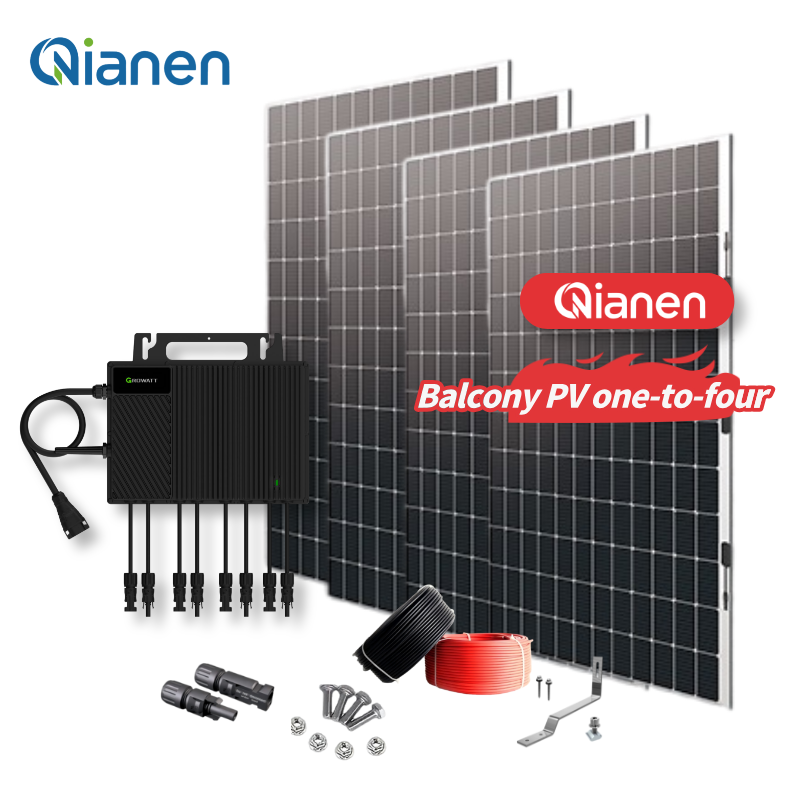
Urban living often presents unique challenges when it comes to adopting renewable energy solutions, but innovative technologies are making sustainable power more accessible than ever. A balcony solar system represents a revolutionary approach to residential solar energy, designed specifically for apartment dwellers and homeowners with limited roof space. These compact photovoltaic installations transform unused balcony areas into productive energy-generating spaces, offering an environmentally friendly alternative to traditional grid electricity. Modern balcony solar system technology has evolved significantly, incorporating advanced features like maximum power point tracking controllers and high-efficiency monocrystalline silicon panels that maximize energy output even in confined spaces. Understanding how these systems work and their potential benefits can help urban residents make informed decisions about integrating renewable energy into their daily lives.
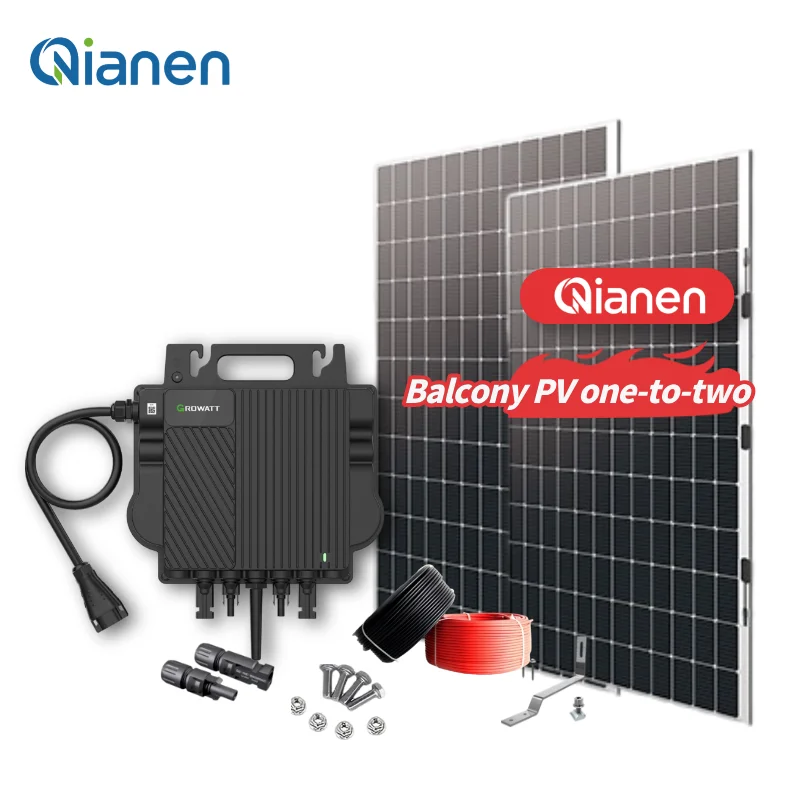
Understanding Balcony Solar System Components
Solar Panel Technology and Efficiency
The heart of any balcony solar system lies in its photovoltaic panels, which convert sunlight directly into usable electricity through the photovoltaic effect. Modern systems typically utilize either monocrystalline or polycrystalline silicon panels, each offering distinct advantages for balcony installations. Monocrystalline panels deliver superior efficiency rates, often exceeding 20%, making them ideal for space-constrained environments where maximum power output is essential. These panels feature uniform dark coloring and rounded cell edges, providing both aesthetic appeal and high performance in various lighting conditions.
Polycrystalline panels present a cost-effective alternative while still maintaining respectable efficiency levels around 15-17%. Their distinctive blue hue and square cell structure make them easily recognizable, and they perform admirably in moderate sunlight conditions typical of urban balcony environments. The choice between these technologies often depends on available space, budget considerations, and specific energy requirements. A well-designed balcony solar system incorporates panels optimized for the particular orientation and shading conditions of the installation site, ensuring optimal energy production throughout the day.
Power Management and Control Systems
Sophisticated control mechanisms are essential components that distinguish professional-grade balcony solar system installations from basic DIY setups. Maximum Power Point Tracking (MPPT) controllers serve as the intelligent brain of the system, continuously monitoring and adjusting electrical parameters to extract maximum available power from the solar panels. These devices automatically adapt to changing light conditions, temperature variations, and electrical loads, ensuring consistent performance optimization throughout the day.
Advanced MPPT controllers integrated into modern balcony solar system designs can improve energy harvest by 15-30% compared to simpler charge controllers. They accomplish this through sophisticated algorithms that track the optimal voltage and current combination for maximum power transfer. Additionally, these controllers provide essential safety features including overcharge protection, reverse current prevention, and load disconnect capabilities. The integration of smart monitoring features allows users to track system performance, energy production, and consumption patterns through mobile applications or web interfaces, providing valuable insights for optimizing energy usage habits.
Installation Requirements and Considerations
Structural Assessment and Safety Protocols
Before installing any balcony solar system, conducting a thorough structural evaluation is crucial to ensure safe and stable operation. Balconies must be capable of supporting additional weight from panels, mounting hardware, and associated equipment without compromising building integrity. Professional assessment typically involves examining load-bearing capacity, railing strength, and foundation stability. Most residential balconies can accommodate lightweight panel systems without structural modifications, but verification by qualified professionals is always recommended.
Safety considerations extend beyond structural integrity to include proper grounding, weatherproofing, and electrical compliance. A properly installed balcony solar system incorporates weather-resistant components designed to withstand wind loads, rain, snow, and temperature extremes common in urban environments. Secure mounting systems prevent panel displacement during severe weather events, while proper cable management eliminates trip hazards and protects wiring from damage. Compliance with local electrical codes and building regulations ensures both safety and legal operation of the installation.
Optimal Positioning and Orientation Strategies
Maximizing energy production from a balcony solar system requires careful consideration of panel positioning, orientation, and tilt angles. South-facing installations typically yield optimal results in the Northern Hemisphere, capturing maximum solar radiation throughout the day. However, east and west-facing balconies can still produce significant energy output, particularly when panels are positioned to capture morning or afternoon sun respectively. The ideal tilt angle varies by geographic location but generally ranges from 30-45 degrees for optimal year-round performance.
Shading analysis is critical for determining the most effective panel placement within limited balcony space. Even partial shading can significantly impact system performance, making careful positioning essential for maximizing energy harvest. Advanced balcony solar system designs may incorporate micro-inverters or power optimizers that minimize the impact of partial shading by allowing each panel to operate independently. Strategic placement considering seasonal sun paths, nearby buildings, and architectural features ensures consistent energy production throughout the year while maintaining aesthetic integration with the living space.
Energy Production and Performance Optimization
Daily and Seasonal Energy Patterns
Understanding energy production patterns is essential for realistic expectations and optimal utilization of a balcony solar system. Daily energy output follows predictable patterns corresponding to solar irradiance levels, with peak production typically occurring during midday hours when the sun reaches its highest elevation. Morning and evening production gradually increases and decreases respectively, creating characteristic bell-curve energy generation profiles. Cloud cover, atmospheric conditions, and seasonal variations significantly influence these patterns, requiring flexible energy management strategies.
Seasonal variations in balcony solar system performance reflect changing sun angles, daylight duration, and weather patterns throughout the year. Summer months typically yield highest energy production due to longer days and more direct solar radiation, while winter output decreases correspondingly. However, cooler temperatures can actually improve panel efficiency, partially offsetting reduced daylight hours. Understanding these patterns helps users optimize energy consumption schedules and implement appropriate energy storage solutions to maximize system value.
Performance Monitoring and Maintenance
Regular monitoring and maintenance are crucial for maintaining optimal balcony solar system performance over its operational lifetime. Modern systems incorporate sophisticated monitoring capabilities that track energy production, system efficiency, and component health in real-time. These monitoring systems can detect performance anomalies, identify maintenance needs, and optimize system operation automatically. Users can access detailed performance data through smartphone applications, enabling proactive management of their renewable energy investment.
Routine maintenance requirements for balcony solar system installations are generally minimal but essential for long-term performance. Regular cleaning of panel surfaces removes dust, debris, and environmental contaminants that can reduce energy output. Periodic inspection of mounting hardware, electrical connections, and safety systems ensures continued safe operation. Professional maintenance services can provide comprehensive system health assessments, performance optimization, and warranty compliance documentation. Proper maintenance practices can extend system lifespan beyond 25 years while maintaining high efficiency levels throughout the operational period.
Economic Benefits and Return on Investment
Cost Analysis and Financial Considerations
The economic viability of a balcony solar system depends on various factors including initial investment costs, energy production capacity, local electricity rates, and available incentives. Initial system costs have decreased significantly in recent years, making small-scale solar installations increasingly attractive for urban residents. Complete systems typically range from moderate to premium pricing depending on capacity, component quality, and installation complexity. However, the modular nature of balcony solar system technology allows for phased installations that spread costs over time while providing immediate energy benefits.
Financial analysis should consider both direct energy savings and potential additional benefits such as increased property value and environmental impact reduction. Monthly electricity bill reductions provide immediate tangible returns, while long-term savings accumulate significantly over the system's 25+ year operational lifetime. Many regions offer attractive incentives including tax credits, rebates, and net metering programs that can substantially improve return on investment calculations. Professional financial modeling can help prospective buyers understand payback periods and lifetime value propositions specific to their circumstances.
Grid Integration and Energy Independence
Modern balcony solar system installations can integrate seamlessly with existing electrical systems, providing supplemental renewable energy while maintaining grid connectivity for reliability. Grid-tie configurations allow excess energy production to flow back into the utility grid, often earning credits through net metering programs. This bidirectional energy flow maximizes system value while providing backup power availability during periods of insufficient solar production. Smart inverter technology ensures safe disconnection during grid outages, protecting utility workers while enabling continued system operation in island mode where permitted.
Energy independence represents a compelling long-term benefit of balcony solar system adoption, reducing reliance on utility-supplied electricity and providing protection against rising energy costs. While complete energy independence may not be achievable with balcony installations alone, significant reductions in grid dependency are certainly possible. Integration with energy storage systems can further enhance independence by storing excess daytime production for evening consumption. This combination of solar generation and storage creates resilient energy systems that provide reliable power even during grid disruptions or emergency situations.
Environmental Impact and Sustainability
Carbon Footprint Reduction
The environmental benefits of balcony solar system adoption extend far beyond individual energy savings to contribute meaningfully to broader climate change mitigation efforts. Each kilowatt-hour of solar energy generated displaces equivalent fossil fuel-based electricity production, directly reducing greenhouse gas emissions associated with traditional power generation. Over its operational lifetime, a typical balcony solar system can prevent several tons of carbon dioxide emissions, equivalent to removing a car from the road for months at a time.
Lifecycle environmental analysis demonstrates that modern solar panels recover their manufacturing energy investment within 2-4 years of operation, after which they provide decades of net positive environmental impact. The manufacturing processes for balcony solar system components continue to improve in efficiency and sustainability, further enhancing their environmental credentials. When multiplied across thousands of urban installations, individual balcony solar system contributions aggregate into significant positive environmental impact, supporting renewable energy adoption goals and climate protection objectives.
Sustainable Urban Development
Widespread adoption of balcony solar system technology supports sustainable urban development initiatives by distributing renewable energy generation throughout urban areas. This distributed approach reduces strain on centralized power infrastructure while improving grid resilience and reliability. Urban heat island effects can be mitigated through strategic solar installations that provide shading while generating clean energy. The visual presence of renewable energy systems in urban environments also promotes awareness and acceptance of sustainable technologies among city residents.
Community benefits extend beyond individual installations to include reduced peak demand on electrical grids, improved air quality from reduced fossil fuel dependence, and enhanced energy security through diversified generation sources. Forward-thinking cities increasingly recognize balcony solar system installations as valuable components of comprehensive sustainability strategies. Supportive policies and streamlined permitting processes can accelerate adoption while ensuring safe and effective integration with existing urban infrastructure systems.
FAQ
How much electricity can a balcony solar system generate daily
Daily electricity generation from a balcony solar system typically ranges from 3-8 kilowatt-hours depending on panel capacity, solar irradiance levels, and system efficiency. A standard 1200W system can produce approximately 4-6 kWh on sunny days, which can offset 30-50% of typical household electricity consumption. Production varies seasonally and with weather conditions, but annual energy yields often exceed initial expectations when systems are properly designed and installed.
What permits are required for balcony solar system installation
Permit requirements for balcony solar system installations vary by location but typically include electrical permits and potentially building permits depending on system size and mounting methods. Many jurisdictions have streamlined processes for small residential systems, with some offering expedited review for standardized installations. Consultation with local building authorities and qualified installers ensures compliance with all applicable codes and regulations while avoiding potential legal complications.
Can balcony solar systems work effectively in cloudy climates
Balcony solar systems can operate effectively in cloudy climates, though energy production decreases compared to consistently sunny conditions. Modern panels generate electricity from diffused sunlight even during overcast periods, typically producing 10-25% of their rated capacity. Annual energy yields in cloudy climates may be 20-40% lower than optimal conditions, but systems remain economically viable when properly sized and configured for local conditions.
What maintenance is required for optimal balcony solar system performance
Maintenance requirements for balcony solar systems are minimal but important for sustained performance. Regular cleaning of panel surfaces every few months removes accumulated dust and debris that can reduce efficiency. Annual inspections of mounting hardware, electrical connections, and system components ensure continued safe operation. Professional maintenance services can provide comprehensive system health assessments and performance optimization to maximize long-term value and reliability.