EN
EN

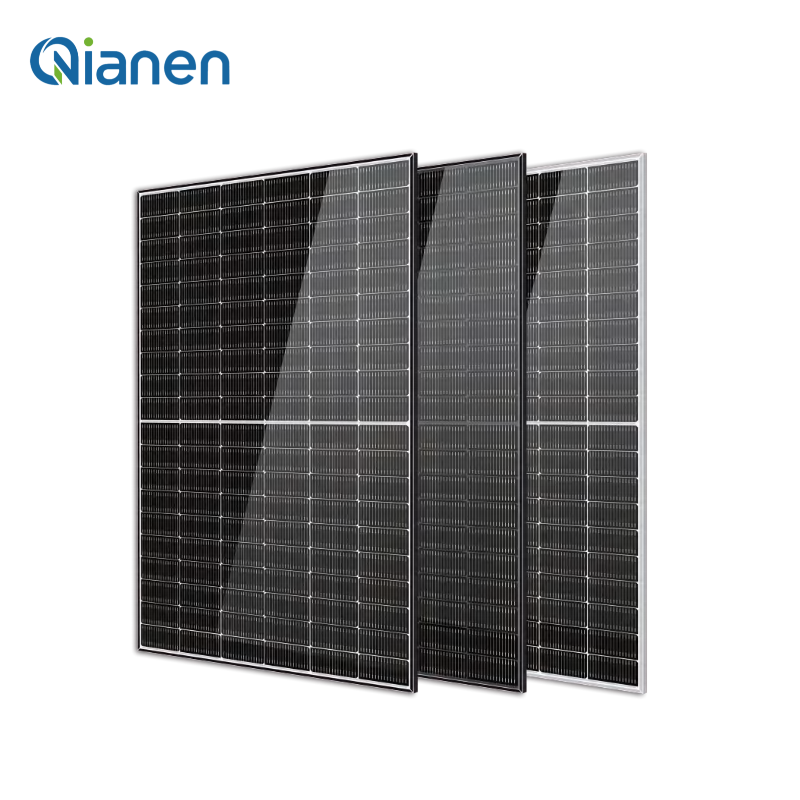
The global transition toward renewable energy has positioned the solar panel as a cornerstone technology in our fight against climate change and energy dependency. As governments worldwide implement ambitious carbon reduction targets and businesses seek sustainable energy solutions, solar panel adoption continues accelerating at unprecedented rates. Modern solar panel systems offer remarkable efficiency improvements, cost reductions, and environmental benefits that make them indispensable for achieving long-term sustainability goals across residential, commercial, and industrial sectors.
Environmental Impact and Climate Benefits
Carbon Footprint Reduction Through Solar Technology
Every solar panel installation contributes significantly to reducing greenhouse gas emissions by displacing fossil fuel-generated electricity. A typical residential solar panel system eliminates approximately 3-4 tons of carbon emissions annually, equivalent to planting over 100 trees each year. The manufacturing energy payback time for modern solar panel technology has decreased to just 1-4 years, while systems operate efficiently for 25-30 years, resulting in substantial net environmental benefits throughout their lifecycle.
Large-scale solar panel deployments demonstrate even more impressive environmental returns. Commercial and utility-scale installations can offset millions of tons of CO2 emissions over their operational lifetime. The International Energy Agency projects that widespread solar panel adoption could prevent over 4.9 gigatons of CO2 emissions by 2030, representing a crucial component in limiting global temperature rise to 1.5°C above pre-industrial levels.
Resource Conservation and Ecosystem Protection
Solar panel systems require no water for electricity generation, unlike traditional thermal power plants that consume billions of gallons annually for cooling purposes. This water conservation benefit becomes increasingly valuable as regions worldwide face growing water scarcity challenges. Additionally, solar panel installations can coexist with natural habitats when properly planned, creating opportunities for agrovoltaics where agriculture and energy production share the same land area.
The lifecycle assessment of modern solar panel manufacturing reveals continuous improvements in resource efficiency and waste reduction. Advanced recycling programs now recover over 95% of semiconductor materials from end-of-life panels, ensuring valuable materials like silicon, silver, and aluminum return to the manufacturing cycle. These closed-loop processes minimize mining requirements and reduce the environmental impact of solar panel production.
Economic Advantages and Market Dynamics
Cost Competitiveness and Financial Returns
The levelized cost of electricity from solar panel systems has plummeted by over 80% since 2010, making solar energy the cheapest electricity source in many regions globally. This dramatic cost reduction stems from manufacturing scale economies, technological improvements, and competitive market dynamics. Residential and commercial property owners typically achieve full return on investment within 6-10 years, followed by decades of virtually free electricity generation.
Modern financing mechanisms have eliminated upfront cost barriers that previously limited solar panel adoption. Power purchase agreements, solar leases, and government incentive programs enable immediate access to solar benefits without significant capital investment. The solar panel industry has matured to provide comprehensive financial solutions that maximize economic returns while minimizing implementation complexity for end users.
Job Creation and Economic Growth
The expanding solar panel industry generates substantial employment opportunities across manufacturing, installation, maintenance, and support services. Solar jobs grow at rates significantly exceeding overall economic growth, with positions spanning from entry-level installation technicians to advanced engineering and research roles. Local economies benefit from solar panel projects through increased tax revenue, reduced energy costs for businesses, and attraction of clean technology companies seeking renewable energy access.
Supply chain localization trends in solar panel manufacturing create additional economic benefits by reducing transportation costs and import dependencies. Domestic solar panel production facilities contribute to national energy security while providing stable, well-paying manufacturing jobs. The multiplier effect of solar investments ripples through communities, supporting everything from equipment suppliers to professional services firms specializing in renewable energy projects.
Technological Advancements and Performance Improvements
Efficiency Innovations and Energy Density
Contemporary solar panel technology achieves remarkable efficiency levels through advanced cell designs, materials science breakthroughs, and manufacturing precision improvements. Monocrystalline silicon panels now routinely exceed 22% efficiency ratings, with premium models reaching over 26% in real-world conditions. These efficiency gains translate directly into smaller installation footprints and higher energy yields per square meter of available space.
Emerging solar panel technologies promise even greater performance improvements through innovative approaches like perovskite tandem cells, bifacial designs that capture reflected light, and concentrated photovoltaic systems. Half-cell technology and PERC (Passivated Emitter and Rear Cell) architectures optimize electron flow and reduce internal losses, maximizing electricity generation under varying weather conditions and installation orientations.
Durability and Reliability Enhancements
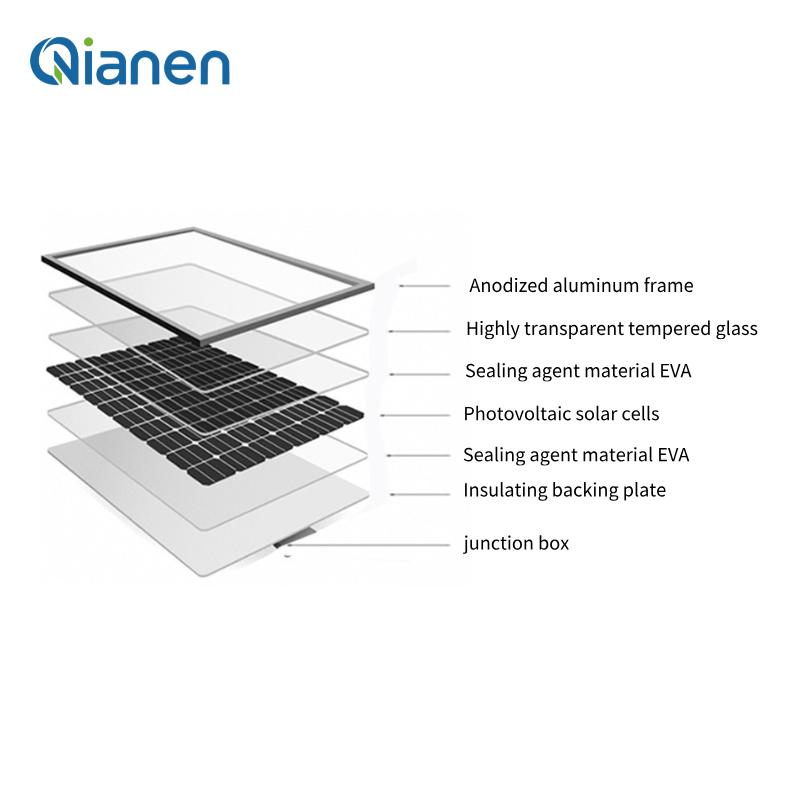
Modern solar panel construction incorporates advanced materials and design features that ensure consistent performance across diverse environmental conditions. Tempered glass surfaces, corrosion-resistant aluminum frames, and enhanced junction boxes protect against weather extremes, mechanical stress, and electrical faults. Comprehensive testing protocols simulate decades of exposure to temperature cycling, humidity, hail impact, and ultraviolet radiation before solar panel models receive certification for commercial deployment.
Warranty programs now commonly guarantee solar panel performance for 25 years, with many manufacturers offering linear power output warranties that ensure minimal degradation over time. Real-world performance data confirms that quality solar panel installations maintain over 80% of original capacity after 25 years of operation, with many systems continuing productive service well beyond their warranty periods.
Grid Integration and Energy Storage Solutions
Smart Grid Compatibility and Demand Management
Advanced solar panel systems integrate seamlessly with smart grid infrastructure to optimize electricity distribution and consumption patterns. Intelligent inverters enable bidirectional power flow, voltage regulation, and frequency support services that enhance overall grid stability. These capabilities become increasingly valuable as solar panel penetration grows and utilities require flexible resources to balance supply and demand fluctuations.
Distributed solar panel networks create resilient energy systems that reduce transmission losses and improve local energy security. Microgrids incorporating solar panel generation can operate independently during utility outages, providing critical power for essential services and emergency response capabilities. This distributed architecture reduces strain on centralized power infrastructure while creating redundancy that enhances overall system reliability.
Battery Storage Integration and Energy Management
The combination of solar panel systems with battery storage technology creates comprehensive energy solutions that maximize renewable energy utilization and grid independence. Lithium-ion battery costs have declined dramatically, making solar-plus-storage installations economically attractive for residential and commercial applications. These integrated systems store excess solar panel production during peak generation periods for use during evening hours or cloudy weather.
Sophisticated energy management systems optimize solar panel and battery operations to minimize electricity costs while maximizing renewable energy consumption. Time-of-use rate structures and peak demand charges create additional economic incentives for strategic energy storage deployment. Advanced algorithms predict weather patterns, electricity prices, and consumption requirements to automatically optimize system performance without user intervention.
Policy Framework and Regulatory Support
Government Incentives and Market Development
Comprehensive policy frameworks accelerate solar panel adoption through financial incentives, streamlined permitting processes, and renewable energy mandates. Federal tax credits, state rebate programs, and net metering policies significantly improve project economics while reducing administrative barriers. These supportive measures create stable market conditions that encourage long-term solar panel investments and industry growth.
International climate commitments drive increasingly ambitious renewable energy targets that prioritize solar panel deployment across all market segments. Carbon pricing mechanisms and fossil fuel emissions regulations create additional economic advantages for clean energy technologies. Forward-looking policies establish clear renewable energy goals that provide market certainty for solar panel manufacturers, installers, and investors.
Building Codes and Integration Standards
Updated building codes increasingly require or incentivize solar panel installations in new construction projects, creating substantial market opportunities while advancing sustainability goals. These requirements often include energy efficiency standards that make solar panel systems more cost-effective by reducing overall electricity consumption requirements. Standardized interconnection procedures simplify the technical and administrative aspects of solar panel grid connections.
Professional certification programs ensure solar panel installers possess necessary technical skills and safety knowledge for quality system deployment. These workforce development initiatives support industry growth while protecting consumer interests through standardized installation practices and ongoing professional development requirements.
Future Outlook and Innovation Opportunities
Emerging Applications and Market Expansion
Innovative solar panel applications continue expanding beyond traditional rooftop installations to include building-integrated photovoltaics, floating solar farms, and transportation sector integration. Vehicle-integrated solar panels extend driving range for electric cars while reducing charging infrastructure requirements. Agrovoltaic installations demonstrate how solar panel systems can coexist with agricultural activities, providing farmers with additional revenue streams while maintaining crop production.
Space-based solar panel concepts represent the ultimate frontier for renewable energy generation, promising continuous power production without atmospheric interference or weather limitations. While still in research phases, these ambitious projects could eventually provide clean energy transmission to Earth-based receivers, dramatically expanding global renewable energy capacity.
Manufacturing Scale and Global Deployment
Projected solar panel manufacturing capacity growth indicates the industry can meet rapidly expanding global demand while continuing cost reductions through scale economies. Automated production technologies reduce manufacturing costs and improve quality consistency, making solar panels increasingly competitive with conventional energy sources. International cooperation on solar panel technology development accelerates innovation while reducing deployment barriers in developing markets.
The circular economy principles increasingly influence solar panel design and manufacturing processes, emphasizing material recovery, component reuse, and waste minimization throughout product lifecycles. These sustainable manufacturing practices ensure the solar panel industry maintains its environmental credentials while scaling to meet global energy transition requirements.
FAQ
How long do solar panels typically last and maintain their efficiency
Quality solar panel systems maintain over 80% of their original capacity after 25 years of operation, with many continuing productive service for 30-40 years. Modern panels experience degradation rates of less than 0.5% annually under normal conditions. Comprehensive warranties typically guarantee performance for 25 years, while the panels themselves often continue generating electricity well beyond warranty periods. Regular maintenance and monitoring help optimize long-term performance and identify any issues before they impact system output.
What factors determine the cost-effectiveness of solar panel installations
Solar panel system cost-effectiveness depends on local electricity rates, available sunlight exposure, system size, equipment quality, and applicable incentives. Properties with high electricity consumption, favorable sun exposure, and access to net metering policies typically achieve the best financial returns. Installation costs vary by location and complexity, but declining equipment prices and competitive installer markets have made solar panels economically attractive across most regions. Professional energy assessments help determine optimal system configurations and expected financial benefits for specific properties.
Can solar panels function effectively in cloudy or cold weather conditions
Solar panel systems continue generating electricity during cloudy weather, though at reduced output levels compared to full sun conditions. Modern panels actually perform more efficiently in cooler temperatures, making cold but sunny winter days ideal for solar energy production. Diffuse light penetrating cloud cover still produces usable electricity, and many regions with frequent cloud cover maintain excellent solar panel performance throughout the year. Advanced system designs and battery storage help maximize energy utilization regardless of weather variability.
What maintenance requirements do solar panels need for optimal performance
Solar panel systems require minimal maintenance due to their solid-state design and lack of moving parts. Occasional cleaning to remove dust, debris, or snow ensures optimal light transmission, while annual professional inspections verify electrical connections and system performance. Most maintenance involves visual checks, inverter monitoring, and basic cleaning that property owners can perform safely. Professional maintenance services provide comprehensive system optimization, warranty compliance, and early detection of potential issues that could impact long-term performance or safety.