EN
EN

The transition to renewable energy has accelerated dramatically in recent years, with homeowners increasingly turning to solar panel installations as a viable solution for reducing energy costs and environmental impact. Modern solar panel technology offers unprecedented efficiency and affordability, making residential solar systems more accessible than ever before. Understanding the comprehensive benefits of solar panel adoption can help homeowners make informed decisions about their energy future while contributing to global sustainability efforts.
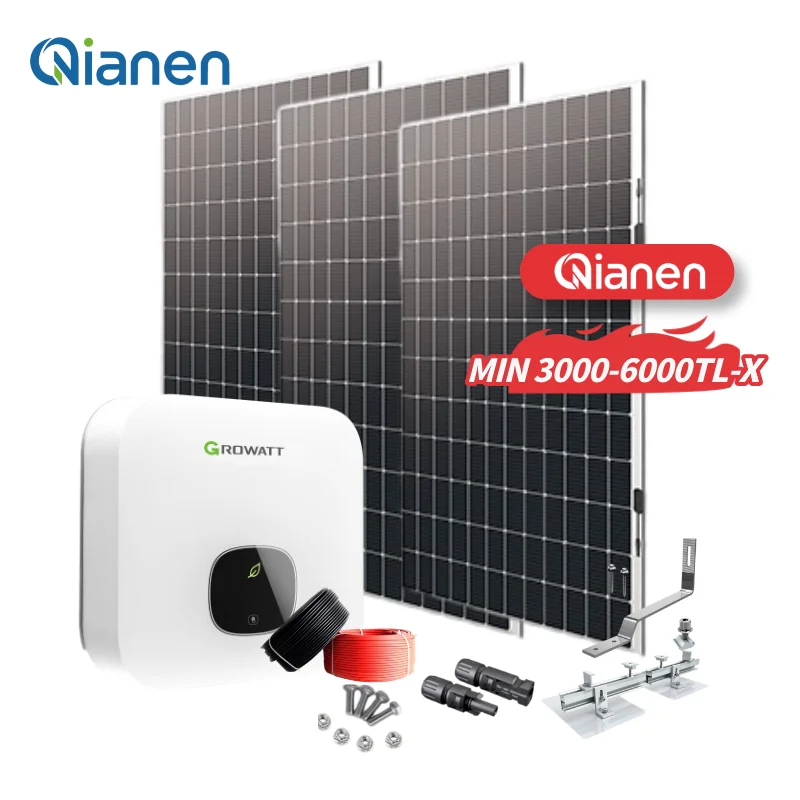
Financial Benefits of Residential Solar Panel Systems
Significant Reduction in Monthly Energy Bills
Installing a solar panel system dramatically reduces monthly electricity expenses by generating clean energy directly from sunlight. Most residential solar panel installations can eliminate 70-90% of traditional utility bills, depending on system size and household energy consumption patterns. The average homeowner saves between $1,000 and $2,500 annually after solar panel installation, with savings compounding over the system's 25-year warranty period.
Net metering policies in many regions allow solar panel owners to sell excess electricity back to the grid, creating additional revenue streams. This arrangement enables homeowners to receive credits for surplus energy production during peak sunlight hours, which can offset nighttime electricity consumption. The financial benefits of solar panel ownership become more pronounced as utility rates continue rising, providing long-term protection against energy price volatility.
Increased Property Value and Market Appeal
Real estate studies consistently demonstrate that homes equipped with solar panel systems command higher market values compared to similar properties without renewable energy installations. The National Renewable Energy Laboratory reports that solar panel installations typically increase home values by approximately 4% of the total property worth. This value enhancement often exceeds the initial solar panel investment cost, creating immediate equity gains for homeowners.
Modern buyers increasingly prioritize energy-efficient homes with established solar panel systems, viewing them as move-in ready properties with predictable utility costs. Properties featuring solar panel installations typically sell faster than comparable homes, as environmentally conscious buyers appreciate the immediate access to clean energy generation. The growing demand for sustainable housing solutions ensures that solar panel installations remain valuable assets in competitive real estate markets.
Environmental Impact and Sustainability Advantages
Carbon Footprint Reduction Through Clean Energy Generation
Residential solar panel systems generate electricity without producing greenhouse gas emissions, significantly reducing household carbon footprints compared to traditional fossil fuel energy sources. A typical home solar panel installation prevents approximately 3-4 tons of carbon dioxide emissions annually, equivalent to planting over 100 trees each year. This environmental benefit compounds over the solar panel system's operational lifetime, creating substantial positive climate impact.
The manufacturing energy required for solar panel production is typically recovered within 1-3 years of operation, after which the system provides decades of completely clean energy generation. Advanced solar panel technologies continue improving efficiency while reducing manufacturing environmental costs, making modern installations even more environmentally beneficial than earlier generations. Community-wide solar panel adoption can significantly reduce regional dependence on coal and natural gas power plants.
Resource Conservation and Grid Independence
Solar panel systems reduce strain on traditional electrical grid infrastructure by generating distributed energy at the point of consumption. This localized energy production minimizes transmission losses associated with long-distance electricity delivery from centralized power plants. Grid-connected solar panel installations with battery storage provide backup power during outages, enhancing household energy security and independence.
The distributed nature of solar panel installations creates more resilient energy networks less vulnerable to large-scale disruptions or natural disasters. Communities with high solar panel adoption rates demonstrate greater energy self-sufficiency and reduced reliance on imported fossil fuels. This energy independence translates to improved local economic stability and reduced vulnerability to global energy market fluctuations.
Technological Advantages and System Performance
Advanced Efficiency and Reliability Features
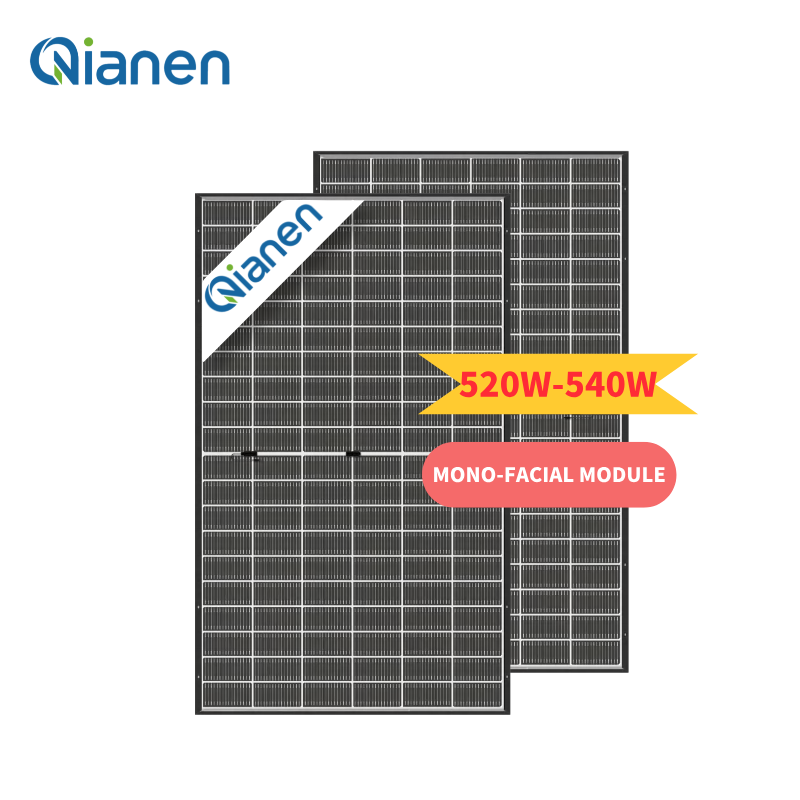
Modern solar panel technology delivers exceptional efficiency rates exceeding 20% in converting sunlight to electricity, with premium monocrystalline silicon panels achieving even higher performance levels. Advanced manufacturing techniques and improved cell designs enable today's solar panel systems to generate more electricity from smaller roof areas compared to earlier technologies. Maximum Power Point Tracking (MPPT) technology optimizes energy harvest under varying weather conditions, ensuring consistent performance throughout the year.
Contemporary solar panel installations feature robust construction designed to withstand extreme weather conditions including hail, high winds, and temperature fluctuations. Most quality solar panel systems include comprehensive warranties covering 25 years of performance guarantees, with many panels continuing to generate electricity for 30-40 years beyond installation. Minimal maintenance requirements make solar panel ownership convenient, typically requiring only periodic cleaning and annual professional inspections.
Smart Integration and Monitoring Capabilities
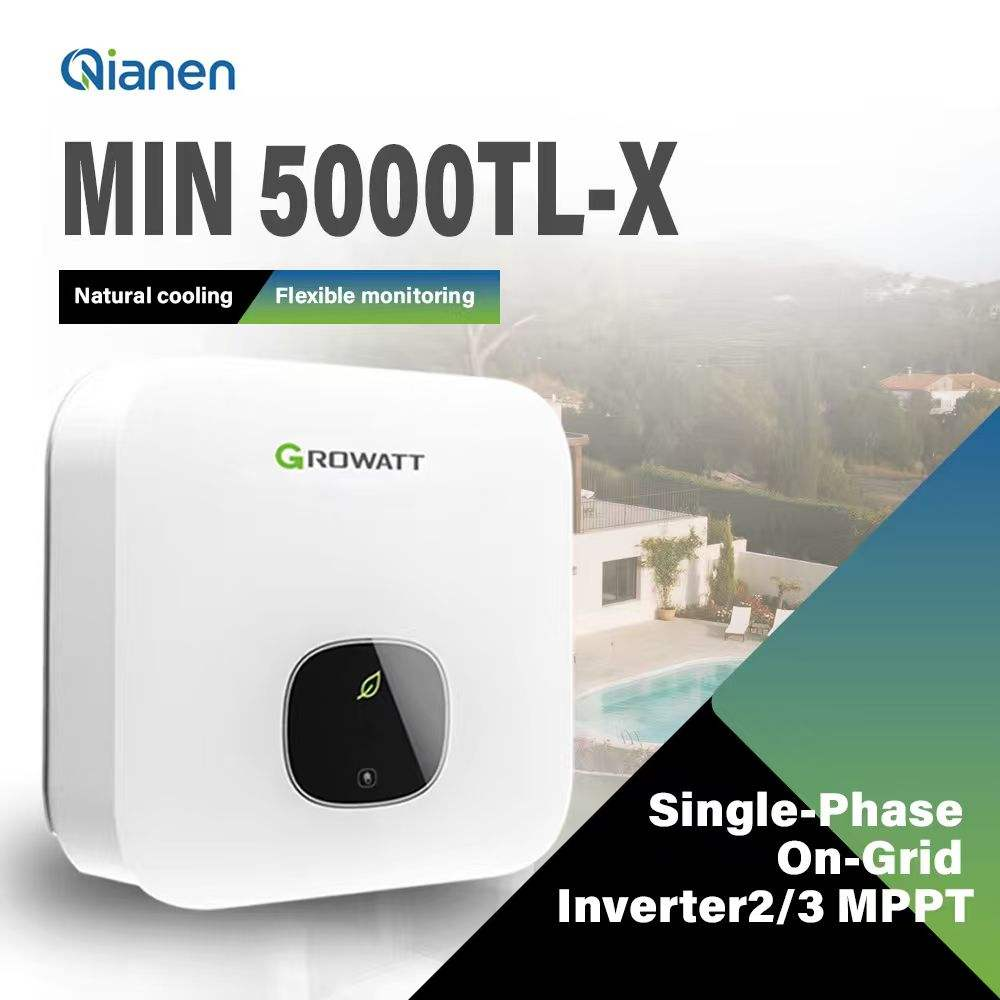
Smart inverter technology enables seamless integration between solar panel systems and home energy management platforms, providing real-time monitoring of energy production and consumption patterns. Mobile applications allow homeowners to track solar panel performance remotely, identifying optimization opportunities and ensuring maximum system efficiency. Advanced monitoring systems can detect performance issues early, facilitating prompt maintenance and minimizing energy production losses.
Integration with smart home technologies allows solar panel systems to coordinate with energy storage batteries, electric vehicle charging stations, and intelligent appliance scheduling. This comprehensive approach maximizes the utilization of solar-generated electricity while minimizing reliance on grid power during peak rate periods. Future-ready solar panel installations can accommodate emerging technologies and grid modernization initiatives.
Government Incentives and Financial Support
Federal Tax Credits and Rebate Programs
The federal solar Investment Tax Credit (ITC) allows homeowners to deduct 30% of solar panel installation costs from their federal taxes, significantly reducing the effective system price. This substantial incentive applies to complete solar panel systems including equipment, installation, and associated electrical work. The tax credit can be carried forward to future tax years if the credit amount exceeds current tax liability, ensuring maximum benefit realization.
Many states and local governments offer additional rebates, tax exemptions, and financing programs specifically designed to encourage residential solar panel adoption. These incentives often combine with federal programs to reduce total installation costs by 40-60% of the original system price. Solar panel financing options include zero-down installations, low-interest loans, and power purchase agreements that make renewable energy accessible regardless of upfront capital availability.
Utility Company Programs and Net Metering Benefits
Most utility companies offer net metering programs that credit solar panel owners for excess electricity fed back into the grid at retail rates. These programs essentially use the electrical grid as a virtual battery, storing surplus solar panel production during peak sunlight hours for use during evening periods. Time-of-use rate structures often provide higher compensation for solar panel electricity generated during peak demand periods.
Some utilities offer additional incentives including expedited interconnection processes, performance-based rebates, and group purchasing programs that reduce solar panel installation costs. These utility partnerships recognize the grid benefits of distributed solar panel generation, including reduced peak demand and improved grid stability. Forward-thinking utilities are developing innovative programs to maximize the mutual benefits of widespread solar panel adoption.
FAQ
How long does it take for a solar panel system to pay for itself
Most residential solar panel systems achieve full payback within 6-10 years through electricity bill savings, depending on local utility rates, system size, and available incentives. The solar panel payback period has decreased significantly due to falling equipment costs and improved system efficiency. After payback completion, solar panel systems continue generating free electricity for an additional 15-20 years, creating substantial long-term savings that often exceed the original investment by 3-5 times.
What maintenance is required for residential solar panel installations
Solar panel systems require minimal maintenance, typically involving periodic cleaning to remove debris and annual professional inspections to ensure optimal performance. Most solar panel cleaning can be accomplished with garden hoses, though professional cleaning services are recommended for steep roofs or areas with heavy soiling. Regular monitoring through smartphone apps helps identify any performance issues early, while comprehensive manufacturer warranties cover major component failures for 20-25 years.
Do solar panels work effectively in cloudy or winter weather conditions
Modern solar panel systems continue generating electricity during cloudy weather, though at reduced capacity compared to direct sunlight conditions. High-quality solar panel installations can produce 25-40% of peak output during overcast conditions, while diffused light still provides measurable energy generation. Winter weather typically reduces solar panel output due to shorter daylight hours, but cold temperatures actually improve panel efficiency, and snow reflection can boost performance when panels are clear.
Can solar panel systems provide backup power during electrical outages
Standard grid-tied solar panel systems automatically shut down during power outages for safety reasons, preventing electricity from being fed into potentially dangerous utility lines. However, solar panel installations with battery storage systems can provide backup power to essential home circuits during outages. Hybrid solar panel systems with backup capabilities offer the best of both worlds, providing grid interaction during normal conditions and emergency power when needed, though they require additional investment in battery storage equipment.