EN
EN

Selecting the right solar panel system represents one of the most critical decisions homeowners and businesses make when transitioning to renewable energy. The efficiency of your solar panel directly impacts your long-term savings, energy production capacity, and overall return on investment. Modern solar panel technology has advanced significantly, offering higher efficiency ratings and improved durability compared to earlier generations. Understanding the key factors that determine solar panel performance will help you make an informed decision that maximizes your energy savings for decades to come.
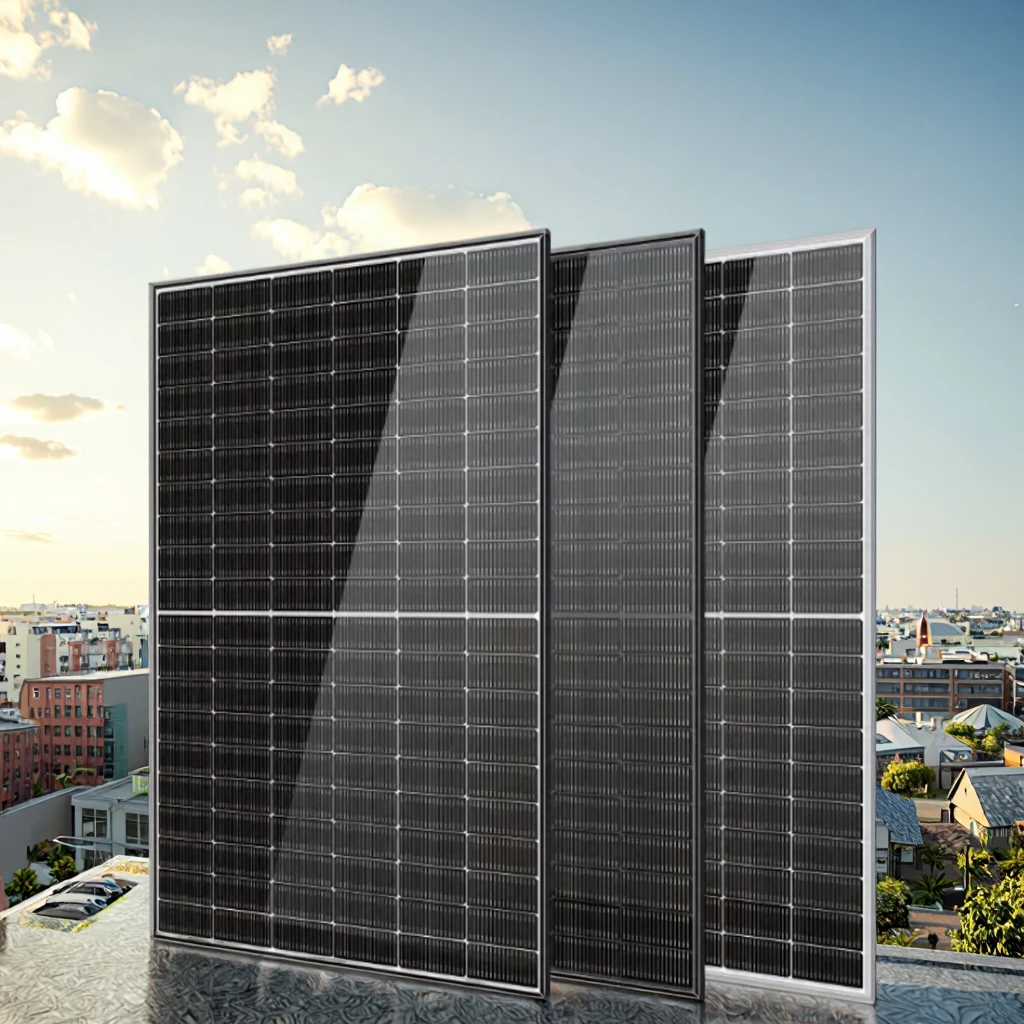
Understanding Solar Panel Efficiency Ratings
Efficiency Rating Fundamentals
Solar panel efficiency measures how effectively a panel converts sunlight into electricity, expressed as a percentage. Higher efficiency ratings mean more electricity generation per square foot of panel area. Most residential solar panel systems today achieve efficiency ratings between 15% and 22%, with premium models reaching even higher performance levels. The efficiency rating directly correlates with your system's ability to generate maximum power output in limited roof space.
When evaluating solar panel options, consider that a higher efficiency rating typically translates to fewer panels needed for your desired energy production. This factor becomes particularly important for homes with limited roof space or complex roof configurations. Premium solar panel manufacturers often provide detailed efficiency specifications along with performance warranties that guarantee minimum power output over extended periods.
Factors Affecting Panel Performance
Temperature coefficients significantly impact solar panel performance throughout different seasons and climate conditions. Lower temperature coefficients indicate better performance retention during hot weather conditions. Most high-quality solar panel systems maintain optimal performance even when ambient temperatures exceed normal operating ranges. Understanding these performance characteristics helps predict your system's year-round energy production capabilities.
Shading tolerance represents another crucial performance factor affecting overall system efficiency. Modern solar panel designs incorporate bypass diodes and power optimizers that minimize production losses when partial shading occurs. These advanced features ensure that shaded panels don't significantly impact the performance of unshaded panels within the same string configuration.
Types of High-Efficiency Solar Panel Technologies
Monocrystalline Solar Panel Advantages
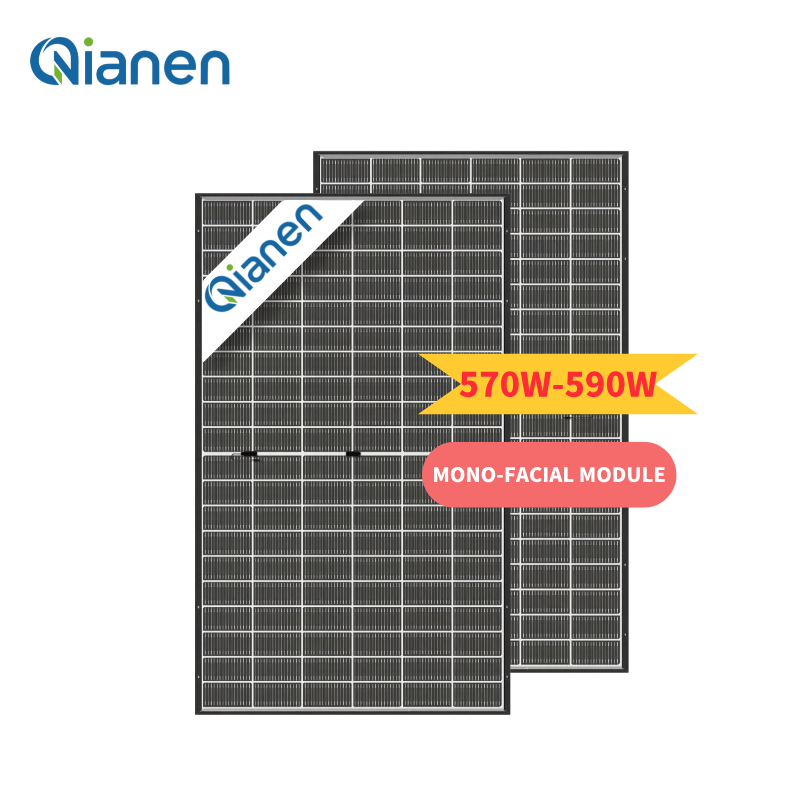
Monocrystalline solar panel technology offers the highest efficiency ratings available in today's residential market. These panels utilize single-crystal silicon cells that provide superior electron flow and energy conversion capabilities. The uniform structure of monocrystalline cells enables higher power density and better low-light performance compared to alternative technologies. Many premium manufacturers offer monocrystalline panels with efficiency ratings exceeding 20%.
The manufacturing process for monocrystalline solar panel systems requires high-purity silicon, resulting in consistent cell quality and reliable long-term performance. These panels typically feature sleek black appearances that many homeowners prefer for aesthetic reasons. While monocrystalline panels command higher initial costs, their superior efficiency and durability often justify the investment through increased energy production and extended lifespans.
Polycrystalline and Alternative Technologies
Polycrystalline solar panel technology offers a cost-effective alternative with decent efficiency ratings typically ranging from 15% to 17%. These panels use multi-crystal silicon cells that provide reliable performance at lower manufacturing costs. While polycrystalline panels generally produce less power per square foot compared to monocrystalline options, they can still deliver excellent value for installations with ample roof space.
Emerging thin-film solar panel technologies, including CIGS and CdTe variants, offer unique advantages for specific applications. These lightweight panels perform better in high-temperature conditions and provide flexibility for unconventional installation scenarios. However, thin-film technologies typically require more installation area to achieve equivalent power output compared to crystalline silicon options.
Financial Considerations for Long-Term Savings
Initial Investment Analysis
The upfront cost of high-efficiency solar panel systems varies significantly based on technology type, system size, and installation complexity. Premium monocrystalline panels typically cost 10% to 20% more than standard efficiency alternatives, but this additional investment often pays for itself through increased energy production over the system's lifetime. Calculating the cost per watt helps compare different solar panel options on an equal basis.
Federal tax credits, state incentives, and local rebates can substantially reduce the net cost of your solar panel installation. The federal Investment Tax Credit currently allows you to deduct 30% of the system cost from your federal taxes. Many states offer additional incentives, net metering programs, or performance-based rebates that further improve the financial attractiveness of solar panel investments.
Payback Period Calculations
Your solar panel system's payback period depends on multiple factors including local electricity rates, system efficiency, available incentives, and annual energy production. High-efficiency panels typically achieve shorter payback periods despite higher initial costs because they generate more electricity per dollar invested. Most residential solar panel systems achieve full payback within 6 to 10 years.
Long-term savings accumulate significantly after your system reaches payback. With 25-year performance warranties standard across the industry, you can expect 15 to 19 years of essentially free electricity after recovering your initial investment. Rising electricity rates enhance these long-term savings, as your solar panel system provides protection against future utility rate increases.
Installation and Maintenance Considerations
Optimal Installation Practices
Proper solar panel installation maximizes efficiency and ensures long-term reliability. Optimal panel orientation typically faces true south with tilt angles matching your geographic latitude. However, east and west-facing installations can still provide excellent performance, especially when combined with high-efficiency panels. Professional installers evaluate your specific roof conditions and shading patterns to determine the ideal panel layout.
Adequate spacing between solar panel rows prevents shading issues and allows proper air circulation for cooling. Modern mounting systems accommodate various roof types while providing secure attachment points that withstand extreme weather conditions. Quality installation practices include proper electrical connections, grounding systems, and safety disconnects that comply with local electrical codes.
Maintenance Requirements and System Monitoring
High-efficiency solar panel systems require minimal maintenance throughout their operational lifetime. Regular visual inspections help identify potential issues such as damaged panels, loose connections, or debris accumulation. Most panels benefit from occasional cleaning, particularly in dusty environments or areas with heavy bird activity. Professional maintenance services can provide comprehensive system inspections and performance optimization.
Modern solar panel installations often include monitoring systems that track energy production and identify performance issues in real-time. These monitoring platforms help detect underperforming panels or system components before they significantly impact overall energy production. Remote monitoring capabilities allow homeowners to track their solar panel performance from smartphones or computers, ensuring optimal system operation.
Selecting the Right Solar Panel Brand and Warranty
Manufacturer Reputation and Quality Standards
Established solar panel manufacturers typically offer superior product quality, comprehensive warranties, and reliable customer support. Tier 1 manufacturers undergo rigorous financial and technical evaluations that indicate their ability to honor long-term warranty commitments. These companies invest heavily in research and development, resulting in continuous improvements in solar panel efficiency and durability.
Quality certifications such as IEC 61215 and UL 1703 ensure that solar panel products meet international safety and performance standards. Premium manufacturers often exceed these minimum requirements through additional testing protocols and quality control measures. Reviewing independent test results and third-party certifications helps validate manufacturer claims about solar panel performance and reliability.
Warranty Protection and Support Services
Comprehensive solar panel warranties typically include both product defect coverage and power output guarantees. Product warranties generally cover manufacturing defects and material failures for 10 to 25 years. Power output warranties guarantee minimum electricity production levels, usually 80% to 90% of rated capacity after 25 years of operation.
Strong warranty coverage provides peace of mind and protects your solar panel investment against unexpected failures or performance degradation. Manufacturers with established service networks can provide faster warranty claim processing and replacement part availability. Consider the manufacturer's financial stability and local service availability when evaluating different solar panel options for your installation.
FAQ
What efficiency rating should I target for residential solar panel installations
For residential applications, target solar panel efficiency ratings of 19% or higher to maximize energy production in limited roof space. While panels with 15% to 18% efficiency can provide good value, higher efficiency options typically offer better long-term returns through increased electricity generation. The optimal efficiency depends on your available roof area, energy consumption patterns, and budget considerations.
How do weather conditions affect high-efficiency solar panel performance
High-efficiency solar panel systems perform well across various weather conditions, with some models actually producing more electricity during cool, sunny days. While clouds reduce immediate power output, modern panels can still generate electricity from diffused sunlight. Snow typically slides off tilted panels naturally, and the reflective properties can sometimes boost production from surrounding areas.
What is the typical lifespan of premium solar panel systems
Premium solar panel systems typically operate effectively for 25 to 30 years or longer with minimal performance degradation. Most manufacturers guarantee 80% to 90% of original power output after 25 years of operation. With proper installation and minimal maintenance, many solar panel systems continue producing electricity well beyond their warranty periods, often reaching 35 to 40 years of productive service.
How do I determine the right system size for maximum savings
Calculate your optimal solar panel system size by analyzing your annual electricity consumption and available roof space. Most homeowners benefit from systems that offset 80% to 100% of their electricity usage. Consider future changes such as electric vehicle adoption or home additions when sizing your system. Professional energy audits and solar assessments help determine the ideal system configuration for your specific situation and savings goals.