EN
EN

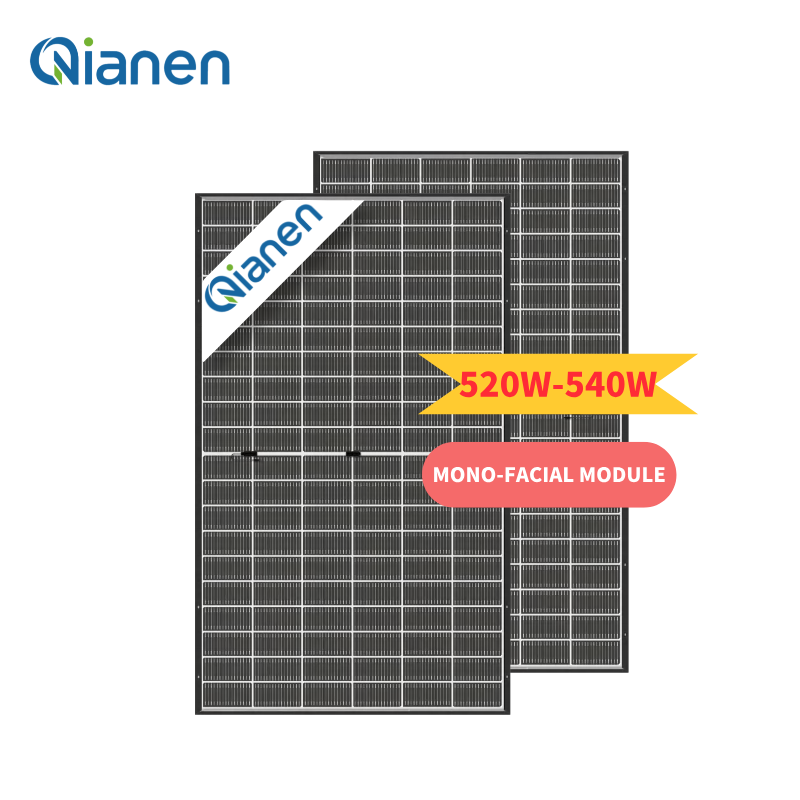
Rising electricity costs have prompted homeowners and businesses worldwide to explore renewable energy alternatives, with solar panel installations becoming increasingly popular as a viable solution for reducing monthly utility expenses. The effectiveness of solar panel systems in cutting electricity bills depends on various factors including geographic location, energy consumption patterns, system size, and local utility rates. Modern solar panel technology has advanced significantly, offering higher efficiency ratings and longer lifespans that make the investment more attractive for property owners seeking energy independence and cost savings.
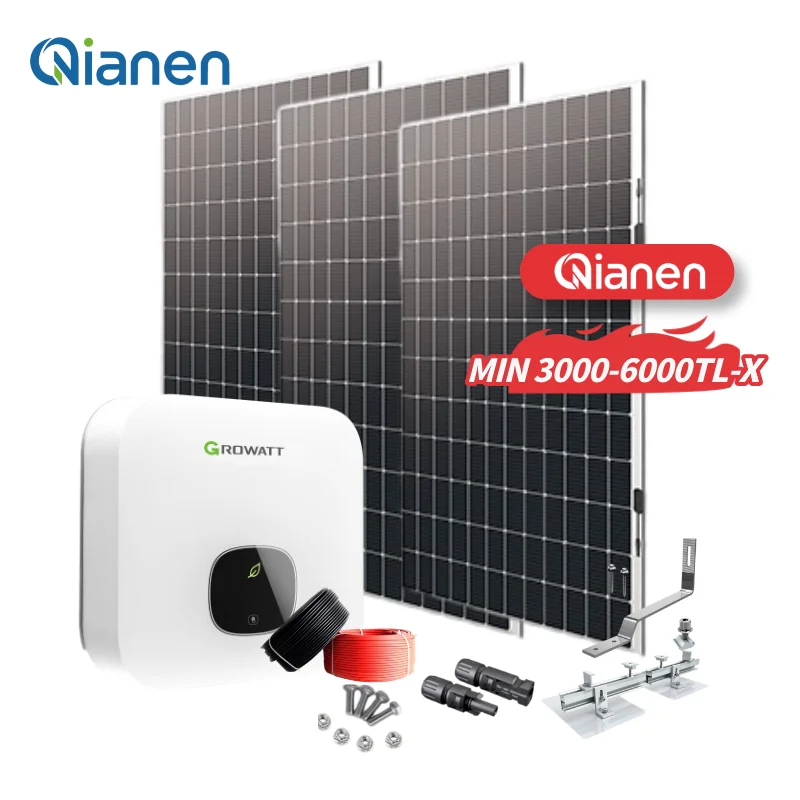
Understanding how solar panel systems generate savings requires examining the relationship between energy production, consumption patterns, and utility billing structures. A properly sized solar panel installation can offset a significant portion of household electricity usage, particularly during peak daylight hours when energy production is highest. The financial benefits extend beyond immediate bill reductions, as many regions offer net metering programs that allow excess solar energy to be sold back to the grid, creating additional revenue streams for system owners.
Understanding Solar Panel Cost Savings Mechanisms
Direct Energy Offset Benefits
Solar panel systems reduce electricity bills primarily through direct energy offset, where the electricity generated by the panels replaces power that would otherwise be purchased from the utility company. During sunny periods, a well-designed solar panel array can produce enough electricity to meet most or all of a property's energy needs, effectively reducing the amount of grid electricity consumed. This direct substitution translates into immediate savings on the utility bill, as each kilowatt-hour produced by the solar panel system represents one less unit that needs to be purchased at retail rates.
The effectiveness of energy offset varies throughout the day and across seasons, with peak production typically occurring during midday hours when the sun's intensity is strongest. Modern solar panel installations often include monitoring systems that allow property owners to track real-time energy production and consumption patterns, providing valuable insights into optimization opportunities. Understanding these patterns helps maximize the financial benefits by aligning high-energy activities with peak solar production periods whenever possible.
Net Metering Advantages
Net metering programs available in many jurisdictions allow solar panel owners to receive credit for excess electricity fed back into the grid, creating additional financial benefits beyond direct consumption offset. When a solar panel system produces more electricity than the property consumes, the surplus energy is automatically exported to the utility grid, and the property owner receives credits that can be applied against future electricity consumption. This arrangement effectively turns the electric meter into a two-way device, measuring both consumption from and contribution to the grid.
The value of net metering credits varies by location and utility company policies, with some programs offering full retail rate credits while others provide wholesale or time-of-use rates. Property owners in areas with favorable net metering policies can achieve greater savings from their solar panel investments, as the system continues generating revenue even when producing more electricity than immediately needed. These programs are particularly beneficial for residential installations where daytime production often exceeds concurrent usage patterns.
Factors Affecting Solar Panel Savings Potential
Geographic and Climate Considerations
The effectiveness of solar panel systems in reducing electricity bills is heavily influenced by geographic location and local climate conditions, as these factors determine the amount of solar irradiance available throughout the year. Properties located in regions with abundant sunshine and minimal cloud cover typically experience higher energy production rates, leading to greater potential savings on electricity bills. Solar panel installations in areas like the southwestern United States, parts of Australia, and Mediterranean climates often achieve optimal performance due to consistent solar exposure.
Climate factors beyond just sunshine hours also impact solar panel performance and savings potential, including temperature variations, seasonal weather patterns, and atmospheric conditions. While solar panel efficiency actually improves in cooler temperatures, consistent access to sunlight remains the primary driver of energy production. Properties in northern latitudes or areas with frequent cloud cover may still achieve meaningful savings, though the payback period for the initial investment might be longer compared to installations in more favorable climates.
System Size and Energy Consumption Matching
Proper sizing of a solar panel system relative to the property's energy consumption patterns is crucial for maximizing electricity bill savings and achieving optimal return on investment. An oversized system may produce more electricity than can be effectively utilized or credited through net metering, while an undersized installation may not provide sufficient offset to significantly impact monthly utility bills. Professional energy assessments typically examine historical electricity usage data to determine the appropriate system capacity for maximum financial benefit.
Energy consumption patterns throughout the day and across seasons influence how effectively a solar panel system can reduce electricity bills, as production and usage must align for maximum direct offset benefits. Properties with high daytime energy usage, such as businesses or homes with significant air conditioning loads, may achieve better savings rates as their consumption coincides with peak solar production periods. Understanding these patterns helps optimize both system design and energy usage behaviors to maximize the financial advantages of solar panel ownership.
Financial Analysis and Return on Investment
Initial Investment Considerations
The upfront cost of a solar panel system represents a significant investment that must be weighed against long-term electricity bill savings to determine overall financial viability. Modern residential solar installations typically cost between $15,000 and $30,000 before incentives, depending on system size, equipment quality, and installation complexity. However, various federal, state, and local incentives can substantially reduce the net investment required, improving the overall economics of solar panel ownership.
Financing options for solar panel installations have expanded significantly, with many companies offering solar loans, leasing programs, and power purchase agreements that reduce or eliminate upfront costs. These financing mechanisms allow property owners to begin realizing electricity bill savings immediately while spreading the system cost over time. The choice between purchasing and financing affects the overall savings potential, as owned systems typically provide greater long-term financial benefits while financed installations may offer more immediate cash flow advantages.
Payback Period Analysis
Calculating the payback period for a solar panel investment involves comparing the total system cost against projected annual electricity bill savings to determine when the cumulative savings will exceed the initial expenditure. Most residential solar panel installations achieve payback periods between 6 and 12 years, depending on local electricity rates, available incentives, and system performance characteristics. Properties in areas with high electricity rates and strong solar resources typically experience shorter payback periods, making the investment more attractive from a financial perspective.
The payback analysis should account for various factors that can affect long-term savings, including projected electricity rate increases, potential changes in net metering policies, and expected system degradation over time. Solar panel systems typically carry 20 to 25-year performance warranties, meaning they continue generating savings well beyond the payback period. This extended operational life provides significant additional value, as the electricity bill reductions continue for many years after the initial investment has been recovered through accumulated savings.
Maximizing Solar Panel Efficiency and Savings
Optimal System Design and Placement
Achieving maximum electricity bill savings from a solar panel installation requires careful attention to system design factors including panel orientation, tilt angle, and shading considerations. South-facing installations with optimal tilt angles typically produce the highest annual energy yields, though east and west-facing arrays can also provide significant savings depending on local utility rate structures and consumption patterns. Professional solar installers use specialized software to model different configuration options and determine the design that maximizes financial returns for each specific property.
Avoiding shading from trees, buildings, or other obstructions is critical for maintaining high solar panel performance and maximizing electricity bill savings throughout the system's operational life. Even partial shading on a portion of the array can significantly reduce overall energy production, as most solar panel systems are designed with series connections that can create bottlenecks when individual panels are compromised. Regular maintenance and monitoring help ensure the system continues operating at peak efficiency, preserving the projected savings over the system's lifetime.
Energy Usage Optimization Strategies
Property owners can enhance the effectiveness of their solar panel systems in reducing electricity bills by adjusting energy consumption patterns to align with peak production periods during daylight hours. Running high-energy appliances like washing machines, dishwashers, and electric vehicle chargers during midday hours maximizes direct solar energy utilization and reduces the amount of electricity that must be purchased from the grid. This optimization strategy is particularly effective in areas without favorable net metering policies where excess production receives lower compensation rates.
Smart home energy management systems can automate the optimization process by scheduling appliance operation during peak solar production periods and providing real-time feedback on energy usage patterns. These systems help property owners understand how their consumption habits affect overall savings from the solar panel installation and identify additional opportunities for bill reduction. Combining solar energy production with energy efficiency improvements creates a comprehensive approach to minimizing electricity costs and maximizing the return on the solar investment.
Long-term Benefits and Considerations
Property Value Enhancement
Solar panel installations typically increase property values, providing an additional financial benefit beyond direct electricity bill savings that enhances the overall return on investment. Studies have shown that homes with solar energy systems sell for approximately 4% more than comparable properties without solar installations, reflecting buyer recognition of the ongoing energy cost savings and environmental benefits. This property value increase helps offset the initial system cost and provides additional compensation if the property is sold before the full payback period has elapsed.
The property value enhancement from solar panel installations tends to be more pronounced in markets where electricity rates are high and environmental consciousness is strong among buyers. Real estate professionals increasingly recognize solar energy systems as valuable property features that can differentiate listings and attract environmentally conscious buyers willing to pay premium prices. This market recognition helps ensure that the investment in solar panel technology provides returns through both ongoing savings and enhanced resale value.
Environmental and Social Impact
Beyond the direct financial benefits of reduced electricity bills, solar panel installations contribute to broader environmental and social benefits that provide additional value to property owners and communities. Generating clean electricity from solar energy reduces dependence on fossil fuel-based power generation, helping decrease greenhouse gas emissions and air pollution. These environmental benefits align with growing consumer preferences for sustainable living options and can enhance the property owner's satisfaction with their investment beyond pure financial considerations.
The social impact of widespread solar panel adoption extends to energy grid stability and independence, as distributed generation reduces strain on centralized power infrastructure and enhances community resilience during peak demand periods. Property owners who install solar energy systems contribute to this broader transformation while enjoying the direct benefits of reduced electricity bills and increased energy security. This dual benefit structure makes solar panel investments attractive from both personal financial and community contribution perspectives.
FAQ
How much can solar panels typically reduce monthly electricity bills
Solar panel systems can reduce monthly electricity bills by 50% to 100% depending on system size, energy consumption patterns, and local solar conditions. Well-designed residential installations often achieve 70-90% bill reduction, with some properties reaching net-zero electricity costs. The exact savings depend on factors including geographic location, roof characteristics, and utility rate structures, but most homeowners see significant monthly reductions that accumulate to substantial annual savings over the system's operational lifetime.
What factors determine how effectively solar panels reduce electricity costs
Several key factors influence solar panel effectiveness in reducing electricity costs, including geographic location and solar irradiance levels, system size relative to energy consumption, roof orientation and shading conditions, and local utility rates and net metering policies. Climate conditions, seasonal variations in sunlight availability, and the alignment between energy production and consumption patterns also play important roles. Properties with high electricity usage during daylight hours typically achieve better cost reduction results from their solar panel installations.
How long does it take for solar panels to pay for themselves through electricity savings
Most residential solar panel systems achieve payback through electricity bill savings within 6 to 12 years, with the average falling around 8-10 years in favorable conditions. The payback period depends on initial system cost, available incentives, local electricity rates, and system performance. Areas with high electricity rates and strong solar resources typically experience shorter payback periods, while regions with lower rates or less optimal conditions may require longer timeframes to recover the initial investment through accumulated savings.
Do solar panels continue saving money after the initial investment is recovered
Yes, solar panel systems continue generating electricity bill savings for many years after the initial payback period, typically providing 10-15 additional years of cost reductions beyond investment recovery. Most solar panels carry 20-25 year performance warranties and can operate effectively for 25-30 years or longer, meaning the majority of their operational life provides pure savings after the payback period. This extended benefit period represents significant additional value and makes solar panel investments attractive for long-term property ownership strategies.
Table of Contents
- Understanding Solar Panel Cost Savings Mechanisms
- Factors Affecting Solar Panel Savings Potential
- Financial Analysis and Return on Investment
- Maximizing Solar Panel Efficiency and Savings
- Long-term Benefits and Considerations
-
FAQ
- How much can solar panels typically reduce monthly electricity bills
- What factors determine how effectively solar panels reduce electricity costs
- How long does it take for solar panels to pay for themselves through electricity savings
- Do solar panels continue saving money after the initial investment is recovered