EN
EN

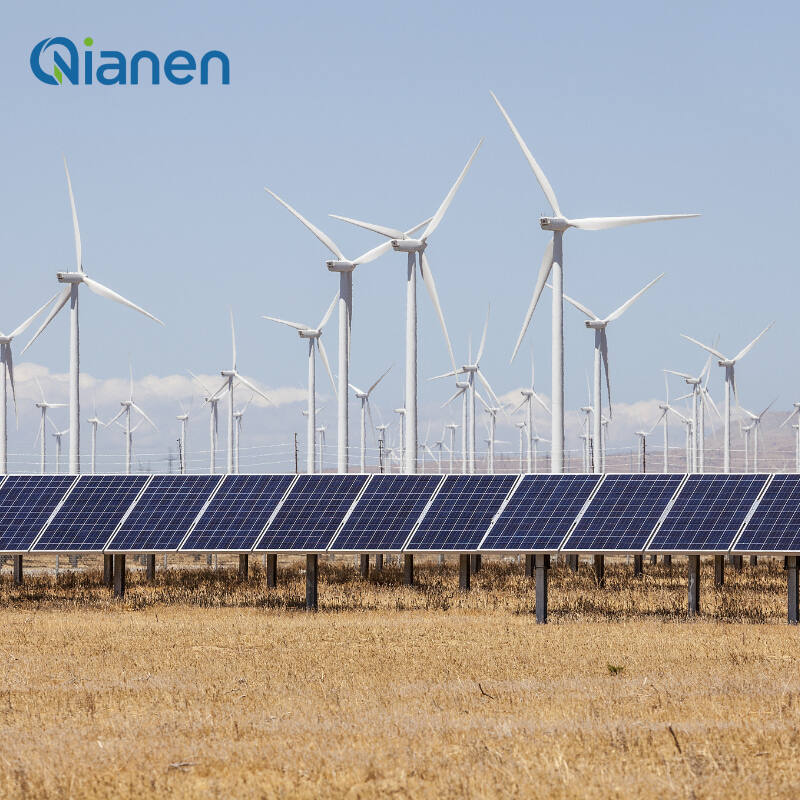
The global energy landscape is undergoing a revolutionary transformation, with renewable energy sources taking center stage in the fight against climate change and energy security concerns. Among all renewable technologies, the solar panel stands out as the most accessible, versatile, and economically viable solution for both residential and commercial applications. As governments worldwide implement ambitious carbon reduction targets and energy costs continue to fluctuate, understanding why solar panel technology represents the optimal choice for sustainable power generation has never been more crucial for property owners, businesses, and energy stakeholders.
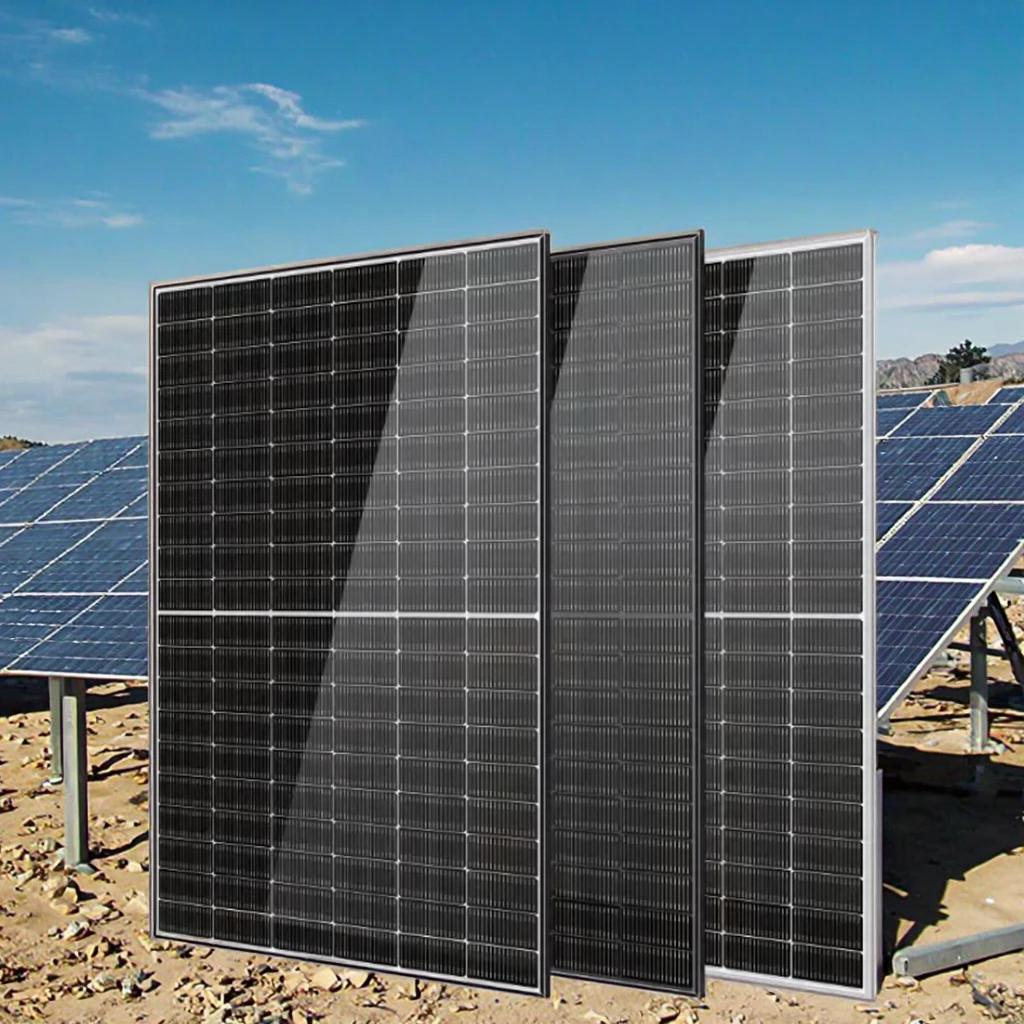
Economic Advantages of Solar Panel Technology
Long-Term Cost Savings and Return on Investment
The financial benefits of solar panel installation extend far beyond the initial investment, creating substantial long-term savings that make this renewable technology increasingly attractive to cost-conscious consumers. Modern solar panel systems typically pay for themselves within 6-10 years through reduced electricity bills, after which they continue generating free electricity for decades. The average residential solar panel installation can save homeowners between $20,000 to $50,000 over the system's 25-30 year lifespan, depending on local electricity rates and solar irradiance levels.
Commercial and industrial facilities experience even more dramatic savings, with large-scale solar panel arrays often reducing operational energy costs by 50-90%. These savings directly impact bottom-line profitability while providing predictable energy expenses that facilitate better long-term financial planning. The stability of solar panel energy costs contrasts sharply with volatile fossil fuel prices, offering businesses protection against energy market fluctuations and enabling more accurate budget forecasting.
Government Incentives and Tax Benefits
Governments at federal, state, and local levels provide numerous financial incentives that significantly reduce the upfront costs of solar panel installations. The federal solar investment tax credit allows property owners to deduct 30% of solar panel system costs from their federal taxes, while many states offer additional rebates, grants, and performance-based incentives. These programs can reduce total solar panel installation costs by 40-60%, making the transition to renewable energy more accessible to a broader range of consumers.
Net metering programs further enhance the economic attractiveness of solar panel systems by allowing property owners to sell excess electricity back to the grid at retail rates. This arrangement effectively turns every solar panel installation into a micro power plant, creating potential revenue streams while maximizing system efficiency. Some regions offer premium rates for solar panel electricity, providing additional financial incentives for renewable energy adoption.
Environmental Impact and Sustainability Benefits
Carbon Footprint Reduction and Climate Change Mitigation
The environmental advantages of solar panel technology are profound and measurable, with each installed system contributing directly to global carbon reduction efforts. A typical residential solar panel system prevents 3-4 tons of carbon dioxide emissions annually, equivalent to planting over 100 trees each year. Over its operational lifetime, a single solar panel system can prevent 100,000 pounds of CO2 emissions, making individual installations powerful tools in the fight against climate change.
Large-scale solar panel deployments multiply these benefits exponentially, with utility-scale installations preventing millions of tons of greenhouse gas emissions while generating clean electricity for thousands of homes and businesses. The lifecycle carbon footprint of solar panel manufacturing and installation is recovered within 1-4 years of operation, after which each system provides decades of carbon-neutral electricity generation. This rapid energy payback period demonstrates the exceptional environmental efficiency of modern solar panel technology.
Resource Conservation and Ecosystem Protection
Solar panel electricity generation requires no water consumption, fuel extraction, or ongoing resource inputs beyond sunlight, making it one of the most sustainable energy technologies available. Traditional power generation consumes billions of gallons of water annually for cooling and processing, while solar panel systems operate without any water requirements. This characteristic makes solar panel technology particularly valuable in arid regions where water conservation is critical for ecosystem health and human survival.
The distributed nature of solar panel installations reduces the need for extensive transmission infrastructure and the environmental disruption associated with centralized power plants. Rooftop solar panel systems utilize existing building surfaces without requiring additional land use, while ground-mounted installations can coexist with agriculture through agrivoltaic systems that provide dual land use benefits.
Technological Advancements and Performance Reliability
Efficiency Improvements and Innovation Trends
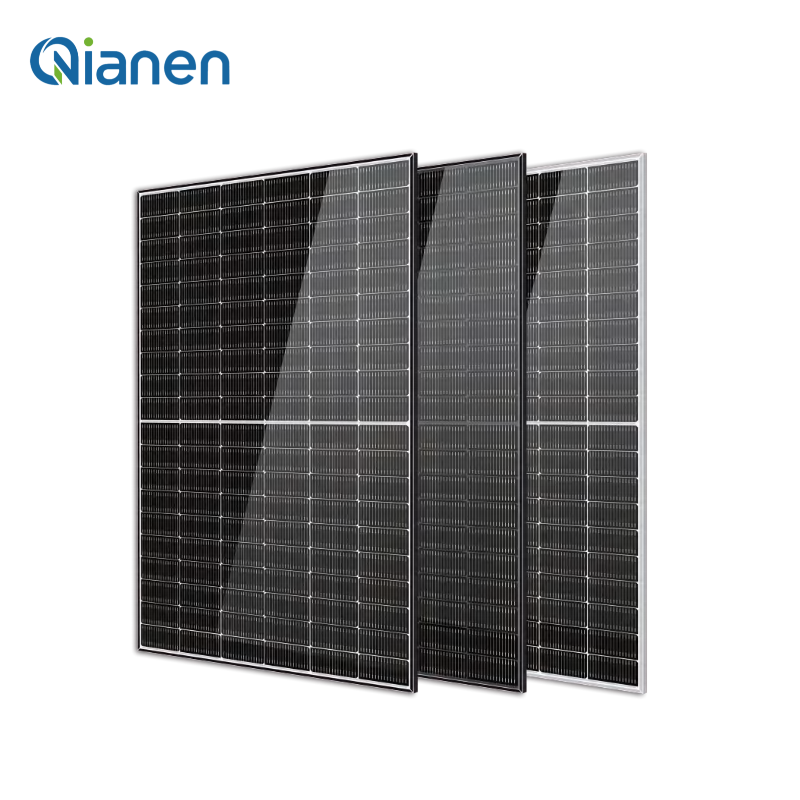
Modern solar panel technology has achieved remarkable efficiency improvements, with leading manufacturers producing panels that convert over 22% of sunlight into electricity. Advanced cell technologies like heterojunction and PERC designs have pushed solar panel performance to new heights while reducing manufacturing costs. These innovations enable smaller solar panel installations to generate more electricity, making renewable energy viable for properties with limited roof space or challenging installation conditions.
Emerging technologies like bifacial solar panels capture light from both sides, increasing electricity generation by 10-20% compared to traditional single-sided panels. Smart solar panel systems integrate monitoring and optimization technologies that maximize performance under varying weather conditions and automatically identify maintenance needs. These technological advances ensure that solar panel systems deliver optimal performance throughout their operational lifetime.
Durability and Maintenance Requirements
High-quality solar panel systems are engineered to withstand extreme weather conditions, including hail, high winds, and temperature fluctuations, with most manufacturers providing 20-25 year performance warranties. The solid-state design of solar panel technology eliminates moving parts that could fail, resulting in exceptionally low maintenance requirements and high system reliability. Regular cleaning and periodic inspections represent the primary maintenance needs, making solar panel systems ideal for remote installations and cost-sensitive applications.
Advanced solar panel designs incorporate protective features like bypass diodes and robust junction boxes that prevent damage from partial shading or electrical faults. These safety mechanisms ensure consistent performance even when individual panels experience temporary issues, maintaining overall system productivity and preventing cascading failures. The proven reliability of solar panel technology has made it the preferred choice for critical applications including telecommunications, remote monitoring systems, and emergency power supplies.
Grid Independence and Energy Security
Reduced Dependence on Utility Companies
Solar panel installations provide property owners with unprecedented control over their electricity generation and consumption, reducing dependence on traditional utility companies and volatile energy markets. This energy independence becomes particularly valuable during peak demand periods when electricity rates are highest, as solar panel systems generate maximum output during these same high-demand daylight hours. Property owners can significantly reduce or eliminate monthly electricity bills while maintaining full access to grid electricity when needed.
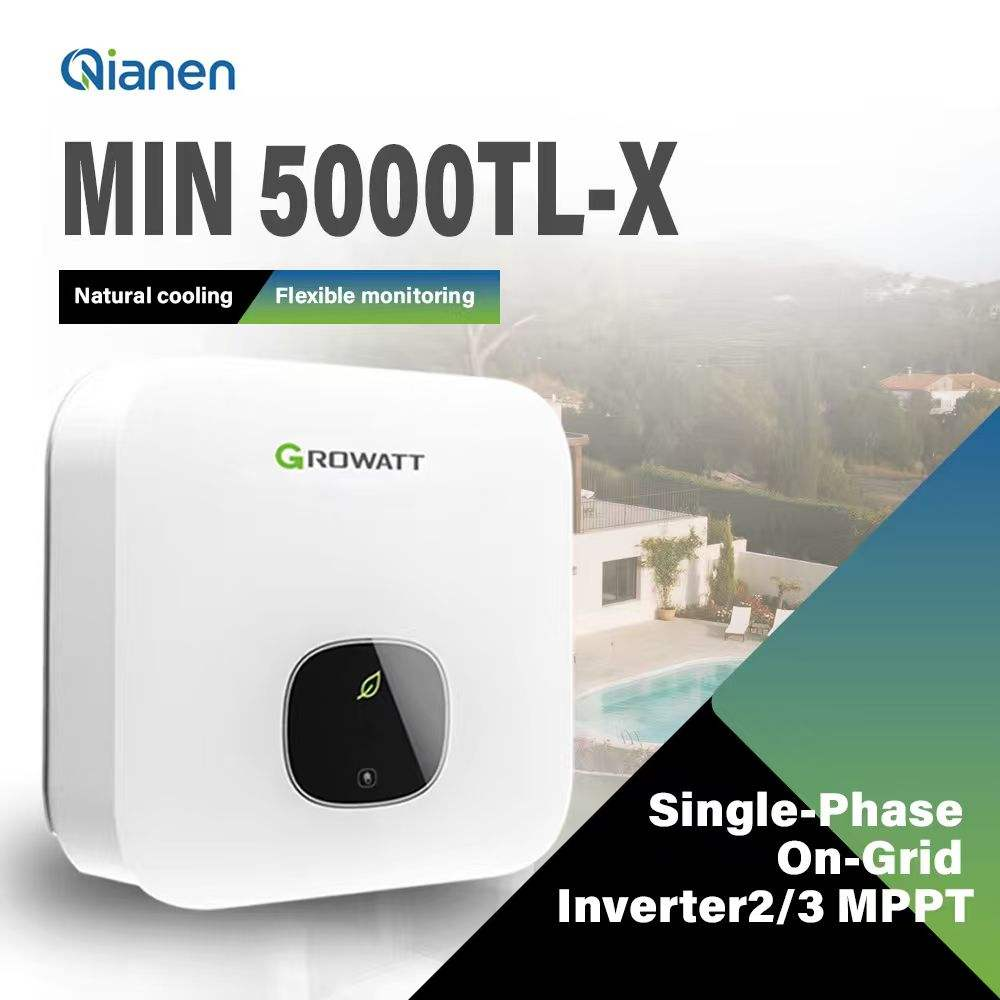
Battery storage integration with solar panel systems enables complete energy independence, allowing properties to operate off-grid during power outages or peak rate periods. These hybrid systems store excess solar panel electricity during the day for use during evening hours or emergency situations, providing comprehensive energy security that traditional grid connections cannot match. The combination of solar panel generation and battery storage creates resilient energy systems that enhance property value while providing reliable power in all conditions.
Disaster Resilience and Emergency Preparedness
Solar panel systems with battery backup provide critical power during natural disasters, grid failures, and emergency situations when traditional electricity infrastructure may be compromised. This capability has proven invaluable during hurricanes, wildfires, and other disasters where grid power remains unavailable for extended periods. Essential services like refrigeration, lighting, and communication systems can continue operating on solar panel electricity, potentially saving lives and preventing property damage during crisis situations.
Emergency response facilities, hospitals, and critical infrastructure installations increasingly rely on solar panel systems for backup power and grid independence. These applications demonstrate the reliability and versatility of solar panel technology under the most demanding conditions, where failure is not an option. The rapid deployment capability of portable solar panel systems also makes them valuable resources for disaster relief operations and temporary power needs.
Versatility and Installation Flexibility
Scalable Solutions for Diverse Applications
Solar panel technology offers unmatched versatility in system sizing and configuration, accommodating everything from small residential installations to massive utility-scale power plants. Modular solar panel design enables precise system sizing to match specific energy requirements and budget constraints, while allowing for future expansion as energy needs grow. This scalability makes solar panel systems appropriate for apartment balconies, suburban homes, commercial buildings, industrial facilities, and utility-scale developments.
Specialized solar panel products address unique installation requirements, including flexible panels for curved surfaces, transparent panels for window integration, and high-efficiency panels for space-constrained applications. Building-integrated photovoltaic systems incorporate solar panel technology directly into roofing materials, facades, and architectural elements, creating seamless renewable energy solutions that enhance rather than detract from building aesthetics. These innovative applications demonstrate the remarkable adaptability of solar panel technology across diverse building types and architectural styles.
Geographic Suitability and Climate Adaptability
Modern solar panel systems generate significant electricity in virtually all geographic locations, with even cloudy regions producing substantial solar energy throughout the year. Advanced panel designs optimize performance in low-light conditions, while cold-climate solar panel installations often outperform systems in hot climates due to improved electrical efficiency at lower temperatures. This broad geographic suitability makes solar panel technology viable across diverse climate zones and geographic regions worldwide.
Solar panel performance prediction tools and weather monitoring systems enable accurate energy production forecasting for any location, helping property owners make informed investment decisions. Regional variations in solar irradiance, seasonal patterns, and local weather conditions are carefully analyzed to optimize solar panel system design and positioning. These sophisticated planning tools ensure that solar panel installations deliver expected performance regardless of local climate conditions.
FAQ
How long do solar panels typically last and what warranty coverage is available
Quality solar panel systems are designed to operate effectively for 25-30 years or more, with most manufacturers providing comprehensive warranties covering both product defects and performance guarantees. Linear performance warranties typically guarantee that panels will produce at least 80% of their rated output after 25 years of operation. Many premium solar panel manufacturers offer extended warranties up to 30 years, while inverter warranties usually range from 10-25 years depending on the technology type.
What factors affect solar panel efficiency and electricity generation
Solar panel efficiency depends on several key factors including panel technology type, installation angle and orientation, local climate conditions, shading patterns, and system maintenance. High-efficiency monocrystalline solar panel designs typically achieve 20-22% efficiency, while polycrystalline and thin-film technologies offer lower but more cost-effective alternatives. Optimal south-facing installations with minimal shading and regular cleaning can maximize solar panel electricity generation throughout the year.
Are solar panel systems cost-effective in areas with limited sunlight
Even regions with moderate sunlight exposure can achieve excellent solar panel investment returns due to improved technology efficiency, declining equipment costs, and favorable financing options. Northern climates often benefit from net metering programs and higher electricity rates that improve solar panel economics, while cold temperatures actually enhance panel electrical efficiency. Proper system design and equipment selection can optimize solar panel performance for any climate condition, making renewable energy financially viable across diverse geographic locations.
What maintenance is required for residential solar panel systems
Solar panel systems require minimal maintenance, primarily consisting of periodic cleaning to remove dust, debris, and snow accumulation that could reduce electricity generation. Most installations benefit from professional inspection every 2-3 years to verify electrical connections, mounting hardware integrity, and inverter performance. Modern solar panel monitoring systems provide real-time performance data that alerts owners to any issues requiring attention, ensuring optimal system operation with minimal intervention.