EN
EN

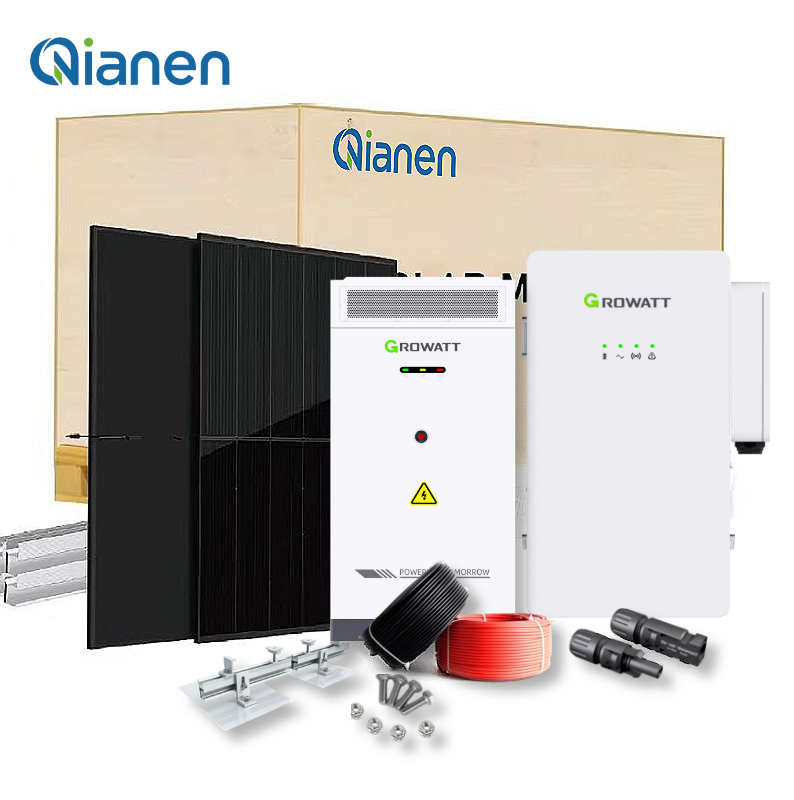
The global energy landscape is undergoing a fundamental transformation, and businesses worldwide are recognizing the critical importance of sustainable energy solutions. Investing in a solar system represents one of the most strategic decisions organizations can make to secure their energy future while addressing environmental responsibilities. With rising electricity costs, increasing regulatory pressure for carbon reduction, and growing stakeholder expectations for sustainability, the question is no longer whether to adopt renewable energy, but how quickly businesses can implement effective solar system solutions.
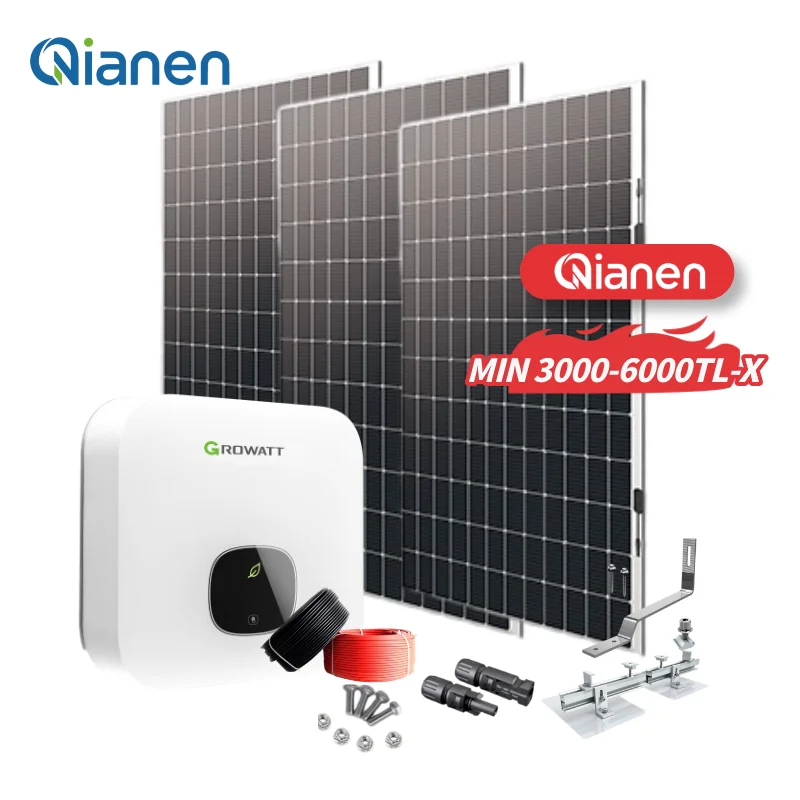
The investment case for a solar system extends far beyond simple environmental considerations, encompassing substantial financial benefits, operational advantages, and long-term energy security. Modern solar system technology has reached unprecedented levels of efficiency and reliability, making it a compelling investment for businesses seeking to reduce operational costs while demonstrating corporate responsibility. Understanding the comprehensive reasons for solar system investment is essential for making informed decisions that align with both immediate business needs and long-term sustainability goals.
Economic Benefits Drive Solar System Investment Decisions
Immediate Cost Reduction Through Energy Independence
The most compelling reason to invest in a solar system is the immediate and substantial reduction in electricity costs. Businesses that install a properly sized solar system can dramatically reduce their dependence on grid electricity, which translates to lower monthly utility bills from the very first month of operation. The cost of solar system technology has decreased by over 85% in the past decade, making the investment more accessible while electricity rates continue to rise annually across most markets.
A well-designed solar system can offset 70-100% of a facility's electricity consumption, depending on the available roof space, local solar irradiance, and energy usage patterns. This level of energy independence provides predictable energy costs for decades, protecting businesses from volatile electricity rate increases that can significantly impact operational budgets. The financial predictability offered by a solar system investment allows for more accurate long-term financial planning and budgeting.
The return on investment for a commercial solar system typically ranges from 6-10 years, after which the system continues generating free electricity for another 15-20 years. This extended period of essentially free energy represents substantial cost savings that compound over time, making the initial solar system investment one of the most financially rewarding infrastructure improvements a business can make.
Tax Incentives and Financial Benefits
Government incentives significantly enhance the financial attractiveness of solar system investments. Many jurisdictions offer substantial tax credits, accelerated depreciation schedules, and rebates specifically designed to encourage solar system adoption. These incentives can reduce the effective cost of a solar system by 30-50%, dramatically improving the investment return timeline and overall financial benefits.
Beyond direct incentives, a solar system investment often qualifies for accelerated depreciation, allowing businesses to write off the system cost more quickly than traditional equipment purchases. This depreciation benefit provides immediate tax advantages while the solar system simultaneously reduces ongoing operational expenses. The combination of tax benefits and energy savings creates a compelling financial case that makes solar system investment attractive even for budget-conscious organizations.
Additionally, many regions have implemented net metering programs that allow solar system owners to sell excess electricity back to the grid, creating an additional revenue stream. This means a properly sized solar system can not only eliminate electricity costs but actually generate income during peak production periods, further enhancing the investment value.
Environmental Responsibility and Corporate Sustainability Goals
Reducing Carbon Footprint and Environmental Impact
Investing in a solar system directly addresses the urgent need for businesses to reduce their environmental impact and contribute to global climate change mitigation efforts. A typical commercial solar system can prevent thousands of tons of carbon dioxide emissions over its 25-30 year lifespan, equivalent to removing hundreds of cars from the road or planting thousands of trees. This environmental benefit is increasingly important as stakeholders, customers, and regulatory bodies demand demonstrable commitment to sustainability.
The environmental benefits of a solar system extend beyond carbon reduction. Solar energy generation produces no air pollution, water pollution, or noise pollution, making it an ideal clean energy solution for businesses located in or near residential areas. Unlike fossil fuel-based electricity generation, a solar system operates without consuming water resources or producing harmful byproducts, making it a truly sustainable energy solution that aligns with comprehensive environmental stewardship goals.
Companies that invest in a solar system often find that their environmental leadership position attracts environmentally conscious customers, employees, and business partners. This positive environmental impact can become a significant competitive advantage, particularly in markets where sustainability is a key differentiator or customer selection criterion.
Meeting Regulatory Requirements and ESG Standards
Regulatory pressure for businesses to adopt renewable energy solutions is intensifying globally, with many jurisdictions implementing mandatory renewable energy targets, carbon reporting requirements, and emissions reduction mandates. A solar system investment helps businesses proactively meet these requirements while demonstrating compliance with evolving environmental regulations. Early adoption of solar system technology positions companies ahead of regulatory curves rather than scrambling to meet future mandates.
Environmental, Social, and Governance (ESG) criteria have become critical factors in investment decisions, customer relationships, and business partnerships. A solar system installation provides tangible evidence of a company's commitment to environmental responsibility, directly supporting ESG reporting and stakeholder communication efforts. This ESG alignment can improve access to capital, enhance customer relationships, and attract top talent who prioritize working for environmentally responsible organizations.
Furthermore, many large corporations are requiring their suppliers and business partners to demonstrate environmental responsibility through renewable energy adoption. Investing in a solar system can therefore be essential for maintaining and expanding business relationships with environmentally conscious corporate customers who evaluate suppliers based on sustainability criteria.
Technological Advances and System Reliability
Modern Solar System Efficiency and Performance
Recent technological advances have dramatically improved solar system efficiency, reliability, and performance characteristics. Modern solar panels achieve efficiency ratings exceeding 20%, meaning they convert more sunlight into electricity than ever before, maximizing the energy output from available installation space. Advanced inverter technology, smart monitoring systems, and improved mounting systems ensure that today's solar system installations deliver optimal performance under diverse operating conditions.
Contemporary solar system components are designed for minimal maintenance and maximum durability, with solar panels typically warranted for 25 years and proven to operate effectively for 30+ years. Inverter technology has advanced to include intelligent monitoring capabilities that optimize energy production, detect potential issues before they impact performance, and provide detailed performance data that helps maximize the solar system investment value.
Smart solar system technology now includes features like remote monitoring, predictive maintenance alerts, and automated performance optimization. These technological improvements reduce the ongoing management burden while ensuring consistent energy production, making solar system ownership more convenient and financially predictable than traditional energy supply arrangements.
Energy Storage Integration and Grid Independence
Modern solar system installations can integrate with battery storage technology to provide complete energy independence and backup power capabilities. Battery storage allows businesses to store excess solar energy produced during peak sunlight hours for use during evening hours or cloudy periods, maximizing the solar system's contribution to energy needs while providing resilience against grid outages.
Energy storage integration transforms a solar system from a daytime energy source into a comprehensive energy solution that can provide power 24/7. This capability is particularly valuable for businesses with critical operations that cannot afford power interruptions, as the solar system with storage can maintain operations during grid failures while reducing reliance on expensive backup generator systems.
The combination of solar system generation and battery storage also enables sophisticated energy management strategies, including load shifting to avoid peak demand charges, participation in grid services programs, and optimization of energy usage patterns to maximize cost savings. These advanced capabilities make modern solar system investments even more financially attractive while providing operational benefits beyond simple electricity cost reduction.
Long-Term Energy Security and Business Continuity
Protection Against Energy Price Volatility
Energy price volatility represents a significant business risk that affects operational budgets, profitability projections, and long-term planning capabilities. Investing in a solar system provides protection against this volatility by establishing a fixed-cost energy source that remains stable for decades. While grid electricity prices continue rising due to infrastructure costs, fuel price fluctuations, and regulatory changes, solar system owners enjoy predictable energy costs that improve financial planning accuracy.
Historical data shows that electricity rates have increased consistently over the past several decades, with no indication that this trend will reverse. A solar system investment essentially locks in today's energy costs for the next 25-30 years, providing substantial savings compared to projected future electricity rate increases. This price protection becomes increasingly valuable over time as the gap between solar system costs and grid electricity costs continues widening.
The energy price stability provided by a solar system investment also improves business competitiveness by reducing operational cost uncertainty. Companies with predictable energy costs can offer more competitive pricing, invest more confidently in growth initiatives, and maintain profitability even during periods of energy market turbulence that negatively impact competitors relying solely on grid electricity.
Enhanced Property Value and Asset Development
A professionally installed solar system significantly increases property values while providing ongoing operational benefits. Real estate studies consistently show that properties with solar system installations command premium values in both sale and lease transactions, as buyers and tenants recognize the long-term financial benefits of reduced electricity costs. This property value enhancement means that solar system investment provides both operational returns and asset appreciation.
Commercial properties with solar system installations are increasingly attractive to environmentally conscious tenants willing to pay premium rents for sustainable facilities. This tenant preference can reduce vacancy rates, increase rental income, and improve overall property investment returns. The solar system becomes a competitive differentiator in commercial real estate markets where sustainability features are increasingly important to tenant selection decisions.
Furthermore, properties with solar system installations often qualify for green building certifications and sustainability ratings that enhance marketability and attract quality tenants. These certifications can provide additional marketing advantages and support premium pricing strategies, making the solar system investment beneficial from both operational and real estate perspectives.
FAQ
What is the typical payback period for a commercial solar system investment?
The payback period for a commercial solar system typically ranges from 6 to 10 years, depending on factors such as system size, local electricity rates, available incentives, and energy consumption patterns. With proper system sizing and favorable incentive programs, some businesses achieve payback in as little as 4-5 years. After the payback period, the solar system continues generating free electricity for another 15-20 years, providing substantial long-term financial benefits.
How much maintenance does a solar system require after installation?
Modern solar system installations require minimal maintenance, typically consisting of periodic cleaning, annual inspections, and monitoring system performance through smart monitoring platforms. Solar panels have no moving parts and are designed to withstand harsh weather conditions with minimal degradation. Most maintenance tasks can be performed by facility maintenance staff, with professional inspections recommended every 2-3 years to ensure optimal performance and warranty compliance.
Can a solar system provide enough energy for complete energy independence?
A properly sized solar system can offset 70-100% of a facility's electricity consumption, depending on available installation space, local solar conditions, and energy usage patterns. When combined with battery storage systems, a solar system can provide complete energy independence and backup power capabilities. However, the optimal system size balances energy production with installation costs and available space, with most commercial installations designed to offset 80-90% of electricity needs for maximum financial return.
What happens to solar system performance during cloudy weather or winter months?
Solar system performance varies with weather conditions and seasonal changes, but modern systems are designed to generate electricity even during cloudy conditions, though at reduced output levels. Winter months typically show lower production due to shorter days and lower sun angles, but annual energy production calculations account for these variations. Grid-connected solar systems automatically supplement reduced solar production with grid electricity, ensuring consistent power supply regardless of weather conditions.
Table of Contents
- Economic Benefits Drive Solar System Investment Decisions
- Environmental Responsibility and Corporate Sustainability Goals
- Technological Advances and System Reliability
- Long-Term Energy Security and Business Continuity
-
FAQ
- What is the typical payback period for a commercial solar system investment?
- How much maintenance does a solar system require after installation?
- Can a solar system provide enough energy for complete energy independence?
- What happens to solar system performance during cloudy weather or winter months?