EN
EN

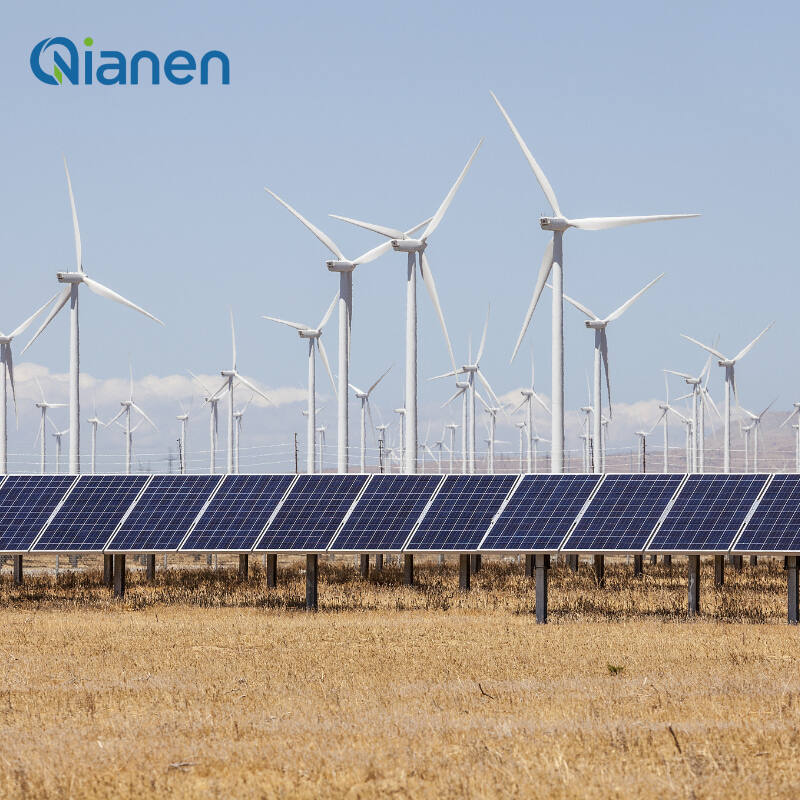
Understanding how a solar system works to generate electricity for residential and commercial properties is essential for anyone considering renewable energy investment. A solar system converts sunlight into usable electrical power through a sophisticated network of photovoltaic panels, inverters, and electrical components that seamlessly integrate with your existing power infrastructure. The fundamental process involves capturing solar photons, converting them to direct current electricity, transforming that power into alternating current, and distributing it throughout your property's electrical grid.
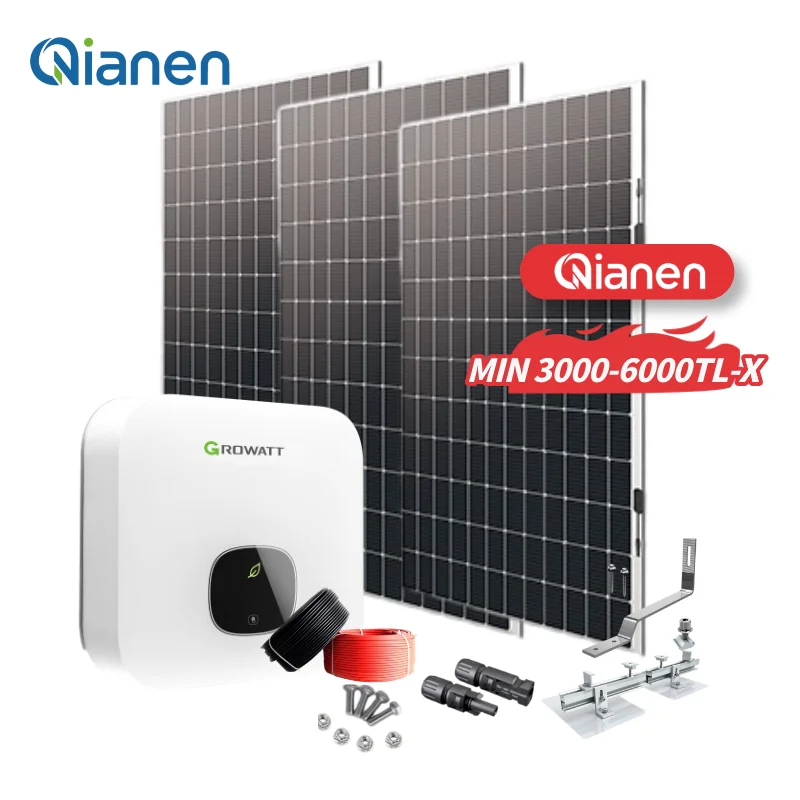
The complete operation of a solar system involves multiple interconnected stages that work together to deliver reliable, clean energy to power everything from household appliances to industrial equipment. Each component plays a critical role in ensuring maximum energy conversion efficiency while maintaining system stability and safety. Modern solar system installations incorporate advanced monitoring capabilities and smart grid integration features that optimize performance based on real-time energy demand and weather conditions.
Core Components and Their Electrical Functions
Photovoltaic Panel Operation Mechanics
Solar panels form the foundation of any solar system by converting sunlight directly into electrical energy through the photovoltaic effect. Each panel contains numerous silicon cells that generate direct current electricity when photons strike their semiconductor surface. The efficiency of this conversion process depends on factors including cell quality, panel orientation, ambient temperature, and solar irradiance levels throughout the day.
Multiple panels connect together in series and parallel configurations to achieve desired voltage and current output specifications. This arrangement allows the solar system to generate sufficient power for residential applications typically ranging from 3kW to 10kW, while commercial installations can scale to hundreds of kilowatts. The electrical output varies throughout the day as solar conditions change, requiring sophisticated power management systems to maintain consistent energy delivery.
Panel performance optimization involves careful consideration of shading patterns, roof orientation, and seasonal sun path variations. Advanced solar system designs incorporate micro-inverters or power optimizers at the panel level to minimize performance losses caused by partial shading or individual panel degradation. This distributed approach ensures that one underperforming panel does not significantly impact the entire system's energy production.
Inverter Technology and Power Conversion
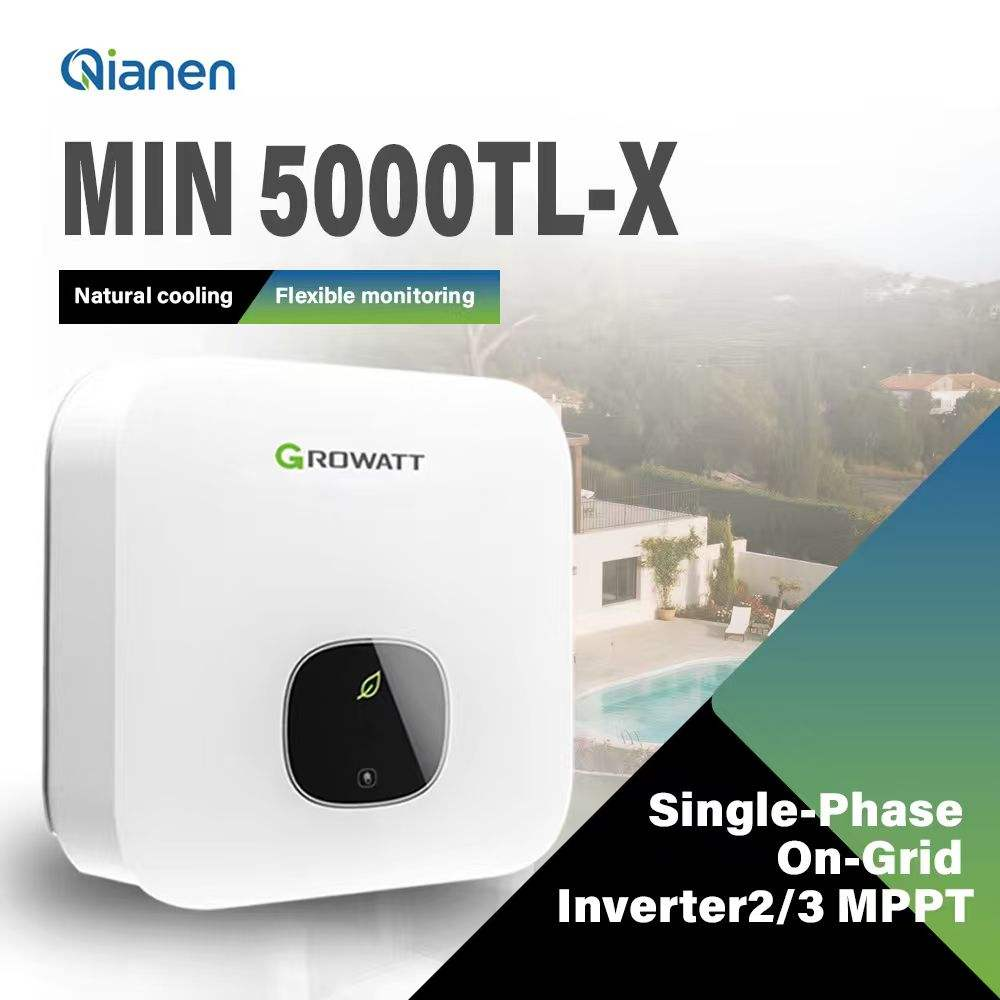
The inverter serves as the critical power conversion hub within any solar system, transforming variable direct current from the panels into stable alternating current compatible with standard electrical infrastructure. Modern inverters incorporate sophisticated Maximum Power Point Tracking (MPPT) algorithms that continuously adjust operating parameters to extract optimal power from the solar array under varying environmental conditions.
String inverters, power optimizers, and micro-inverters represent the primary inverter technologies used in residential and commercial solar system installations. Each approach offers specific advantages depending on installation complexity, shading conditions, and monitoring requirements. Central string inverters provide cost-effective solutions for installations with minimal shading, while distributed architectures offer enhanced performance monitoring and troubleshooting capabilities.
Advanced inverter features include grid-tie synchronization, anti-islanding protection, and reactive power compensation that ensure safe and efficient integration with utility electrical networks. These systems continuously monitor grid conditions and automatically disconnect during power outages to protect utility workers performing line maintenance. Modern inverters also provide comprehensive system monitoring data accessible through web-based interfaces and mobile applications.
Energy Flow and Grid Integration Process
Direct Current to Alternating Current Conversion
The conversion process from direct current to alternating current represents the most critical operational phase in any solar system. Solar panels generate variable DC voltage that fluctuates based on sunlight intensity and temperature conditions throughout the day. The inverter must continuously adapt to these changing input conditions while maintaining stable AC output that matches utility grid specifications for voltage, frequency, and power quality.
MPPT technology enables the solar system to operate at optimal efficiency by tracking the point of maximum power generation across varying environmental conditions. This dynamic optimization process involves continuous voltage and current adjustments that can increase energy harvest by 20-30% compared to simpler charge controllers. The sophisticated algorithms analyze solar panel characteristics and adjust operating parameters hundreds of times per second.
Power conditioning features within modern inverters include harmonic filtering, power factor correction, and voltage regulation that ensure clean electrical output suitable for sensitive electronic equipment. These capabilities allow the solar system to provide high-quality power that meets or exceeds utility grid standards while protecting connected loads from voltage fluctuations and electrical disturbances.
Grid Synchronization and Net Metering
Grid-tied solar system operation requires precise synchronization with utility electrical networks to ensure safe and efficient energy transfer. The inverter continuously monitors grid voltage, frequency, and phase relationships to maintain perfect alignment during energy injection periods. This synchronization process enables seamless integration between solar generation and utility power supply without disrupting electrical loads.
Net metering functionality allows the solar system to feed excess electricity back into the utility grid during periods of high solar generation, effectively running the electrical meter backward. This bi-directional energy flow maximizes the economic value of solar generation by providing credits for excess production that can offset electricity consumption during evening hours or cloudy periods when solar output is insufficient.
Advanced grid integration features include frequency regulation, voltage support, and reactive power compensation that help stabilize utility networks while maximizing solar energy utilization. Modern solar system installations can provide grid support services that enhance overall electrical network reliability while generating additional revenue streams for system owners.
Energy Storage and Backup Power Integration
Battery Storage System Operation
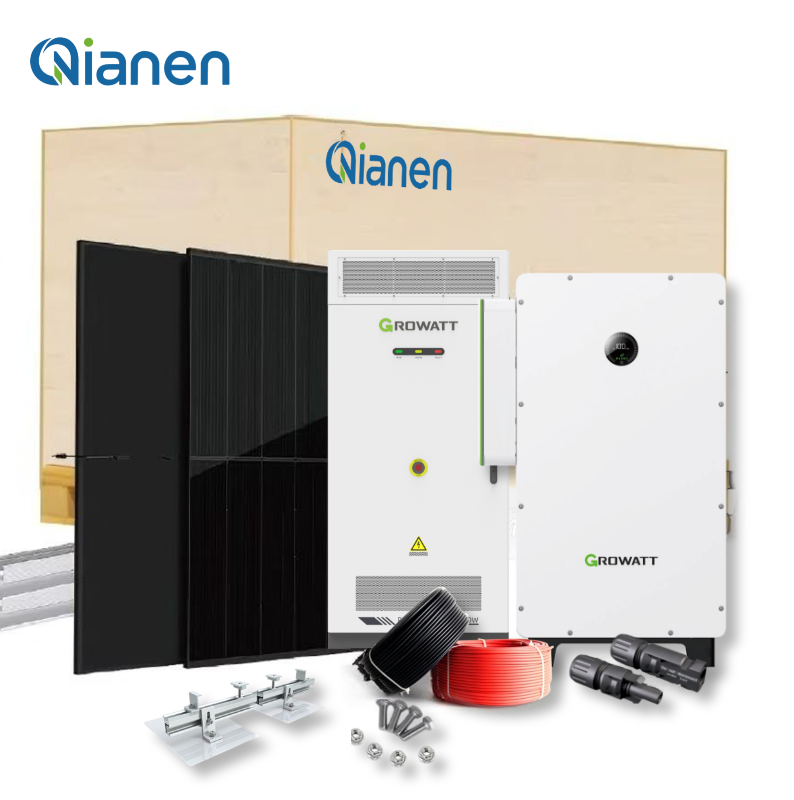
Battery storage integration transforms a basic solar system into a comprehensive energy management solution capable of providing backup power during outages and optimizing energy usage patterns. Lithium-ion battery systems store excess solar energy during peak production hours for use during evening periods or emergency situations when grid power is unavailable. The storage system includes sophisticated battery management electronics that monitor cell conditions and optimize charging cycles.
Hybrid inverter systems manage the complex energy flows between solar panels, batteries, grid connection, and electrical loads while maintaining optimal system efficiency. These advanced control systems automatically prioritize energy sources based on availability, cost, and user preferences while ensuring critical loads remain powered during outages. Battery storage enables the solar system to provide true energy independence and protection against utility rate increases.
Smart energy management algorithms analyze historical usage patterns, weather forecasts, and utility rate structures to optimize storage and discharge cycles for maximum economic benefit. These systems can automatically shift energy consumption to periods of low utility rates while maintaining adequate battery reserves for emergency backup requirements. Advanced installations include load prioritization features that ensure critical systems receive power during extended outage periods.
Backup Power Transfer Systems
Automatic transfer switches enable seamless transition between grid power and battery backup during outage events while maintaining safety isolation requirements. The solar system continues operating during outages when equipped with appropriate islanding detection and control systems that prevent energy export to utility lines. This capability allows continued solar energy harvesting and battery charging even when grid power is unavailable.
Critical load panels separate essential electrical circuits from non-essential loads to maximize backup runtime during extended outage periods. The solar system with battery storage can power refrigerators, lighting, communication equipment, and security systems for multiple days depending on weather conditions and energy consumption patterns. Load management features automatically shed non-critical loads when battery capacity reaches predetermined thresholds.
Generator integration capabilities allow hybrid solar system installations to incorporate backup generators for extended outage events or periods of insufficient solar generation. The system automatically manages generator operation to recharge batteries and power loads while minimizing fuel consumption and operating hours. This multi-source approach provides comprehensive energy security for critical applications.
Performance Monitoring and System Optimization
Real-Time Energy Production Tracking
Modern solar system installations include comprehensive monitoring capabilities that track energy production, consumption, and system performance parameters in real-time. Web-based monitoring platforms provide detailed analytics on solar generation patterns, inverter efficiency, and individual panel performance to identify optimization opportunities and maintenance requirements. These systems alert users to performance anomalies and potential equipment issues before they impact energy production.
Mobile applications enable remote monitoring and control of solar system operations from anywhere with internet connectivity. Users can track daily, monthly, and annual energy production while comparing performance against weather conditions and historical data. Advanced monitoring systems provide granular data on individual panel outputs, inverter temperatures, and grid interaction statistics that support proactive maintenance planning.
Performance analytics identify seasonal variation patterns, equipment degradation trends, and optimization opportunities that maximize long-term solar system value. Machine learning algorithms analyze historical performance data to predict future energy production and identify potential equipment failures before they occur. This predictive maintenance approach minimizes system downtime and extends equipment lifespan.
Maintenance and Performance Optimization
Regular maintenance procedures ensure optimal solar system performance throughout the 25-30 year system lifespan while minimizing degradation and equipment failures. Visual inspections identify physical damage, soiling accumulation, and connection issues that could impact energy production. Electrical testing verifies proper system grounding, insulation resistance, and safety system functionality according to national electrical codes.
Performance optimization involves fine-tuning inverter parameters, updating firmware, and adjusting system settings based on actual operating conditions and usage patterns. Seasonal adjustments may include cleaning schedules, vegetation management, and monitoring system updates that maintain peak efficiency. Professional maintenance services typically include thermal imaging inspections that identify hot spots and potential failure points before they cause system damage.
System expansion planning utilizes performance data and energy usage analysis to determine optimal timing and sizing for additional solar capacity or battery storage integration. The modular nature of modern solar system designs allows incremental capacity additions that match changing energy requirements while maintaining system compatibility and warranty coverage.
FAQ
How much electricity can a residential solar system generate daily?
A typical residential solar system ranging from 5kW to 10kW capacity can generate 20-50 kWh per day depending on geographic location, seasonal conditions, and system orientation. Peak production occurs during summer months with optimal sun exposure, while winter production may decrease by 30-50% in northern climates. System sizing should account for annual energy consumption patterns and local solar irradiance data to ensure adequate electricity generation throughout the year.
What happens to solar system operation during cloudy weather?
Solar systems continue generating electricity during cloudy conditions, though output typically decreases to 10-25% of peak capacity depending on cloud density and atmospheric conditions. Modern photovoltaic panels can capture diffused sunlight that passes through cloud cover, maintaining some level of energy production throughout overcast periods. Grid-tied systems automatically supplement reduced solar generation with utility power, while battery-equipped systems can provide stored energy during extended cloudy periods.
How long does it take for a solar system to pay for itself?
Solar system payback periods typically range from 6-12 years depending on local electricity rates, available incentives, system cost, and energy consumption patterns. Higher utility rates and generous net metering policies accelerate payback timelines, while federal tax credits and state rebates reduce initial investment costs. Commercial installations often achieve faster payback due to higher electricity consumption and favorable tax treatment of renewable energy investments.
Can a solar system power an entire home during outages?
A properly sized solar system with battery storage can power essential home electrical loads during outages, though whole-house backup typically requires significant battery capacity and careful load management. Most residential installations prioritize critical circuits including refrigeration, lighting, and communication systems rather than high-consumption appliances like electric heating or air conditioning. Hybrid systems with generator backup can provide extended outage protection while minimizing battery investment requirements.