EN
EN

The increasing cost of grid electricity and growing concerns about energy independence have prompted many homeowners and businesses to explore alternative power solutions. A solar system represents one of the most viable pathways to reducing reliance on traditional grid electricity, offering both immediate cost savings and long-term energy security. Understanding how solar technology works and its potential for grid independence is crucial for making informed decisions about renewable energy investments.
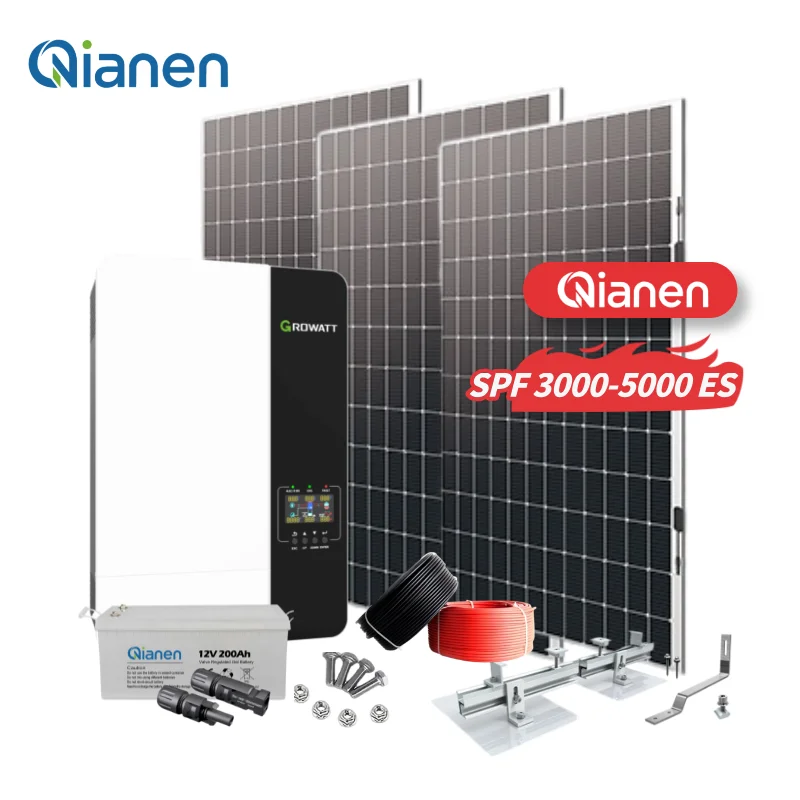
The answer is definitively yes – a well-designed solar system can significantly reduce your dependence on grid electricity, and in many cases, eliminate it entirely. The extent of this reduction depends on several factors including system size, energy consumption patterns, local climate conditions, and whether battery storage is incorporated. Modern solar technology has advanced to the point where complete energy independence is achievable for most residential and commercial applications when properly planned and implemented.
Understanding Solar System Grid Independence Potential
Energy Production Capabilities of Modern Solar Systems
Contemporary solar systems demonstrate remarkable efficiency in converting sunlight into usable electricity, with many installations capable of generating more power than a property consumes during peak production hours. A typical residential solar system ranging from 3kW to 10kW can produce between 12-40 kWh of electricity daily, depending on geographic location and weather conditions. This production capacity often exceeds the daily energy consumption of average households, which typically use 20-30 kWh per day.
The key to maximizing grid independence lies in matching solar system capacity to actual energy needs while accounting for seasonal variations and weather patterns. Professional energy audits help determine optimal system sizing, ensuring that the solar system generates sufficient power throughout the year to minimize grid dependence. Advanced photovoltaic technology continues improving conversion efficiency rates, with modern panels achieving 20-22% efficiency compared to older models that operated at 15-17% efficiency.
Geographic factors play a crucial role in determining how effectively a solar system can reduce grid dependence. Regions with abundant sunshine and favorable solar irradiance levels naturally support higher levels of energy independence. However, even areas with moderate solar resources can achieve significant grid dependence reduction through proper system design and energy management strategies.
Battery Storage Integration for Complete Independence
Battery storage systems represent the critical component that transforms a standard solar system into a comprehensive energy independence solution. Without storage, solar systems can only reduce grid dependence during daylight hours when panels actively generate electricity. Battery integration enables energy storage during peak production periods, making stored solar power available during evening hours, cloudy days, and extended periods of low solar generation.
Modern lithium-ion battery systems offer substantial storage capacity, with residential installations typically ranging from 10kWh to 20kWh of usable storage. This capacity provides 8-12 hours of backup power for essential loads or 4-6 hours for full household operation. When combined with an appropriately sized solar system, battery storage enables complete grid independence for days or even weeks, depending on energy consumption patterns and weather conditions.
The economics of battery storage continue improving as technology advances and costs decline. Current battery systems pay for themselves through reduced electricity bills over 8-12 years, while providing energy security benefits that extend far beyond financial considerations. Smart battery management systems optimize charging and discharging cycles to maximize both grid independence and battery lifespan.
Economic Benefits of Reducing Grid Dependence
Long-term Cost Savings Through Solar Independence
Implementing a solar system to reduce grid dependence delivers substantial long-term financial benefits that compound over the system's 25-30 year operational lifespan. Initial investment costs are typically recovered within 6-10 years through eliminated or drastically reduced electricity bills, after which the system continues generating free electricity for decades. Properties with comprehensive solar systems often eliminate 80-100% of their monthly electricity costs, translating to thousands of dollars in annual savings.
Grid electricity rates continue rising at 2-4% annually in most markets, making solar system investments increasingly valuable over time. A property that achieves 90% grid independence through solar implementation effectively locks in current energy costs for decades while avoiding future rate increases. This protection against utility rate inflation represents a significant hidden benefit that substantially increases the total return on solar system investments.
Net metering programs in many regions allow solar systems to feed excess electricity back into the grid, generating credits that offset nighttime or low-production period consumption. These programs can effectively eliminate electricity bills entirely while maintaining grid connection for backup purposes. However, policies vary by location, making it essential to understand local regulations when planning solar system installations for grid independence.
Property Value Enhancement Through Energy Independence
Properties equipped with solar systems that reduce grid dependence consistently command premium values in real estate markets. Studies indicate that homes with solar installations sell for 3-4% more than comparable properties without renewable energy systems. This premium reflects buyer recognition of reduced operating costs and energy security benefits that solar systems provide to property owners.
Commercial properties benefit even more significantly from solar system installations, as businesses increasingly prioritize sustainability and operational cost control. Office buildings, manufacturing facilities, and retail locations with substantial grid independence through solar system implementation often attract premium tenants willing to pay higher rents for reduced utility costs and environmental benefits.
The marketability advantage extends beyond direct financial benefits, as energy-independent properties appeal to environmentally conscious buyers and businesses seeking to reduce their carbon footprint. This growing market segment particularly values properties that demonstrate energy independence through comprehensive solar system implementation, creating additional demand that supports premium valuations.
Technical Considerations for Grid Independence
System Design Requirements for Maximum Independence
Achieving substantial grid independence through solar system installation requires careful attention to technical specifications and system design parameters. The solar array must be sized appropriately for both daily energy consumption and seasonal variations in solar production. Professional load analysis determines peak power requirements, total energy consumption, and critical loads that must maintain power during grid outages or extended low-solar periods.
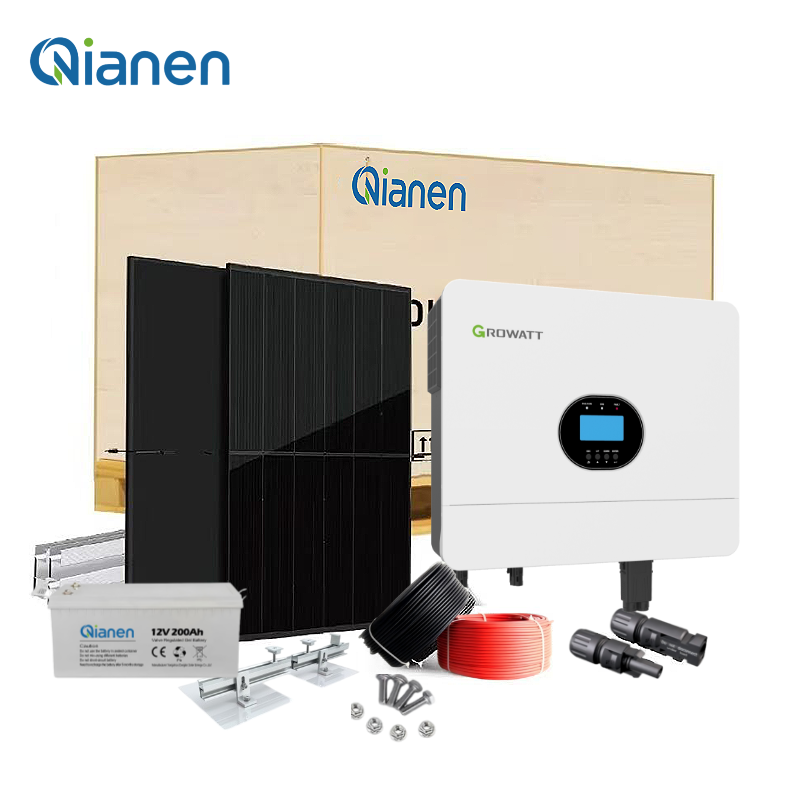
Inverter selection plays a crucial role in maximizing solar system effectiveness for grid independence applications. Hybrid inverters that manage both solar production and battery storage provide optimal integration for systems designed to reduce grid dependence. These advanced inverters automatically prioritize solar power usage, manage battery charging and discharging, and seamlessly transition between grid-tied and off-grid operation modes as needed.
Monitoring and control systems enable real-time optimization of solar system performance for maximum grid independence. Smart energy management systems track production, consumption, and storage levels while automatically adjusting system operation to minimize grid dependence. These systems learn household or business energy patterns and optimize solar system operation to maximize independence while maintaining reliability.
Maintenance and Reliability Factors
Solar systems designed for grid independence require minimal maintenance while delivering exceptional reliability over their operational lifespan. Panel cleaning, inverter monitoring, and battery maintenance represent the primary ongoing requirements for maintaining optimal system performance. Most solar system components carry warranties of 20-25 years, ensuring long-term reliability for grid independence applications.
Battery systems require more active management than solar panels but still offer excellent reliability when properly maintained. Modern lithium-ion batteries used in grid independence applications typically provide 15-20 years of reliable service with minimal degradation. Battery management systems automatically optimize charging and discharging cycles to maximize lifespan while maintaining performance standards.
Preventive maintenance schedules help ensure maximum solar system reliability for grid independence applications. Annual professional inspections verify system performance, identify potential issues before they impact production, and maintain manufacturer warranty coverage. Regular maintenance typically costs less than 1% of system value annually while ensuring optimal performance for decades of grid independence operation.
Environmental and Sustainability Impact
Carbon Footprint Reduction Through Solar Independence
Solar systems that reduce grid dependence deliver substantial environmental benefits by displacing fossil fuel-generated electricity with clean, renewable energy. A typical residential solar system eliminates 3-4 tons of carbon dioxide emissions annually, equivalent to planting 50-75 trees or removing a car from the road for 7,000-9,000 miles. Over the system's 25-year lifespan, carbon footprint reduction totals 75-100 tons of avoided CO2 emissions.
The environmental impact extends beyond direct carbon reduction, as widespread solar system adoption reduces demand for fossil fuel power generation and associated infrastructure. Grid independence through solar implementation helps stabilize electricity demand patterns, reducing the need for peak power generation that typically relies on higher-emission fossil fuel plants. This systemic benefit multiplies the environmental value of individual solar system installations.
Manufacturing energy for solar system components is recovered within 2-4 years of operation through clean energy production, after which systems provide decades of net positive environmental benefit. Modern solar panels and system components incorporate increasing amounts of recycled materials while improving manufacturing efficiency to minimize environmental impact throughout the product lifecycle.
Resource Conservation Benefits
Reducing grid dependence through solar system implementation conserves finite natural resources while supporting sustainable energy development. Solar energy represents an unlimited resource that doesn't require ongoing fuel consumption, water usage for cooling, or transportation infrastructure that characterizes conventional power generation. This resource conservation benefit becomes increasingly valuable as traditional energy resources become more expensive and environmentally problematic to extract.
Water conservation represents a significant but often overlooked benefit of solar system grid independence. Conventional power generation requires substantial water resources for cooling and steam generation, while solar photovoltaic systems require no water for electricity production. Properties that achieve high levels of grid independence through solar implementation indirectly conserve thousands of gallons of water annually that would otherwise support fossil fuel power generation.
The distributed nature of solar system installations reduces transmission losses and infrastructure requirements compared to centralized power generation. Grid independence through local solar production eliminates transmission losses that typically consume 5-8% of generated electricity, effectively increasing overall energy efficiency while reducing infrastructure demands on existing electrical grid systems.
Implementation Strategies for Different Applications
Residential Solar System Grid Independence
Homeowners can achieve varying levels of grid independence through different solar system configurations tailored to specific needs and budgets. Entry-level systems might offset 50-70% of grid consumption, while comprehensive installations with battery storage can eliminate grid dependence entirely for most residential applications. The optimal approach depends on energy consumption patterns, available roof space, local solar resources, and financial objectives.
Phased implementation allows homeowners to gradually increase grid independence as budgets permit and energy needs evolve. Starting with a basic solar system that covers daytime consumption provides immediate benefits while establishing infrastructure for future battery storage additions. This approach spreads investment costs over time while delivering incremental grid independence improvements at each phase.
Smart home integration enhances solar system effectiveness for grid independence by automatically managing energy consumption based on solar production and battery storage levels. Programmable appliances, water heaters, and HVAC systems can prioritize operation during peak solar production hours, maximizing utilization of solar-generated electricity while minimizing grid dependence throughout the day.
Commercial and Industrial Applications
Commercial properties often present excellent opportunities for solar system grid independence due to high daytime energy consumption that aligns well with solar production patterns. Office buildings, manufacturing facilities, and retail locations can achieve substantial grid independence while benefiting from economies of scale that reduce per-kilowatt installation costs compared to residential applications.
Industrial applications frequently require larger solar systems with specialized design considerations for heavy electrical loads and continuous operation requirements. These installations may incorporate multiple inverter systems, commercial-grade battery storage, and backup generator integration to ensure reliable power supply while maximizing grid independence. The substantial energy consumption of industrial facilities often justifies comprehensive solar system investments that deliver complete grid independence.
Agricultural applications represent another significant opportunity for solar system grid independence, particularly for irrigation, livestock facilities, and processing operations. Rural properties often face higher electricity costs and less reliable grid infrastructure, making solar system independence both economically attractive and operationally beneficial for agricultural businesses seeking stable, predictable energy costs.
FAQ
How much can a solar system reduce my electricity bill?
A properly sized solar system can reduce electricity bills by 70-100%, depending on energy consumption patterns, local solar resources, and system configuration. Most residential installations eliminate 80-95% of monthly electricity costs, while commercial systems often achieve complete bill elimination during favorable weather periods. Systems with battery storage provide additional savings by reducing peak demand charges and time-of-use rate impacts.
What size solar system do I need to achieve grid independence?
Solar system size for grid independence depends on daily energy consumption, local solar irradiance, and desired backup duration. A typical residential property consuming 30 kWh daily would require a 6-8kW solar system with 15-20kWh battery storage for reliable grid independence. Professional energy analysis determines optimal system sizing based on historical consumption data, local weather patterns, and specific independence objectives.
Can a solar system work during power outages?
Solar systems with battery storage and appropriate inverter technology continue operating during power outages, providing complete grid independence when needed most. Standard grid-tied systems without storage automatically shut down during outages for safety reasons. Hybrid systems with battery backup maintain power to essential loads or entire properties during extended outages, depending on battery capacity and energy consumption management.
How long do solar systems last for grid independence applications?
Solar panels typically maintain 80-90% of original capacity after 25-30 years of operation, while inverters and battery systems require replacement every 10-15 years. Most solar system components carry extensive warranties and deliver decades of reliable service for grid independence applications. Regular maintenance ensures optimal performance throughout the system's operational lifespan, supporting long-term energy independence objectives.