EN
EN

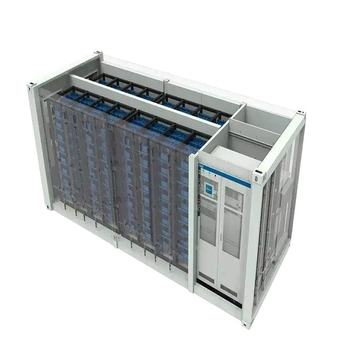
Industrial energy storage systems have become a fundamental requirement for modern businesses seeking operational efficiency and long-term sustainability. As global energy demands continue to rise and power supply chains face increasing strain, industrial energy storage systems offer a strategic solution that enables organizations to manage electricity consumption, reduce operational costs, and maintain reliable power availability. The transition toward renewable energy integration and grid modernization has made industrial energy storage systems indispensable for industries ranging from manufacturing to data centers. Understanding the critical role of industrial energy storage systems helps business leaders make informed decisions about energy infrastructure investments.
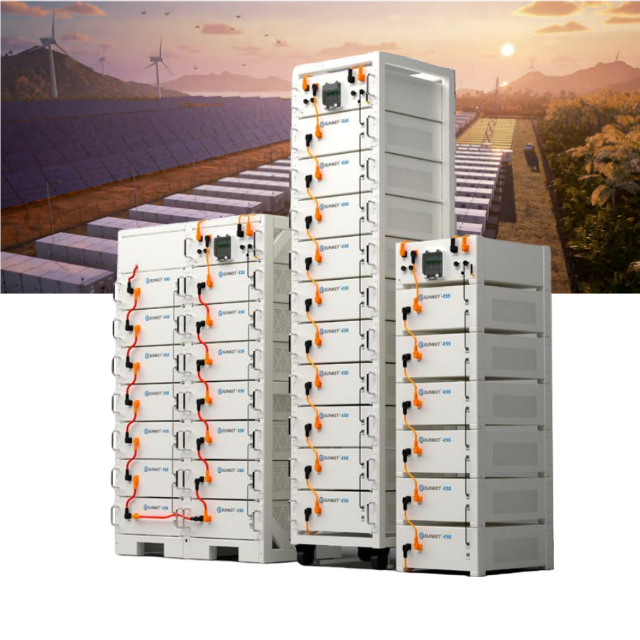
The deployment of industrial energy storage systems directly addresses core business challenges such as peak demand management, backup power security, and energy cost volatility. Organizations that implement industrial energy storage systems gain a competitive advantage by reducing their dependence on grid-supplied electricity during high-rate periods and leveraging stored energy during times of peak demand. Industrial energy storage systems also support the integration of renewable energy sources like solar and wind, enabling businesses to maximize clean energy utilization while maintaining operational continuity.
Operational Efficiency and Peak Demand Management
Reducing Peak Demand Charges
Peak demand charges represent a significant portion of industrial electricity bills, often accounting for 30 to 70 percent of total energy costs. Industrial energy storage systems mitigate these charges by storing energy during off-peak hours and discharging it during periods of high demand. This demand-shifting capability allows facilities to flatten their load profile, thereby reducing the maximum power draw from the grid. By lowering peak demand, industrial energy storage systems directly decrease utility bills and improve overall energy economics for businesses. Many industrial facilities have reported substantial savings within the first year of deploying industrial energy storage systems.
Enhancing Grid Support Services
Industrial energy storage systems provide ancillary services that strengthen grid stability and resilience. These systems can rapidly respond to frequency fluctuations, voltage variations, and sudden supply disruptions by injecting or absorbing power within milliseconds. The response capability of industrial energy storage systems makes them valuable assets for grid operators managing renewable energy variability. Businesses investing in industrial energy storage systems often qualify for compensation programs that reward grid support services. This dual benefit model—operational savings plus grid service revenue—accelerates the return on investment for industrial energy storage systems.
Renewable Energy Integration and Sustainability Goals
Maximizing Solar and Wind Deployment
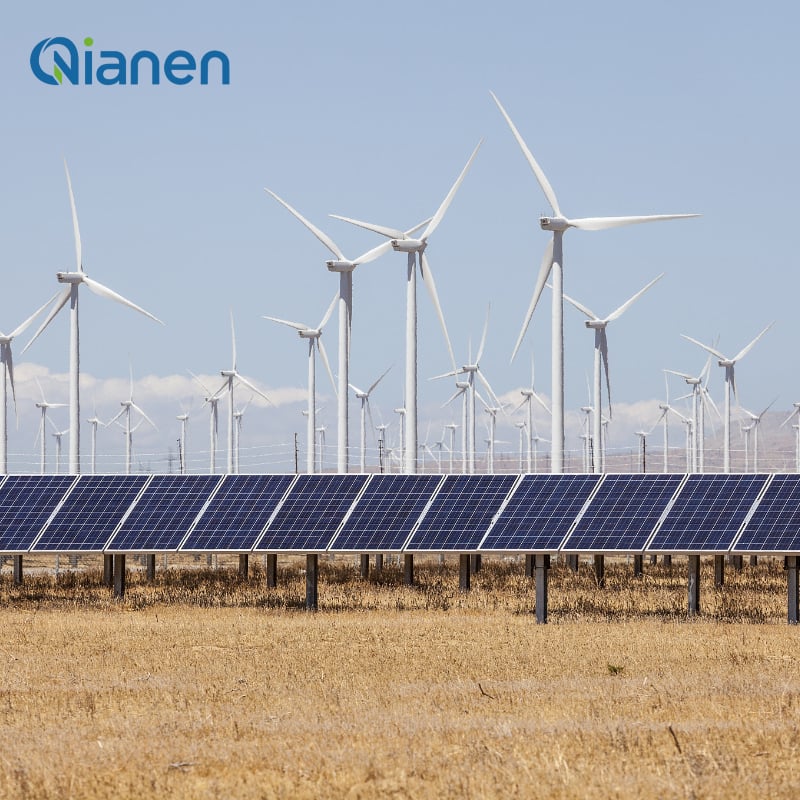
The intermittency of renewable energy sources creates timing mismatches between energy generation and facility demand. Industrial energy storage systems bridge this gap by capturing excess solar generation during daylight hours and releasing stored energy when production declines. For wind-powered operations, industrial energy storage systems accumulate energy during high-wind periods and provide consistent power supply during calm conditions. This integration approach allows businesses to achieve higher renewable energy penetration rates without compromising operational reliability. Many industrial facilities now pair solar arrays or wind turbines directly with industrial energy storage systems to create resilient, self-sufficient power networks.
Meeting Corporate Sustainability Commitments
Corporate net-zero pledges and sustainability initiatives increasingly require measurable reductions in carbon emissions from operations. Industrial energy storage systems enable businesses to transition away from diesel generators and grid-based fossil fuels toward cleaner energy pathways. By coupling industrial energy storage systems with renewable generation, organizations achieve substantial carbon footprint reductions while maintaining power reliability. The environmental benefits of industrial energy storage systems align with stakeholder expectations and regulatory requirements for emissions reduction. Many jurisdictions now offer incentives and tax credits specifically for businesses deploying industrial energy storage systems as part of their sustainability strategies.
Reliability, Resilience, and Business Continuity
Backup Power During Grid Outages
Grid outages pose significant financial and operational risks to industrial businesses, potentially costing thousands of dollars per minute of downtime. Industrial energy storage systems provide autonomous backup power that maintains critical operations during utility disruptions. Unlike traditional backup generators that require startup time and fuel replenishment, industrial energy storage systems deliver instantaneous power to sensitive equipment and essential processes. The seamless transition capability of industrial energy storage systems prevents data loss, production stoppages, and equipment damage that would otherwise result from sudden power loss. Businesses operating in regions with unreliable grid infrastructure particularly benefit from the rapid response characteristics of industrial energy storage systems.
Protecting Against Frequency and Voltage Instabilities
Power quality variations, including voltage sags and frequency deviations, damage sensitive industrial equipment and disrupt production processes. Industrial energy storage systems maintain voltage stability and frequency regulation through real-time power injection and absorption. These stabilization functions prevent costly equipment failures and production interruptions that would otherwise require emergency repairs. The protective capability of industrial energy storage systems extends asset lifespan by shielding machinery from electrical stress. Many facilities report reduced maintenance costs and improved equipment reliability after installing industrial energy storage systems.
FAQ
What is the typical payback period for industrial energy storage systems?
Most industrial energy storage systems achieve financial payback within 5 to 10 years through a combination of demand charge reduction, time-of-use energy arbitrage, and grid service compensation. Payback timelines vary based on local electricity rates, facility load profiles, available incentives, and the scale of industrial energy storage systems deployment. Businesses operating in regions with high peak demand charges and strong incentive programs often achieve payback periods of 3 to 5 years. Long-term value from industrial energy storage systems continues beyond payback as systems mature.
How do industrial energy storage systems integrate with existing solar installations?
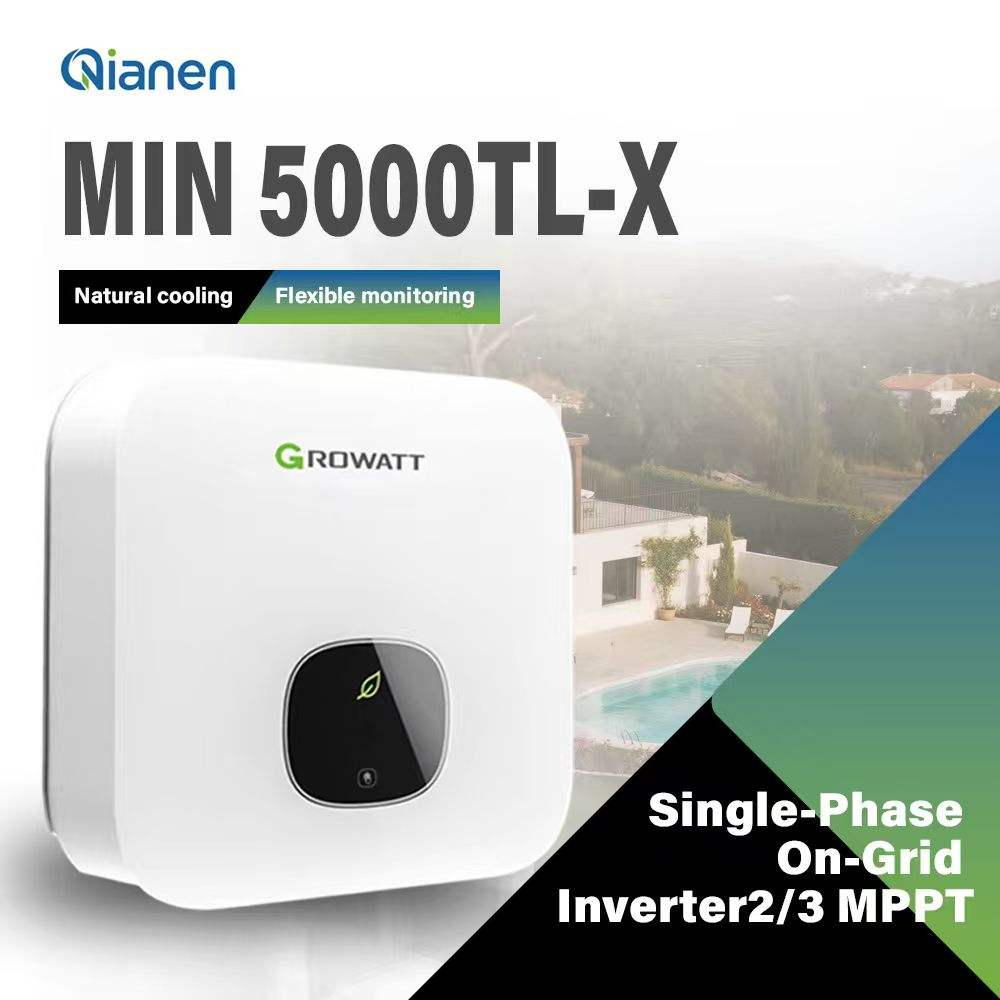
Industrial energy storage systems connect to existing solar arrays through hybrid inverters that manage charging during peak solar generation and discharge during evening peak periods or cloudy conditions. This integration allows facilities to maximize solar self-consumption and achieve energy independence without upgrading the solar system itself. Many businesses retrofit industrial energy storage systems to previously installed solar systems without significant additional infrastructure investment. The integration of industrial energy storage systems with solar installations typically requires system assessment and design modifications to optimize performance.
Are industrial energy storage systems eligible for government incentives and tax credits?
Many jurisdictions offer investment tax credits, accelerated depreciation, and rebate programs specifically designed to support industrial energy storage systems deployment. Eligibility depends on location, system size, battery chemistry, and whether the industrial energy storage systems meet specific performance criteria defined by regulatory agencies. Businesses should consult with energy consultants and tax professionals to identify available incentive programs for their industrial energy storage systems projects. Government support for industrial energy storage systems continues to expand as energy policy increasingly prioritizes grid modernization and emissions reduction.