EN
EN

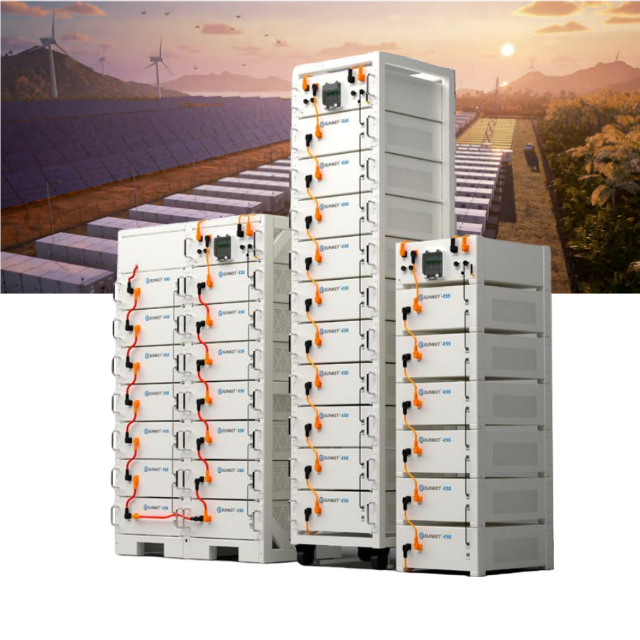
Industrial energy storage systems represent one of the most transformative technologies reshaping how modern enterprises manage power, optimize operations, and achieve sustainability goals. These sophisticated solutions store electrical energy during periods of low demand and release it when needed, fundamentally changing the economics and reliability of industrial operations. Industrial energy storage systems enable manufacturers, data centers, mining operations, and utilities to reduce peak energy costs, maintain uninterrupted production during grid disturbances, and integrate renewable energy sources seamlessly into their operations. Understanding how industrial energy storage systems work and their strategic applications has become essential for industrial leaders seeking competitive advantages in an increasingly power-constrained world.
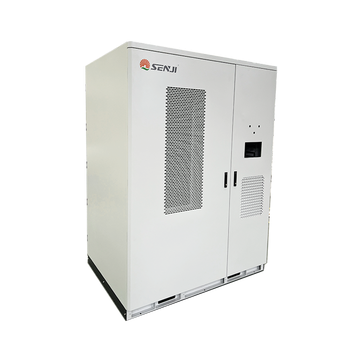
The deployment of industrial energy storage systems is accelerating across industries because they directly address critical operational challenges that traditional power infrastructure cannot solve alone. Manufacturing facilities face unpredictable demand spikes that strain grid capacity and trigger expensive demand charges. Renewable energy adoption creates intermittency challenges that industrial energy storage systems resolve with precision timing and reliability. Critical infrastructure operators require backup power solutions that exceed the capabilities of conventional diesel generators. Industrial energy storage systems deliver on all these fronts simultaneously, making them indispensable for forward-thinking industrial operations.
How Industrial Energy Storage Systems Enable Operational Resilience
Peak Demand Management and Cost Reduction
Industrial energy storage systems transform how facilities manage peak demand charges, which often represent 30 to 50 percent of total electricity costs for power-intensive operations. When industrial energy storage systems discharge during peak demand windows, they reduce the peak power draw registered on utility meters, directly lowering demand charges. This capability is particularly valuable for manufacturing plants with variable production schedules, pharmaceutical facilities with refrigeration demands, and data centers with compute workload variations. Industrial energy storage systems allow facility managers to flatten their demand profile, achieving predictable energy costs and eliminating surprise billing spikes. The financial impact compounds over multiple years, with many industrial operations recovering initial capital investments within five to seven years.
Grid Disturbance Protection and Production Continuity
Power quality issues—voltage sags, frequency deviations, and momentary outages—disrupt industrial production lines and damage sensitive equipment. Industrial energy storage systems respond to these disturbances in milliseconds, maintaining voltage and frequency stability that diesel generators cannot match. This instantaneous response capability makes industrial energy storage systems superior to conventional backup power for protecting precision manufacturing, semiconductor fabrication, and advanced medical device production. Production continuity directly translates to revenue protection; a single unplanned outage in a modern industrial facility can cost hundreds of thousands of dollars in lost output and customer penalties. Industrial energy storage systems provide this protection with zero fuel consumption and minimal maintenance overhead.
Strategic Integration of Renewable Energy Through Industrial Energy Storage Systems
Solar and Wind Complementarity
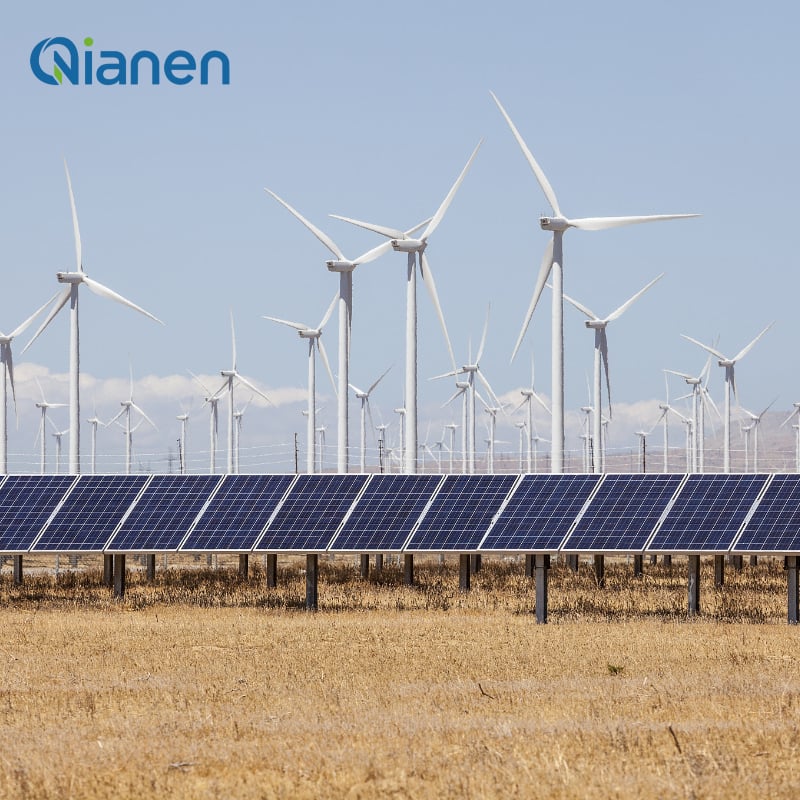
Industrial energy storage systems have transformed the economics of on-site renewable energy adoption by solving the intermittency problem that previously limited deployment. Facilities with rooftop solar installations can now use industrial energy storage systems to capture solar energy generated during peak sun hours and deploy it during evening production shifts or cloudy days. This temporal shifting dramatically improves the effective utilization of renewable capacity and reduces reliance on grid electricity during high-cost periods. Industrial energy storage systems paired with wind resources provide similar benefits, storing excess generation during high-wind periods for use during calm conditions. The combination of industrial energy storage systems and renewables creates energy independence that protects industrial operations from grid volatility and fuel price escalation.
Load Shifting and Time-of-Use Optimization
Many utilities offer time-of-use electricity rates that charge premium prices during peak hours and discounted rates during off-peak periods. Industrial energy storage systems enable facilities to arbitrage these rate differences by purchasing and storing inexpensive electricity during off-peak windows and consuming stored energy during expensive peak windows. This load-shifting capability is particularly effective in regions with pronounced rate differentials between on-peak and off-peak periods. Sophisticated industrial energy storage systems include advanced controls that optimize charging and discharging schedules based on real-time rate signals, weather forecasts, and production schedules. The financial benefits accumulate monthly, providing continuous revenue optimization that traditional facilities cannot achieve.
Industry-Specific Applications Powered by Industrial Energy Storage Systems
Manufacturing and Process Industries
Food and beverage production, chemical processing, and metal fabrication facilities depend on reliable power for continuous operations. Industrial energy storage systems protect these operations from grid disturbances while reducing energy costs through peak demand management. In semiconductor manufacturing, where process interruptions can cause batch losses worth millions, industrial energy storage systems provide the millisecond-level response that ensures process continuity. Textile manufacturing, paper production, and automotive assembly benefit equally from the operational resilience that industrial energy storage systems deliver. The compounding financial benefits—from avoided downtime, reduced demand charges, and improved renewable integration—make industrial energy storage systems financially attractive across manufacturing sectors.
Data Centers and Critical Infrastructure
Data centers, telecommunications facilities, and emergency services depend on uninterrupted power availability that exceeds typical utility service levels. Industrial energy storage systems provide rapid response backup power that complements or replaces traditional diesel generators, offering faster startup times and reduced fuel logistics complexity. Mission-critical facilities increasingly deploy industrial energy storage systems as primary backup solutions because they eliminate startup delays and provide indefinite runtime when paired with renewable generation. Emergency response centers, hospitals, and water treatment facilities gain critical resilience advantages from industrial energy storage systems deployment. The combination of instantaneous response, zero emissions, and operational simplicity makes industrial energy storage systems the preferred choice for infrastructure operators prioritizing reliability above all other factors.
Economic and Environmental Impact of Industrial Energy Storage Systems
Total Cost of Ownership and Financial Returns
Modern industrial energy storage systems deliver attractive financial returns that justify capital investment across diverse operating environments. The combination of peak demand reduction, energy arbitrage benefits, and avoided outage costs creates multiple revenue streams that accelerate return on investment. Advanced industrial energy storage systems now qualify for federal investment tax credits and state-level incentive programs in many jurisdictions, reducing net capital requirements. Facility managers who implement industrial energy storage systems typically achieve positive cash flow within three to five years, with benefits extending across ten to fifteen-year system lifespans. Conservative financial analysis of industrial energy storage systems consistently demonstrates competitive returns compared to alternative capital deployment options, making them increasingly attractive to industrial capital allocation committees.
Sustainability and Emissions Reduction
Industrial energy storage systems accelerate corporate sustainability objectives by enabling renewable energy integration and reducing reliance on grid electricity generated from fossil fuels. Facilities that deploy industrial energy storage systems with on-site solar or wind generation achieve significant scope two emissions reductions that support net-zero commitments. Industrial energy storage systems eliminate backup generator operation for routine peak demand management, eliminating diesel fuel consumption and associated emissions. The environmental benefit compounds as regional electrical grids incorporate increasing renewable generation; industrial energy storage systems deployed today will support cleaner electricity consumption as grid decarbonization progresses. Sustainability-focused industrial operations increasingly view industrial energy storage systems as essential infrastructure for achieving corporate environmental targets.
FAQ
What is the typical lifespan of industrial energy storage systems?
Modern lithium-based industrial energy storage systems typically deliver ten to fifteen years of reliable operation under normal industrial conditions, with some systems exceeding twenty years in moderate-use applications. The actual lifespan depends on depth-of-discharge cycles, operating temperature range, and maintenance protocols. Most industrial energy storage systems retain 70 to 80 percent of initial capacity after ten years, still supporting productive operational use. Reputable vendors provide ten-year warranties on industrial energy storage systems, reflecting manufacturer confidence in component longevity and reliability. Facility managers should prioritize industrial energy storage systems from vendors offering extended warranty coverage and documented field performance data.
Can industrial energy storage systems work with existing electrical infrastructure?
Yes, industrial energy storage systems integrate seamlessly with existing electrical systems through standardized interconnection protocols and bidirectional power electronics. Most facilities require relatively modest electrical upgrades to accommodate industrial energy storage systems, typically limited to new breakers and control wiring. Advanced industrial energy storage systems include sophisticated inverters that synchronize with facility electrical systems and grid connections, automatically managing power flow based on programmed priorities. Many industrial energy storage systems can be retrofitted into existing facilities without major infrastructure modifications. Professional engineering assessment confirms site-specific interconnection requirements and optimizes industrial energy storage systems placement for maximum operational benefit.
How do industrial energy storage systems improve grid stability for utilities?
Industrial energy storage systems provide fast-response frequency regulation and voltage support that stabilize electrical grids during periods of high demand or sudden generation changes. When utilities deploy industrial energy storage systems aggregated across multiple facilities, they create virtual power plants that respond to grid conditions milliseconds faster than conventional generation resources. Distributed industrial energy storage systems reduce transmission congestion by meeting local demand without importing power from distant generation facilities. Many utilities incentivize or directly invest in industrial energy storage systems deployment as cost-effective alternatives to building new transmission infrastructure. Facility operators who participate in utility demand response and grid services programs can monetize industrial energy storage systems capabilities while improving system-wide reliability.
Table of Contents
- How Industrial Energy Storage Systems Enable Operational Resilience
- Strategic Integration of Renewable Energy Through Industrial Energy Storage Systems
- Industry-Specific Applications Powered by Industrial Energy Storage Systems
- Economic and Environmental Impact of Industrial Energy Storage Systems
- FAQ