EN
EN

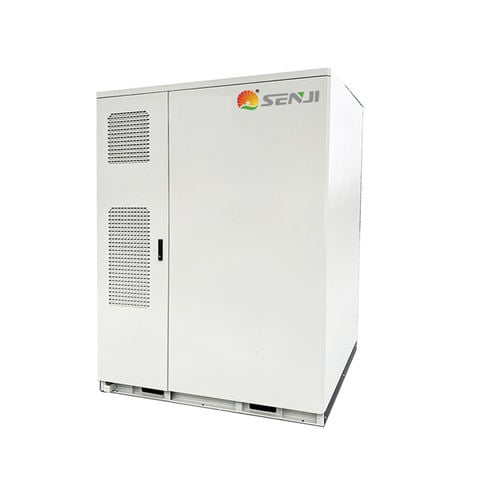
Power outages and energy fluctuations pose significant risks to industrial operations, threatening productivity, equipment damage, and revenue loss. Industrial energy storage systems have emerged as critical infrastructure solutions that enhance energy reliability by storing electrical power during periods of abundance and releasing it during demand peaks or supply interruptions. These sophisticated systems bridge the gap between energy generation and consumption, ensuring continuous power availability even when grid supply becomes unstable or intermittent.
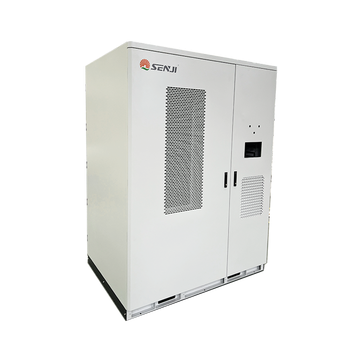
The fundamental value of industrial energy storage systems lies in their ability to decouple power generation timing from power consumption timing. Rather than relying solely on real-time grid supply, manufacturing facilities, data centers, and processing plants can draw stored energy reserves during critical moments, eliminating voltage sags, frequency deviations, and complete power loss scenarios that would otherwise halt operations and compromise service delivery.
How Industrial Energy Storage Systems Stabilize Power Supply
Voltage and Frequency Regulation Through Energy Buffering
Industrial energy storage systems function as intelligent buffers that actively regulate electrical characteristics within acceptable operating ranges. When grid voltage dips or frequency deviates from nominal specifications, these systems inject stored energy instantly, counteracting the disturbance before it propagates through sensitive equipment. Advanced industrial energy storage systems employ real-time monitoring and automated response protocols, delivering corrective power within milliseconds—far faster than conventional backup generators that require startup delays.
The immediate response capability of modern industrial energy storage systems prevents cascading failures across interconnected machinery and prevents data loss in mission-critical computing environments. Unlike mechanical backup systems, electrochemical energy storage technologies respond instantaneously to grid disturbances, ensuring continuous operation even during brief interruptions that would otherwise trigger emergency shutdown procedures.
Peak Load Management and Grid Demand Response
Peak electricity demand periods create stress on utility grids and trigger elevated energy rates that substantially increase operational costs for industrial consumers. Industrial energy storage systems enable facilities to reduce their peak power draw by releasing stored energy during high-demand windows, flattening their load profile and qualifying for time-of-use billing incentives. This demand response capability simultaneously improves grid stability by reducing strain during peak periods when generation capacity operates near maximum utilization.
By strategically deploying industrial energy storage systems, facility managers can shift consumption patterns, reduce coincident peak charges, and participate in utility demand response programs that provide additional revenue streams. The cumulative effect of distributed industrial energy storage systems across multiple industrial sites strengthens overall grid resilience while lowering operational expenses for participating facilities.
Renewable Energy Integration and Intermittency Management
Decoupling Renewable Generation From Load Requirements
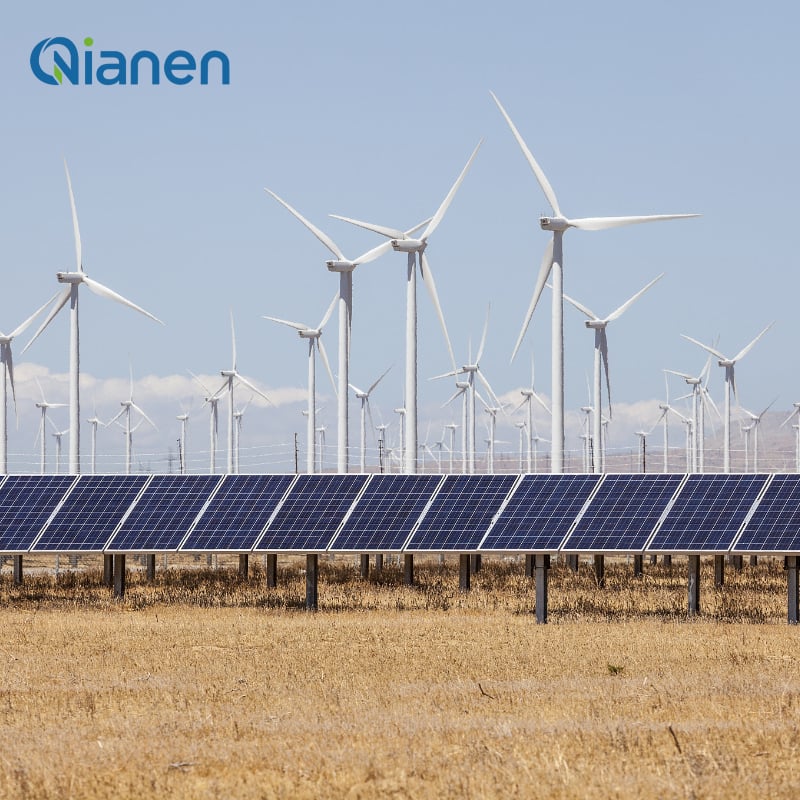
Renewable energy sources such as solar and wind introduce inherent intermittency challenges, as generation output fluctuates with weather conditions and diurnal cycles rather than following facility demand patterns. Industrial energy storage systems address this variability by capturing excess renewable generation during optimal weather conditions and releasing stored energy when renewable output declines. This temporal decoupling enables industrial facilities to operate nearly continuously on renewable power without accepting the unreliability associated with direct renewable dependence.
The integration of industrial energy storage systems with on-site solar or wind installations creates a hybrid microgrid capable of island operation during grid outages. Facilities can maintain critical processes using exclusively renewable and stored power, dramatically reducing grid dependence and improving operational autonomy. This architecture particularly benefits remote locations, facilities facing grid reliability challenges, and operations requiring uninterrupted continuous production.
Extended Duration and Seasonal Energy Availability
Industrial energy storage systems with sufficient capacity can bridge multi-hour or multi-day renewable generation gaps, extending renewable energy utilization far beyond what instantaneous matching would permit. Longer-duration industrial energy storage systems capture midday solar overproduction for nighttime consumption, enabling 24-hour facility operation powered predominantly by renewable sources with minimal grid interaction.
Seasonal variations become manageable through strategic industrial energy storage systems dimensioning, where summer solar overproduction can be stored and accessed during winter months when renewable output typically declines. This approach substantially increases the renewable energy fraction within industrial facilities' total energy portfolios, reducing purchased grid electricity and associated carbon emissions while improving energy price predictability.
Equipment Protection and Downtime Prevention
Immediate Power Continuity During Grid Faults
Grid faults, utility equipment failures, and unexpected outages create genuine hazards for sensitive industrial equipment and process continuity. Industrial energy storage systems provide instantaneous backup power, preventing equipment shutdown that would normally occur during momentary supply interruptions. Unlike diesel generators requiring start-up sequences, electrochemical industrial energy storage systems energize critical loads within single-cycle duration, bridging the gap until conventional backup systems activate or grid supply restores.
This seamless transition capability protects expensive manufacturing equipment from the thermal stress and mechanical shock associated with unexpected power loss. Critical process controllers, safety systems, and cooling equipment continue operating during grid disturbances, preventing product loss, equipment damage, and dangerous operational conditions that would otherwise result from abrupt power interruption.
Reduced Maintenance Downtime and Extended Equipment Lifespan
Frequent power interruptions and voltage variations accelerate equipment degradation, shortening component lifespan and increasing maintenance frequency for industrial machinery. Industrial energy storage systems minimize equipment exposure to grid disturbances through consistent power supply, substantially extending mean time between failures for critical components and reducing unscheduled maintenance events.
The reliability improvement delivered by industrial energy storage systems translates directly into measurable cost savings through reduced emergency service calls, fewer component replacements, and extended capital equipment lifecycles. Facilities operating in regions with historically unreliable grid infrastructure benefit most dramatically from industrial energy storage systems, as the investment quickly recovers through avoided downtime costs and extended equipment service life.
FAQ
What capacity of industrial energy storage systems do typical manufacturing facilities require?
Facility capacity requirements depend on critical load magnitude, desired autonomy duration, and renewable energy generation capacity. Most industrial facilities benefit from industrial energy storage systems sized to provide 2–4 hours of continuous critical load power, with larger capacities supporting full facility operation or extended grid independence. Professional energy audits quantify optimal industrial energy storage systems sizing based on specific operational requirements, facility load profiles, and available renewable resources.
How do industrial energy storage systems improve grid reliability for surrounding communities?
Distributed industrial energy storage systems reduce peak grid demand, stabilize voltage and frequency, and provide rapid response to grid disturbances that would otherwise propagate widely. When multiple industrial facilities deploy industrial energy storage systems, the cumulative impact strengthens overall grid resilience and reduces the likelihood of widespread blackouts. Utility programs increasingly compensate facilities for providing these grid services through demand response incentives and ancillary service payments.
Can industrial energy storage systems replace traditional backup generators entirely?
While industrial energy storage systems provide superior response time and instantaneous power availability, most facilities maintain hybrid architectures combining industrial energy storage systems with backup generators for extended outage durations. Industrial energy storage systems handle brief grid disturbances and peak periods efficiently, while generators support prolonged outages lasting beyond storage system autonomy. This complementary approach optimizes reliability, cost-effectiveness, and operational flexibility.