EN
EN

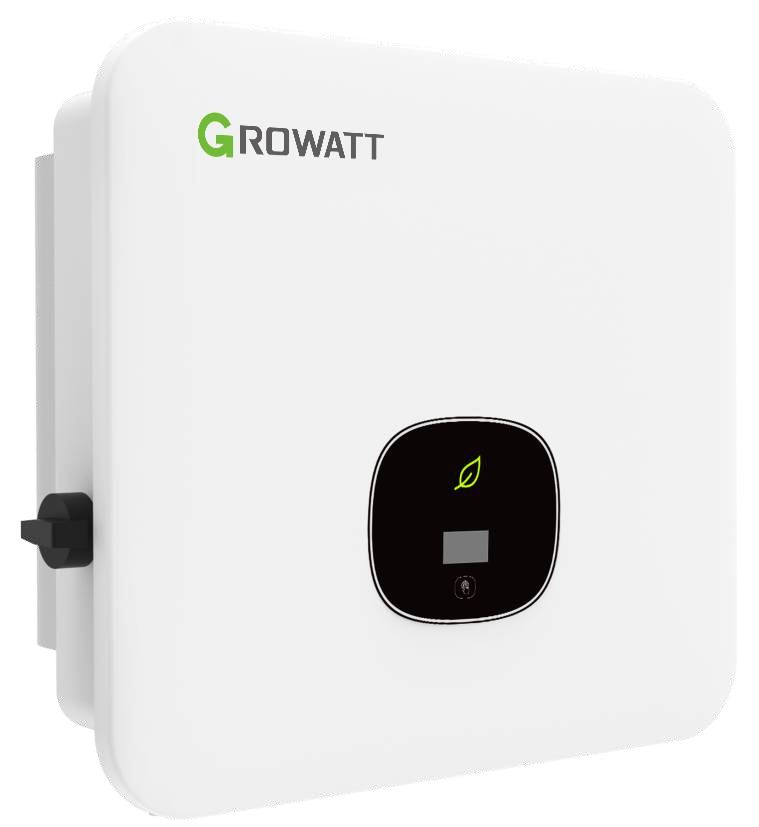
A hybrid inverter represents one of the most versatile solutions for modern residential energy management. Unlike traditional string inverters or microinverters, a hybrid inverter combines solar power conversion, battery charging and discharging, and grid integration into a single intelligent device. Understanding the key applications of a hybrid inverter in homes reveals why homeowners increasingly choose this technology to maximize energy independence, reduce electricity costs, and ensure reliable backup power during outages. A hybrid inverter seamlessly switches between solar generation, battery storage, and grid supply, creating an adaptive energy ecosystem tailored to household consumption patterns.
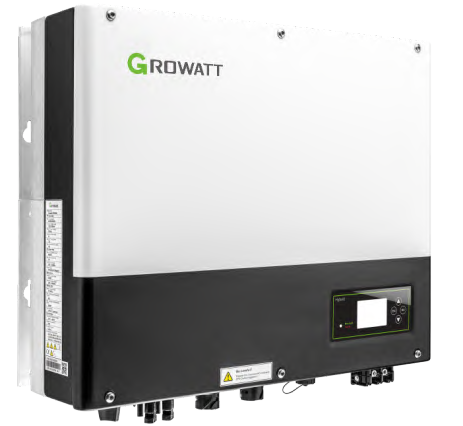
The applications of a hybrid inverter extend far beyond simple solar energy conversion. Modern homes benefit from the multi-functional capabilities that a hybrid inverter provides, particularly in regions with variable electricity rates, frequent power disruptions, or unstable grid infrastructure. By deploying a hybrid inverter, homeowners gain the flexibility to store excess solar energy during peak generation hours, consume that stored energy during high-cost peak periods, and maintain critical loads during grid failures. This article explores the essential applications of a hybrid inverter in residential environments, demonstrating how this technology transforms energy consumption, improves grid interaction, and strengthens home energy resilience.
Energy Storage and Demand Shifting
Storing Excess Solar Generation
One of the primary applications of a hybrid inverter is managing excess solar energy through intelligent battery storage. During midday hours when solar panel output peaks, residential solar systems often generate more power than the home consumes. A hybrid inverter captures this surplus energy and directs it to connected battery systems, typically lithium or lead-acid configurations. This stored energy becomes available during evening hours, early morning periods, or cloudy days when solar generation drops but household demand remains constant. By maximizing self-consumption through a hybrid inverter, homeowners dramatically reduce their dependence on grid-supplied electricity, leading to substantial monthly energy bill reductions.
Time-of-Use Rate Optimization
Utility companies in many regions employ time-of-use (TOU) pricing structures that charge significantly higher rates during peak demand periods, typically between 4 PM and 9 PM. A hybrid inverter enables homeowners to exploit this pricing structure by discharging battery reserves during expensive peak hours and recharging during off-peak periods when rates drop. This application of a hybrid inverter essentially allows households to arbitrage electricity costs by shifting consumption away from expensive time windows. The intelligence embedded in a hybrid inverter scheduling algorithms automatically optimizes charge and discharge cycles based on TOU rate schedules, minimizing energy expenses without requiring manual intervention or behavioral changes.
Backup Power and Grid Independence
Seamless Transition During Power Outages
Power outages pose significant challenges to modern households dependent on continuous electricity supply. A hybrid inverter provides automatic seamless backup power protection by instantly detecting grid failures and switching to battery-stored energy without disruption. This critical application of a hybrid inverter ensures that essential loads like refrigeration, medical equipment, lighting, water pumps, and communication devices continue operating throughout outages. The transition typically occurs within milliseconds, preventing data loss and protecting sensitive electronics. Advanced hybrid inverter models include multiple output circuits that prioritize critical loads, ensuring battery reserves are conserved for truly essential devices rather than non-essential consumption during extended outages.
Extended Off-Grid Capability
Homeowners in remote locations or those pursuing energy independence benefit from another key application of a hybrid inverter: enabling complete off-grid living. A hybrid inverter with substantial battery storage capacity can power entire households independently of utility grids for extended periods. By combining solar generation, battery reserves, and advanced load management, a hybrid inverter maintains stable power supply regardless of grid availability. This application appeals particularly to properties where grid connection is technically infeasible or economically prohibitive, rural estates, and homeowners philosophically committed to energy autonomy.
Grid Support and Energy Management
Load Leveling and Peak Shaving
A hybrid inverter's load leveling capability represents an increasingly valuable application as residential electricity consumption patterns evolve. Air conditioning units, electric vehicle charging, and heat pumps create significant demand spikes that strain grid infrastructure and trigger higher demand charges on utility bills. A hybrid inverter moderates these peaks by strategically deploying stored battery energy, maintaining household power draw within steadier bands. This peak shaving application of a hybrid inverter reduces demand charges, extends equipment lifespans by preventing thermal stress, and contributes to overall grid stability during high-demand periods. Large-scale adoption of this hybrid inverter functionality could substantially reduce utility infrastructure expansion requirements.
Grid Interaction and Smart Demand Response
Modern hybrid inverter systems increasingly incorporate smart grid communication capabilities that enable utilities to manage demand through direct signals to connected hybrid inverter devices. This application of a hybrid inverter transforms individual homes into participants in grid demand response programs, where the hybrid inverter temporarily adjusts charging schedules or discharges battery reserves during critical grid stress periods. Participating homeowners typically receive financial incentives for providing this virtual power plant service. A hybrid inverter equipped with these capabilities creates a distributed network of residential energy resources that utilities can coordinate to maintain grid stability, preventing blackouts and deferring expensive infrastructure upgrades.
FAQ
What size hybrid inverter do I need for my home?
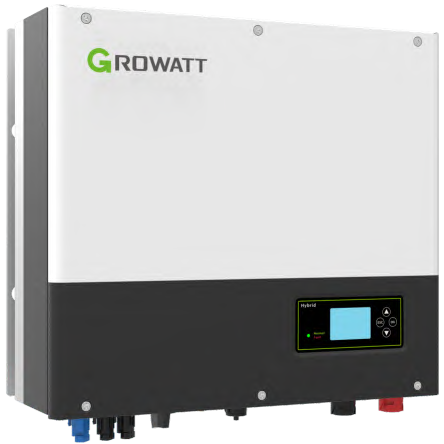
Hybrid inverter sizing depends on your peak household power consumption and solar array capacity. A hybrid inverter should have a continuous power rating equal to or exceeding your maximum simultaneous load. Most residential applications utilize hybrid inverter units rated between 3 kW and 10 kW, though larger homes may require higher-capacity hybrid inverter systems. Consultation with qualified solar installers ensures proper hybrid inverter dimensioning for your specific consumption patterns and generation capacity.
Can a hybrid inverter work without solar panels?
Yes, a hybrid inverter functions effectively in battery-only configurations where the home remains grid-connected but operates without solar generation. In this scenario, a hybrid inverter charges batteries during off-peak hours when electricity rates are lowest, then discharges stored energy during expensive peak periods. This application of a hybrid inverter proves particularly valuable for homeowners in regions with substantial TOU rate differentials who cannot install solar panels due to shading, structural limitations, or aesthetic preferences.
How long do hybrid inverter systems typically last?
Quality hybrid inverter units generally provide 10 to 15 years of reliable operation under normal conditions, with some manufacturers offering extended warranties covering 20 years or longer. Actual hybrid inverter lifespan depends on installation quality, environmental conditions, maintenance practices, and component grade. Battery systems paired with the hybrid inverter typically have shorter lifespans, requiring replacement every 10 to 15 years depending on battery chemistry and usage patterns. Regular monitoring and professional maintenance maximize hybrid inverter longevity and performance.