EN
EN
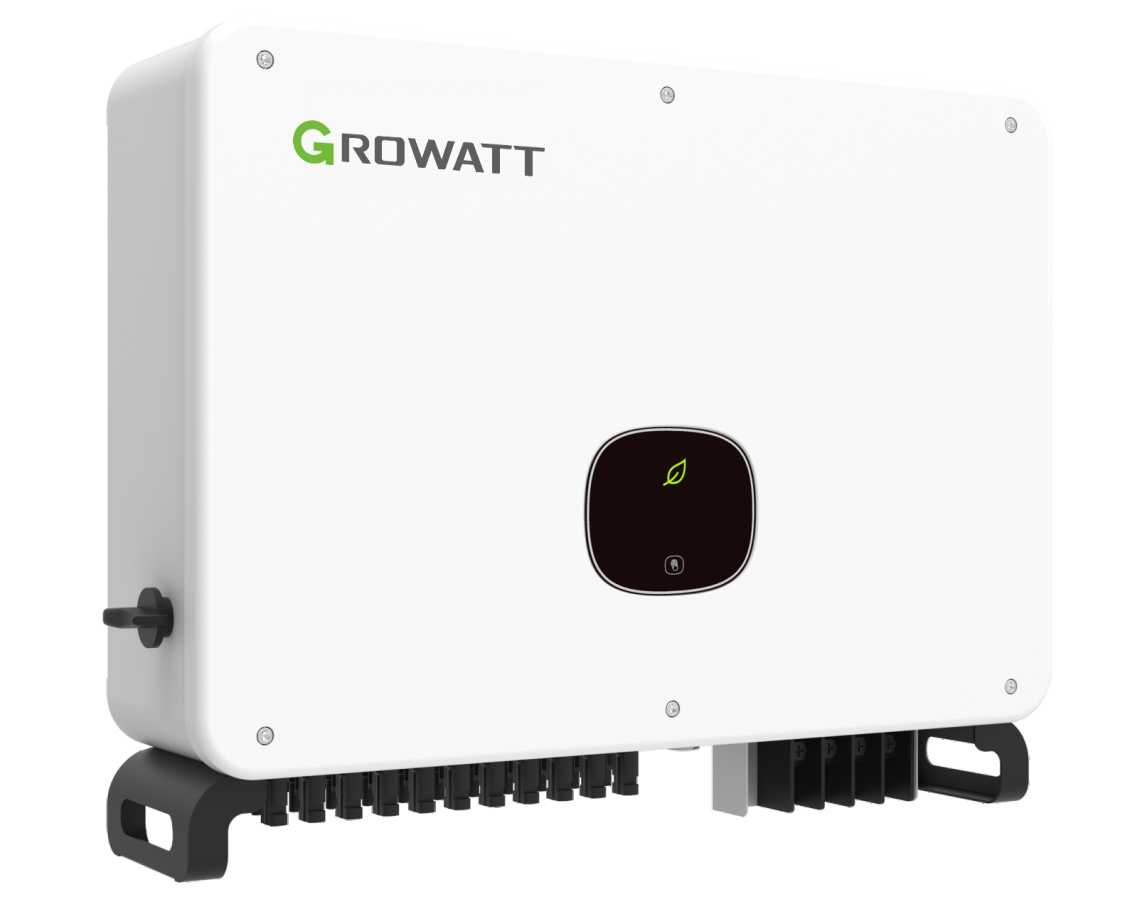
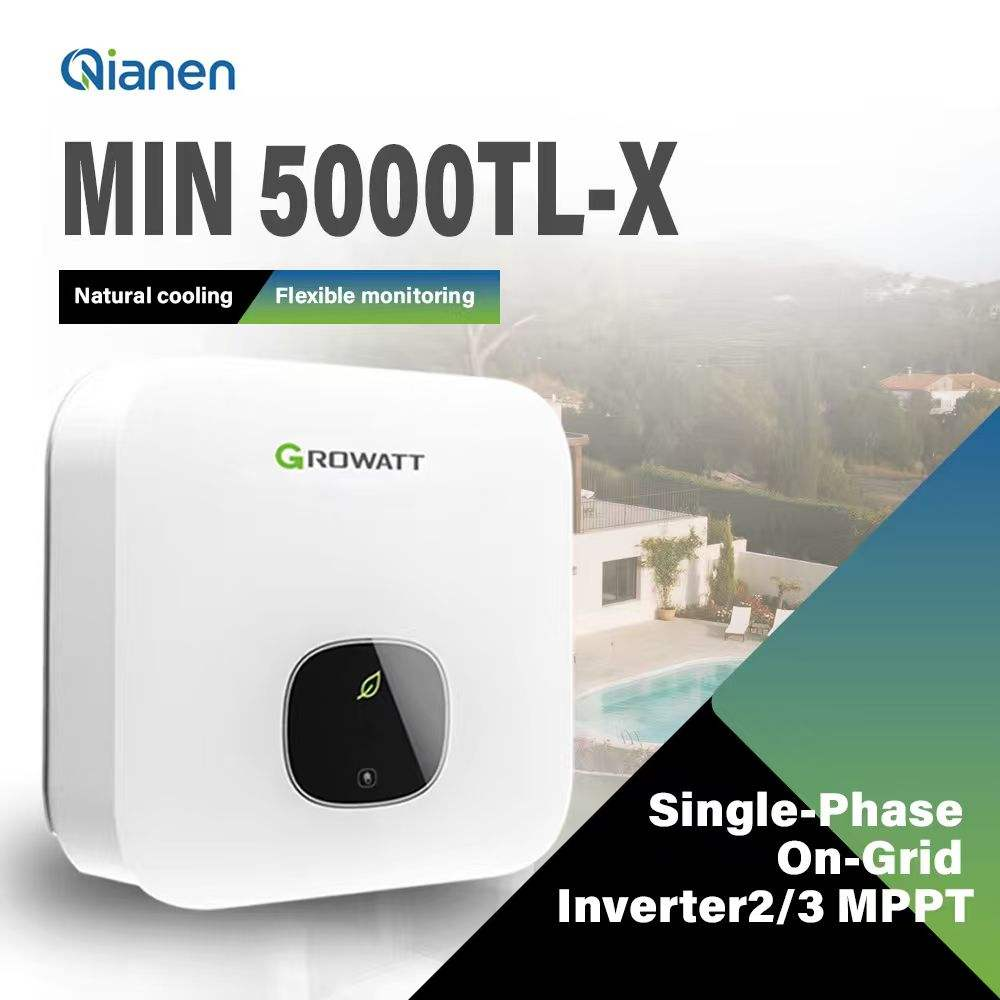
Solar energy systems have revolutionized the way we harness renewable power, transforming sunlight into usable electricity for homes and businesses worldwide. At the heart of every solar power system lies a critical component that often goes unnoticed but plays an indispensable role in energy conversion. A solar inverter serves as the essential bridge between solar panels and your electrical appliances, converting the direct current generated by photovoltaic cells into alternating current that powers your home. Understanding the functionality and importance of this device is crucial for anyone considering solar energy adoption or seeking to optimize their existing solar installation.
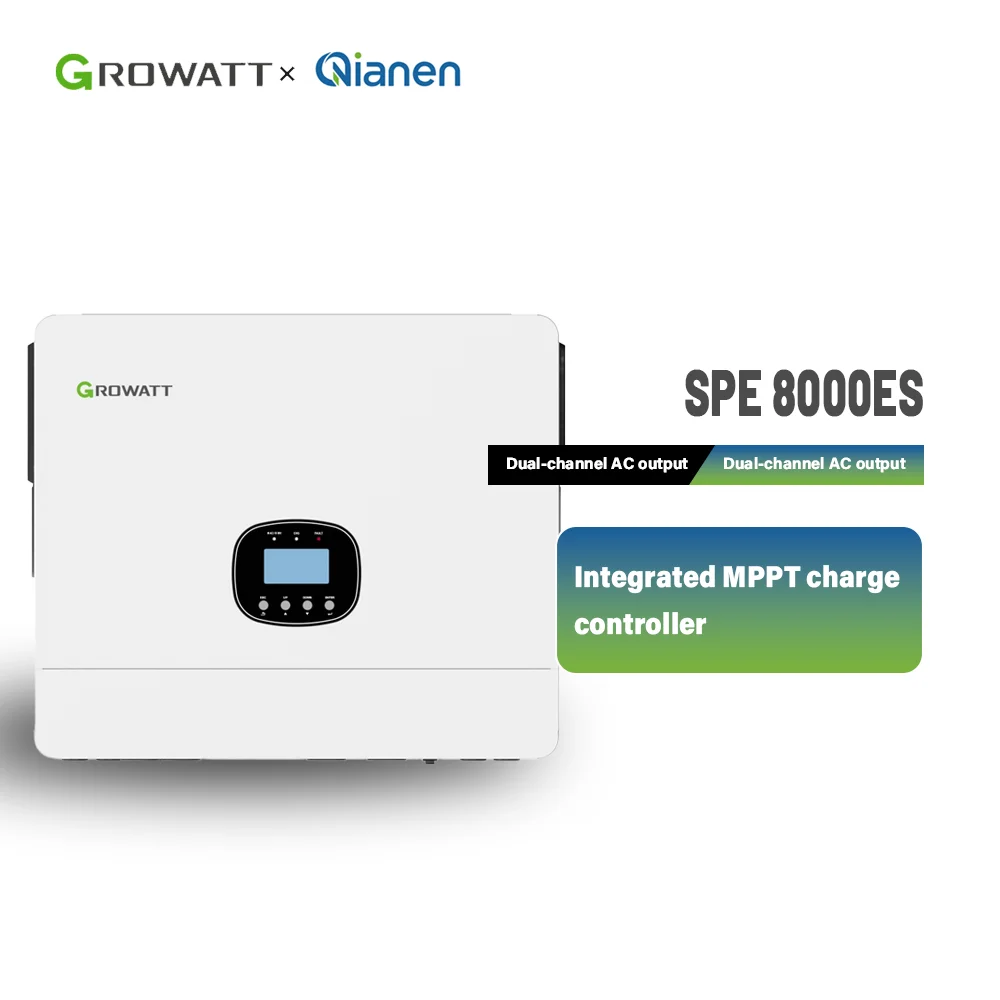
Understanding Solar Inverter Fundamentals
The Basic Conversion Process
The primary function of a solar inverter centers on electrical conversion, transforming the direct current electricity produced by solar panels into alternating current electricity suitable for household use. Solar panels generate DC power when photons strike photovoltaic cells, creating an electrical flow that moves in one direction. However, most residential and commercial electrical systems operate on AC power, which alternates direction multiple times per second. The solar inverter performs this critical conversion through sophisticated electronic circuits that switch the DC current rapidly back and forth, creating the alternating pattern required by standard electrical appliances.
Modern solar inverter technology incorporates advanced power electronics that ensure efficient conversion while maintaining electrical safety standards. The conversion process involves multiple stages, including DC voltage conditioning, high-frequency switching, and AC output filtering. During voltage conditioning, the solar inverter stabilizes incoming DC power from solar panels, accounting for variations in sunlight intensity throughout the day. The high-frequency switching stage uses transistors or similar components to rapidly alternate the current direction, while output filtering smooths the resulting waveform to match utility grid specifications.
Types and Categories
Solar inverter systems come in several distinct categories, each designed for specific applications and installation requirements. String inverters represent the most common type, connecting multiple solar panels in series to create a string configuration. These units typically handle the combined output of 6-12 solar panels and offer cost-effective solutions for residential installations with consistent shading conditions. Central inverters serve larger commercial and utility-scale projects, managing the power output from hundreds or thousands of solar panels through centralized conversion systems.
Power optimizers and microinverters provide panel-level conversion and monitoring capabilities, addressing shading issues and maximizing energy harvest from individual solar panels. Each solar panel equipped with a microinverter operates independently, eliminating the performance impact of shading or panel degradation on the entire system. Hybrid inverters combine traditional solar conversion functions with battery storage capabilities, enabling energy storage and backup power functionality during grid outages or peak demand periods.
Technical Specifications and Performance Metrics
Efficiency Ratings and Power Output
The efficiency rating of a solar inverter directly impacts the overall performance and economic viability of a solar energy system. Modern high-quality units typically achieve conversion efficiencies between 95% and 98%, meaning minimal energy loss during the DC to AC conversion process. Peak efficiency occurs under optimal operating conditions, while weighted efficiency ratings provide more realistic performance expectations across varying load conditions throughout the day. California Energy Commission efficiency standards have become industry benchmarks, incorporating real-world operating conditions into performance calculations.
Power output specifications define the maximum AC power that a solar inverter can deliver to the electrical system. Sizing considerations must account for the total DC capacity of connected solar panels, local climate conditions, and electrical code requirements. Oversizing the solar array relative to inverter capacity, known as DC-to-AC ratio optimization, can improve energy yield by capturing more power during low-light conditions while accepting minor clipping losses during peak sun hours. This approach maximizes the economic value of the solar installation over its operational lifetime.
Grid Integration and Safety Features
Grid-tied solar inverter systems must comply with strict utility interconnection standards and safety protocols to ensure reliable operation and worker protection. Anti-islanding protection represents a critical safety feature that automatically disconnects the solar system from the utility grid during power outages, preventing dangerous back-feeding that could endanger utility workers. Voltage and frequency monitoring capabilities enable the solar inverter to maintain synchronization with grid parameters while responding to utility commands for grid support functions.
Advanced grid support features in modern solar inverter designs include reactive power control, voltage regulation, and frequency response capabilities that enhance grid stability and reliability. Smart inverter functionality enables two-way communication between the solar system and utility infrastructure, supporting grid modernization initiatives and distributed energy resource management. Ground fault detection and arc fault protection features provide additional safety measures, automatically shutting down the system when electrical faults are detected to prevent fire hazards or electrical shock risks.
Installation and System Integration Considerations
Sizing and Placement Requirements
Proper solar inverter sizing requires careful analysis of multiple factors including solar array capacity, local weather patterns, electrical loads, and future expansion plans. The DC input voltage range of the solar inverter must accommodate the voltage characteristics of the connected solar panel string under all operating conditions, from cold morning startups to hot afternoon peak temperatures. String voltage calculations must consider the number of panels in series, their temperature coefficients, and local climate extremes to ensure safe and reliable operation throughout the system lifetime.
Installation location significantly affects solar inverter performance and longevity, requiring consideration of ambient temperature, ventilation, accessibility, and protection from weather elements. Indoor installations typically provide better temperature control and protection but may require additional ventilation for heat dissipation. Outdoor installations must use appropriate enclosure ratings for moisture and dust protection while ensuring adequate clearance for convection cooling. Proximity to electrical service panels minimizes AC wiring costs and voltage drop losses, improving overall system efficiency.
Monitoring and Maintenance Systems
Comprehensive monitoring capabilities enable solar system owners to track performance, identify issues, and optimize energy production from their solar inverter systems. Real-time monitoring displays provide instant feedback on power generation, energy yield, and system status, while historical data logging enables long-term performance analysis and troubleshooting. Advanced monitoring platforms integrate weather data, utility rate information, and predictive analytics to maximize the economic value of solar energy production.
Preventive maintenance protocols extend solar inverter lifespan and maintain optimal performance throughout the system warranty period. Regular inspection schedules should include visual checks for physical damage, electrical connection tightness, and cooling system cleanliness. Filter replacement, firmware updates, and performance verification testing help identify potential issues before they impact system operation. Professional maintenance services can provide comprehensive system analysis, thermal imaging inspections, and electrical testing to ensure continued safe and efficient operation.
Economic Benefits and Return on Investment
Energy Production Optimization
The quality and features of a solar inverter directly influence the energy production and economic returns of a solar installation over its 20-25 year operational lifetime. Maximum Power Point Tracking technology optimizes energy harvest by continuously adjusting operating parameters to match solar panel output characteristics under varying environmental conditions. Advanced MPPT algorithms can increase energy production by 15-25% compared to basic solar inverter designs, significantly improving the return on investment for solar system owners.
Real-time performance optimization features enable solar inverter systems to adapt to changing conditions throughout the day, maximizing energy capture during periods of variable cloud cover or partial shading. String-level and panel-level monitoring capabilities help identify underperforming components quickly, enabling prompt maintenance interventions to restore full system capacity. These optimization features translate directly into increased energy production and higher economic returns over the system lifetime.
Long-term Reliability and Warranty Considerations
Solar inverter reliability directly impacts the long-term economic viability of solar energy investments, making quality selection and warranty coverage critical factors in system design decisions. Industry-leading manufacturers typically provide 10-25 year product warranties, with some offering extended warranty options for additional protection. Mean Time Between Failure ratings and field reliability data provide insights into expected performance and maintenance requirements over the system operational lifetime.
Component quality and design robustness affect solar inverter reliability under real-world operating conditions including temperature cycling, humidity exposure, and electrical stress from grid disturbances. Proven track records in similar climate conditions and installation environments provide confidence in long-term performance expectations. Professional installation and regular maintenance further enhance reliability while protecting warranty coverage and ensuring optimal return on investment throughout the system lifetime.
Future Technology Trends and Innovations
Smart Grid Integration and Energy Storage
Next-generation solar inverter technology incorporates advanced smart grid capabilities and energy storage integration to support evolving utility infrastructure and consumer energy needs. Bidirectional power flow capabilities enable solar inverter systems to both consume and supply power to the electrical grid, supporting vehicle-to-grid applications and distributed energy resource management. Machine learning algorithms optimize energy storage charging and discharging cycles to maximize economic value while providing grid support services during peak demand periods.
Vehicle electrification and home energy management systems create new opportunities for solar inverter innovation, with integrated charging capabilities and load management features becoming increasingly important. Solar-plus-storage systems require sophisticated power management algorithms to balance solar production, battery charging, load consumption, and grid interaction in real-time. These advanced capabilities position solar inverter technology at the center of the distributed energy transition and smart home automation trends.
Efficiency Improvements and Cost Reduction
Ongoing research and development in solar inverter technology focuses on efficiency improvements, cost reduction, and enhanced functionality to accelerate solar energy adoption worldwide. Wide bandgap semiconductor materials such as silicon carbide and gallium nitride enable higher switching frequencies and improved efficiency while reducing component size and weight. These technological advances support more compact solar inverter designs with higher power density and lower installation costs.
Manufacturing scale economies and technological maturity continue to drive solar inverter cost reductions, making solar energy more accessible to residential and commercial customers globally. Standardization of communication protocols and safety standards enables greater competition and innovation while reducing system integration complexity. These trends support continued growth in solar energy deployment and strengthen the economic case for renewable energy investments across diverse market segments.
FAQ
How long do solar inverters typically last
Solar inverters typically last 10-15 years under normal operating conditions, though many modern units are designed for 20-25 year lifespans with proper maintenance. The lifespan depends on factors including component quality, operating temperature, electrical stress levels, and maintenance frequency. High-quality solar inverter systems with robust designs and comprehensive warranties often exceed their rated lifespan when installed and maintained properly.
Can a solar inverter work during power outages
Standard grid-tied solar inverters automatically shut down during power outages for safety reasons, preventing dangerous back-feeding to utility workers. However, hybrid solar inverter systems with battery storage or special backup-enabled units can provide power during outages through islanding capabilities. These systems create an isolated electrical circuit that can power critical loads while maintaining safety isolation from the utility grid.
What size solar inverter do I need for my home
Solar inverter sizing depends on your total solar panel capacity, electrical load requirements, and local installation codes. Generally, the inverter AC capacity should match or slightly exceed your solar array DC capacity, though some installations benefit from oversizing the array by 10-30% to improve energy yield. Professional system designers consider factors including panel specifications, shading conditions, temperature effects, and future expansion plans to determine optimal solar inverter sizing.
How much maintenance does a solar inverter require
Solar inverters require minimal maintenance compared to other solar system components, typically involving visual inspections, performance monitoring, and occasional cleaning of ventilation areas. Most maintenance tasks can be performed by system owners, including checking display readings, ensuring adequate ventilation clearance, and monitoring energy production data. Professional maintenance every 2-3 years may include electrical testing, firmware updates, and comprehensive system performance verification to ensure continued optimal operation.