EN
EN

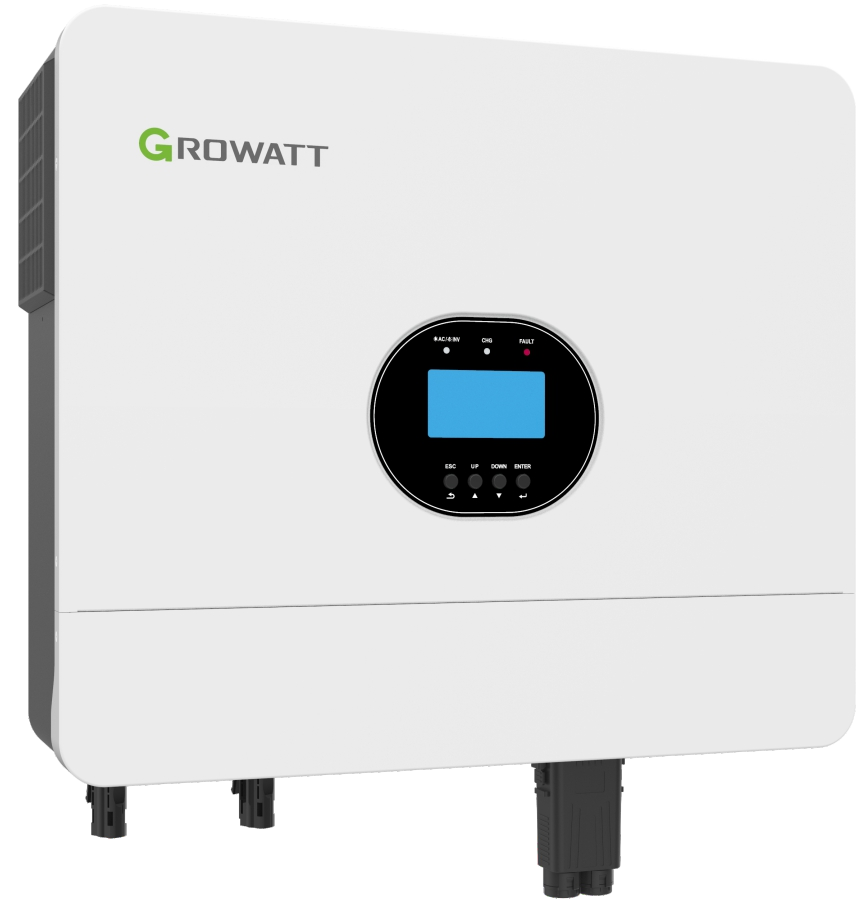
Modern renewable energy systems depend heavily on efficient power conversion technology to maximize electricity generation from solar panels. A solar inverter serves as the critical bridge between direct current solar panel output and alternating current electrical systems used in homes and businesses. Understanding how these devices enhance energy conversion efficiency helps property owners make informed decisions about their solar installations and optimize their return on investment.
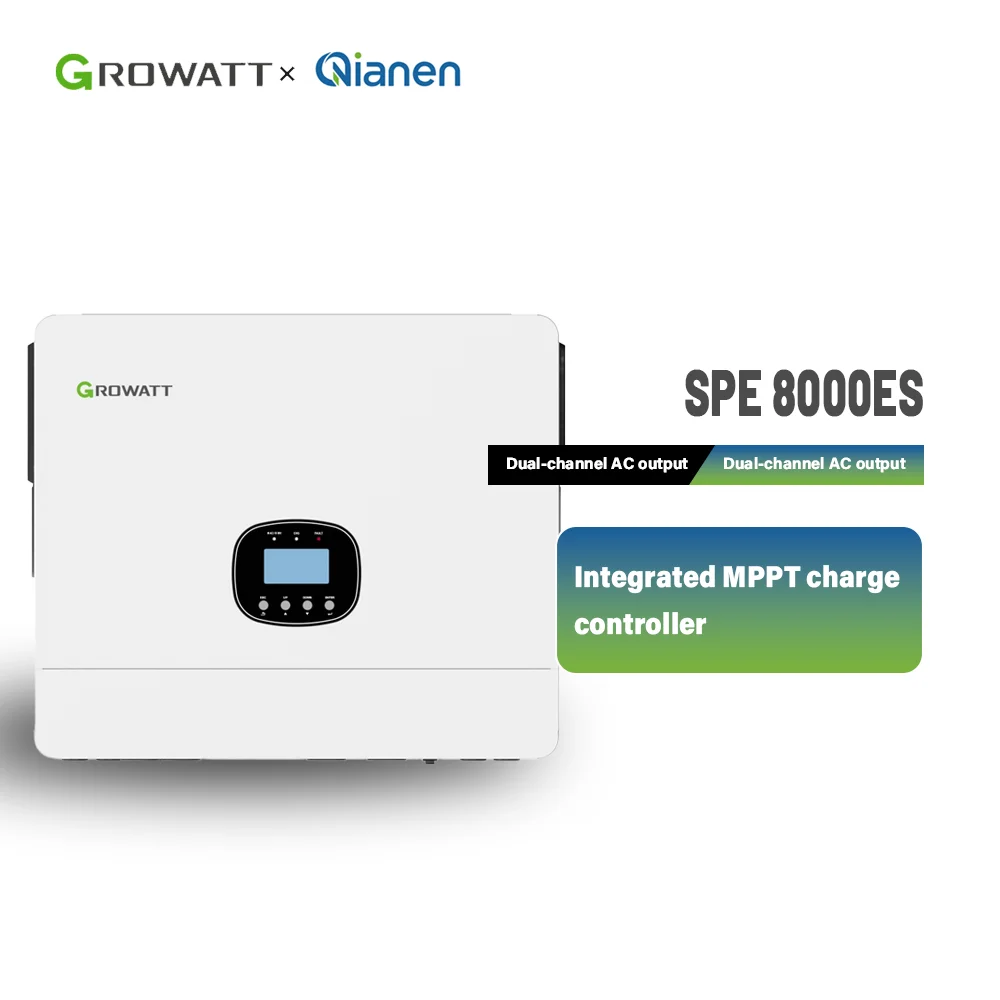
Fundamental Principles of Solar Energy Conversion
Direct Current to Alternating Current Transformation
Solar panels generate direct current electricity when photovoltaic cells absorb sunlight and release electrons. However, residential and commercial electrical systems operate on alternating current power, creating a fundamental compatibility issue. The solar inverter addresses this challenge by converting DC electricity into AC power through sophisticated electronic switching circuits and filtering systems.
This conversion process involves rapid switching of the DC input through power semiconductors, creating a stepped waveform that approximates an AC sine wave. Advanced solar inverter models use pulse width modulation techniques to produce clean, stable AC output that matches grid specifications for voltage, frequency, and harmonic content. The efficiency of this conversion directly impacts the amount of usable electricity generated from solar panel arrays.
Maximum Power Point Tracking Technology
Environmental conditions constantly affect solar panel performance, with factors like shading, temperature fluctuations, and varying irradiance levels changing the optimal operating point throughout the day. Maximum Power Point Tracking technology built into modern solar inverter systems continuously monitors panel output and adjusts operating parameters to extract maximum available power under any conditions.
MPPT algorithms analyze the voltage-current characteristics of connected solar panels and automatically adjust the load impedance to maintain operation at the maximum power point. This dynamic optimization can increase energy harvest by fifteen to thirty percent compared to systems without MPPT functionality, especially during partial shading or suboptimal weather conditions.
Advanced Efficiency Enhancement Features
Grid-Tie Synchronization and Power Quality
Grid-connected solar systems require precise synchronization with utility power to ensure safe and efficient operation. The solar inverter monitors grid voltage, frequency, and phase relationships to maintain perfect synchronization while injecting clean power into the electrical system. Advanced power factor correction and harmonic filtering ensure that the AC output meets strict utility interconnection standards.
High-efficiency models incorporate sophisticated control algorithms that minimize power losses during the synchronization process. These systems can achieve conversion efficiencies exceeding ninety-eight percent under optimal conditions, ensuring that virtually all available solar energy reaches end users or feeds back into the electrical grid for credit programs.
Thermal Management and Component Optimization
Heat generation during power conversion represents the primary source of efficiency losses in solar inverter systems. Excessive temperatures reduce semiconductor performance, increase internal resistance, and accelerate component degradation over time. Modern units incorporate advanced thermal management strategies including optimized heat sink designs, intelligent cooling fans, and strategic component placement to maintain optimal operating temperatures.
Premium solar inverter models utilize wide bandgap semiconductors like silicon carbide and gallium nitride that operate efficiently at higher temperatures while generating less waste heat. These advanced materials enable more compact designs with improved power density and extended operational lifespans, contributing to better long-term system performance and reduced maintenance requirements.
Smart Monitoring and Performance Optimization
Real-Time Data Analytics and Remote Monitoring
Contemporary solar inverter technology includes integrated communication capabilities that enable comprehensive system monitoring and performance analysis. WiFi connectivity, cellular modems, and ethernet interfaces allow property owners and installers to access detailed operational data including power generation, efficiency metrics, and fault diagnostics from anywhere with internet access.
These monitoring systems track energy production patterns, identify underperforming components, and provide predictive maintenance alerts that help maintain peak efficiency throughout the system's operational lifetime. Historical data analysis reveals seasonal performance trends and helps optimize system configuration for maximum energy harvest under local environmental conditions.
Automated Fault Detection and Safety Systems
Advanced solar inverter platforms incorporate multiple layers of protection and diagnostic capabilities that prevent damage and maintain safe operation under all conditions. Ground fault detection, arc fault protection, and rapid shutdown capabilities ensure compliance with electrical safety codes while protecting personnel and property from electrical hazards.
Intelligent fault detection algorithms continuously monitor system parameters and can isolate problematic sections while maintaining power generation from unaffected areas. This selective protection minimizes energy losses during maintenance operations and extends overall system availability for maximum electricity production.
Installation Considerations for Optimal Efficiency
Proper Sizing and Configuration
Selecting the appropriate solar inverter capacity and configuration significantly impacts overall system efficiency and performance. Undersized units operate near maximum capacity limits, reducing efficiency and accelerating wear, while oversized models may operate inefficiently at low power levels during poor weather conditions or seasonal variations.
Professional system designers consider factors including panel array size, local climate patterns, shading analysis, and electrical load requirements when specifying solar inverter equipment. Proper sizing ensures optimal efficiency across the full range of operating conditions while providing adequate capacity for future system expansion or increased electrical demands.
Environmental Factors and Location Selection
Installation location significantly affects solar inverter performance and longevity. Units installed in direct sunlight, poorly ventilated areas, or locations exposed to moisture and contaminants experience reduced efficiency and shorter operational lifespans. Professional installers select mounting locations that provide adequate ventilation, protection from weather extremes, and convenient access for maintenance operations.
Ambient temperature ratings, ingress protection levels, and altitude limitations must be considered during site selection to ensure reliable operation under local environmental conditions. Proper installation practices including secure mounting, appropriate electrical connections, and compliance with local codes maximize system efficiency and minimize long-term maintenance requirements.
Economic Benefits of High-Efficiency Solar Inverters
Return on Investment Analysis
High-efficiency solar inverter technology represents a critical investment in maximizing the economic benefits of solar energy systems. While premium units may command higher initial costs, improved conversion efficiency, extended warranties, and reduced maintenance requirements typically provide superior long-term value compared to basic models.
Energy production improvements of even small percentage points compound over the system's operational lifetime, potentially generating thousands of dollars in additional electricity savings or grid feed-in credits. Professional financial analysis considering local utility rates, incentive programs, and system performance projections helps property owners select the most cost-effective solar inverter solutions for their specific applications.
Utility Integration and Grid Services
Advanced solar inverter capabilities enable participation in utility grid services programs that provide additional revenue streams beyond basic electricity generation. Smart inverter functions including voltage regulation, frequency response, and reactive power support help stabilize electrical grids while generating compensation for system owners.
These grid support capabilities become increasingly valuable as renewable energy penetration increases and utilities seek distributed resources to maintain system stability. Solar inverter systems equipped with advanced grid integration features position property owners to benefit from evolving utility programs and regulatory frameworks that reward grid-supportive renewable energy installations.
FAQ
What efficiency rating should I look for in a solar inverter
Look for solar inverter models with efficiency ratings above ninety-six percent, with premium units achieving ninety-eight percent or higher efficiency. The CEC weighted efficiency rating provides the most accurate representation of real-world performance under varying load conditions. Higher efficiency ratings translate directly to increased electricity production and better return on investment over the system's operational lifetime.
How often does a solar inverter require maintenance
Modern solar inverter systems typically require minimal maintenance, with professional inspections recommended every two to three years. Most maintenance involves visual inspections, cleaning air filters, checking electrical connections, and reviewing monitoring data for performance trends. High-quality units with proper installation can operate reliably for fifteen to twenty years with minimal intervention.
Can I upgrade my existing solar inverter to improve efficiency
Upgrading an existing solar inverter can significantly improve system efficiency and add smart monitoring capabilities. However, compatibility with existing solar panels, electrical infrastructure, and local codes must be carefully evaluated. Professional assessment helps determine whether inverter replacement provides adequate benefits compared to the investment required for system upgrades.
What impact does shading have on solar inverter efficiency
Partial shading can dramatically reduce solar inverter efficiency in systems without proper mitigation strategies. MPPT technology and power optimizers help minimize shading losses, while microinverter or DC optimizer configurations can isolate shaded panels from affecting the entire system. Professional shade analysis during system design helps optimize panel placement and inverter selection for maximum efficiency under site-specific conditions.