EN
EN

Installing a solar system represents one of the most significant long-term investments property owners can make for sustainable energy independence and financial prosperity. The decision to transition to solar energy extends far beyond immediate environmental considerations, encompassing decades of cumulative benefits that compound over time. Understanding these long-term advantages helps homeowners and businesses make informed decisions about their energy infrastructure and financial planning strategies.
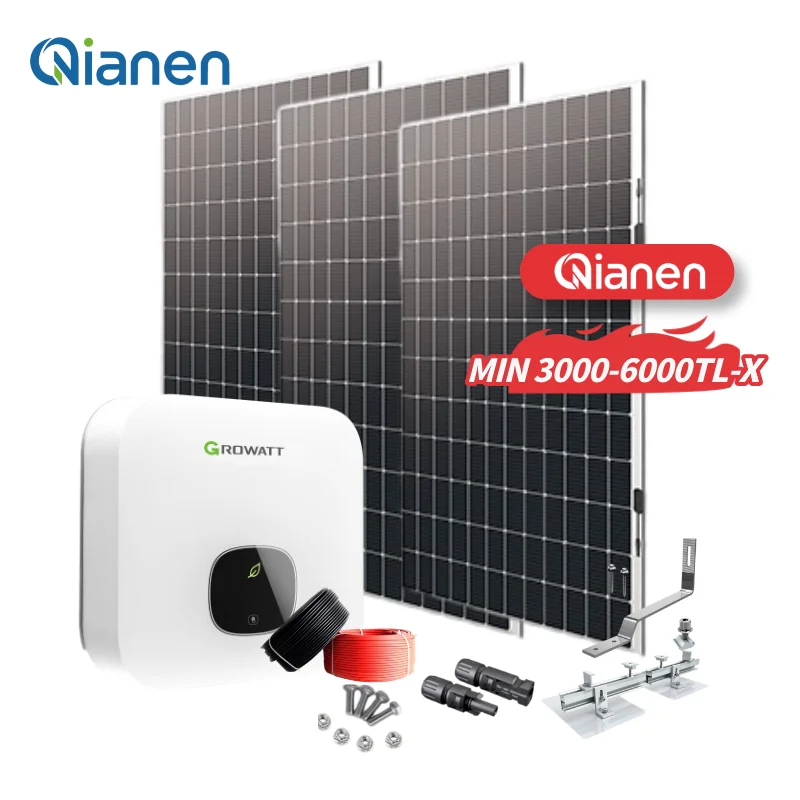
The long-term benefits of solar system installation create a compelling value proposition that strengthens with each passing year. From substantial energy cost savings to increased property values and reduced carbon footprints, solar technology delivers measurable returns that justify the initial investment. These benefits become increasingly pronounced as utility rates continue rising while solar technology costs decline, creating an optimal environment for long-term solar adoption.
Financial Returns and Energy Cost Savings
Electricity Bill Reduction and Elimination
The most immediate and sustained long-term benefit of a solar system installation involves dramatic reductions in monthly electricity costs. Property owners typically experience 70-90% reductions in their utility bills, with many achieving complete energy independence during peak production months. Over a 25-year solar system lifespan, these savings compound significantly, often totaling tens of thousands of dollars in avoided utility costs.
Solar energy production peaks during daylight hours when electricity demand and utility rates are highest, maximizing the financial impact of each kilowatt-hour generated. The cumulative effect of these daily savings creates substantial long-term financial benefits that increase as utility rates continue their historical upward trajectory. Modern solar system designs optimize energy production throughout varying weather conditions and seasonal changes, ensuring consistent savings year-round.
Protection Against Rising Energy Costs
Long-term solar system ownership provides crucial protection against escalating electricity rates that historically increase 2-3% annually. By generating your own electricity, you effectively lock in your energy costs for decades, shielding your budget from unpredictable utility rate fluctuations and energy market volatility. This protection becomes increasingly valuable as fossil fuel costs rise and grid infrastructure upgrades drive utility rate increases.
The hedging benefit of solar system installation extends beyond simple cost avoidance, creating predictable energy expenses that facilitate long-term financial planning. Property owners with solar installations enjoy stable energy costs while neighboring properties face mounting utility bills, creating an expanding financial advantage over time. This protection proves especially valuable for businesses requiring predictable operating expenses and homeowners on fixed incomes.
Return on Investment and Payback Periods
Modern solar system installations typically achieve full payback within 6-10 years through energy savings, tax incentives, and utility rebates, followed by 15-19 years of pure profit generation. The internal rate of return for solar investments often exceeds 10-15%, comparing favorably to traditional investment vehicles while providing energy security. These returns improve continuously as equipment costs decline and efficiency improvements extend system lifespans.
Long-term solar system ownership generates wealth through both direct savings and avoided costs, creating a powerful financial asset that appreciates over time. The combination of federal tax credits, state incentives, utility rebates, and energy savings creates multiple revenue streams that accelerate payback periods. Property owners often discover that their solar system becomes their most profitable investment over extended timeframes.
Property Value Enhancement and Market Advantages
Real Estate Appreciation and Marketability
Solar system installations consistently increase property values, with studies indicating 3-4% appreciation in home values for properties with solar energy systems. This appreciation reflects buyer recognition of long-term energy savings, environmental benefits, and reduced operating costs associated with solar-equipped properties. The value increase often equals or exceeds the initial solar system investment, providing immediate equity gains alongside future energy savings.
Properties with solar systems enjoy enhanced marketability and shorter selling periods compared to conventional homes, as environmentally conscious buyers actively seek energy-efficient properties. Real estate professionals report that solar-equipped homes receive more showing requests and competitive offers, particularly in markets where sustainability features command premium pricing. The solar system becomes a distinctive selling feature that differentiates properties in competitive markets.
Competitive Advantage in Real Estate Markets
Long-term property ownership with solar installations provides sustained competitive advantages in evolving real estate markets increasingly focused on sustainability and energy efficiency. Properties with established solar systems offer immediate benefits to buyers, eliminating the complexity and expense of retrofit installations. This advantage becomes more pronounced as energy costs rise and environmental regulations favor renewable energy adoption.
Solar system installations signal forward-thinking property management and environmental responsibility, appealing to demographic segments prioritizing sustainability in housing decisions. The visual presence of solar panels communicates energy independence and reduced operating costs, creating positive first impressions for potential buyers or tenants. These market advantages compound over time as solar adoption becomes increasingly mainstream.
Environmental Impact and Sustainability Benefits
Carbon Footprint Reduction
Solar system installations deliver profound long-term environmental benefits through substantial carbon footprint reductions that accumulate over decades of clean energy generation. A typical residential solar system eliminates 3-4 tons of carbon dioxide emissions annually, equivalent to planting 100+ trees or removing a car from roads for thousands of miles yearly. Over 25 years, a single solar system prevents 75-100 tons of carbon emissions from entering the atmosphere.
The environmental impact of solar system ownership extends beyond direct emissions reductions, supporting broader renewable energy adoption and grid decarbonization efforts. Each solar installation reduces demand for fossil fuel-generated electricity, contributing to cleaner air quality and reduced environmental pollution in local communities. These cumulative environmental benefits create lasting positive impacts for future generations while supporting global climate change mitigation efforts.
Resource Conservation and Sustainability
Long-term solar system operation conserves valuable natural resources by reducing dependence on fossil fuels and minimizing water consumption associated with conventional electricity generation. Solar energy production requires no water for operation, contrasting sharply with traditional power plants that consume billions of gallons annually for cooling and processing. This resource conservation becomes increasingly important as water scarcity concerns grow in many regions.
Solar system installations support broader sustainability goals through reduced strain on electrical grids and decreased need for new power plant construction. Distributed solar generation reduces transmission losses and infrastructure stress, improving overall grid efficiency while postponing expensive utility infrastructure upgrades. The long-term sustainability benefits of solar systems align with corporate environmental goals and personal values regarding environmental stewardship.
Energy Independence and Grid Reliability
Power Security and Backup Capabilities
Solar system installations with battery storage provide long-term energy security and protection against power outages that become increasingly common due to aging grid infrastructure and extreme weather events. Property owners with solar systems enjoy continued electricity access during grid failures, maintaining essential operations and comfort when neighboring properties experience blackouts. This energy independence proves invaluable during natural disasters, equipment failures, and planned utility maintenance.
The reliability benefits of solar systems extend beyond emergency backup power, providing stable energy generation that reduces dependence on volatile electricity markets and utility service interruptions. Long-term solar system ownership ensures consistent energy availability regardless of grid conditions, utility company financial stability, or regional power supply challenges. This energy security becomes increasingly valuable as climate change intensifies weather-related grid disruptions.
Reduced Grid Dependence
Long-term solar system operation significantly reduces reliance on centralized electrical grids, providing protection against utility rate increases, service interruptions, and infrastructure limitations. Properties with comprehensive solar systems can achieve near-complete grid independence during optimal conditions, eliminating vulnerability to utility company decisions and regulatory changes. This independence provides both financial and operational benefits that strengthen over time.
Reduced grid dependence through solar system installation supports broader energy resilience goals while providing personal energy security for property owners. The ability to generate, store, and consume electricity independently creates a self-sufficient energy ecosystem that operates regardless of external factors. This independence proves especially valuable for remote properties, businesses requiring uninterrupted power, and homeowners seeking maximum energy autonomy.
Technology Longevity and Performance Benefits
Equipment Durability and Minimal Maintenance
Modern solar systems feature exceptional longevity with minimal maintenance requirements, making them ideal long-term investments for property owners seeking hassle-free energy generation. Solar panels typically carry 20-25 year performance warranties with expected lifespans exceeding 30 years, while inverters and mounting systems provide decades of reliable operation. The absence of moving parts in solar systems minimizes wear and maintenance needs compared to conventional energy equipment.
Long-term solar system ownership requires only periodic cleaning and basic inspections to maintain optimal performance, with most maintenance tasks easily accomplished by property owners or local service providers. The robust construction and weather-resistant design of solar equipment ensures consistent operation through various climate conditions, from extreme heat to freezing temperatures and severe weather events. This durability translates into decades of worry-free energy production with minimal ongoing expenses.
Performance Monitoring and Optimization
Advanced solar system monitoring capabilities provide long-term performance insights that help optimize energy production and identify potential issues before they impact system efficiency. Modern monitoring systems track daily, monthly, and annual energy generation while providing alerts for any performance anomalies or maintenance needs. This proactive monitoring ensures maximum energy harvest and extends equipment lifespan through timely intervention.
Long-term solar system performance data enables property owners to validate projected savings, track environmental impact, and optimize energy consumption patterns for maximum benefit. The detailed analytics provided by solar monitoring systems support informed decisions about energy usage, storage needs, and potential system expansions. This performance transparency ensures that solar system investments deliver expected returns throughout their operational lifespan.
FAQ
How long does it take for a solar system to pay for itself?
Most solar systems achieve payback within 6-10 years through energy savings, tax incentives, and utility rebates, followed by 15-19 years of profit generation. The exact payback period depends on local electricity rates, available incentives, system size, and energy consumption patterns. Higher utility rates and generous incentive programs accelerate payback periods, while the long-term financial benefits continue for decades beyond the initial investment recovery.
What happens to solar system performance over 25 years?
Solar panels experience gradual performance degradation of approximately 0.5-0.8% annually, maintaining 80-85% of original capacity after 25 years of operation. This minimal degradation means solar systems continue generating substantial electricity throughout their warranted lifespan and often beyond. Modern panels frequently exceed performance warranties, and the slight capacity reduction has minimal impact on long-term financial returns and energy production benefits.
Do solar systems require significant maintenance over their lifetime?
Solar systems require minimal maintenance throughout their operational lifetime, primarily consisting of periodic cleaning and annual inspections to ensure optimal performance. The absence of moving parts eliminates most mechanical wear issues, while weather-resistant construction withstands decades of outdoor exposure. Most maintenance tasks involve simple cleaning and visual inspections that property owners can perform, with professional service needed only for electrical connections and inverter replacement after 10-15 years.
How do solar systems perform during extreme weather conditions?
Modern solar systems are engineered to withstand extreme weather conditions including high winds, hail, snow loads, and temperature fluctuations throughout their 25+ year lifespan. Solar panels undergo rigorous testing to ensure performance in harsh conditions, while mounting systems provide secure installation capable of handling severe weather events. While temporary shading or snow coverage may reduce output, solar systems quickly resume full production once conditions improve, maintaining long-term reliability and performance.