EN
EN

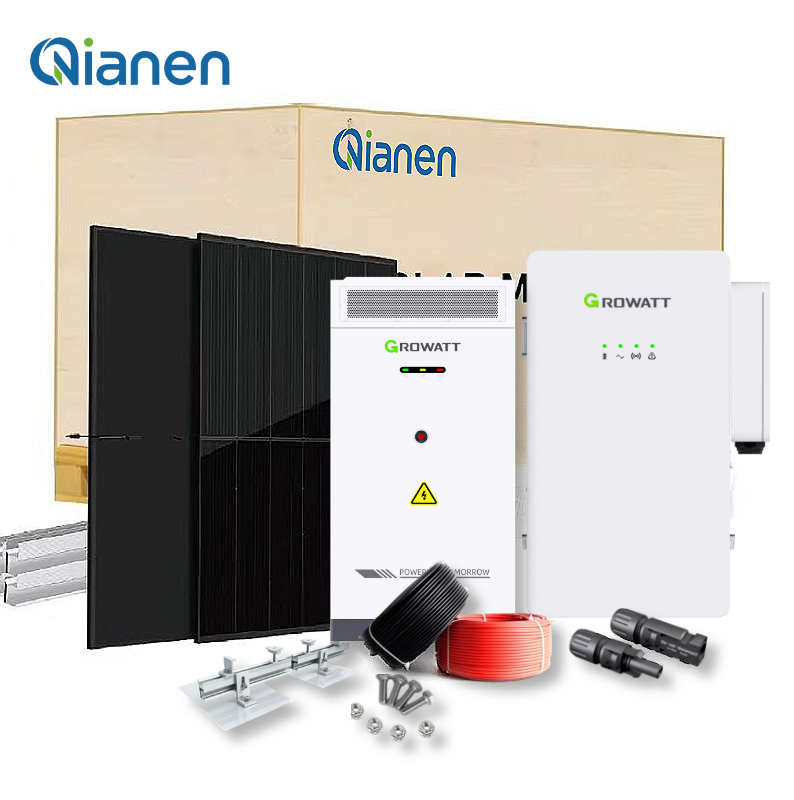
Selecting the right solar system for your specific energy requirements represents one of the most critical decisions in your renewable energy journey. With numerous solar system configurations available in today's market, understanding your unique energy consumption patterns, roof characteristics, and long-term goals becomes essential for making an informed choice that maximizes both performance and return on investment.
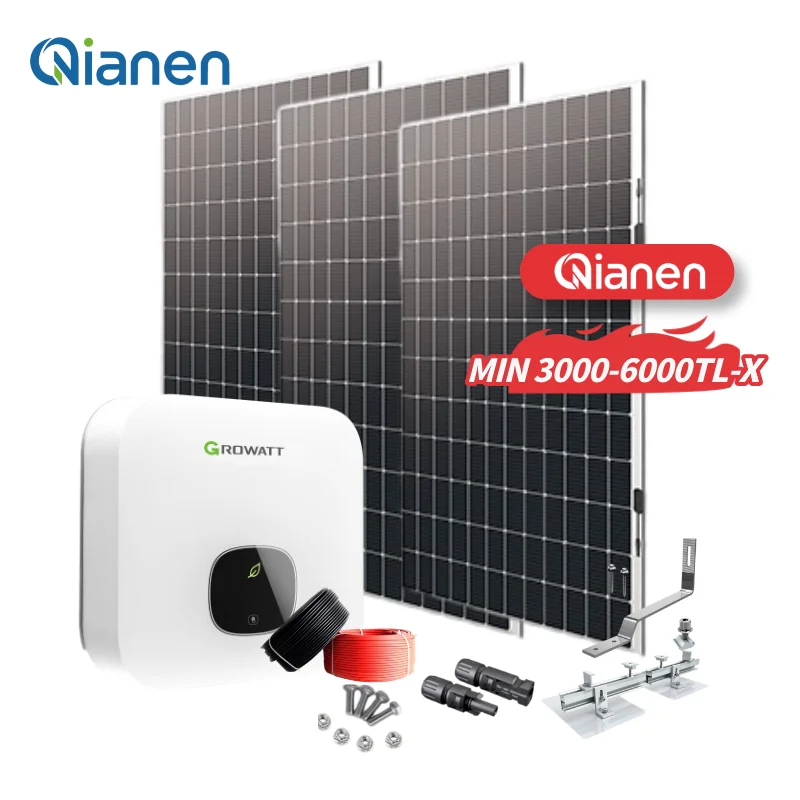
The process of choosing an appropriate solar system involves evaluating multiple interconnected factors that directly impact system performance, cost-effectiveness, and suitability for your property. From analyzing your historical electricity usage to assessing available roof space and local solar irradiance levels, each consideration plays a vital role in determining the optimal solar system size, component selection, and installation approach for your specific circumstances.
Understanding Your Energy Consumption Patterns
Analyzing Historical Electricity Usage
Before selecting any solar system, you must thoroughly examine your historical electricity consumption data from the past 12 to 24 months. This analysis provides crucial insights into your seasonal energy patterns, peak usage periods, and average monthly consumption trends. Most utility companies provide detailed usage histories that show kilowatt-hour consumption by month, revealing important variations throughout the year.
Seasonal variations in energy consumption significantly impact solar system sizing decisions. Summer months typically show higher electricity usage due to air conditioning demands, while winter patterns may reflect increased heating requirements depending on your climate zone. Understanding these fluctuations helps determine whether your solar system should be sized to cover average annual consumption or peak seasonal demands.
Peak usage periods within each day also influence solar system design considerations. If your highest electricity consumption occurs during daylight hours when solar panels generate maximum power, you may require a smaller battery storage capacity compared to households with evening peak usage patterns. This timing alignment between energy production and consumption affects both system sizing and component selection decisions.
Calculating Future Energy Needs
Planning for future energy requirements involves considering potential changes in your household or business operations over the solar system's 25-year lifespan. Anticipated additions such as electric vehicles, pool pumps, home office equipment, or family size changes can significantly impact your long-term energy consumption patterns.
Electric vehicle adoption represents one of the most significant factors affecting future energy needs. A typical electric vehicle adds 3,000 to 4,000 kilowatt-hours annually to household consumption, potentially requiring additional solar panel capacity to maintain energy independence. Planning for EV charging capabilities during the initial solar system design phase proves more cost-effective than retrofitting systems later.
Energy efficiency improvements implemented alongside solar system installation can reduce overall system size requirements. Upgrading appliances, improving insulation, or installing LED lighting reduces baseline energy consumption, allowing smaller solar system configurations to meet your needs while maintaining cost-effectiveness. This integrated approach optimizes both immediate and long-term energy performance.
Evaluating Your Property Characteristics
Roof Assessment and Solar Potential
Your roof's physical characteristics fundamentally determine which solar system configurations remain viable for your property. Roof orientation, slope angle, available space, structural condition, and shading patterns all influence solar panel placement options and overall system performance potential. South-facing roof sections typically provide optimal solar exposure in the Northern Hemisphere, while east and west orientations can still deliver excellent results with proper system design.
Available roof space directly correlates with maximum solar system capacity potential. Each kilowatt of solar capacity typically requires 60 to 80 square feet of unshaded roof space, depending on panel efficiency ratings and mounting configurations. Complex roof geometries with multiple angles, dormers, or obstacles may require specialized mounting solutions that affect both system cost and performance characteristics.
Structural integrity assessments ensure your roof can safely support the additional weight of a solar system installation. Solar panels and mounting hardware typically add 2 to 4 pounds per square foot of roof loading. Older homes or those with questionable structural conditions may require reinforcement work before solar system installation, impacting overall project costs and timelines.
Shading Analysis and Microclimate Factors
Shading analysis represents a critical component in solar system selection and design optimization. Even partial shading on individual solar panels can significantly reduce overall system performance due to electrical characteristics of series-connected panel strings. Professional shading analysis tools evaluate seasonal sun paths, nearby trees, buildings, and other obstructions to predict performance impacts throughout the year.
Microclimate factors including local weather patterns, air quality, and environmental conditions affect solar system performance and maintenance requirements. Areas with high dust levels, salt air exposure, or frequent severe weather may require specialized panel coatings, enhanced mounting systems, or more frequent cleaning schedules to maintain optimal performance levels.
Snow load considerations become important in regions experiencing significant winter snowfall. Solar panels shed snow more quickly than most roof surfaces due to their smooth glass coating, but accumulated snow can temporarily reduce energy production. System designs in snow-prone areas may incorporate steeper mounting angles or specialized snow guards to optimize winter performance characteristics.
Solar System Technology Options and Selection
Panel Technology Comparison
Modern solar system options include multiple panel technologies, each offering distinct advantages for specific applications and installation conditions. Monocrystalline silicon panels provide the highest efficiency ratings, typically ranging from 18% to 22%, making them ideal for space-constrained installations where maximum power density becomes critical for meeting energy requirements.
Polycrystalline panels offer a cost-effective alternative for installations with ample roof space, delivering solid performance at lower per-watt costs compared to monocrystalline options. While slightly less efficient, polycrystalline technology provides excellent value for larger solar system installations where space constraints don't limit panel quantity selection.
Thin-film solar technologies excel in specific applications involving curved surfaces, partial shading conditions, or extreme temperature environments. Though generally less efficient than crystalline options, thin-film panels maintain better performance under high temperatures and low-light conditions, making them suitable for certain commercial or specialized residential applications.
Inverter Technology and System Architecture
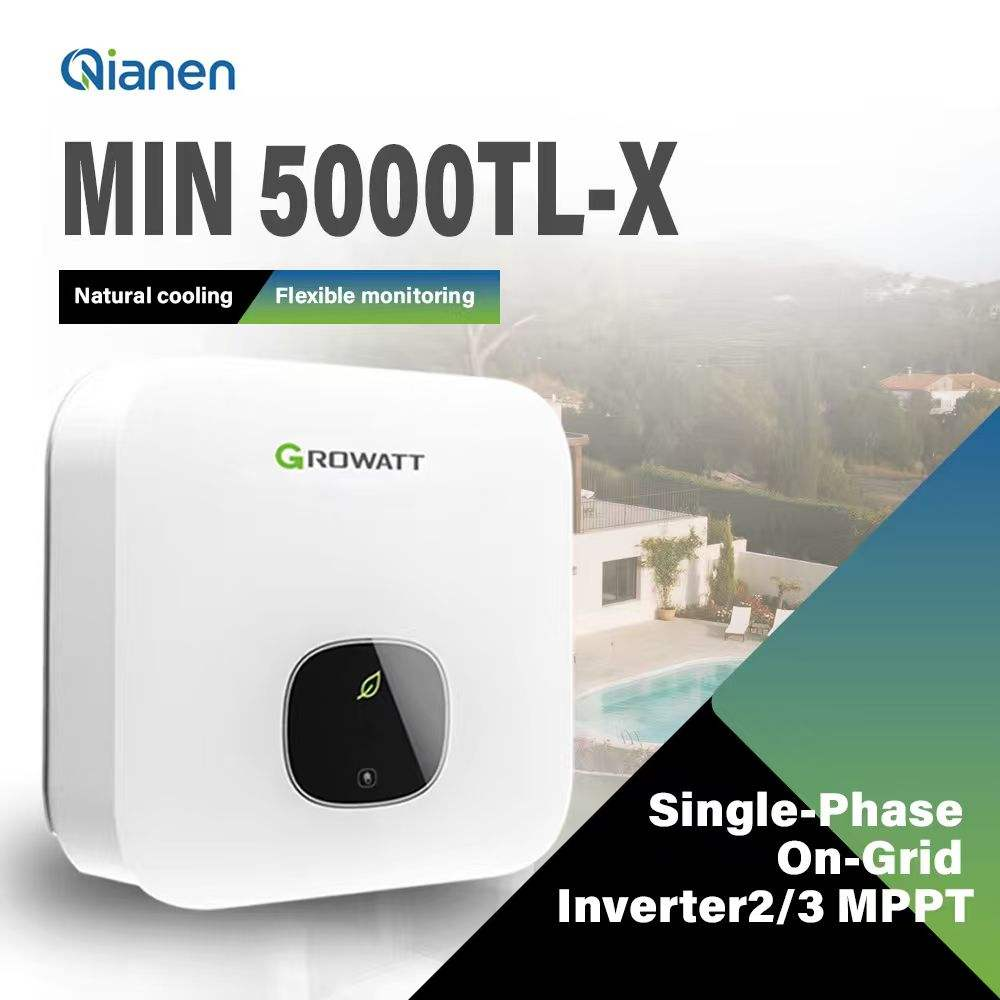
Inverter selection significantly impacts solar system performance, monitoring capabilities, and future expansion possibilities. String inverters provide cost-effective solutions for installations with minimal shading and uniform panel orientations, converting DC power from multiple panel strings into AC electricity for household use.
Power optimizers attached to individual panels address shading issues and panel-level performance variations while maintaining centralized inverter architecture. This approach provides panel-level monitoring and optimization while preserving the cost advantages of string inverter systems, making it suitable for installations with moderate shading or mixed roof orientations.
Microinverter systems offer maximum flexibility and performance optimization by converting DC to AC power at each individual panel. While more expensive initially, microinverters provide superior performance in complex shading conditions, enable detailed panel-level monitoring, and simplify future system expansions or modifications throughout the solar system's operational lifespan.
Financial Considerations and System Sizing
Budget Planning and Financing Options
Solar system costs vary significantly based on size, component quality, installation complexity, and local market conditions. Establishing a realistic budget framework helps narrow technology options and system configurations while ensuring long-term financial viability. Total installed costs typically range from $15,000 to $25,000 for residential solar system installations before incentives and rebates.
Available financing options significantly impact solar system affordability and selection criteria. Cash purchases provide the highest long-term returns but require substantial upfront investment. Solar loans offer immediate installation benefits with monthly payments that often equal or exceed current electricity bill savings, while leasing arrangements provide lower upfront costs but reduced long-term financial benefits.
Federal tax credits, state incentives, and local rebate programs can reduce solar system costs by 30% to 50% in many regions. Understanding available incentive structures and their expiration timelines influences both system timing and sizing decisions, as some programs offer greater benefits for larger installations while others provide flat rebates regardless of system size.
Return on Investment Calculations
Calculating solar system return on investment requires analyzing multiple financial factors including initial costs, ongoing savings, maintenance expenses, and system performance degradation over time. Most solar systems achieve payback periods between 6 to 12 years, depending on local electricity rates, system costs, and available incentives.
Net metering policies significantly impact solar system economics by determining compensation rates for excess electricity production. Full retail rate net metering provides maximum financial benefits, while time-of-use rates or reduced compensation structures may favor battery storage additions or alternative system sizing strategies.
Long-term electricity rate escalation assumptions affect solar system financial projections over their 25-year operational lifespan. Conservative estimates typically assume 2% to 4% annual utility rate increases, while aggressive projections may incorporate higher escalation rates based on regional energy market trends and regulatory environments.
Installation Considerations and Professional Services
Installer Selection and Project Management
Choosing qualified solar system installers directly impacts installation quality, system performance, and warranty coverage throughout the system's operational life. Certified installers with NABCEP credentials and extensive local experience provide superior installation quality and ongoing support compared to inexperienced or unlicensed contractors.
Project management capabilities become crucial for complex solar system installations involving multiple roof sections, electrical upgrades, or permit coordination requirements. Experienced installers handle permit applications, utility interconnection processes, and inspection schedules while minimizing project delays and ensuring code compliance throughout the installation process.
Warranty coverage and post-installation support vary significantly among solar system installers and manufacturers. Comprehensive warranty packages typically include 25-year panel performance guarantees, 10-year inverter warranties, and workmanship coverage for installation components. Understanding warranty terms and installer reputation for honoring warranty claims protects your long-term investment.
Permitting and Code Compliance
Solar system installations require various permits and inspections to ensure electrical safety, structural integrity, and local code compliance. Building permits typically address structural mounting requirements, while electrical permits cover DC and AC wiring, grounding systems, and utility interconnection components. Professional installers navigate these requirements efficiently while ensuring proper documentation.
Local building codes and homeowner association requirements may impose restrictions on solar system placement, appearance, or size that affect design options and component selection. Understanding these limitations early in the planning process prevents costly redesigns or permit delays during the installation phase.
Utility interconnection requirements vary by location and may include specific equipment specifications, safety disconnects, or production monitoring systems. Some utilities require smart inverters with grid-support functions, while others mandate rapid shutdown capabilities for firefighter safety. These requirements influence inverter selection and overall system design considerations.
FAQ
What size solar system do I need for my home?
Solar system sizing depends on your annual electricity consumption, available roof space, and energy goals. Most residential installations range from 4kW to 10kW capacity, generating approximately 5,000 to 15,000 kilowatt-hours annually. A professional energy assessment analyzing your utility bills and roof characteristics provides accurate sizing recommendations for your specific situation.
How long do solar systems typically last?
Quality solar systems operate effectively for 25 to 30 years or longer with proper maintenance. Solar panels typically maintain 80% to 85% of their original output after 25 years, while inverters may require replacement after 10 to 15 years of operation. Regular maintenance and monitoring help maximize system lifespan and performance throughout their operational period.
Can I install a solar system myself?
While some solar system components are available for DIY installation, professional installation is recommended for safety, warranty coverage, and code compliance reasons. Solar installations involve electrical work, roof modifications, and permit requirements that require specialized training and licensing. Professional installers also provide ongoing support and warranty coverage that DIY installations cannot match.
What happens to my solar system during power outages?
Standard grid-tied solar systems shut down automatically during power outages for utility worker safety. Solar systems with battery backup can provide power to essential loads during outages, while those without batteries require grid connection to operate. Backup power capabilities depend on battery capacity and connected load requirements, which should be evaluated during system design.