EN
EN
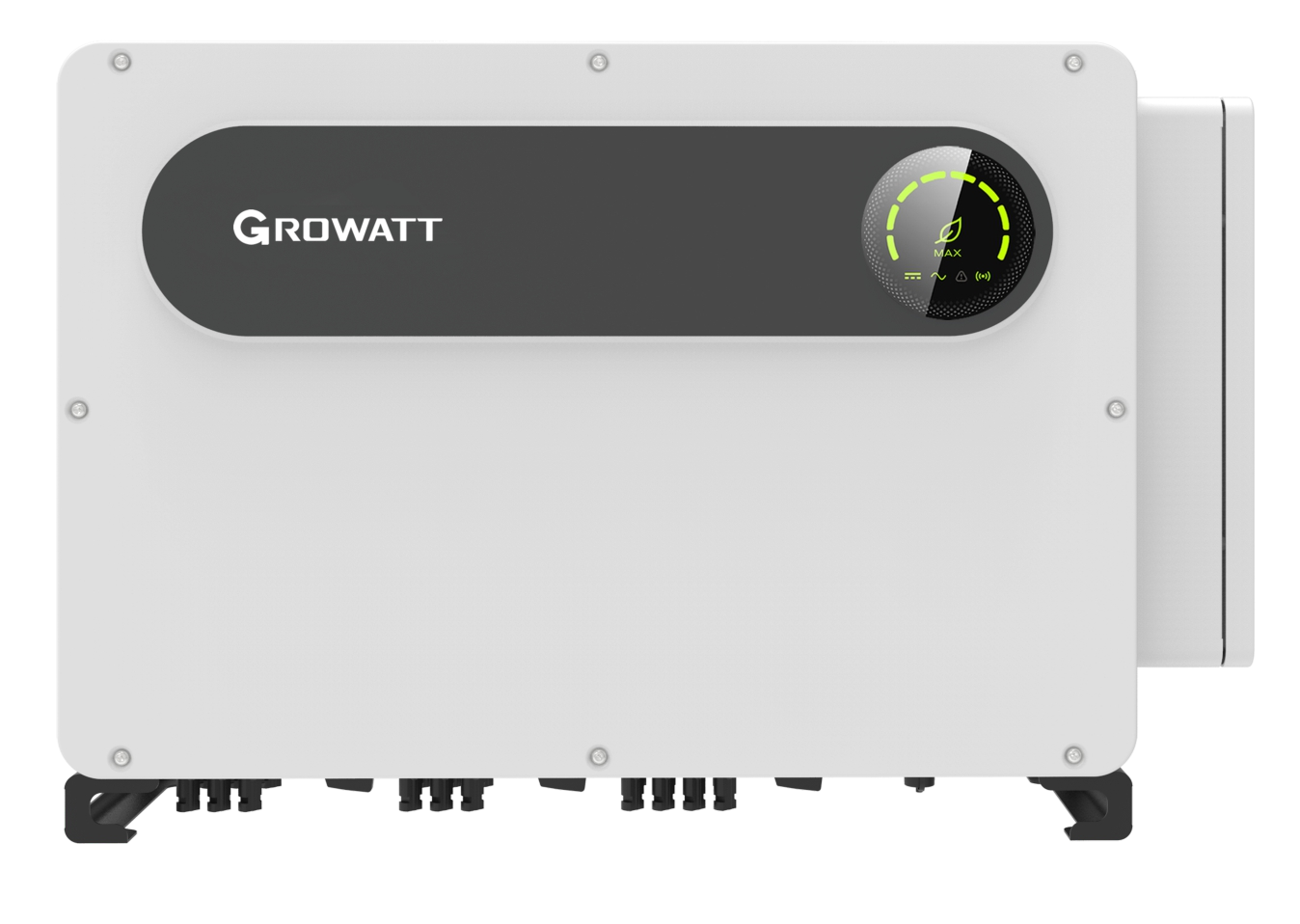
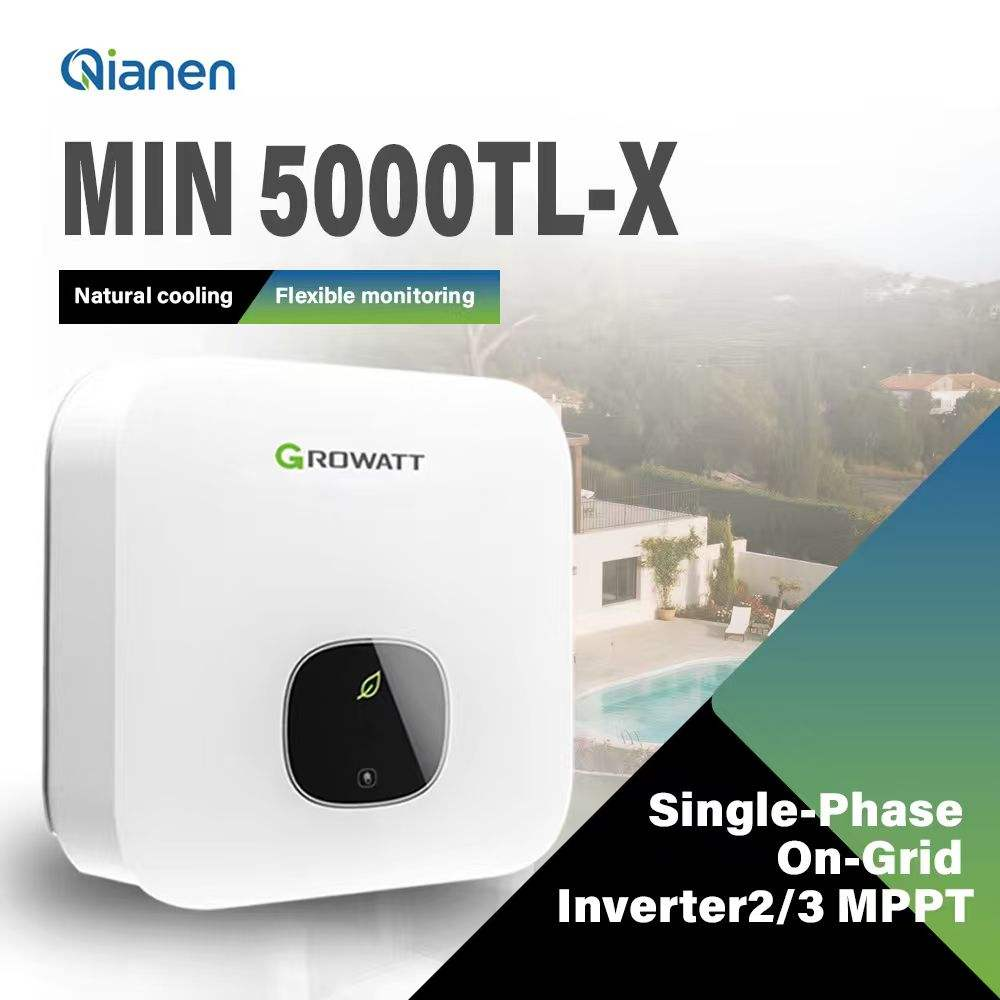
Modern solar energy systems have revolutionized the way we harness renewable power, and at the heart of every efficient solar installation lies a sophisticated solar inverter. These essential devices convert direct current electricity generated by solar panels into alternating current that powers homes and businesses. Understanding the key features of contemporary solar inverter technology is crucial for anyone considering solar energy adoption or upgrading their existing system. Today's solar inverter units incorporate advanced electronics, intelligent monitoring capabilities, and robust safety features that maximize energy production while ensuring reliable operation for decades.
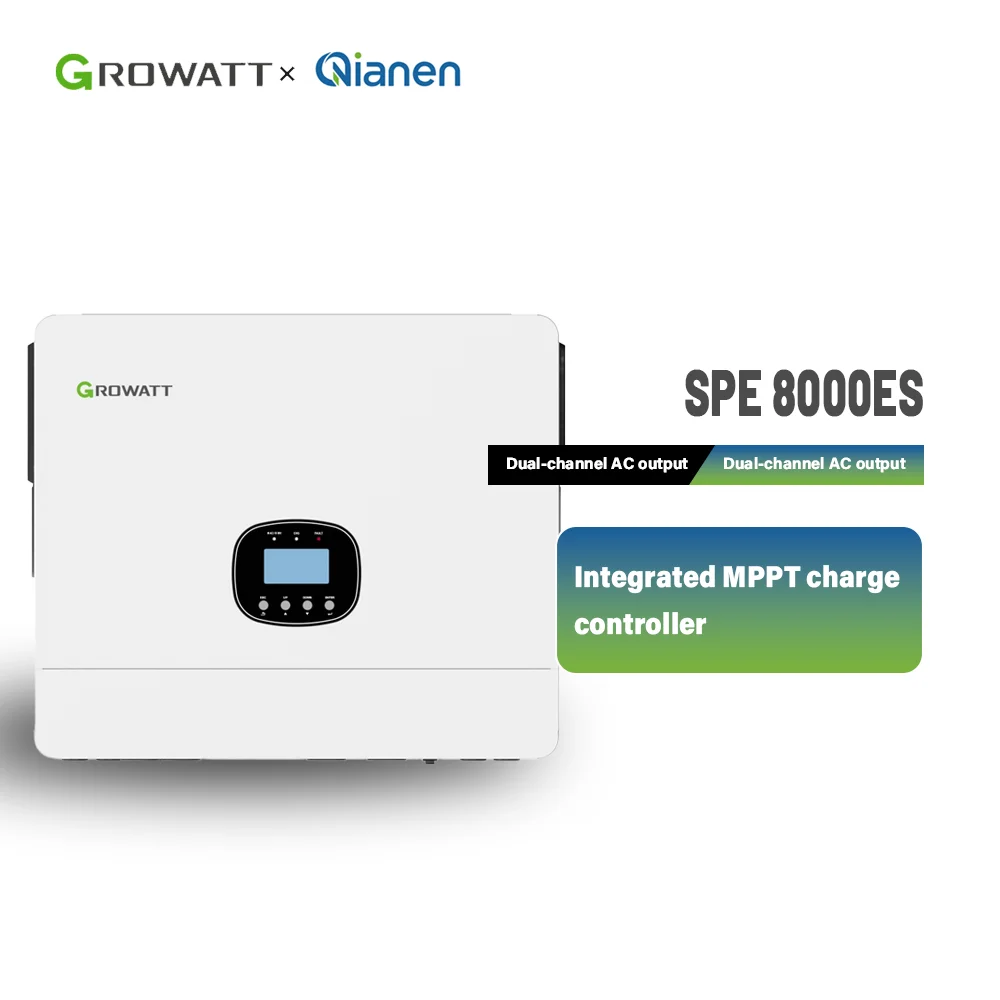
Advanced Power Conversion Technology
Maximum Power Point Tracking Capabilities
The most sophisticated solar inverter systems feature advanced Maximum Power Point Tracking technology that continuously optimizes energy extraction from solar panels. This intelligent feature adjusts the operating voltage and current to ensure panels operate at their peak efficiency throughout varying weather conditions. MPPT algorithms analyze panel performance thousands of times per second, making real-time adjustments that can increase energy harvest by fifteen to thirty percent compared to basic systems. Modern implementations support multiple MPPT channels, allowing independent optimization of different panel arrays or orientations within a single installation.
Contemporary MPPT controllers within solar inverter units can handle wide voltage ranges and accommodate various panel configurations. They automatically adapt to seasonal changes, cloud coverage, and temperature fluctuations that affect panel output. The most advanced systems incorporate machine learning algorithms that improve tracking accuracy over time by analyzing historical performance patterns and environmental conditions.
Pure Sine Wave Output Quality
Premium solar inverter models generate pure sine wave alternating current that matches or exceeds utility grid quality standards. This clean power output ensures optimal performance of sensitive electronic equipment, motors, and appliances without the harmonic distortion associated with modified sine wave systems. Pure sine wave technology eliminates buzzing sounds in audio equipment, reduces heat generation in motors, and prevents potential damage to sophisticated electronics.
The precision of sine wave generation directly impacts system efficiency and equipment longevity. High-quality solar inverter units maintain consistent frequency regulation and voltage stability even under varying load conditions, ensuring reliable power delivery for critical applications.
Intelligent Monitoring and Communication Features
Real-Time Performance Monitoring
Modern solar inverter systems incorporate comprehensive monitoring capabilities that provide detailed insights into system performance, energy production, and operational status. Advanced displays show real-time power generation, daily energy totals, cumulative production statistics, and system health indicators. These monitoring features enable users to track their environmental impact, calculate financial returns, and identify potential issues before they affect system performance.
Sophisticated data logging capabilities store historical performance data for analysis and optimization. Users can review production trends, identify seasonal patterns, and compare actual performance against expected output based on weather conditions and system specifications. This information proves invaluable for maintenance scheduling and system optimization.
Wireless Connectivity and Remote Management
Contemporary solar inverter technology includes built-in wireless connectivity options such as WiFi, Ethernet, and cellular communication modules. These features enable remote monitoring and management through smartphone applications and web-based platforms. Users can access real-time system data, receive performance alerts, and adjust settings from anywhere in the world.
Remote diagnostic capabilities allow technicians to troubleshoot issues and perform system updates without site visits. This connectivity reduces maintenance costs and minimizes system downtime by enabling proactive maintenance and rapid problem resolution. Advanced systems can automatically download firmware updates and optimization patches to improve performance and add new features.
Safety and Protection Systems
Comprehensive Electrical Protection
Safety represents a paramount concern in solar inverter design, with multiple protection systems safeguarding equipment and personnel. Modern units incorporate overcurrent protection, overvoltage protection, undervoltage protection, and short circuit protection that automatically disconnect the system when dangerous conditions arise. Ground fault detection systems monitor insulation integrity and immediately shut down operations if electrical leakage occurs.
Temperature monitoring and thermal protection prevent overheating damage by reducing output power or shutting down the solar inverter when internal temperatures exceed safe operating limits. Arc fault detection identifies potentially dangerous electrical arcing conditions and immediately disconnects the affected circuits to prevent fire hazards.
Grid Integration and Anti-Islanding Protection
Grid-tied solar inverter systems include sophisticated anti-islanding protection that prevents the inverter from energizing utility lines during power outages. This critical safety feature protects utility workers who may be repairing power lines that they assume are de-energized. Advanced frequency and voltage monitoring continuously assess grid conditions and immediately disconnect when abnormal conditions indicate a utility outage.
Modern grid integration features support various utility interconnection standards and can adapt to different grid voltage and frequency requirements. Some advanced systems provide grid support functions such as voltage regulation and frequency stabilization that benefit overall grid stability.
Energy Storage Integration and Backup Power
Battery Management and Storage Optimization
Advanced solar inverter systems seamlessly integrate with battery storage solutions to provide backup power and maximize energy independence. Intelligent battery management systems optimize charging and discharging cycles to extend battery life while ensuring adequate backup power availability. These systems automatically prioritize critical loads during outages and can manage multiple battery banks with different chemistries or capacities.
Smart energy management algorithms analyze consumption patterns, weather forecasts, and utility rate structures to optimize when energy is stored versus consumed or sold back to the grid. This optimization can significantly reduce electricity costs and maximize the financial benefits of solar energy systems.
Seamless Backup Power Switching
Premium solar inverter models with backup power capabilities provide uninterrupted power transfer during grid outages. Advanced transfer switches detect utility outages within milliseconds and seamlessly switch critical loads to battery or solar power without interruption. This feature proves essential for maintaining power to refrigeration, medical equipment, security systems, and other critical applications.
Configurable backup power settings allow users to prioritize specific circuits or appliances during extended outages. Intelligent load management automatically sheds non-essential loads when battery capacity becomes limited, ensuring extended operation of critical systems.
Efficiency and Performance Optimization
High Conversion Efficiency Standards
Modern solar inverter technology achieves conversion efficiencies exceeding ninety-seven percent, minimizing energy losses during the DC to AC conversion process. Advanced power electronics and sophisticated control algorithms optimize efficiency across varying load conditions and input voltages. Peak efficiency ratings indicate maximum performance under ideal conditions, while weighted efficiency ratings better represent real-world performance across typical operating conditions.
Temperature compensation and thermal management systems maintain high efficiency even in challenging environmental conditions. Active cooling systems and intelligent thermal design ensure consistent performance and extend equipment lifespan by preventing excessive heat buildup.
Adaptive Power Management
Intelligent power management features automatically adjust solar inverter operation based on environmental conditions, load demands, and grid requirements. These systems can reduce output power during grid instability, optimize performance during partial shading conditions, and coordinate with other distributed energy resources for maximum system efficiency.
Advanced algorithms continuously analyze system performance and automatically adjust operating parameters to maintain optimal efficiency. These adaptive features ensure consistent performance over the system's operational lifetime while accommodating changing environmental conditions and load requirements.
Installation and Maintenance Considerations
User-Friendly Installation Features
Contemporary solar inverter designs emphasize installation simplicity with plug-and-play connections, clear labeling, and comprehensive installation documentation. Quick-connect DC and AC terminals reduce installation time and minimize the potential for wiring errors. Built-in installation guides and diagnostic features help installers verify proper connections and system operation before commissioning.
Compact designs and flexible mounting options accommodate various installation environments while maintaining accessibility for maintenance and service. Weather-resistant enclosures protect against environmental hazards while providing adequate ventilation for reliable operation in diverse climates.
Predictive Maintenance and Diagnostics
Advanced diagnostic capabilities continuously monitor solar inverter health and predict potential maintenance needs before failures occur. Self-diagnostic routines test critical components and systems regularly, identifying degradation patterns that indicate approaching maintenance requirements. These predictive capabilities reduce unexpected downtime and extend equipment lifespan through proactive maintenance.
Comprehensive error logging and diagnostic reporting provide detailed information for troubleshooting and maintenance planning. Remote diagnostic capabilities enable expert analysis and support without requiring on-site visits, reducing maintenance costs and system downtime.
FAQ
What is the typical lifespan of a modern solar inverter?
Most quality solar inverter systems are designed to operate reliably for twenty to twenty-five years, though many units continue functioning well beyond their warranty periods. Proper installation, regular maintenance, and quality environmental conditions can significantly extend operational lifespan. Premium models often include extended warranties and superior component quality that supports longer service life.
How does weather affect solar inverter performance?
Modern solar inverter units are designed to operate efficiently across wide temperature ranges, typically from negative forty to positive sixty degrees Celsius. However, extreme heat can reduce efficiency and trigger thermal protection systems. Most quality units include temperature compensation and active cooling to maintain consistent performance. Proper ventilation and shading of the inverter installation location help optimize performance in hot climates.
Can a solar inverter work during power outages?
Standard grid-tied solar inverter systems automatically shut down during power outages for safety reasons. However, hybrid models with battery backup capabilities can provide power to critical loads during outages. These systems require proper installation of transfer switches and backup circuits to isolate the home from the utility grid during outage conditions.
What maintenance does a solar inverter require?
Solar inverter maintenance typically involves periodic visual inspections, cleaning of ventilation areas, and monitoring of performance data. Most modern units are designed for minimal maintenance, with no user-serviceable parts requiring regular attention. Professional maintenance may include checking electrical connections, updating firmware, and testing safety systems annually. Proper installation and environmental protection minimize maintenance requirements significantly.