EN
EN
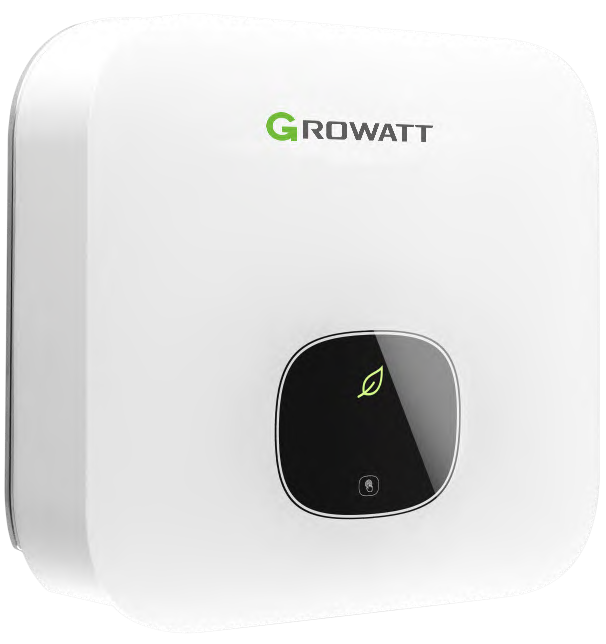
Selecting the right solar inverter is one of the most critical decisions when designing a photovoltaic system for residential, commercial, or industrial applications. The solar inverter serves as the heart of any solar power installation, converting direct current electricity generated by solar panels into alternating current that can be used by household appliances and fed into the electrical grid. Understanding the key factors that influence solar inverter performance will help you make an informed choice that maximizes energy production, system reliability, and long-term return on investment.
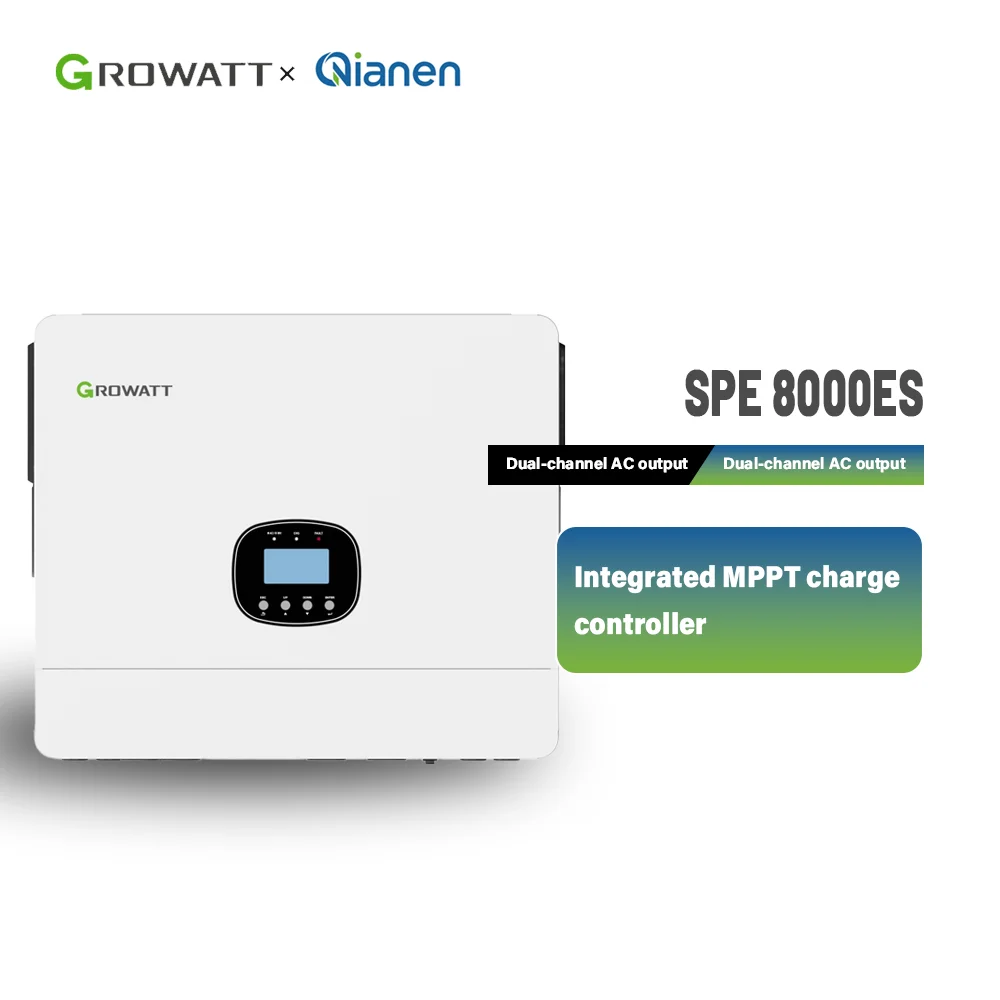
The solar energy market has experienced tremendous growth over the past decade, leading to significant technological advancements in solar inverter design and functionality. Modern solar inverter systems offer enhanced efficiency ratings, improved monitoring capabilities, and better integration with smart home technologies. Whether you are planning a new installation or upgrading an existing system, choosing the appropriate solar inverter technology will directly impact your system's overall performance and energy yield.
Understanding Solar Inverter Technology Types
String Inverter Systems
String inverters represent the most traditional and widely adopted solar inverter technology in residential and small commercial applications. These centralized units connect multiple solar panels in series, creating strings that feed into a single solar inverter location. String inverters offer cost-effective solutions for installations with uniform panel orientations and minimal shading conditions. The centralized design simplifies system monitoring and maintenance while providing reliable power conversion for standard rooftop installations.
The primary advantage of string inverter technology lies in its proven reliability and lower upfront costs compared to distributed inverter solutions. However, string inverters can experience performance limitations when individual panels within the string encounter shading, soiling, or other performance variations. This limitation occurs because the entire string operates at the performance level of the weakest panel, potentially reducing overall system energy production in suboptimal conditions.
Power Optimizer Technology
Power optimizer systems combine the benefits of centralized string inverters with module-level power electronics to maximize energy harvest from each individual solar panel. These systems install DC optimizers at each panel location, which condition the power output before sending it to a central solar inverter unit. Power optimizers enable maximum power point tracking at the module level while maintaining the cost advantages of centralized inversion technology.
This hybrid approach provides enhanced performance monitoring capabilities, allowing system owners to track individual panel performance and identify maintenance issues quickly. Power optimizer systems excel in installations with complex roof geometries, partial shading conditions, or mixed panel orientations where traditional string inverters might underperform. The technology offers improved safety features through rapid shutdown capabilities and enhanced fire safety compliance.
Microinverter Solutions
Microinverters represent the most distributed approach to solar inverter technology, with individual units installed directly on each solar panel. This configuration eliminates string-level dependencies and enables each panel to operate independently at its maximum power point regardless of the performance of neighboring panels. Microinverter systems provide the highest level of system optimization and monitoring granularity available in current solar technology.
The distributed nature of microinverter systems offers significant advantages for installations with complex shading patterns, multiple roof orientations, or varying panel specifications. Each solar inverter unit operates independently, ensuring that shading or failure of one panel does not impact the performance of the entire system. However, microinverters typically require higher initial investment costs and more complex installation procedures compared to centralized inverter solutions.
Key Performance Specifications and Ratings
Efficiency Ratings and Energy Conversion
Solar inverter efficiency ratings directly impact the amount of usable electricity generated from your solar panel array. Modern high-quality solar inverter units typically achieve peak efficiency ratings between 95% and 98%, with weighted efficiency measurements providing more realistic performance expectations under varying load conditions. California Energy Commission efficiency ratings offer standardized benchmarks for comparing different solar inverter models and manufacturers.
Peak efficiency ratings indicate maximum performance under optimal operating conditions, while weighted efficiency accounts for performance variations across different power output levels throughout the day. European efficiency standards provide another important benchmark that considers typical solar irradiance patterns and operating temperatures. When evaluating solar inverter options, prioritize models with consistently high efficiency ratings across the entire operating range rather than focusing solely on peak efficiency specifications.
Power Rating and Sizing Considerations
Proper solar inverter sizing ensures optimal system performance and longevity while avoiding equipment stress and premature failure. The inverter capacity should typically range from 80% to 110% of the total solar panel array capacity, depending on installation location, panel orientation, and local weather patterns. Oversizing the panel array relative to the solar inverter capacity can increase energy production during low-light conditions while preventing excessive power generation that might damage inverter components.
Geographic location and local solar irradiance patterns influence optimal sizing ratios between solar panels and solar inverter capacity. Areas with frequent cloud cover or limited peak sun hours may benefit from higher DC-to-AC ratios, while locations with consistent high irradiance might require more conservative sizing approaches. Professional system design software can model different sizing scenarios to optimize energy production and system economics for specific installation conditions.
Grid-Tie Versus Off-Grid Solar Inverter Applications
Grid-Connected System Requirements
Grid-tied solar inverter systems must comply with utility interconnection standards and electrical codes that govern how solar installations connect to the public electrical grid. These systems require specific safety features including anti-islanding protection, voltage and frequency monitoring, and rapid shutdown capabilities to ensure safe operation during grid disturbances or maintenance activities. Grid-tied solar inverter units must also provide clean power output that meets utility power quality standards.
Modern grid-tied solar inverter systems offer advanced grid support functions that can help stabilize local electrical networks through reactive power control and voltage regulation capabilities. Some utility companies now require these grid support features for new solar installations, making it important to select solar inverter models that meet current and anticipated future grid codes. Smart inverter functionality enables remote monitoring and control capabilities that benefit both system owners and utility operators.
Off-Grid and Hybrid System Capabilities
Off-grid solar inverter systems provide electrical power in locations without utility grid connections, requiring integrated battery management and backup power capabilities. These systems must include battery charging controllers, load management features, and generator integration options to ensure reliable power supply during extended periods of low solar production. Off-grid solar inverter designs typically incorporate pure sine wave output to ensure compatibility with sensitive electronic equipment.
Hybrid solar inverter systems combine grid-tied and off-grid capabilities, enabling battery backup during power outages while maintaining normal grid-connected operation. These versatile systems provide energy independence and backup power security while offering opportunities for peak demand management and time-of-use electricity rate optimization. Hybrid solar inverter technology continues to evolve with improved battery integration and smart energy management capabilities.
Installation and Maintenance Considerations
Environmental Operating Conditions
Solar inverter performance and longevity depend significantly on installation location and environmental conditions including ambient temperature, humidity, dust exposure, and ventilation requirements. Most solar inverter units specify operating temperature ranges and derating curves that show how performance decreases at elevated temperatures. Proper installation location selection and adequate ventilation can significantly extend solar inverter lifespan and maintain optimal performance levels.
Coastal installations present additional challenges due to salt air exposure that can accelerate corrosion of electrical components and enclosure materials. Marine-grade solar inverter models feature enhanced protective coatings and sealed enclosures designed to withstand harsh coastal environments. Similarly, desert installations require solar inverter designs that can operate reliably in extreme temperature conditions and resist dust infiltration that might compromise cooling systems.
Monitoring and Diagnostic Capabilities
Advanced monitoring capabilities enable proactive maintenance and performance optimization of solar inverter systems through real-time data collection and analysis. Modern solar inverter units provide comprehensive monitoring of power production, system efficiency, and component health through web-based platforms and mobile applications. These monitoring systems can detect performance anomalies, equipment faults, and maintenance requirements before they result in significant energy production losses.
Diagnostic capabilities built into contemporary solar inverter systems include string-level monitoring, arc fault detection, and ground fault protection that enhance system safety and reliability. Some solar inverter models incorporate machine learning algorithms that can predict maintenance requirements and optimize performance based on historical operating data and weather patterns. Professional monitoring services can provide ongoing system oversight and maintenance scheduling to maximize long-term performance and return on investment.
Economic Factors and System Financing
Initial Investment and Payback Calculations
Solar inverter selection significantly impacts overall system economics through initial equipment costs, installation complexity, and long-term performance characteristics. While higher-efficiency solar inverter models typically command premium pricing, the improved energy production can justify the additional investment through increased electricity generation over the system lifetime. Comprehensive economic analysis should consider equipment costs, installation expenses, maintenance requirements, and warranty terms when comparing different solar inverter options.
Financing options and available incentives can influence the optimal balance between upfront costs and long-term performance benefits when selecting solar inverter technology. Federal tax credits, state rebates, and utility incentive programs may favor certain solar inverter technologies or efficiency levels, making it important to understand current incentive structures. Leasing and power purchase agreement options can shift the economic considerations by transferring equipment ownership and maintenance responsibilities to third-party financing companies.
Warranty Terms and Service Support
Solar inverter warranty terms vary significantly between manufacturers and product lines, with standard warranties ranging from 5 to 25 years depending on the technology and price point. Extended warranty options may be available for additional cost, providing protection against premature equipment failure and unexpected replacement expenses. When evaluating solar inverter options, consider both warranty duration and the manufacturer's reputation for honoring warranty claims and providing responsive service support.
Service support availability becomes particularly important for commercial and utility-scale installations where equipment downtime can result in significant revenue losses. Established solar inverter manufacturers typically offer comprehensive technical support, replacement part availability, and field service capabilities that can minimize system downtime and maintenance costs. Local service support availability should be considered when selecting solar inverter brands, especially for installations in remote locations where service response times might be extended.
Future Technology Trends and Considerations
Smart Grid Integration and Energy Storage
The evolution of smart grid technologies is driving new requirements for solar inverter systems that can provide grid services beyond basic power generation. Modern solar inverter designs incorporate advanced communication protocols and control capabilities that enable participation in demand response programs, frequency regulation services, and voltage support functions. These grid-interactive features may become mandatory requirements in many markets as utilities seek to integrate higher levels of distributed solar generation.
Energy storage integration represents a rapidly growing application area for solar inverter technology, with hybrid systems that combine solar generation and battery storage becoming increasingly common. Next-generation solar inverter systems will likely incorporate more sophisticated energy management algorithms that optimize the dispatch of solar power, battery storage, and grid electricity based on real-time pricing and demand patterns. This integration requires solar inverter designs that can seamlessly coordinate multiple energy sources and storage systems.
Artificial Intelligence and Predictive Analytics
Artificial intelligence and machine learning technologies are beginning to transform solar inverter operation and maintenance through predictive analytics and automated optimization capabilities. Future solar inverter systems may incorporate weather forecasting data, historical performance patterns, and real-time grid conditions to optimize power production and system operation automatically. These intelligent systems could predict equipment maintenance needs, optimize energy dispatch strategies, and adapt to changing operating conditions without human intervention.
The integration of artificial intelligence into solar inverter systems promises to improve overall system performance, reduce maintenance costs, and extend equipment lifespan through proactive optimization and fault detection. As solar inverter technology continues to evolve, selecting systems with upgrade capabilities and advanced communication interfaces will help ensure compatibility with future smart grid and energy management technologies.
FAQ
What is the typical lifespan of a solar inverter?
Most solar inverter systems have a design lifespan of 15 to 25 years, though actual longevity depends on operating conditions, maintenance practices, and equipment quality. String inverters typically last 15-20 years, while microinverters and power optimizers often come with 20-25 year warranties. Regular maintenance and proper installation in suitable environmental conditions can help maximize solar inverter lifespan and performance.
How do I determine the right size solar inverter for my system?
Solar inverter sizing should typically range from 80% to 110% of your total solar panel capacity, depending on local conditions and system design goals. Factors including geographic location, panel orientation, shading conditions, and local weather patterns influence optimal sizing ratios. Professional system design analysis can determine the ideal solar inverter capacity to maximize energy production while ensuring reliable operation and equipment longevity.
Can I install a solar inverter myself or do I need professional installation?
Solar inverter installation requires electrical work that must comply with local building codes and electrical regulations, typically requiring licensed electrician involvement. While some components may be suitable for DIY installation, the electrical connections, grounding systems, and utility interconnection must meet professional installation standards. Professional installation also ensures proper system commissioning, safety compliance, and warranty coverage from equipment manufacturers.
What maintenance does a solar inverter require?
Solar inverter maintenance typically includes regular visual inspections, cleaning of ventilation areas, monitoring of performance data, and periodic electrical connection checks. Most modern solar inverter systems require minimal maintenance beyond keeping ventilation areas clear and monitoring system performance through built-in diagnostic capabilities. Professional maintenance services can provide comprehensive inspections and preventive maintenance to ensure optimal long-term performance and identify potential issues before they result in system failures.