EN
EN

Understanding Modern Portable Power Solutions
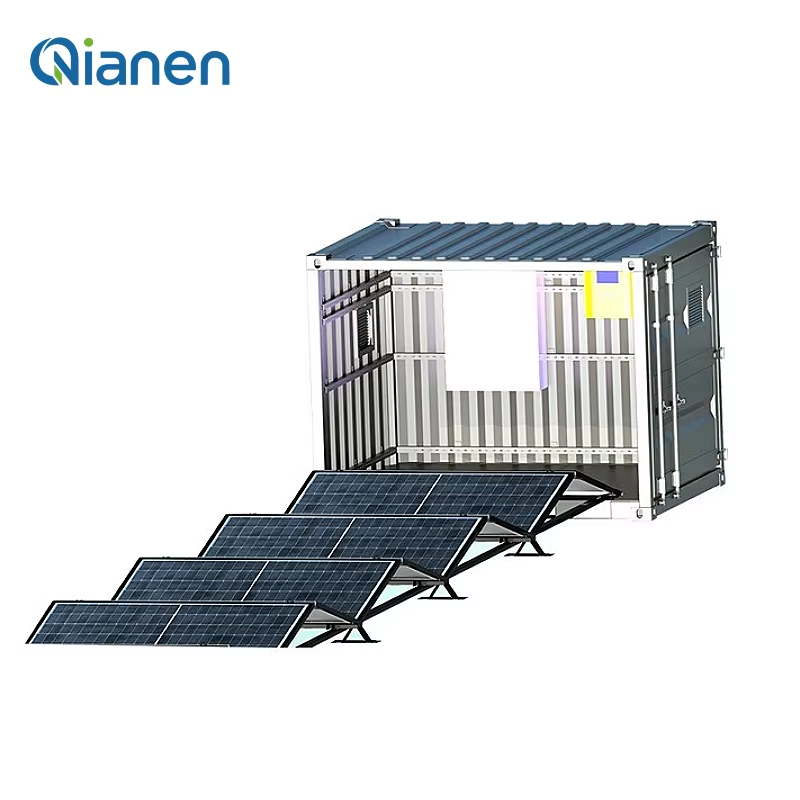
A mobile power generation cabin system represents the cutting edge of portable energy solutions, combining efficiency, mobility, and reliability in a compact package. These innovative units serve as complete power stations that can be transported to virtually any location, providing essential electricity for various applications from construction sites to emergency response scenarios. The integration of advanced technology within these systems has revolutionized how we approach temporary and remote power needs.
Core Components of Mobile Power Generation Systems
Primary Generation Equipment
At the heart of every mobile power generation cabin lies the primary power unit, typically consisting of a robust diesel generator or alternative power source. These generators are specifically designed for optimal performance within the confined space of the cabin while maintaining maximum output efficiency. The power units are mounted on vibration-dampening systems to minimize operational noise and extend equipment lifespan.
Advanced monitoring systems are integrated into the primary generation equipment, allowing operators to track performance metrics in real-time. This includes fuel consumption rates, power output levels, and critical maintenance indicators that ensure consistent operation.
Control and Distribution Systems
The sophisticated control center within a mobile power generation cabin manages all aspects of power production and distribution. Modern cabins feature touchscreen interfaces and remote monitoring capabilities, enabling operators to adjust output parameters and respond to changing power demands instantly.
Distribution panels and switchgear are arranged for maximum accessibility while maintaining safety protocols. These systems incorporate circuit protection devices and power quality monitoring equipment to ensure stable and clean power delivery to connected equipment.
Design Features and Construction
Weatherproof Enclosure Technology
Mobile power generation cabins are engineered to withstand diverse environmental conditions. The exterior shell is constructed from heavy-duty materials with specialized coatings that resist corrosion and UV damage. Weatherproof seals and gaskets protect sensitive internal components from moisture, dust, and other environmental factors.
Thermal management systems are integrated into the cabin design, maintaining optimal operating temperatures regardless of external conditions. This includes strategic ventilation placement and advanced cooling systems that protect critical equipment.
Mobility and Transportation Features
The cabin's design prioritizes transportability without compromising functionality. Reinforced lifting points and standardized container dimensions allow for easy handling by common transportation equipment. Some models feature integrated trailer systems or skid-mounted designs for enhanced mobility options.
Quick-connect electrical interfaces and standardized connection points enable rapid deployment and setup at new locations. This mobility-focused design significantly reduces downtime during relocations while maintaining system integrity.
Applications and Industry Uses
Construction and Infrastructure Projects
The construction industry heavily relies on mobile power generation cabins to power equipment and temporary facilities at project sites. These units provide consistent power for tools, lighting, and site offices in locations where grid power is unavailable or insufficient.
Infrastructure development projects, particularly in remote areas, benefit from the reliability and portable nature of these power systems. They support everything from bridge construction to road development, ensuring continuous power availability throughout project duration.
Emergency Response and Disaster Recovery
During natural disasters or emergency situations, mobile power generation cabins serve as crucial infrastructure support. They can be rapidly deployed to affected areas, providing essential power for emergency services, medical facilities, and temporary shelters.
The systems' self-contained nature and robust design make them ideal for operation in challenging conditions, ensuring continuous power supply when it's needed most. Their mobility allows for quick redeployment as recovery efforts progress across different locations.
Maintenance and Operational Considerations
Preventive Maintenance Protocols
Regular maintenance is essential for ensuring reliable operation of mobile power generation cabins. This includes scheduled inspections of all major components, fluid level checks, and filter replacements. Comprehensive maintenance programs typically follow manufacturer-specified intervals and procedures.
Advanced diagnostic systems help identify potential issues before they become critical, allowing for proactive maintenance interventions. This predictive approach minimizes unexpected downtime and extends equipment lifespan.
Operational Efficiency Optimization
Maximizing operational efficiency requires careful attention to fuel management, load balancing, and system monitoring. Modern cabins incorporate sophisticated energy management systems that automatically adjust generator output to match demand, reducing fuel consumption and wear.
Operators must maintain detailed operation logs and monitor performance metrics to identify opportunities for efficiency improvements. This data-driven approach helps optimize system performance while minimizing operating costs.
Future Trends and Innovations
Integration of Renewable Energy Sources
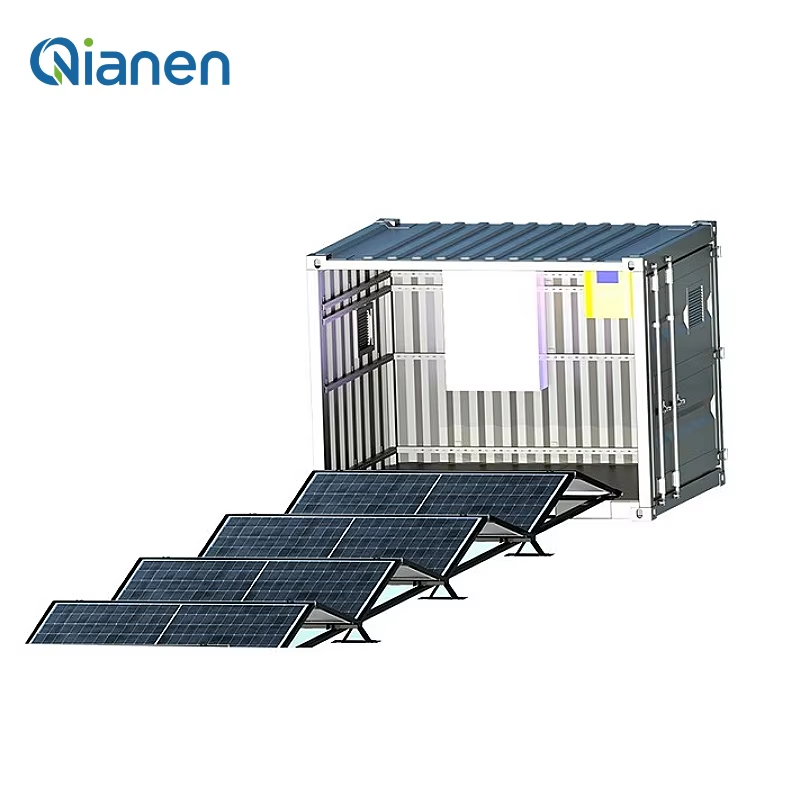
The future of mobile power generation cabins increasingly includes hybrid systems that incorporate renewable energy sources. Solar panels and battery storage systems are being integrated to reduce fuel consumption and environmental impact while maintaining reliability.
Advanced power management systems are being developed to seamlessly switch between different power sources, optimizing energy usage and reducing operational costs.
Smart Technology and IoT Integration
The integration of Internet of Things (IoT) technology is revolutionizing how mobile power generation cabins are monitored and controlled. Remote management capabilities are becoming more sophisticated, allowing for predictive maintenance and real-time performance optimization.
Artificial intelligence and machine learning algorithms are being implemented to enhance system efficiency and automate routine operations, representing the next evolution in portable power generation.
Frequently Asked Questions
How long can a mobile power generation cabin operate continuously?
Mobile power generation cabins are designed for extended continuous operation, typically capable of running 24/7 with proper fuel supply and maintenance. The actual duration depends on fuel tank capacity and maintenance requirements, but many systems can operate for weeks or months with appropriate support.
What is the typical power output range of these systems?
Power output ranges vary significantly based on the specific model and application requirements. Standard units typically provide outputs from 100 kW to several megawatts, with custom solutions available for both smaller and larger power needs.
Are mobile power generation cabins environmentally friendly?
Modern mobile power generation cabins incorporate various environmental protection features, including efficient engines, emission control systems, and noise reduction technology. Many newer models also integrate renewable energy sources and advanced fuel management systems to minimize environmental impact.