EN
EN

The modern business landscape demands unprecedented energy reliability, efficiency, and sustainability. As enterprises face rising electricity costs, grid instability, and increasing pressure to reduce carbon footprints, industrial and commercial energy storage has emerged as a critical solution. This technology enables businesses to store excess energy during low-demand periods and deploy it when needed, creating substantial operational and financial benefits. Organizations across manufacturing, retail, healthcare, and logistics sectors are recognizing that energy storage systems are no longer luxury investments but essential infrastructure for competitive advantage and operational resilience.
Market Drivers Behind Energy Storage Adoption
Rising Energy Costs and Peak Demand Charges
Businesses worldwide are experiencing dramatic increases in electricity expenses, with peak demand charges representing a significant portion of monthly utility bills. Industrial facilities often face demand charges that can account for 30-70% of their total electricity costs, making energy management a critical financial concern. Peak shaving through energy storage allows companies to reduce their maximum power draw during expensive peak hours by discharging stored energy when demand is highest. This strategy can result in monthly savings of thousands to tens of thousands of dollars for medium to large commercial operations.
Energy storage systems enable businesses to implement sophisticated load management strategies that were previously impossible with conventional electrical infrastructure. By analyzing historical consumption patterns and real-time grid conditions, modern storage solutions can automatically optimize energy usage to minimize costs while maintaining operational continuity. Companies can also participate in utility demand response programs, earning additional revenue by reducing consumption during grid stress periods while relying on stored energy to maintain operations.
Grid Reliability and Power Quality Concerns
Aging electrical infrastructure and increasing extreme weather events have made grid reliability a pressing concern for businesses dependent on continuous power supply. Manufacturing facilities, data centers, hospitals, and other critical operations cannot afford interruptions that could result in production losses, equipment damage, or safety hazards. Traditional backup generators require maintenance, produce emissions, and may not provide the instantaneous response needed for sensitive equipment protection.
Modern energy storage systems provide seamless backup power with millisecond response times, ensuring that critical systems remain operational during outages or voltage fluctuations. These systems also improve power quality by filtering voltage irregularities and providing stable electricity supply to sensitive equipment. Unlike diesel generators, battery storage systems operate silently, produce zero emissions, and require minimal maintenance, making them ideal for urban commercial environments where noise and air quality regulations are strict.
Technology Advantages and Applications
Advanced Battery Technologies and Performance
Contemporary industrial and commercial energy storage systems utilize cutting-edge lithium-ion battery technology that offers exceptional performance characteristics compared to traditional lead-acid alternatives. These advanced systems provide higher energy density, longer cycle life, faster charging capabilities, and superior depth-of-discharge performance. Modern lithium iron phosphate batteries can typically achieve 6,000 to 10,000 charge cycles while maintaining 80% capacity, translating to 15-20 years of reliable service under normal operating conditions.
Battery management systems have evolved to incorporate artificial intelligence and machine learning algorithms that optimize performance, predict maintenance needs, and extend system lifespan. These intelligent systems monitor cell-level parameters including temperature, voltage, and current flow to ensure safe operation while maximizing energy throughput. Advanced thermal management systems maintain optimal operating temperatures across varying environmental conditions, ensuring consistent performance and preventing degradation that could compromise system reliability or safety.
Integration with Renewable Energy Sources
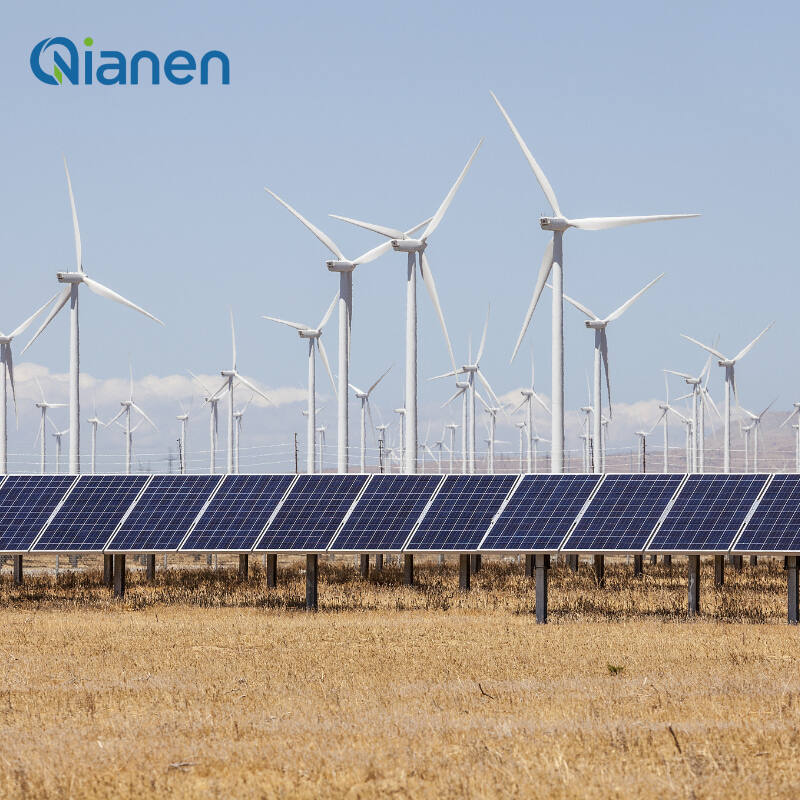
Energy storage systems serve as the crucial link between variable renewable energy generation and consistent commercial power demands. Solar and wind installations often produce energy when it's least expensive but may not align with peak consumption periods, creating a mismatch that storage technology elegantly resolves. By storing excess renewable energy during peak generation periods, businesses can maximize their return on renewable investments while reducing dependence on grid electricity during expensive peak hours.
Hybrid systems that combine solar panels, wind turbines, and industrial and commercial energy storage create comprehensive energy independence solutions for forward-thinking businesses. These integrated systems can achieve 70-90% energy independence depending on location, system sizing, and consumption patterns. Advanced energy management software coordinates all system components to optimize energy flows, prioritizing renewable sources while maintaining grid connection for backup and excess energy export opportunities.
Economic Benefits and Return on Investment
Immediate Cost Savings and Revenue Generation
The financial benefits of energy storage extend far beyond simple electricity cost reduction, encompassing multiple revenue streams that contribute to attractive return on investment calculations. Peak demand reduction remains the primary driver, with many commercial installations achieving 15-40% reductions in monthly demand charges within the first year of operation. Time-of-use optimization allows businesses to shift energy consumption from expensive peak periods to low-cost off-peak hours, creating additional monthly savings.
Many regions offer lucrative incentive programs for energy storage installations, including federal tax credits, state rebates, and utility incentives that can offset 30-50% of initial system costs. Businesses can also generate revenue through grid services such as frequency regulation, voltage support, and capacity markets where utilities compensate storage system owners for providing grid stability services. These additional revenue streams often improve project economics significantly, reducing payback periods from 7-10 years to 3-5 years in favorable markets.
Long-term Strategic Value Creation
Energy storage investments provide substantial long-term strategic value that extends beyond immediate cost savings to encompass business continuity, competitive advantage, and asset value enhancement. Companies with robust energy infrastructure demonstrate operational resilience that appeals to customers, investors, and business partners who increasingly prioritize sustainability and reliability in their vendor selection criteria. This enhanced reputation can translate to increased business opportunities and premium pricing power in competitive markets.
Property values typically increase following energy storage installations, as buildings with advanced energy infrastructure command premium rents and sale prices in commercial real estate markets. Energy independence also provides protection against future electricity price volatility, allowing businesses to forecast energy expenses more accurately and reduce exposure to utility rate increases that could impact profitability. Forward-thinking companies view energy storage as essential infrastructure that positions them advantageously for future energy market evolution and regulatory changes.
Implementation Strategies and Best Practices
System Sizing and Configuration Optimization
Proper system sizing represents the most critical factor determining energy storage project success, requiring detailed analysis of historical energy consumption patterns, peak demand profiles, and future growth projections. Undersized systems fail to capture maximum economic benefits, while oversized installations result in unnecessary capital expenditure and reduced return on investment. Professional energy audits and load analysis studies provide the foundation for optimal system specifications that balance performance requirements with budget constraints.
Configuration flexibility allows systems to evolve with changing business needs, making modular designs preferable for most commercial applications. Scalable architectures enable capacity expansion as energy demands grow or additional applications emerge, protecting initial investments while providing growth accommodation. Site-specific factors including available space, electrical infrastructure, environmental conditions, and local regulations influence configuration decisions that impact long-term system performance and maintenance requirements.
Integration and Commissioning Considerations
Successful energy storage integration requires careful coordination with existing electrical systems, renewable energy installations, and building management systems to ensure seamless operation and maximum benefit realization. Professional installation teams must understand complex electrical codes, safety requirements, and interconnection standards that govern commercial energy storage deployments. Proper commissioning procedures verify system performance, safety systems, and control algorithms before operational handover to facility management teams.
Training programs for facility personnel ensure proper system operation and basic maintenance procedures while establishing clear protocols for emergency situations and routine monitoring activities. Comprehensive documentation including system schematics, operating procedures, maintenance schedules, and warranty information provides essential reference materials for long-term system management. Regular performance monitoring and optimization adjustments maximize system efficiency and identify potential issues before they impact operations or compromise safety.
Future Outlook and Technology Evolution
Emerging Technologies and Performance Improvements
The energy storage industry continues rapid innovation with emerging technologies promising even greater performance and economic benefits for commercial applications. Next-generation battery chemistries including solid-state electrolytes and advanced lithium compositions offer improved safety characteristics, higher energy densities, and extended lifespans that could further enhance project economics. Manufacturing scale increases and technology maturation are driving costs downward while performance metrics continue improving year over year.
Artificial intelligence and edge computing integration enable increasingly sophisticated energy management capabilities that learn from operational patterns and external data sources to optimize performance continuously. Predictive maintenance algorithms analyze system performance data to identify potential issues before they occur, minimizing downtime and extending system life. Cloud connectivity allows remote monitoring and optimization services that provide professional-grade energy management without requiring on-site expertise or additional staffing.
Market Evolution and Regulatory Support
Government policies and utility programs increasingly recognize energy storage as essential grid infrastructure, creating favorable regulatory environments that support commercial adoption through streamlined interconnection processes and attractive incentive programs. Carbon reduction mandates and renewable portfolio standards drive businesses toward energy storage solutions that enable higher renewable energy utilization while maintaining operational reliability and power quality requirements.
Market evolution toward distributed energy resources and grid modernization creates new opportunities for commercial energy storage systems to provide valuable services beyond behind-the-meter applications. Virtual power plant participation allows aggregated commercial storage systems to compete in wholesale energy markets, creating additional revenue opportunities while supporting grid stability and renewable energy integration at scale. These market developments suggest that early adopters of commercial energy storage will be well-positioned to capitalize on future opportunities.
FAQ
What is the typical payback period for commercial energy storage systems?
Commercial energy storage systems typically achieve payback periods between 3-7 years depending on local electricity rates, incentive availability, and usage patterns. Facilities with high demand charges and significant peak usage often see shorter payback periods, while businesses in regions with favorable incentive programs may achieve returns in 3-4 years. The inclusion of grid services revenue and renewable energy integration can further improve project economics and reduce payback periods.
How much maintenance do energy storage systems require?
Modern lithium-ion energy storage systems require minimal maintenance compared to traditional backup power solutions like diesel generators. Routine maintenance typically involves quarterly visual inspections, annual electrical connection checks, and software updates as needed. Battery management systems monitor performance continuously and alert operators to any issues requiring attention. Most manufacturers provide 10-15 year warranties with expected lifespans of 15-20 years under normal operating conditions.
Can energy storage systems work during extended power outages?
Yes, properly sized energy storage systems can provide backup power during extended outages, though duration depends on system capacity and load requirements. Most commercial systems are designed to provide 2-8 hours of backup power for critical loads, though larger systems can support operations for days. Systems integrated with solar panels can potentially provide indefinite backup power during daylight hours by recharging batteries with solar generation during outages.
What safety considerations apply to commercial energy storage installations?
Commercial energy storage systems incorporate multiple safety features including fire suppression systems, thermal monitoring, emergency shutdown capabilities, and fault protection systems. Professional installation following local electrical codes and safety standards ensures safe operation. Modern lithium iron phosphate batteries are inherently safer than other chemistries, with lower fire risk and no toxic gas emissions. Regular inspections and proper maintenance procedures maintain safety systems and prevent potential hazards throughout system lifetime.