EN
EN

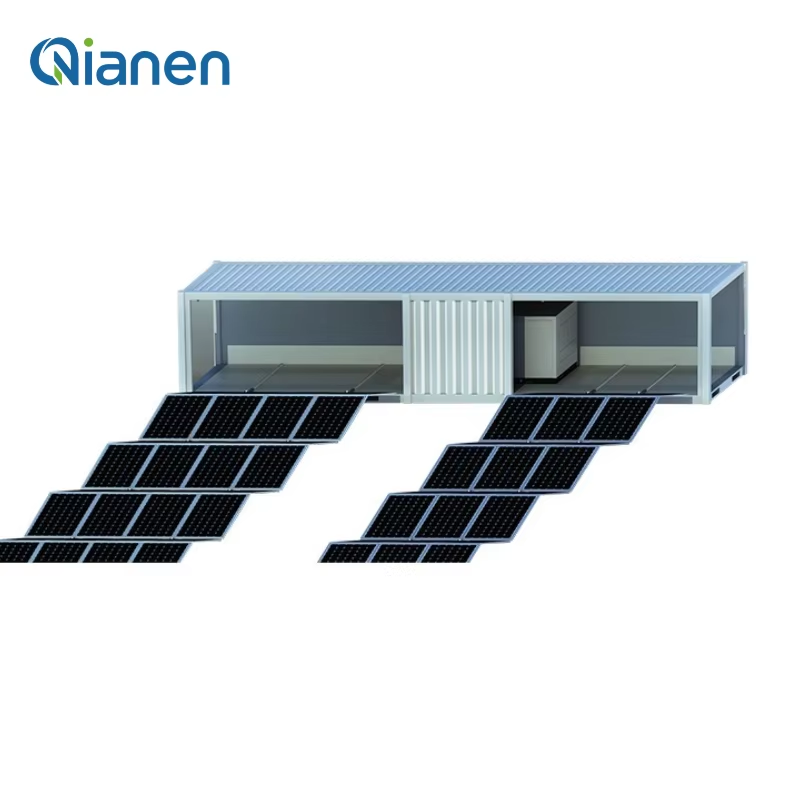
Maximizing Efficiency in Mobile Power Generation Solutions
The deployment of mobile power generation cabin systems has revolutionized how we approach temporary and emergency power needs across industries. These versatile units provide reliable power solutions for construction sites, emergency response scenarios, remote locations, and various industrial applications. Understanding the proper deployment methods ensures optimal performance and minimizes downtime during critical operations.
Modern mobile power generation cabin systems combine advanced technology with practical functionality, making them indispensable in situations where traditional power infrastructure is unavailable or impractical. Their rapid deployment capability makes them particularly valuable for time-sensitive projects and emergency situations.
Essential Pre-Deployment Planning
Site Assessment and Preparation
Before deploying a mobile power generation cabin, conducting a comprehensive site assessment is crucial. This includes evaluating the terrain conditions, accessibility for transportation vehicles, and available space for setup. The ground should be level and stable enough to support the cabin's weight, with proper drainage to prevent water accumulation around the unit.
Ensure all necessary permits and authorizations are obtained from local authorities. This may include environmental compliance certificates, noise regulation permits, and temporary installation approvals. Having these documents in order prevents delays and potential legal issues during deployment.
Technical Requirements Analysis
Calculate the power requirements of the intended application accurately. This involves listing all equipment that will be connected to the mobile power generation cabin, their power consumption patterns, and peak load demands. Factor in additional capacity for unexpected power surges and future expansion needs.
Consider environmental factors such as altitude, temperature, and humidity, as these can affect the generator's performance. Select a mobile power generation cabin system that's appropriately rated for the specific conditions of your deployment location.
Deployment Process and Best Practices
Transportation and Positioning
Coordinate with experienced transportation providers who specialize in moving heavy equipment. The mobile power generation cabin must be properly secured during transit to prevent damage. Use appropriate lifting equipment and follow manufacturer guidelines for loading and unloading procedures.
Position the cabin with careful consideration of factors such as exhaust direction, fuel delivery access, and maintenance space requirements. Ensure adequate ventilation around the unit and maintain safe distances from buildings or other structures according to local regulations.
Connection and Testing Procedures
Follow a systematic approach to connecting the mobile power generation cabin to the distribution system. This includes proper cable sizing, grounding procedures, and installation of necessary protection devices. Have qualified electricians verify all connections before initial startup.
Conduct comprehensive testing of all systems, including emergency shutdowns, load transfer mechanisms, and monitoring systems. Document all test results and maintain records for future reference and compliance purposes.
Operational Considerations and Maintenance
Monitoring and Control Systems
Implement robust monitoring systems to track the mobile power generation cabin's performance metrics, including fuel consumption, power output, and system temperatures. Modern units often come equipped with remote monitoring capabilities, allowing operators to manage multiple installations efficiently.
Establish clear protocols for operational procedures and emergency responses. Train personnel on proper operation, basic troubleshooting, and emergency procedures to ensure safe and efficient operation of the power generation system.
Preventive Maintenance Schedule
Develop a comprehensive maintenance schedule based on manufacturer recommendations and operational requirements. Regular maintenance tasks should include fluid level checks, filter replacements, and inspection of critical components.
Keep detailed maintenance records and establish a parts inventory system to minimize downtime during routine maintenance or unexpected repairs. Schedule maintenance activities during low-demand periods to minimize disruption to power supply.
Safety and Environmental Considerations
Safety Protocols and Training
Implement strict safety protocols for all personnel involved in operating and maintaining the mobile power generation cabin. This includes proper PPE requirements, lockout/tagout procedures, and emergency response plans.
Conduct regular safety training sessions and maintain up-to-date documentation of all safety procedures. Ensure that emergency contact information and response procedures are clearly posted at the installation site.
Environmental Impact Management
Take measures to minimize the environmental impact of the mobile power generation cabin operation. This includes proper fuel storage and handling procedures, noise reduction measures, and emission control systems.
Regularly monitor and document environmental compliance metrics. Consider implementing eco-friendly practices such as using biodegradable fluids and proper waste disposal methods.
Frequently Asked Questions
What are the typical deployment times for a mobile power generation cabin?
The deployment time typically ranges from 4-8 hours, depending on site conditions, cabin size, and complexity of the installation. This includes positioning, connection, and initial testing procedures. With proper planning and experienced personnel, deployment can be completed within a single working day.
How much space is required for a mobile power generation cabin installation?
A standard mobile power generation cabin requires approximately 100-150 square feet of level ground, plus additional clearance space of at least 5 feet on all sides for maintenance access and ventilation. The exact space requirements depend on the unit's size and local regulations.
What fuel options are available for mobile power generation cabins?
Modern mobile power generation cabins can be configured to run on various fuel types, including diesel, natural gas, and hybrid systems. The choice depends on factors such as fuel availability, operational costs, and environmental requirements. Diesel remains the most common option due to its reliability and widespread availability.